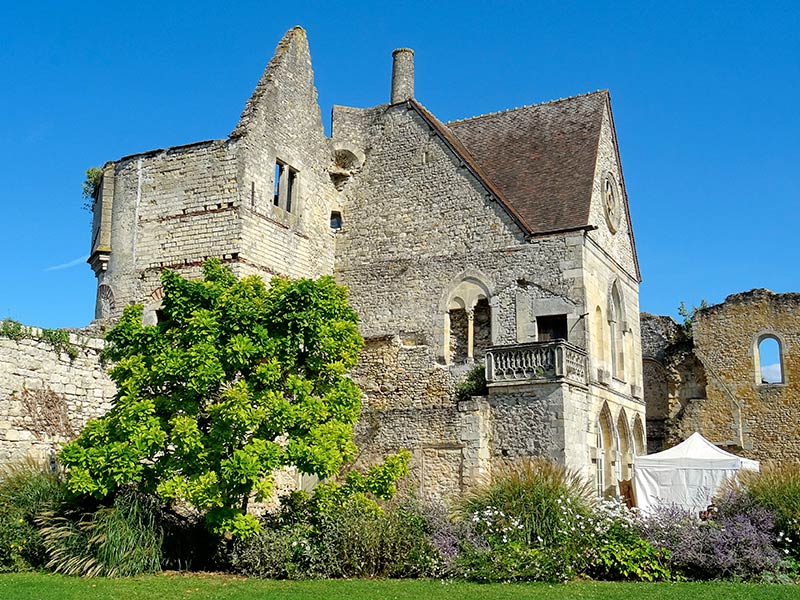
The 2026 list of 18 emblematic sites chosen, one per region, for the new edition of the Heritage Loto is now known. The selection is based on 650 applications marked in danger. It takes into account both the heritage interest, the state of degradation, the maturity of the projects and the prospects for recovery.
The selection presents a carefully measured balance on numerous registers. Religious sites represent 28% with five buildings from the Middle Ages to the 20th century. Thus in Saint-Pol-de-Léon, the Notre-Dame du Kreisker chapel, whose Gothic spire listed in 1840 peaks at 78 meters, is subject to infiltration from Breton sea spray. The roof and the 15th century stained glass windows require complete securing. Overseas, in Chirongui (Mayotte), the Antana-Bé mosque, built in 1930 in coconut wood and classified in 2019, has been reborn as a cultural center despite the constraints linked to humidity and termites. In mainland France, the Phalsbourg synagogue in Moselle, registered in 1996, is undertaking the consolidation of its art nouveau masonry from the end of the 19th century, long neglected after the Shoah.
Forts and castles account for 22% with four bastions. Among them, the royal castle of Senlis, in the Oise, classified in 1862 and built between the 12th and 16th centuries. Weakened by the floods of 2024, its moats and roofs will be subject to drainage and masonry work after the DRAC studies. Fort Boyard, in Charente-Maritime, a television icon listed as a Historic Monument since 1950, sees its masonry pillars disintegrate under the onslaught of the waves. The consolidation of the quays and ramparts should allow an opening by 2028, after studies in 2025. Since 2024, 450,000 euros have already been collected for Fort Boyard.
Fort Boyard.
Industrial, rural and residential complexes also reach 28% with five sites, while small hybrid assets, wells and mills, represent 22% of sites. In Villiers-Charlemagne, in Mayenne, the Valette farm has regained an educational vocation; This town of 1,800 people strives to preserve its 19th century agricultural barns. In Saint-Benoît, on Reunion Island, the Beaufonds factory, a former colonial sugar factory registered in 2025 and invaded by vegetation, is beginning its transformation into a museum site. The Grands Thermes de Châtel-Guyon, in Auvergne-Rhône-Alpes, are restoring the waterproofing of their Belle Époque pools registered in 1990.
This first selection will be completed by the departmental list, expected on August 31, which will bring together 102 sites, one per department. Aid is generally more limited there. This distinction has existed since 2021 to increase the number of beneficiaries. The departmental sites are selected at the local level by the DRAC and partners (support funds and associations) during a regional call for projects, then approved by the Heritage Mission.