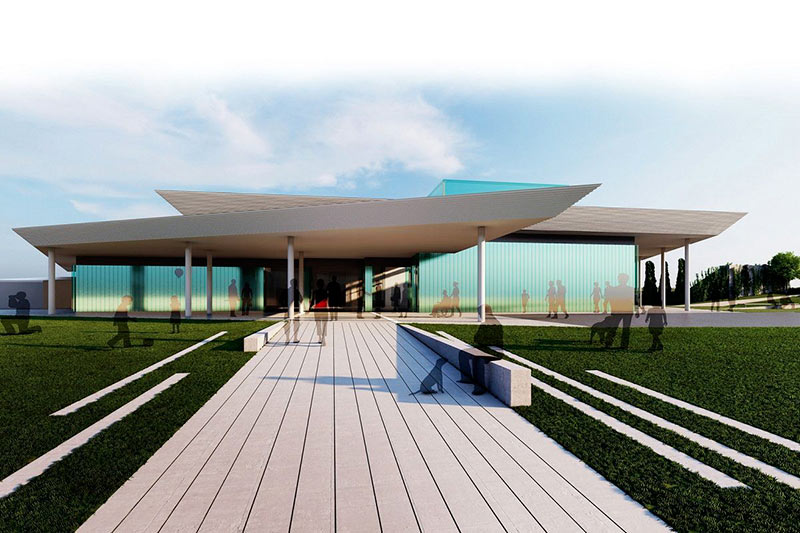
The Thessaloniki Metropolis Museum (Greece) was inaugurated on May 7 in the rehabilitated A3 building of the former Pavlos Melas barracks, the restoration of which benefited from an envelope of approximately 14.5 million euros financed in part by European funds. This new museum brings together archaeological objects extracted during the construction of the metro and offers a museum tour where ceramics, jewelry, mosaics, sarcophagi and architectural elements recreate the material life of the city over more than two millennia.
The genesis of this collection dates back to the metro works which in 2006 led to the largest archaeological rescue operation in northern Greece. Some 30,000 m² were excavated and more than 300,000 pieces exhumed, including thousands of tombs and funerary sets, as well as more than 50,000 coins identified. The cost of archaeological interventions is estimated, depending on the perimeters chosen, between 75 and 203 million euros.
Archaeological site near Agia Sophia metro station.
© Greek Ministry of Culture
The centerpiece presented by the museum comes from Venizelou station where the Decumanus Maximus appeared six meters below the roadway with its porticoes, shops and colonnades, revealing the commercial and artisanal heart of the city between the 4th and 6th centuries. The state of preservation and density of the structures fueled the nickname “Byzantine Pompeii” and sparked a conservation debate in situ which redefined certain engineering choices.
To preserve these archaeological levels, the metro line structures have been modified. The tunnels were deepened to 31 meters in sensitive areas, compared to 14 meters initially planned, in order to allow the dismantling, restoration and reinstallation of the remains on site when possible. These adaptations lengthened deadlines and increased the overall cost of the project.
The metro, however, remains the daily showcase of this archeology. Thirteen stations over nearly 10 kilometers include exhibition spaces visible to travelers, while the museum offers context, conservation and exhibition devices that are impossible to install in a station. The total cost of the line and associated works is generally estimated at around 3 billion euros, with some estimates reaching up to 3.5 billion depending on the financial scope used.
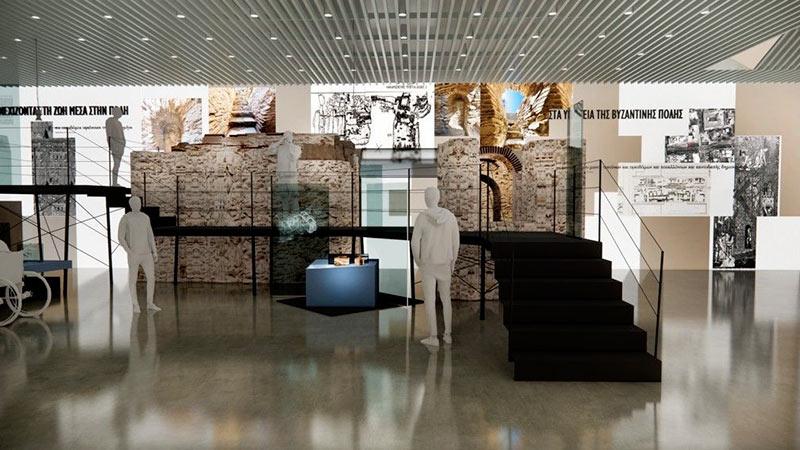
3D projection of an exhibition space within a metro station.
© Greek Ministry of Culture