Humlebæk,
Both the city where Robert Long was born in 1953, New York, and the authors with whom he rubbed into his youth – after graduating at the State University College of Buffal The production of this artist.
No discipline has not been closed (working in performances, photographs, sculptures and paintings), but if we recognize it for a large -scale hyperrealist carbon The images that bombard us daily.
The narrative force and the emotional impact of these compositions has to do with the translation of the usual intimate scale of the drawing to the monumental painting, as well as with the meticulous detail that allows the carbon technique. As theme, the issues present in these pieces are related to social and political news: to war, different protest movements, immigration and climate change.
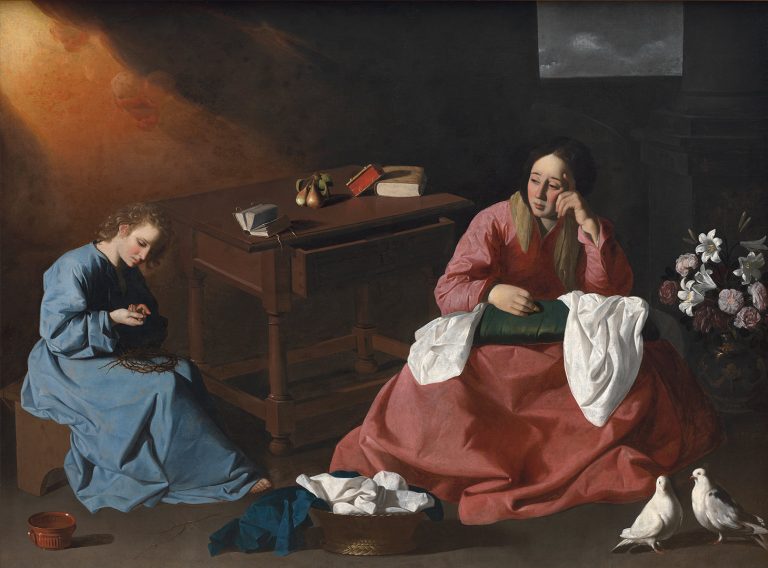
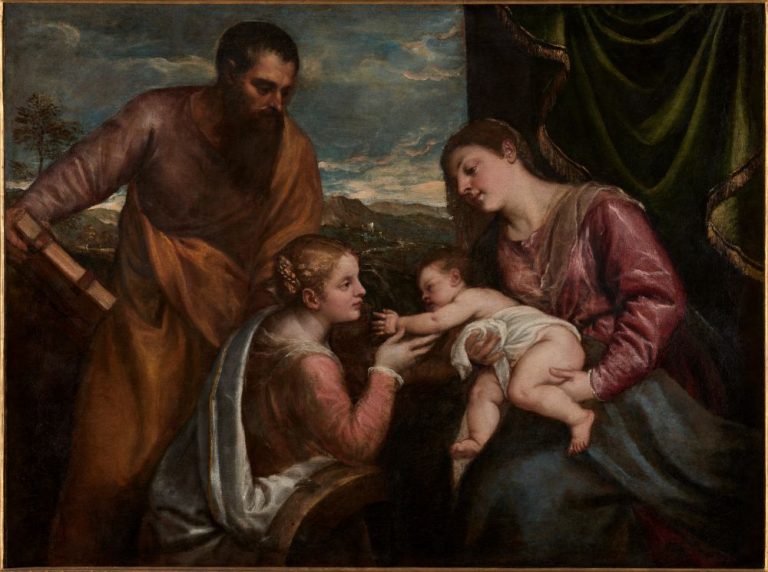
In parallel to these proposals, he worked in series that represented different full and forceful moments (bombs that exploit, waves that break, sharks that jump or roses that bloom) and in reinterpretations of works of art of the past, of a broad past, from Rembrandt to Picasso passing through Vincent Van Gogh. A decade ago Long undertook a series of drawings based on radiographs of masterpieces, such as A bar in the Folies-Bergère (1882) by Édouard Manet, in which he sought to capture the “truth” of an image beyond his superficial appearance.
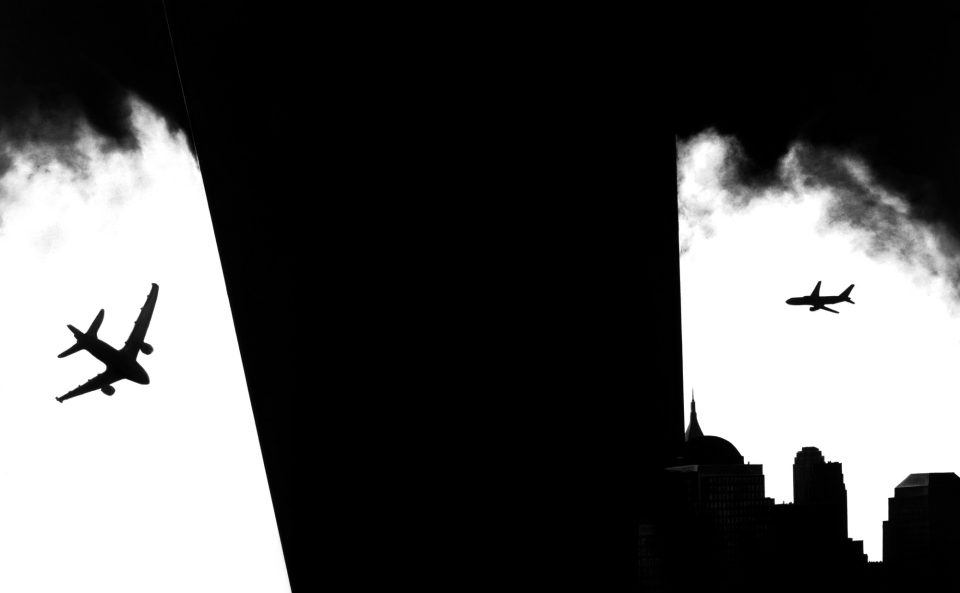
Based on the use of teachers’ chiaroscuro, it uses light and darkness to achieve a dramatic emotional range. The radical character of its motives, normally captured by photographs, is key: a photo is recorded in an instant, while a drawing takes months to be carried out, and transpose themes and formats from one medium to another modifies the relationship of both the artist and the spectator with the result. In short, he adapts his technique to reflect the peculiarities of the original photography, capturing the pixelation of a teleobjective or the sharp edges of a bullet impact on a crystal. For him, that almost forensic analysis of an image allows us to penetrate practically at the molecular level, which, combined with the inherent intimacy of the drawing environment, is a sincere attempt to freeze that scene, to cause the spectator to potentially absorb all its power.
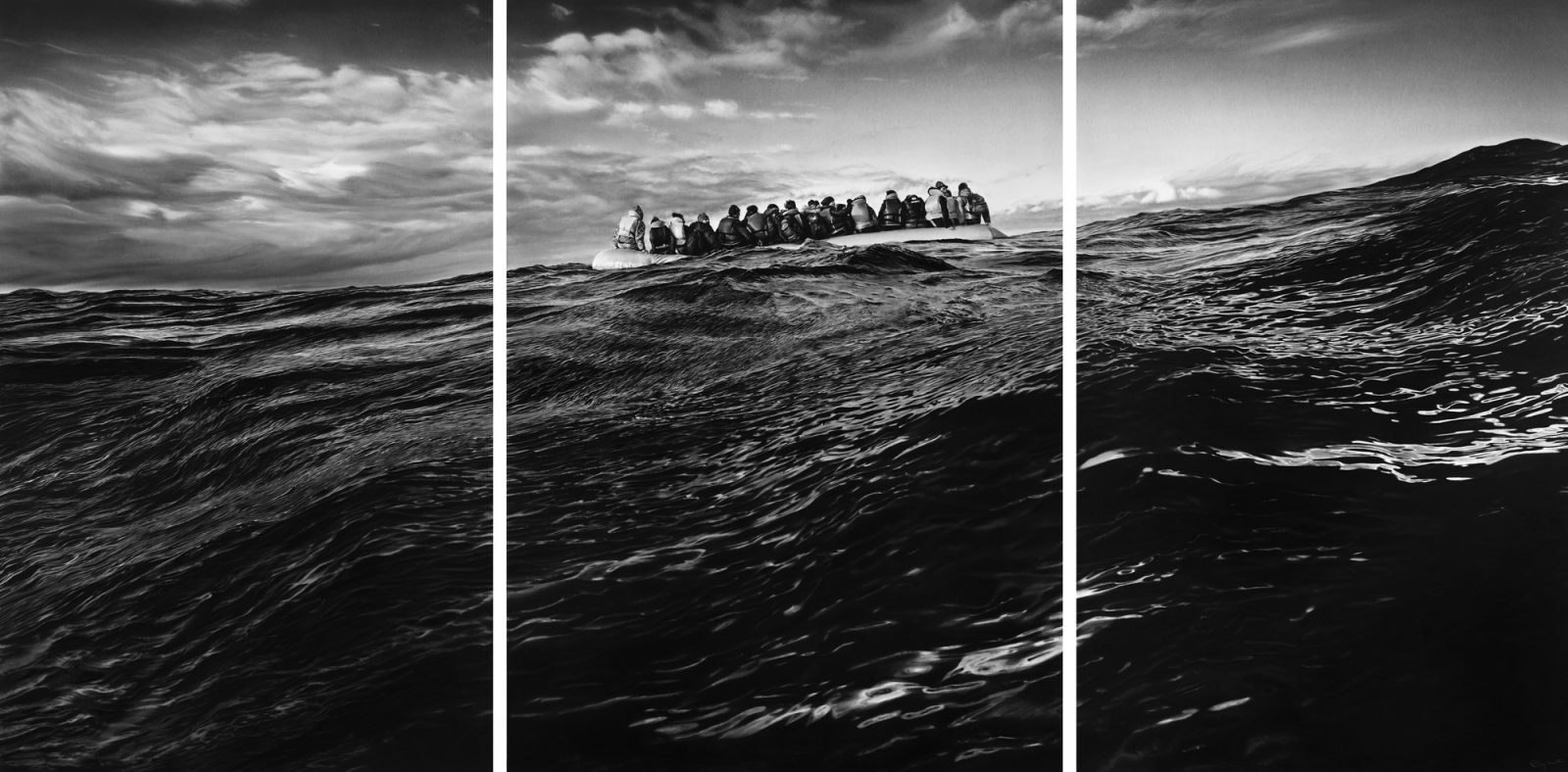
Until the end of next August, Longo stars in the Louisiana Danish Museum an exhibition that comes to emphasize the mechanisms that allow it to interact with the staging (photographs) of the world that constantly offer the media, often responding quickly to hot crises, to the present.
Under the commissioner of Anders Kold and with the collaboration of Albertina de Vienna, which has already welcomed the exhibition, that center reviews a selection of these monumental drawings to the carbon on white paper that represent hot points of the world. The snapshots that are their origin will forget them quickly, so the artist also intends to make his fall in which they call the dump of history: We live in a storm of images, and I am trying to slow the process. All these images that we see, by a fraction of a second, disappear.
In their work from photographic referents, Longo and their assistants dedicate hundreds of hours of meticulous creation to carry these works, often photojournalistic, to paper, freeing them from the media sphere, even of pop culture, to show them as black holes: dark places and moments, and relevant as it underlines its new size, worthy of being contemplated with other eyes.
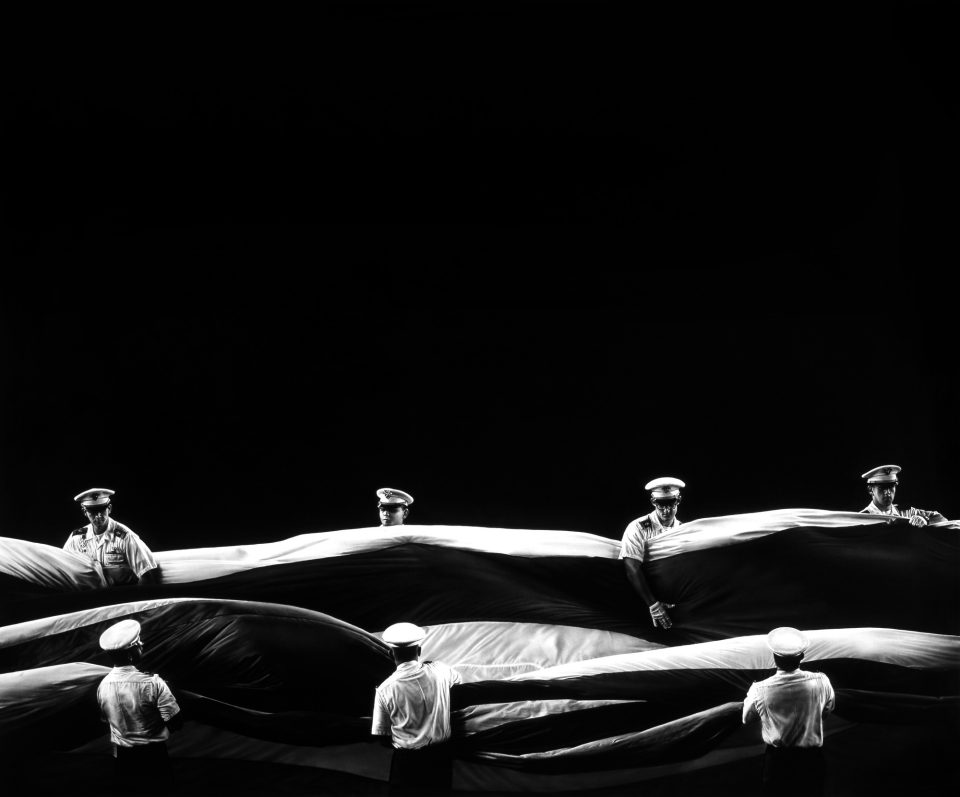
The one that is the first important sample of Longo in the Scandinavian countries consists of fifty -dated pieces between 1978 and 2024. They come from European and American collections and among them there is no lack of their series Freud cycle: fifteen studies inspired by photographs taken in the apartment and the psychoanalyst clinic in Vienna, in 1938, only a few days before his flight to London before the Nazi advance.
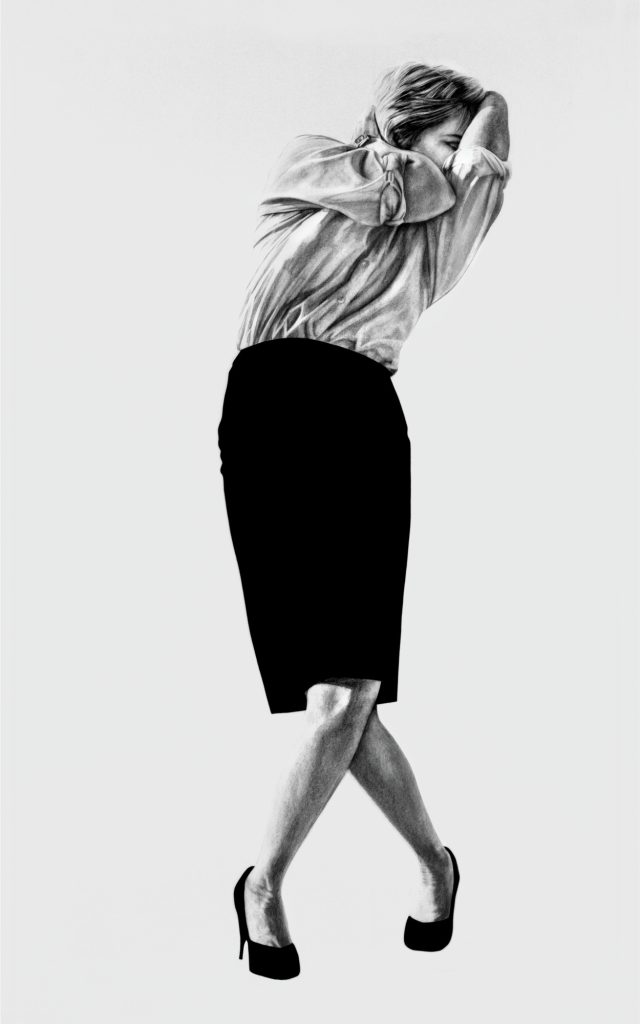
We will see equally compositions of the set Men in cities (1979-1983), in which he represented women and men in expressly contorted poses, responding to convulsive historical moments. In the arrivals to the exhibition, they are based on the film The American soldier (1970) by German director Rainer Werner Fassbinder, on a Vietnam veteran; It must be remembered that the generation of Long matured after the sequels of that war and the Watergate, and the consequent loss of social cohesion in the United States left a fundamental mark on his art. And in the Louisiana they will also come out, as its way reductions from Goyas and Turners to the scale of a magazine cover: if the media images monumentalize them, with the colossal it has carried out the opposite exercise.
In addition to Sherman, Long collaborated with Richard Prince and it is not surprising that the cinema, the images of the media, the shots with drones, the night vision images and the X -rays are a conductive thread on this route; The three are members of the call Picture generation.

Robert Long
Louisiana Museum of Modern Art
GL. Strandvej 13
3050 Humlebæk
From April 11 to August 31, 2025