Italy. After the “Franceschini Reform” adopted in 2014, is the Italian world of culture experiencing a “counter-reform”? More than ten years after its launch, the autonomy of museums under the aegis of “super directors” often coming from abroad is still debated on the peninsula. Praised by some as a tool for modernizing the transalpine museum system, the Franceschini reform is reviled by others as the symbol of a commodification of culture under the aegis of “director managers”.
Its eulogists and critics were once again able to oppose, on February 18, on the occasion of the appointment of 14 directors of so-called museums of“second fascia”. The strict administrative hierarchy divides museums into two main categories: those of prima fascia (first category) and second fascia (second category). In the first are the “heavyweights” of Italian heritage. There are the most prestigious institutions in the country such as the Uffizi in Florence, the Colosseum Archaeological Park in Rome and the Pinacoteca di Brera in Milan. These museums enjoy total “special” autonomy (scientific, financial, organizational and accounting). The Miramare Museum in Trieste or the Appian Way Archaeological Park in Rome fall into the second category. While having management and scientific autonomy, they remain attached to closer central or regional coordination.
Instead of dismantling this flagship reform of Matteo Renzi’s center-left government – promoted by his emblematic Minister of Culture – his successors modified its philosophy. They thus opted for structural continuity while leading an ideological break. All this against a backdrop of favoritism to place personalities close to power in key positions. Minister Gennaro Sangiuliano (2022-2024), who promised to put an end to“cultural hegemony of the left and with the feeling of inferiority of the right » in « archiving the Franceschini era”, pushed his reform even further. The number of autonomous museums increased from 44 to 60. The principle of fess (categories) has been maintained and even strengthened by the creation of new centers of “Prima Fascia” – such as the Royal Museums of Turin or the National Archaeological Museum of Naples (MANN).
“National preference” prevails in museums
But where Franceschini emphasized management and international openness, the current sovereignist government insists on national identity. At the start of 2024, the foreign directors of first-category museums were all ousted. Only the German Eike Schmidt, passing from the Uffizi in Florence to Capodimonte in Naples, and the Austrian Gabriel Zuchtriegel in Pompeii resisted. Both nevertheless have Italian citizenship and have lived on the peninsula for decades. A “national preference” which was verified last February. All the directors of second-category museums are strictly Italian, except the Frenchman Axel Hémery reappointed as director of the Pinacoteca de Siena. The one who appears to be the last of the Mohicans had not suffered from the color of his passport as his record was eloquent. Last year, the national museums in Siena for which he is responsible recorded a 15% increase in admissions, and the Pinacoteca in particular saw a 5% increase. Between now and May, major work worth 3 million euros will be completed, enabling a major redevelopment and modernization of spaces, the renovation of the museum trail as well as an improvement in accessibility.
“The Franceschini reform now belongs to the past and a real restoration is at work, deplores Mauro Felicori, the former director of Caserta Castle. The selection of directors was then international and carried out by a prestigious commission, which notably included the director of the National Gallery in London. Only the brilliant director of the Borghese gallery came from the ranks of the ministry. All the others came from municipal museums, universities or foundations in half a dozen European countries. Those days are over. »
Increasingly closed recruitment
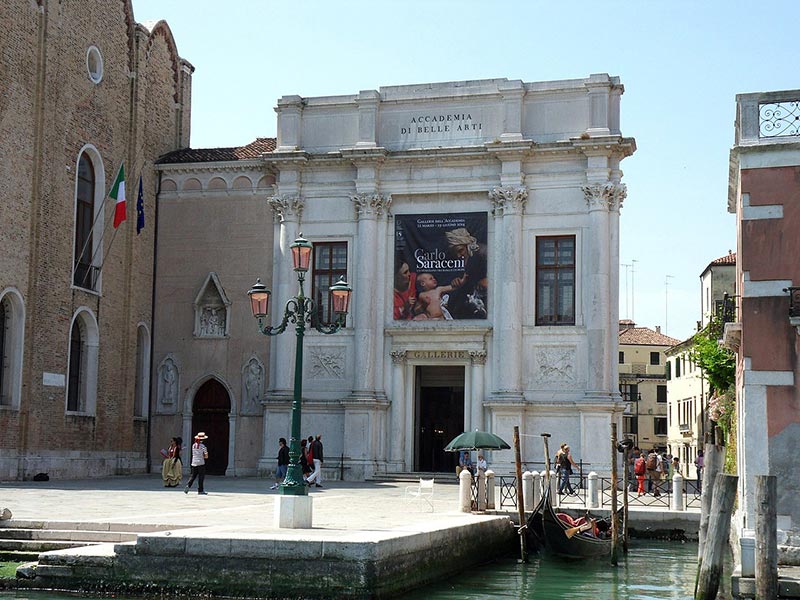
The system is moving away from the international public competition model in favor of a more discretionary recruitment method. The selection commissions are now composed exclusively of nationals and members of the ministry, a practice previously prohibited. The recruitment of the next directors of the Galleria dell’Accademia in Venice and the Castle of Caserta will be carried out throughinterpello (call for internal expressions of interest). A process seen as a form of “Prince’s Act”, where the ministry has almost absolute power of appointment, without the usual checks and balances. “The model has never been completely transparent, confides a perfect connoisseur of the Ministry of Culture. But if foreigners are not officially excluded, the message sent is dissuasive. Previously, they were given to understand that they would be privileged with equal competence to bring a fresh perspective. Today, they know that they would be at a disadvantage compared to Italian candidates. »
Italian candidates for whom political connections sometimes count more than skills. Long excluded from cultural leadership spheres, the conservative right faces a lack of qualified executives for key positions, as evidenced by its appointments considered disappointing. If Giorgia Meloni was committed to breaking with the cultural clientelism attributed to the left, she was content to replace it with right-wing clientelism. “The world of museums has become a political refuge. Candidates defeated in the elections are strategically placed in decision-making or scientific bodies, thus allowing them to later aim for the management of these establishments”notes a member of the board of directors of an Italian museum. By now favoring a more national and ideological vision to the detriment of the international openness initially advocated, the current government is taking the risk of weakening a model which had given new financial impetus and global visibility to the peninsula’s heritage.