Barcelona,
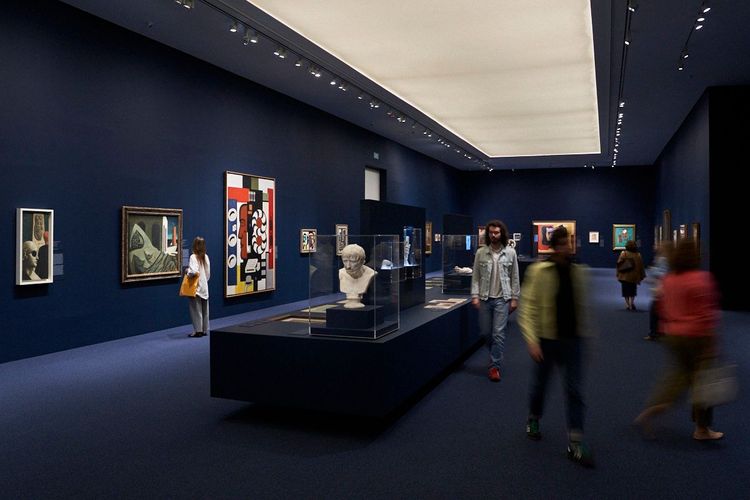
Not only does it facilitate the enjoyment of the senses, but it can also satisfy the intellect. We know that it can be found in unexpected places, inside and outside of art; that its canons have varied over the centuries; and that defining it means entering slippery terrain. Beauty and its cult are the focus of the new exhibition at the Center de Cultura Contemporània de Barcelona. CCCB, a reformulation of a project presented three years ago by Janice Li at the Wellcome Collection in London which, in the Catalan capital, has been curated by Blanca Arias and Júlia Llull.
The tour emphasizes that ideals of beauty have existed in all cultures and historical stages and that they have always been essentially restrictive, generating around them – in the exhibition approaches – lines of faithful and bewildered outsiders. In any case, finding an acceptable definition for this concept has been an essential purpose of philosophy since the dawn of time. The arts have tried to capture it and science has tried to find a way to implement it where it does not exist; It has aroused both attraction and rejection, both pain and pleasure, which is why the ultimate objective of this proposal is for the viewer to approach it as freely as possible, perhaps not strictly opposing it to ugliness.
A first section is dedicated precisely to the ideals, myths and hierarchies generated around this very elusive notion; so fluid that today perhaps it blurs between the digital and the physical. The exhibition reminds us that the construction of these canons does not respond only to purely aesthetic issues, but also to social, political and religious drifts that privilege or downplay some criteria over others. Until the 19th century it was easier than today to know who chooses these selection patterns, who limits or extends the possibilities.
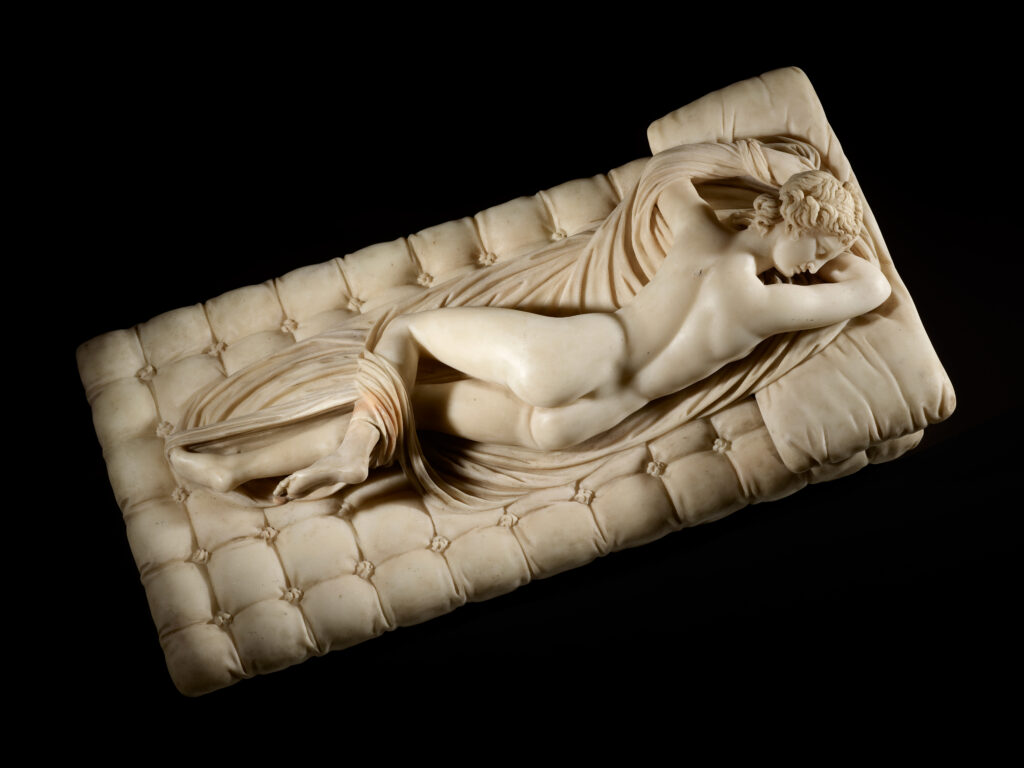
However, some (few) pieces have almost always received devotion. Classical sculptures have been revered for their proportion and harmony and continue to embody the concept of classical perfection since the Renaissance. Even today, when technological tools allow us to simulate multiple anatomical diversities, the functioning of the market still favors recognizable ideals that perpetuate Greek norms.
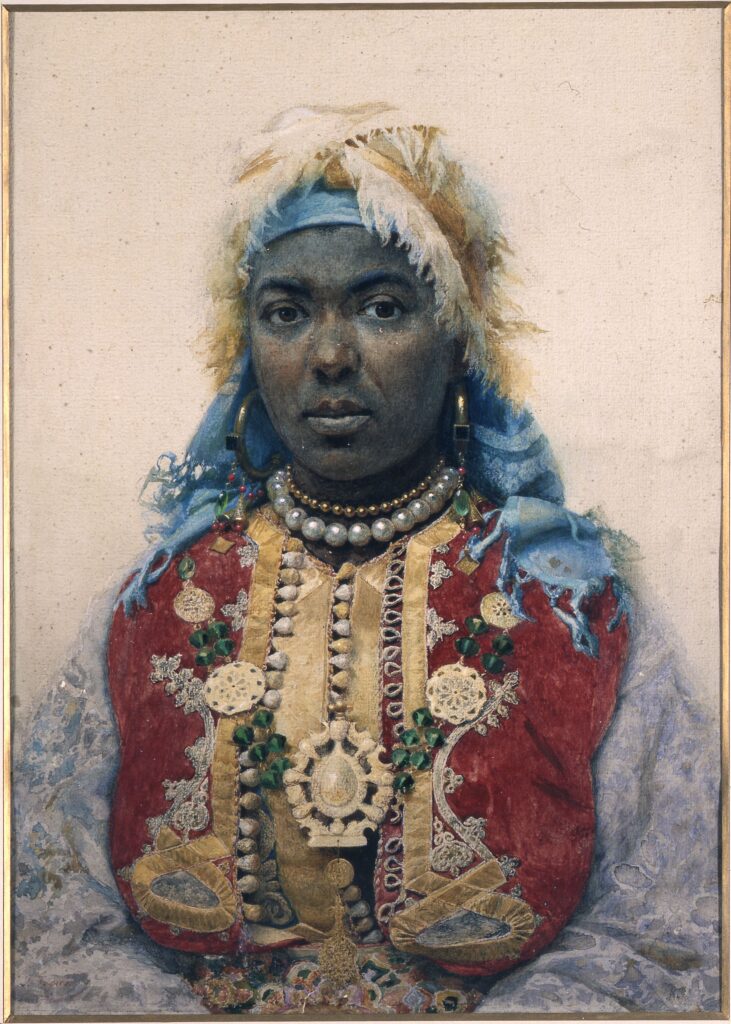
The CCCB leaves space in its rooms for relegated aesthetics, recreated by Norma Pérez, Lorenza Böttner or Carlos Motta, who would come to question the correspondence between (physical) beauty and moral virtue, the consideration of beautiful features as gateways to transcendence and the theoretical deformation of everything that escapes the majority taste; We will also see caste paintings from the 18th century or orientalist pieces representing the reification of otherness.
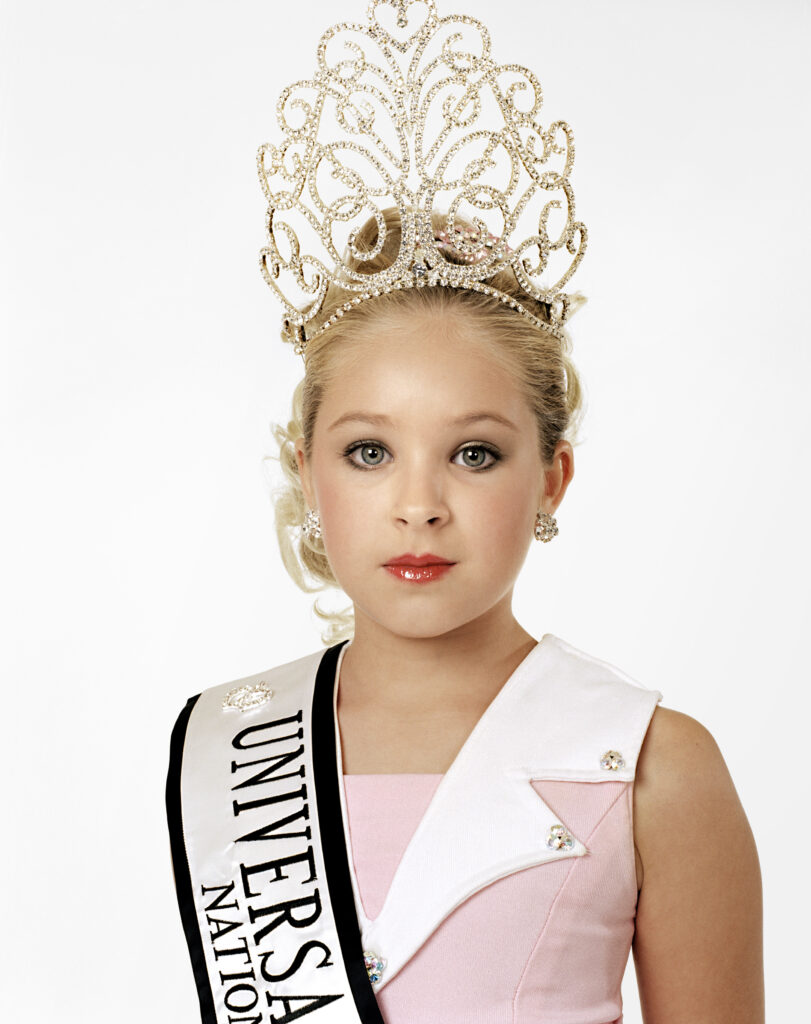
The second chapter of this exhibition delves into the personal – also collective – paths to achieve the promise of beauty: the massive acquisition of cosmetics; the use of innovative technologies and materials, from Ancient Egyptian powder kegs to thermographic eye shadows; pharmaceuticals and surgery, all of them legs of an industry aware that physical grace implies cultural capital and economic benefit. Obviously, this list of products and possibilities offers clear advantages, but it also closes doors to those who cannot access them and can impoverish our understanding of beauty; even our autonomy.
Making use of these resources allows us to express ourselves, but also to conform to an ideal created and disseminated globally, and in a narrow way. The CCCB remembers the myth of Narcissus, our eternal desire to contemplate ourselves (mirrors were born in the 16th century, only within the reach of the wealthy and still deforming classes) and the current empire of selfie as a tool of self-expression and vanity. Basically, if until 1500 we lacked reflection, the mirror has multiplied today in the form of screens, filters and cameras that, in addition to returning our image, interpret, label and correct it.
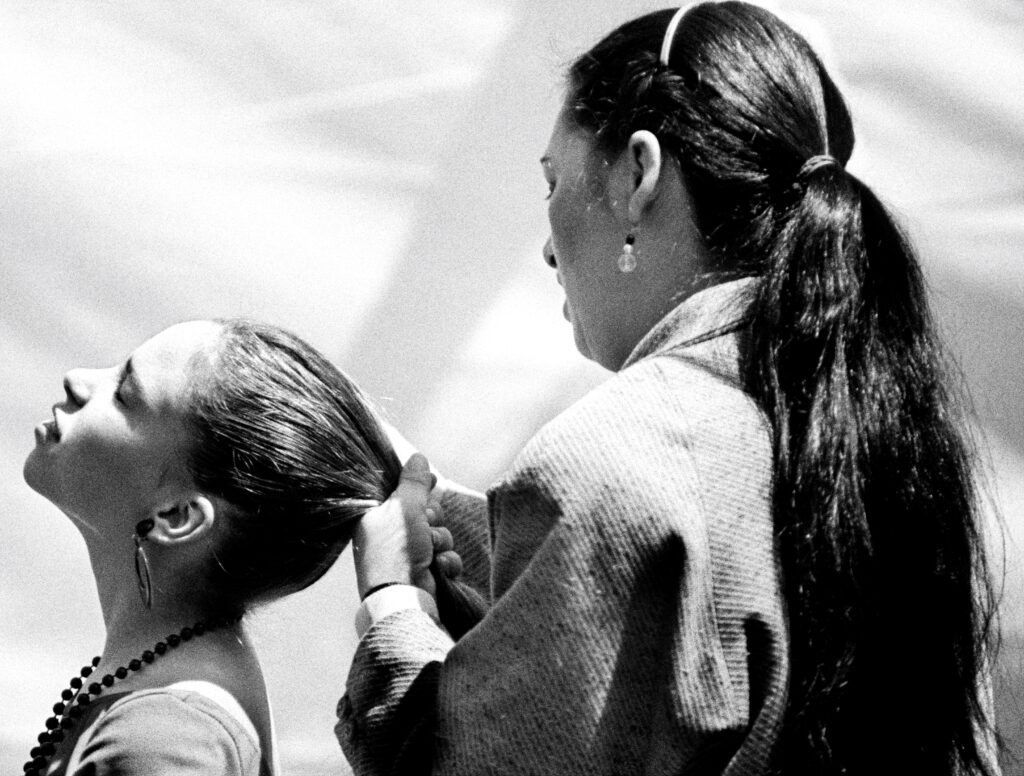
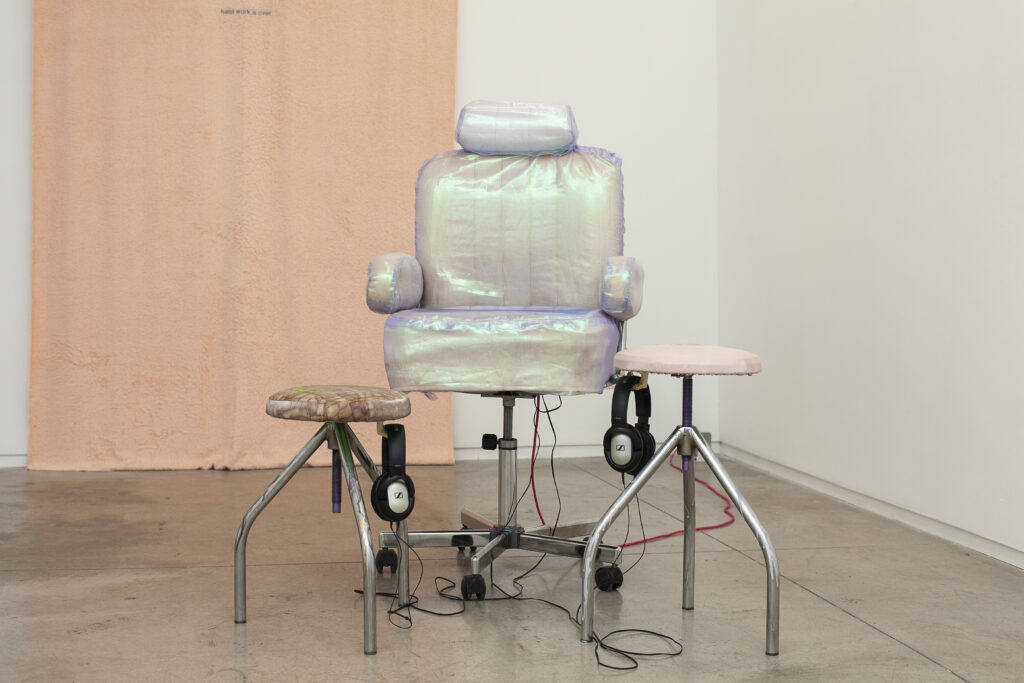
The subversion of the norm through meat is the focus of the third and final episode of the exhibition. The canons are structures, but matter cannot do, sooner or later, and sometimes always, but break them: skin and hair are not born uniform because gestures, forms and excesses prevent it. Each standard must be overcome and replaced and the skin is not a surface, but vibration, our organ of contact with the world.
The works gathered here suggest ways of understanding the body as a fundamental and almost primary artistic material, from the possibility of modifying it, linking it to technology or assimilating it as a space of life, memory and rebellion. At this point, the exhibition gives weight to hair, still symbolic in many communities, linked to desire, recognition or control and also to what we consider untamable, ugly or inadequate. Hairstyles can express belonging, pride or solidarity, sensuality or insubordination.
In certain countries, not hiding your hair is equivalent to getting rid of a corset. Creations by Ren Buchness, Marina Vargas and Arvida Byström suggest a dialogue between the ideal and its excess, between form and its dissolution, and invite us not to reject difference and to give shape to a particular model, individual as much as possible, of beauty.
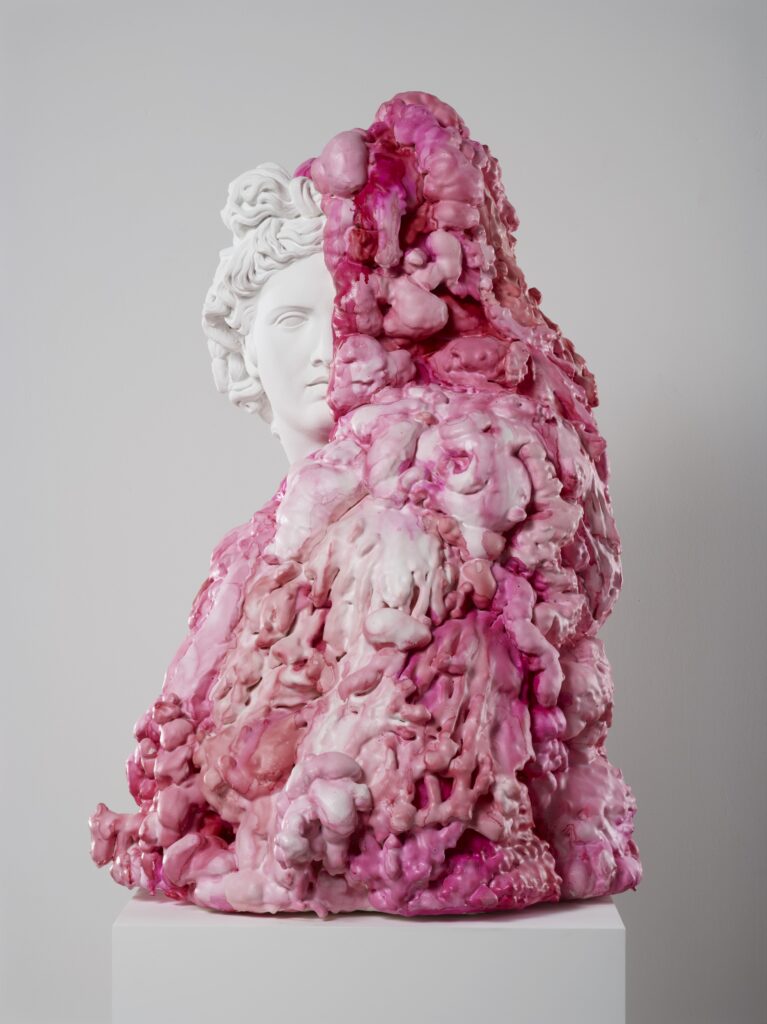
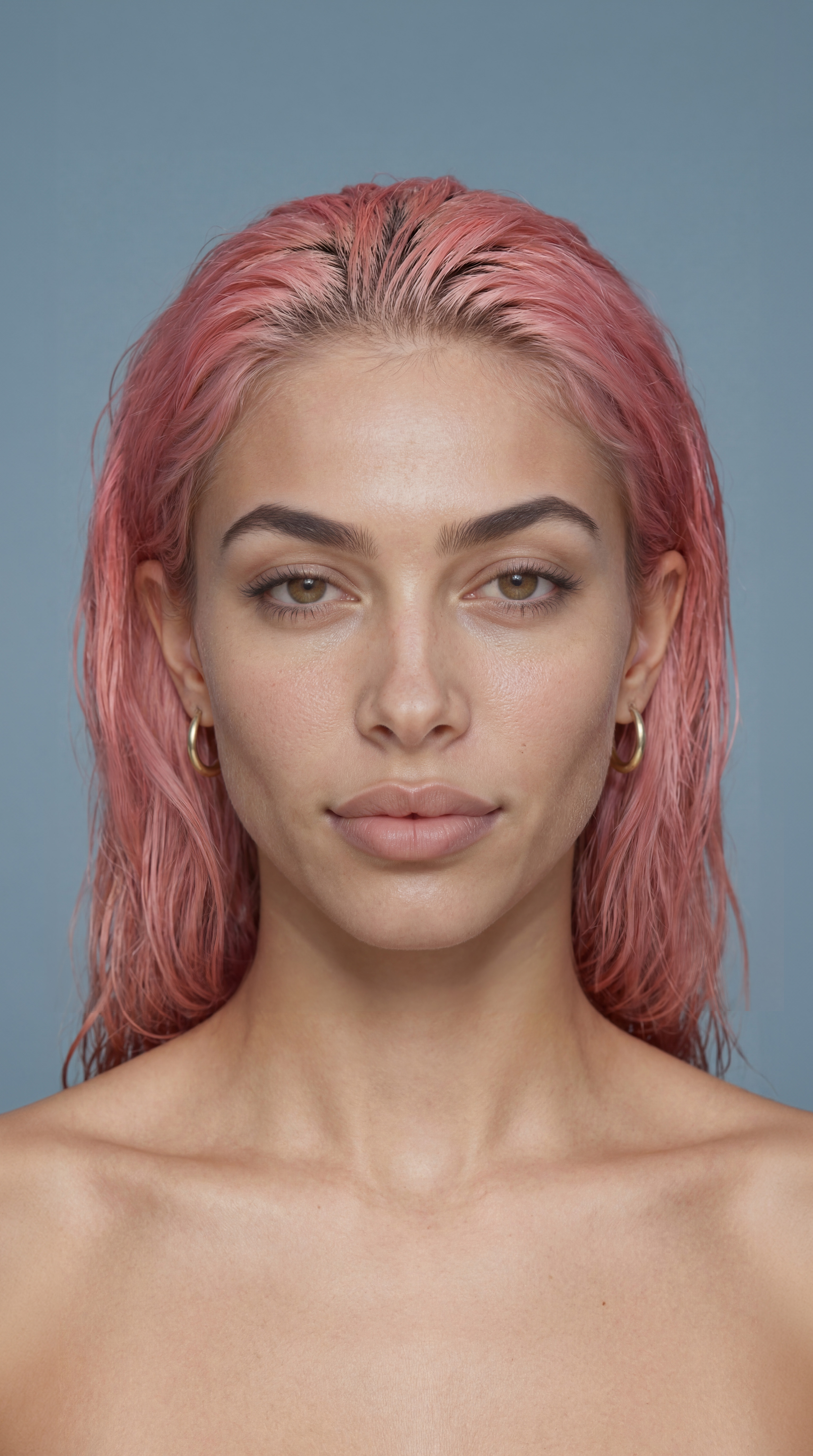
In “The Cult of Beauty” we will encounter works by artists from the past (Mariano Fortuny, William Hogarth, Josep Llimona, Josep Tapiró or Ramón Martí Alsina), but above all creations by living authors from very different geographies and, in some cases, unpublished (those of the Ayllú collective, Angélica Dass, the Ernesto Ventós Foundation, Baum & Leahy, Xcessive Aesthetics, Shirin Fathi and Narcissister).
If beauty is above all a mystery, this exhibition claims that its contours should be too.
“The cult of beauty”
BARCELONA CONTEMPORARY CULTURE CENTER. CCCB
C/ Montalegre, 5
Barcelona
From May 21 to November 8, 2026