Last summer, the Sala Robayera de Miengo, in Cantabria, which is advancing towards its four decades of history, assuming the challenge of offering its public a high-level program dedicated to contemporary art and doing so from a rural enclave, distant from the usual cultural circuits, undertook a line of work consisting of matching its own funds in its rooms, not accumulated through purchases but through donations from artists, and presentations by current authors.
This space continues on that path, promoted at the time by the painter Juan Manuel Puente, and this fall it kicks off with two exhibitions focused on a young creator from the region, Manuel Minch, and on a dozen pieces from his own collections, taking over from the summer exhibition of Robayera’s works that last summer we were able to see in relation to those donated by the Los Bragales collection.
Minch, born in Santander in 1993 and represented by the Juan Silió gallery, with offices in that city and in Madrid, has a degree in Fine Arts from the University of Castilla-La Mancha and a Master of Research in Art and Design from the Autonomous University of Barcelona and has been delving, for nearly fifteen years, into the possibilities of bringing to light hidden traces of human presence in places where it is no longer present. Based on observations made in his personal experiences, he investigates whether it is feasible to detect codes, bodies and underlying materials, now invisible, from different visual languages: he resorts to image washes and collected materials. Thus, his work addresses the links between the ephemeral and the permanent, between individual and collective lives and traces, and demands our attention around the latent mechanisms that shape contemporary life.
Minch claims the possibility of a poetics of revelation and invites us to become aware of everything that we will never perceive: the traces we leave without intending to, the systems that largely determine our actions and the ways in which we inhabit time.
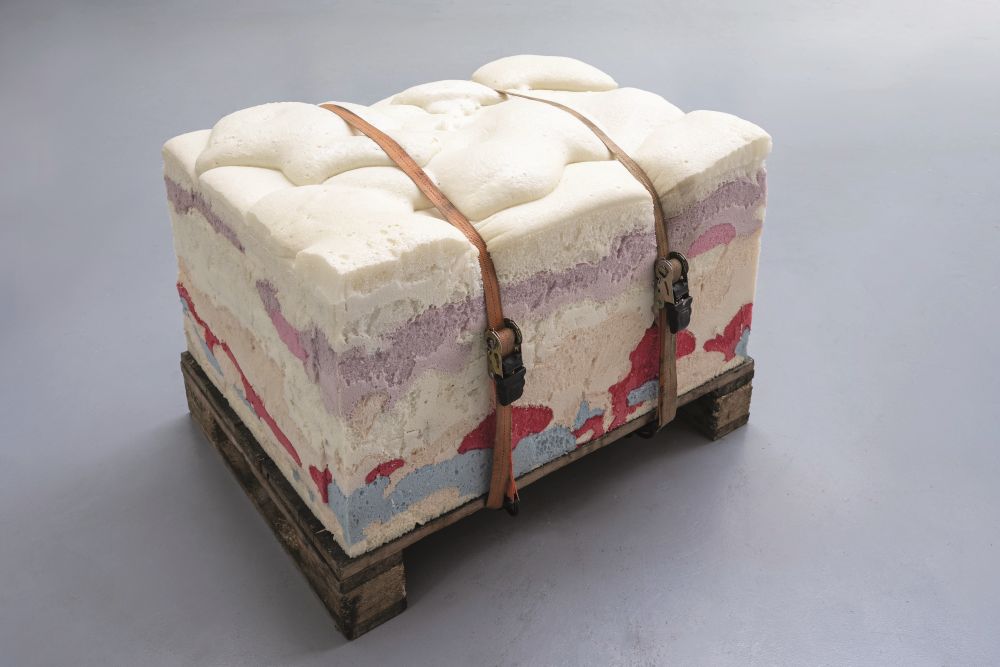
Manuel Minch. c3au. Robayera Room. Miengo, Cantabria
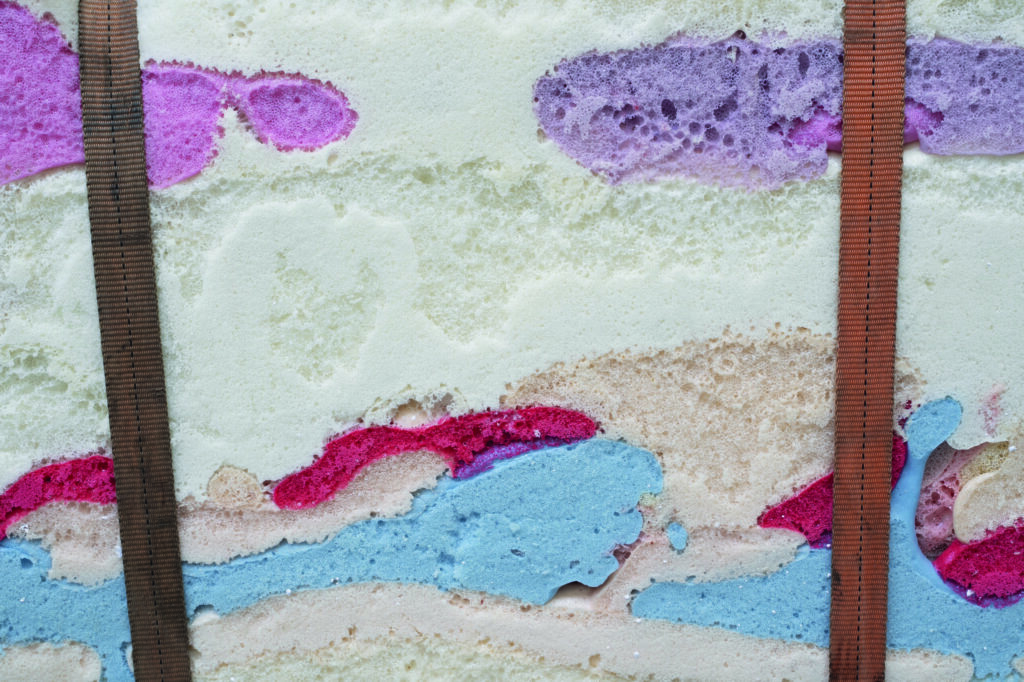
Manuel Minch. c3au. Robayera Room. Miengo, Cantabria
His proposal at the Sala Robayera is called “c3au” and summarizes three of his previous projects –Post; 3 minutes, 3 days, 3 weeks; Asepsis and Umbra– in which he came to insist that our way of apprehending and ordering the world requires measures (to transport, structure, classify), and that we must not forget that these necessarily imply a reduction of what exists: there is much that escapes them due to lack of fit or space.
In this exhibition, each of these revisited works is identified with a trace: the one produced by the transit (Post), the one that remains in the body (3 minutes…), which has been deleted (Asepsis) and the one that is archived (Umbra) and, in turn, from the intersection of the two, the six series that make up the exhibition emerge and which represent a hybridization of past works. They are called (c+3), (c+u), (c+a), (3+a), (3+u) and (a+u); Some investigations overlap with others and some materials find their place where they were not expected.
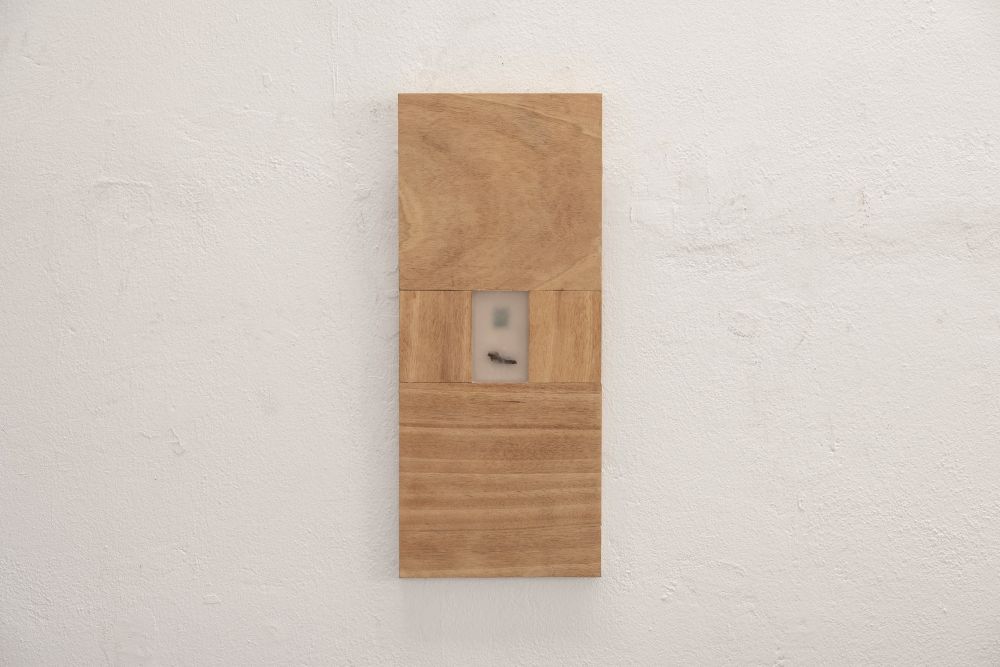
Manuel Minch. c3au. Robayera Room. Miengo, Cantabria
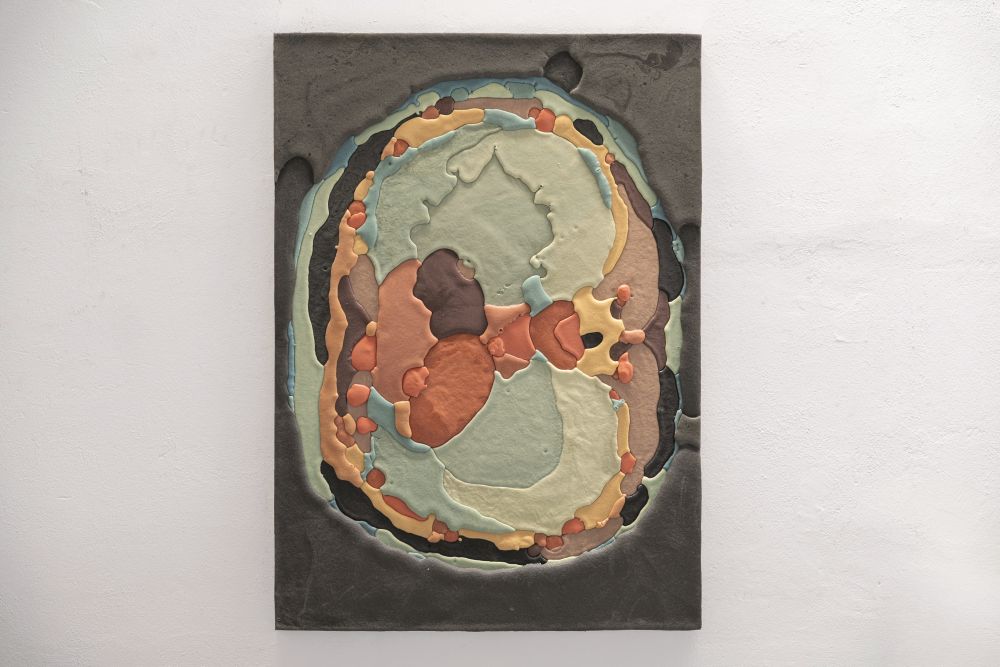
Manuel Minch. c3au. Robayera Room. Miengo, Cantabria
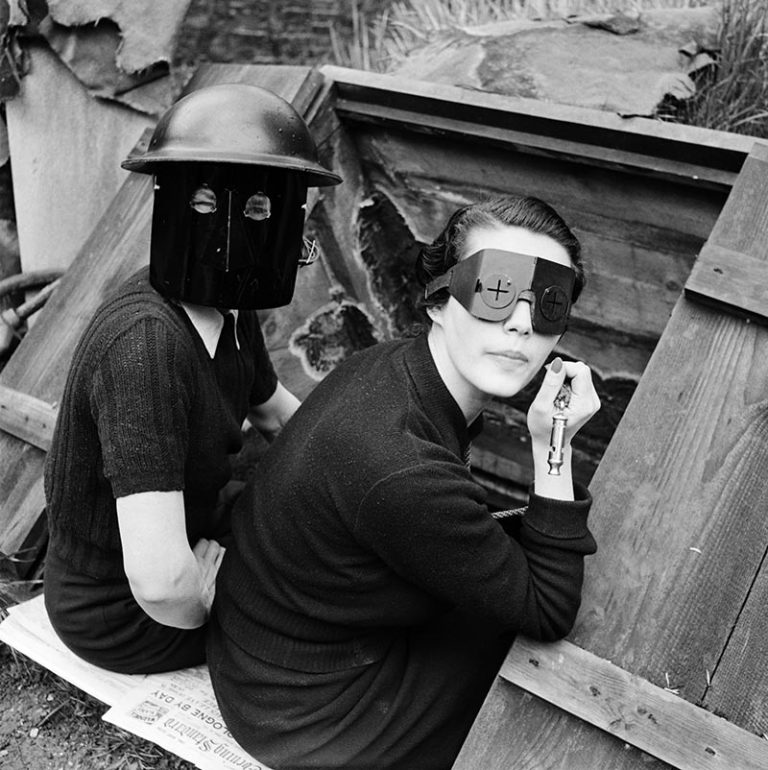
We are referring to fragments found by chance, waxes, foams and remains of dioramas that generate pieces that still preserve what the given systems failed to contain: leftovers from the work, the exhaustion and the displacements that it entails. They represent that which is not recorded in the records and ends up being forgotten. What is not named, as Santiago Mazarrasa recalled in the text for the recent presentation of Umbra at the National Museum of Anthropology: Imagine any object, one that you do not recognize, any material contained in a form that resists being defined. Until you name it, that object is nothing, it barely exists. Imagine another object at a safe distance from the previous one, another shape, another matter, any other mass. Until she is named, there is no relationship between the two. Who, among all the anonymous and mute observers, has the prerogative of giving a name to that which does not yet have one? All and none, since giving names to things is a paradoxically anonymous task. Every name is, furthermore, the result of a historical development. Of course: the further away, the less traceable, like a footprint that fades over time.. But once named, both will have a meaning to transmit, they will coexist with significant forms and provide knowledge: they will, perhaps, make the past understandable and the future predictable.
In its origin, however, and this is where Minch is interested in traveling, that knowledge was wonder and question: silent wax. Or dust: Asepsis was born when the artist learned that large quantities accumulate on the works treasured in the Uffizi and that most of it is made up of detached human skin. The man from Santander did not pay attention to the poetic aspect of this contact of our epidermis with the legacy of the masters, but rather to what this skin has as an identity and means of contact with the outside, which, for this reason, we have not stopped, especially since the 19th century, cleaning.
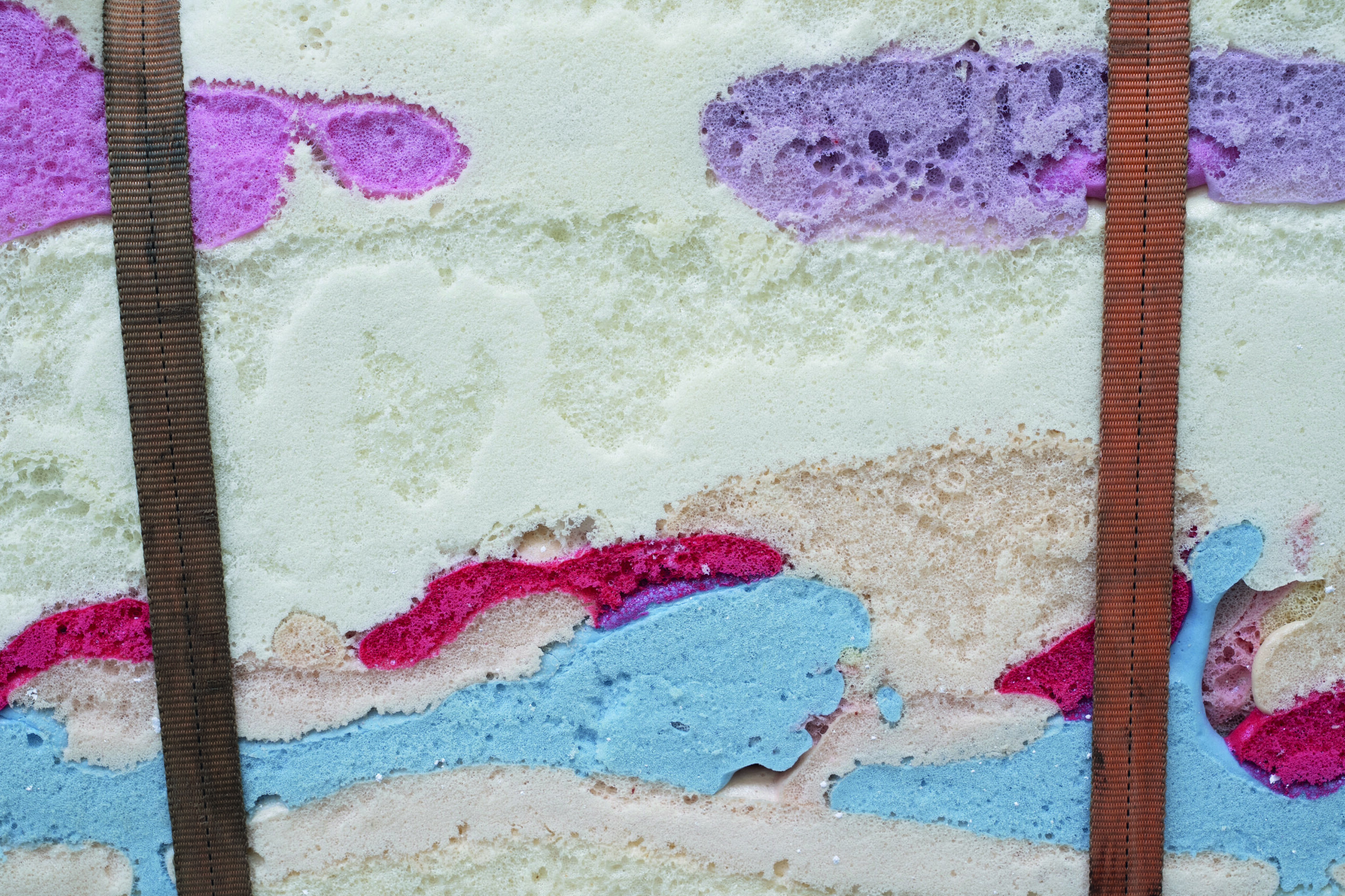
His plastic references to the bodily tissues that make up us are an invitation to look inside ourselves from abstract images and material bodies: sponges soaked in smells and expanded polyurethane foams.
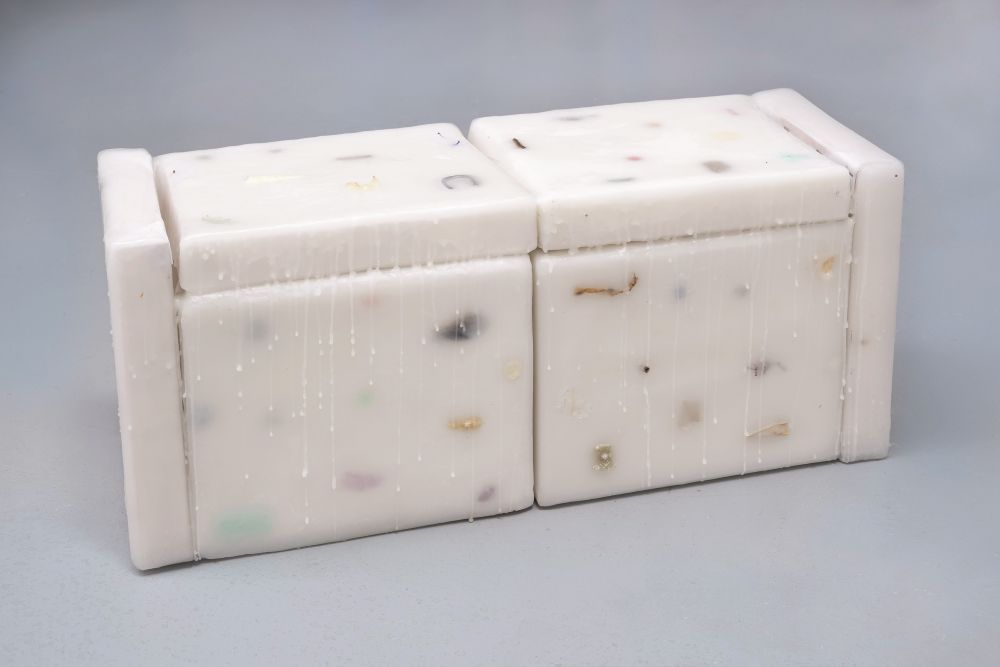
Manuel Minch. c3au. Robayera Room. Miengo, Cantabria
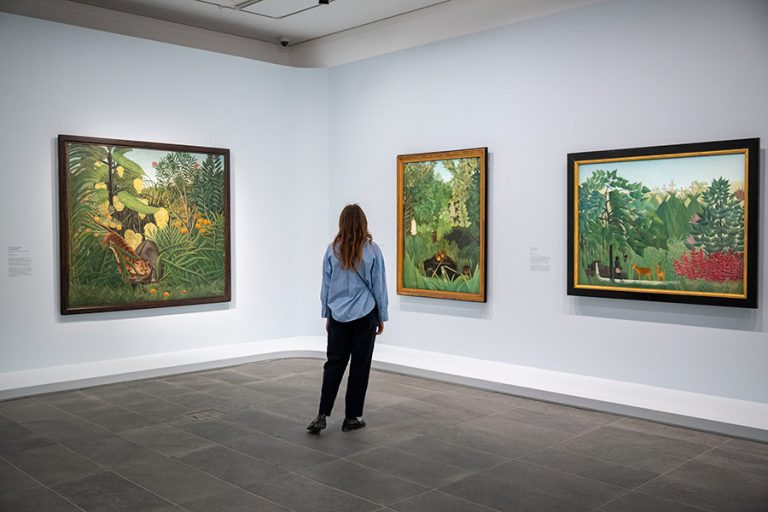
As for “Al Norte”, the exhibition now offered to the collections of this Sala Robayera, alludes from its very title to the geographical and cultural position from which this center operates – a landscape that is, at the same time, natural and sentimental -, but also to common notes of the works on display, which often share motifs of nature, clouds, water and memory of a territory, although this is not necessarily identifiable.
We can understand the selected works of Juan Genovés, Joan Hernández Pijuan, Cristina Iglesias, Eva Lootz, Chema Madoz, Juan Muñoz, Susana Solano and Darío Villalba – classic authors and equally classic contemporaries – as fragments of environments that manage to merge although they remain originally distant.
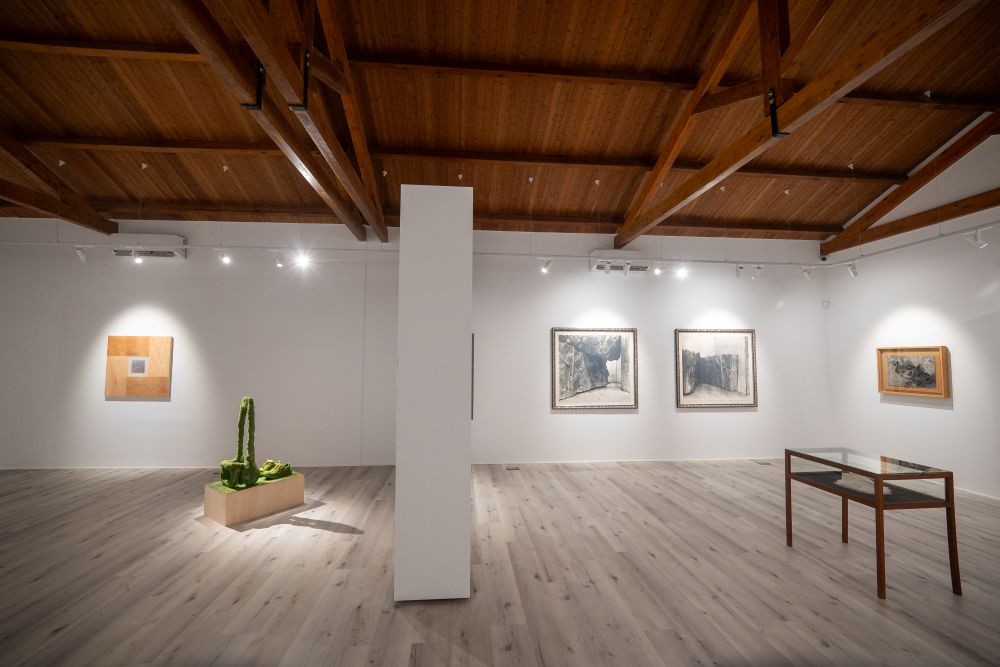
North. Robayera Room. Miengo, Cantabria
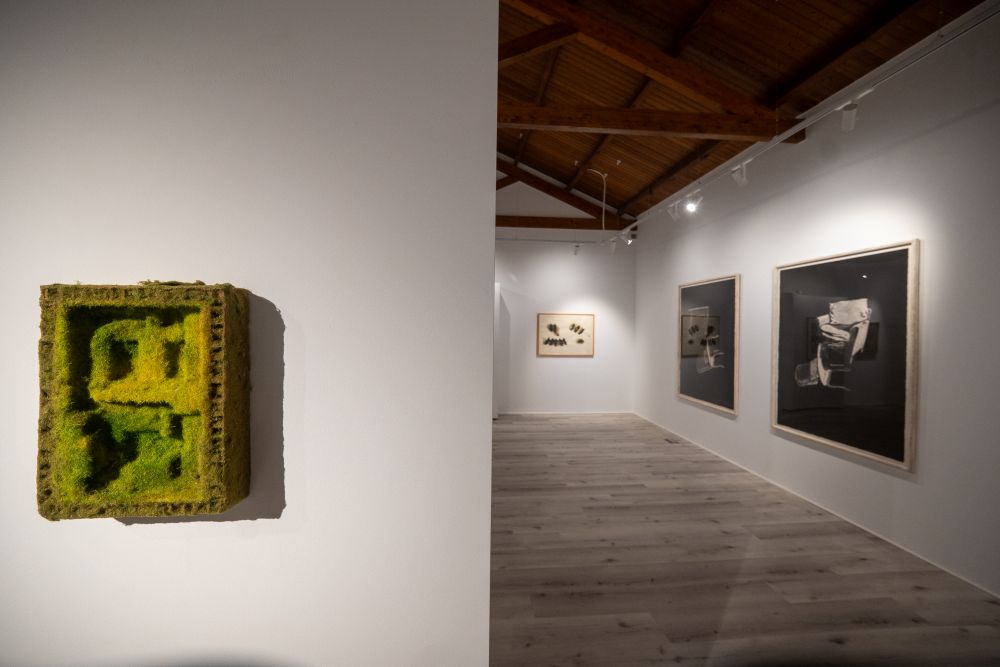
North. Robayera Room. Miengo, Cantabria
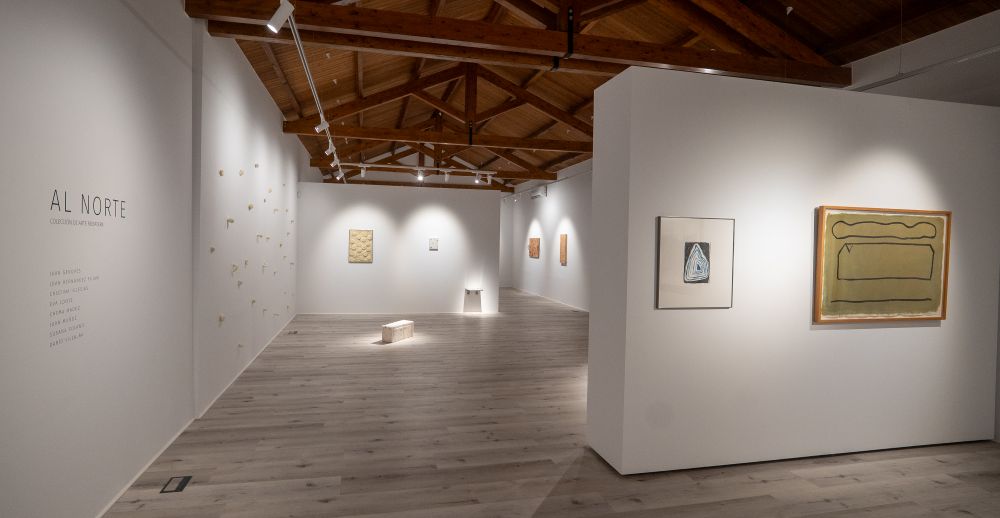
North. Robayera Room. Miengo, Cantabria
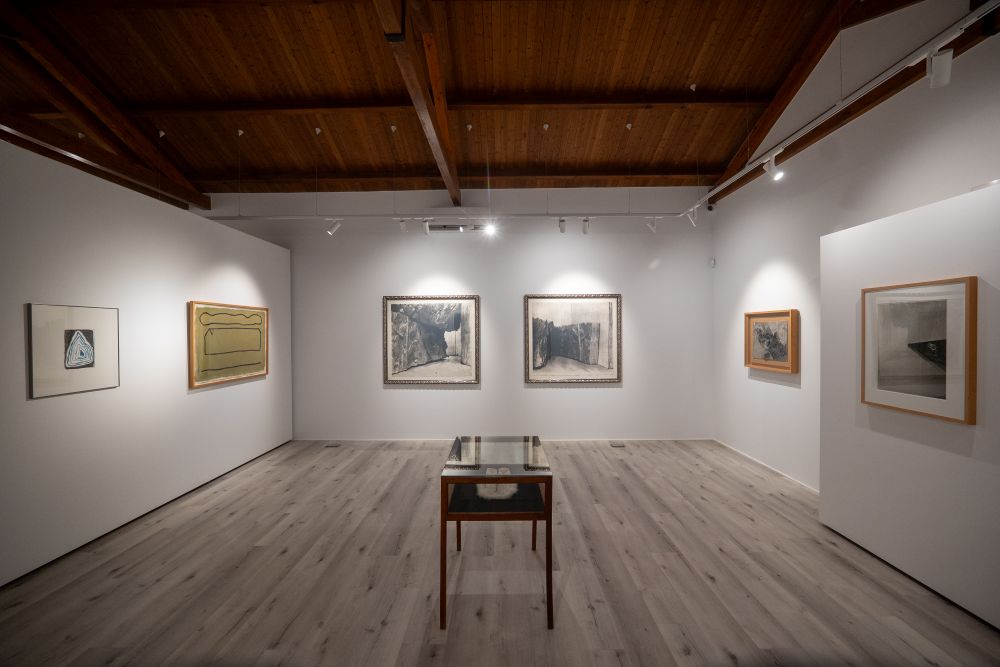
North. Robayera Room. Miengo, Cantabria
«c3au. MANUEL MINCH»
“NORTH”
ROBAYERA ROOM
Old Schools
El Castro neighborhood, Cudón
Cantabria
From September 19 to October 30, 2026