Troyes (Aube). “Passavant li meillor!” »: the title surprises, challenges. This bellicose rallying cry, chanted by the troops of the counts of Champagne, immediately transports the visitor into the Champagne Middle Ages, at a time when the county was among the most powerful principalities in Europe. “ This is the first such important exhibition devoted to the history of the county of Champagne, and God knows how much it counted and shined between thee and the XIVe centuries”, recalls its commissioner Nicolas Dohrmann, director of the Aube Archives and Heritage. From the lineage of the Counts of Champagne from the end of the 10th century to the official attachment of the county to the Kingdom of France in 1361, the story told by the City of Stained Glass is dense. Especially since the exhibition has favored an exhaustive approach to retrace these four centuries of history, at the risk of sometimes harming its accessibility. Construction of the princely state, exercise of power, administrative and economic system, social organization, cultural influence…: if the richness of the content and its scientific quality are undeniable, the accumulation of information tends to take precedence over the presentation of a museographic story.
View of the exhibition “Passavant the best! » at the Hôtel-Dieu-le-Comte in Troyes.
© Elsa Viollet / Aube departmental archives
A journey that opens between archives and reliquary
The introduction turns out to be particularly demanding: a multitude of seals and archival documents, punctuated with very extensive historical friezes, maps and genealogical trees. These sources, much more abundant than everyday material testimonies, are certainly very valuable for understanding the count’s mode of governance, but resonate more with history buffs than the general public. A few precious objects, however, stand out from the rest: a spectacular reliquary of the Holy Sepulcher, coming straight from the cathedral of Pamplona, illustrates all the finesse of the goldsmithing of the second half of the 13th century.
View of the exhibition “Passavant the best! » at the Hôtel-Dieu-le-Comte in Troyes.
© Elsa Viollet / Aube departmental archives
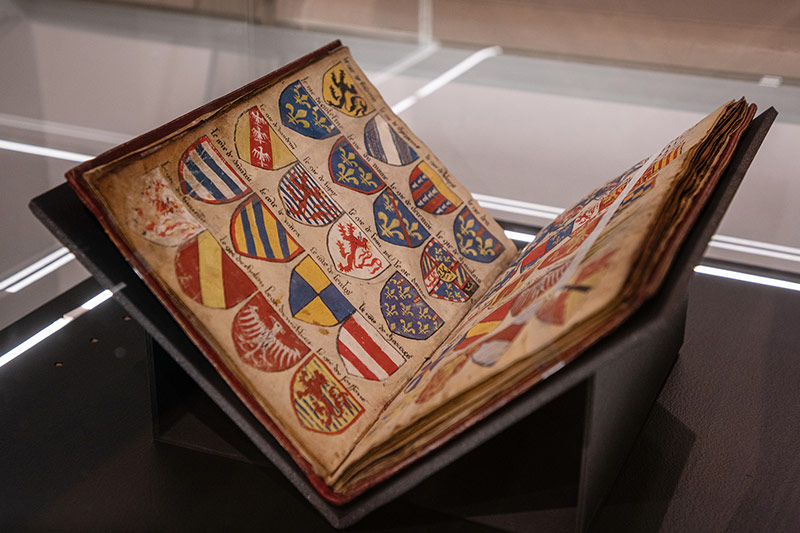
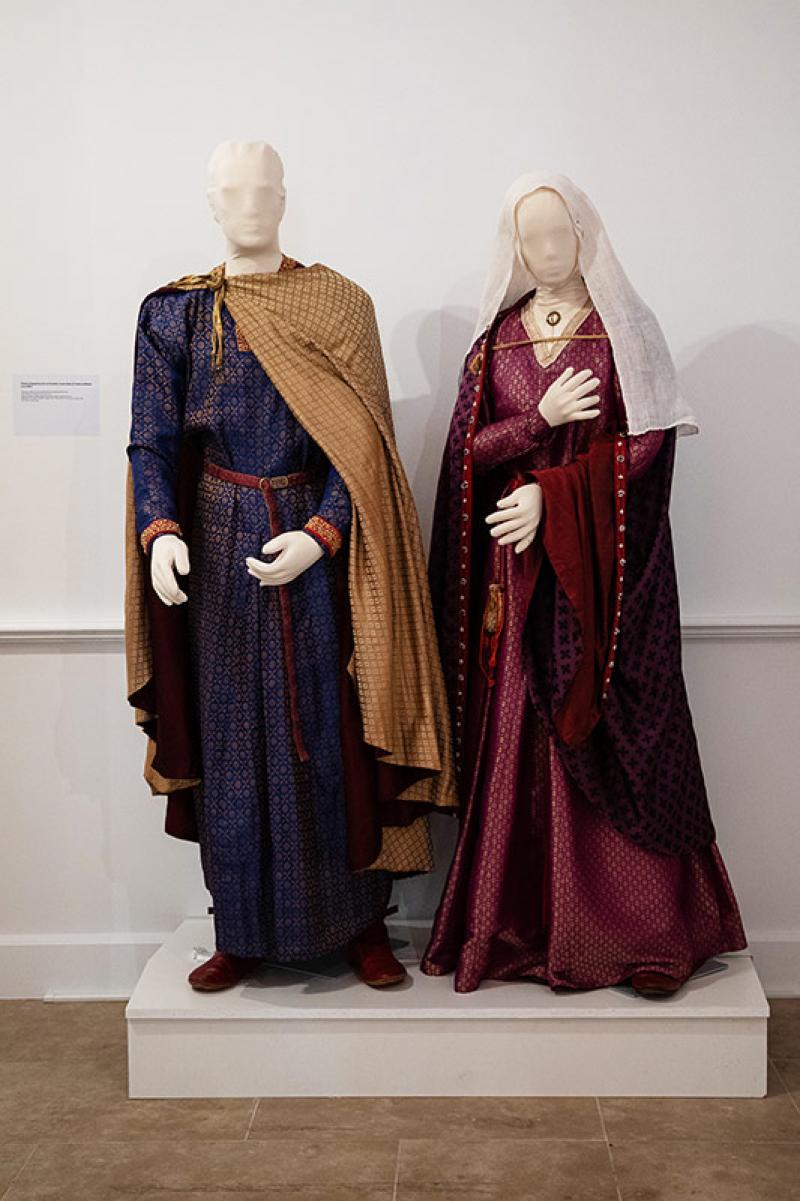
The route becomes more accessible as it addresses the diversity of Champagne society, highlighting lesser known aspects such as the protection of Jewish communities or the importance of women within the county. While an armorial records several great lords of the county from the end of the 13th century, a fragile altar facing embroidered with silk and silver thread attests to the importance of religious worship. But it is especially the last rooms which attract attention thanks to a remarkable selection of goldwork, enamelling and illuminated works from the library of Henry I the Liberal. The vitality of Trojan artistic creation reaches its peak in glass production, as evidenced by the exceptional set of eighteen glass panels from the 12th century, dispersed over time and brought together here for the first time. A real treasure which concludes the exhibition with a more convincing impression.
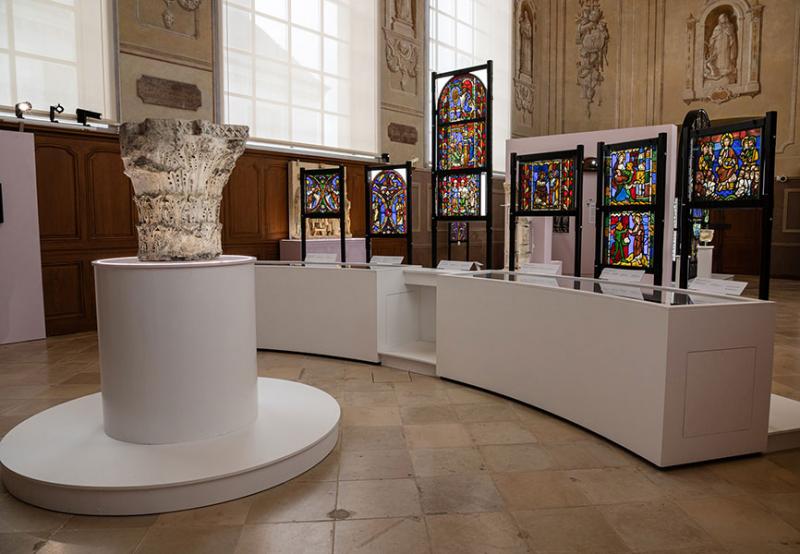
View of the exhibition “Passavant the best! » at the Hôtel-Dieu-le-Comte in Troyes.
© Elsa Viollet / Aube departmental archives