Paris. Apart from a few enthusiasts, few visitors have the patience to look at showcases of musical instruments, even if they would be Stradivarius. This observation guided the redevelopment of the journey of the Paris Music Museum, according to its director Marie-Pauline Martin. She adds that the new course retains several pre -existing sections, which have simply been revised: the instrument windows are still present, but the cartels have been modified for more details on the context (and sometimes on the provenance). The section devoted to the first electronic music also displays a scenography dated as concedes the director. The route highlights the aesthetic qualities of the instruments, in the spirit of the original journey of the museum, as Alexandre Girard-Muscagornry, heritage curator and scientific coordination in the museum specifies.
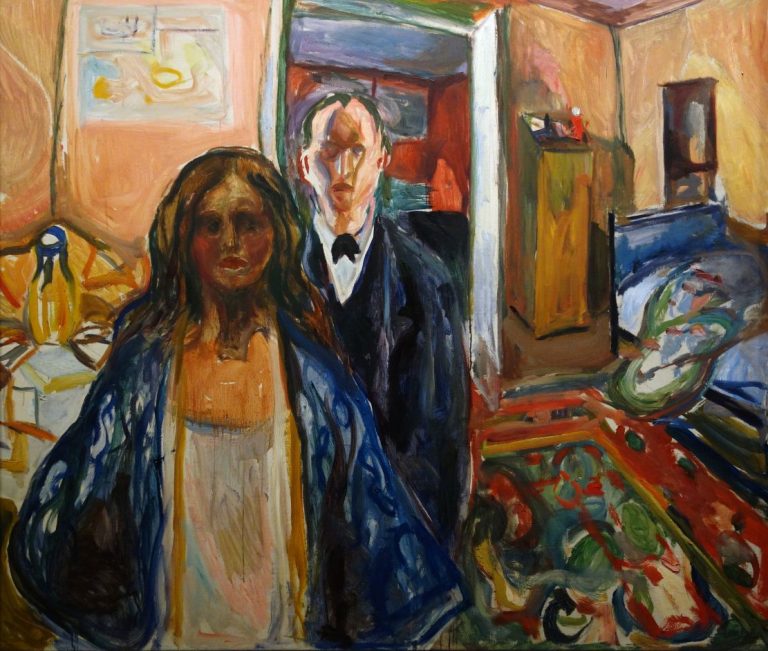
Curves of violins and guitars, geometry of the keyboards of the 17th and 18th centuries, curves of the drums are exposed in windows which allow to see the back and the bill. Marie-Pauline Martin insists on the need to show “The work of instrument factors” With molds, cabinetmaking tools, archive photographs, and windows devoted to materials (wood, ivory, mother -of -pearl, metals). Tactile tables allow the visually impaired to discover the shape of a violin or to test the sound of the Xylophones of West Africa. The centerpieces of the course remain the keyboards with painted 17th century decorations, of exceptional quality: one of them is also classified “national treasure” and attracts musicians from all over the world wishing to play it, according to the director. In dialogue with these clavecins, canvases of a dead nature loaned by the great French museums reveal the links between music and fine arts, “Because it is important to show the aesthetic context and register the instruments in a specific historical moment”, According to Alexandre Girard-Muscagornry. A particular care given to lighting highlights the colors and patterns of the keypieces, which have become sculptures.
Extra-European openings
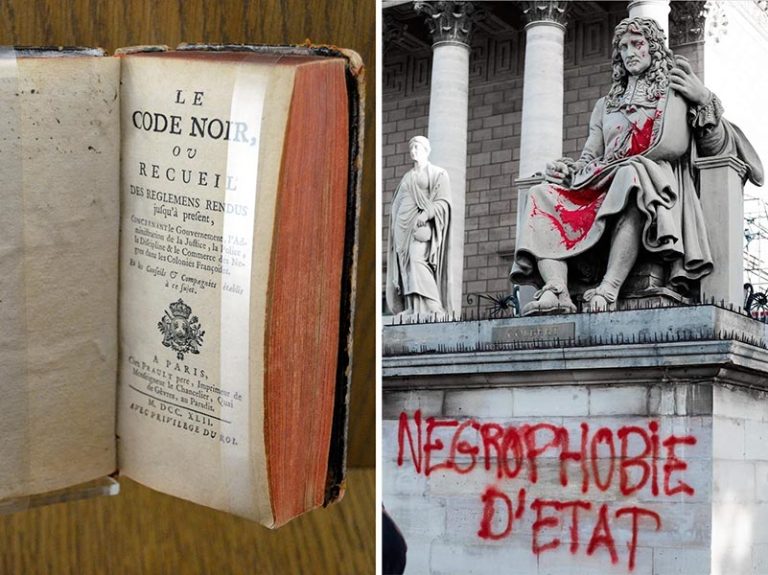
Each section integrates as much as possible non -European instruments or objects, in order to show reciprocal influences from the 17th century: Turqueries, Chinoiseries and Orientalist paintings thus illustrate cultural exchanges linked to colonization. These “crossroads” are new and accentuate openness to non -European cultures. Judiciously chosen contemporary works complete this opening approach (Romeo Mivekannin, Sammy Baloji). The museum director stresses that the room texts and the cartels have been rewritten in the same spirit, that of “ cultural archipelagos » Theorized by Édouard Glissant and the thinkers of the postcolonial movement. Transatlantic slavery, universal exhibitions and orientalism are treated by touches over the course, first chronological to become thematic in its last third.
The latest rooms dealing with extra-European music have been completely redesigned, and a modified title: “We have gone from world music to music and worlds, always in the spirit of slippery, that is to say without prioritizing”, explains Marie-Pauline Martin. Drums, banjos, blues record pockets and African lamellophones (Sanza) give a global and globalized aspect to this course. A magnificent gamelan (Instrumental Indonesian set) dating from the Universal Exhibition of 1889 constitutes the highlight of this section which ends with an installation of tambourines decorated with calligraphy (NJA Mahdaoui). For a music museum, we note that few sound works dot the route, because it can be visited with the audioguide which provides “Almost five hours of content”according to the director, who adds that musicians perform every day in the museum: instruments from around the world therefore come alive in the midst of the windows.