Malaga,
It is one of the largest private collections of contemporary art in Catalonia and in Spain as a whole: the Suñol Soler collection is made up of works by more than two hundred and fifty artists, mostly national artists with international projection. Through them we can trace a possible journey through contemporary creation in the last century: from 1915 to 2006.
Josep Suñol’s affection for the authors from whom he acquired work, and his confidence in their solidity, are behind many of this patron’s purchases; also their links with the gallery owners who have represented them, hence we can also read this collection as an exercise in both individual and collective memory. It was like this from the beginning: the beginnings of this collection have to do with the ties between Suñol and the gallery owner Fernando Vijande, more or less at the same time that the Barcelona businessman and lawyer commissioned Josep Lluis Sert to design his residence. Les Escaleswhich in addition to housing, would be a first exhibition and storage space for the works he treasured.
When the square meters were not enough, Suñol opened in 1979 what was then called Gallery 2a space in the Les Corts neighborhood that would end up housing what is now its foundation.
Now part of his pieces, a selection of those dated between the sixties and eighties, can be seen at the Carmen Thyssen Museum in Malaga: forty-five, among which the curators Bárbara García Menéndez and Alberto Gil have sought to highlight affinities in accordance with the relational ways of looking proposed in the Atlas Mnemosyne by Aby Warburg or the Musée Imaginaire by André Malraux. Precisely due to affinity, of another type, many correspond to Catalan authors.
The aim is not only for the public to know these pieces, but also to show as much as possible the ins and outs of the formation of a collection: to emphasize the purchase decisions and those of renunciation; in the attention to different languages that sometimes complement each other and, other times, contradict each other; in the points in common between the compositions of Spanish artists and those of foreign creators in the period of the dictatorship; in the possible coexistence of established figures and artists who were less so or whose careers would be more risky.
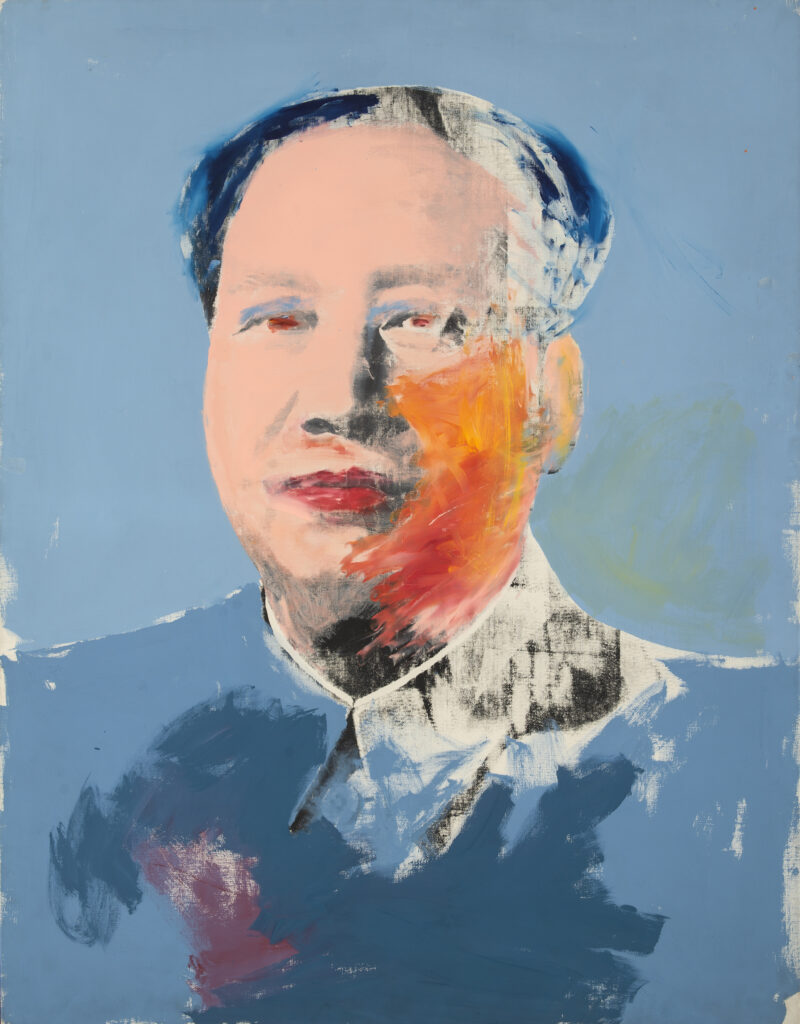
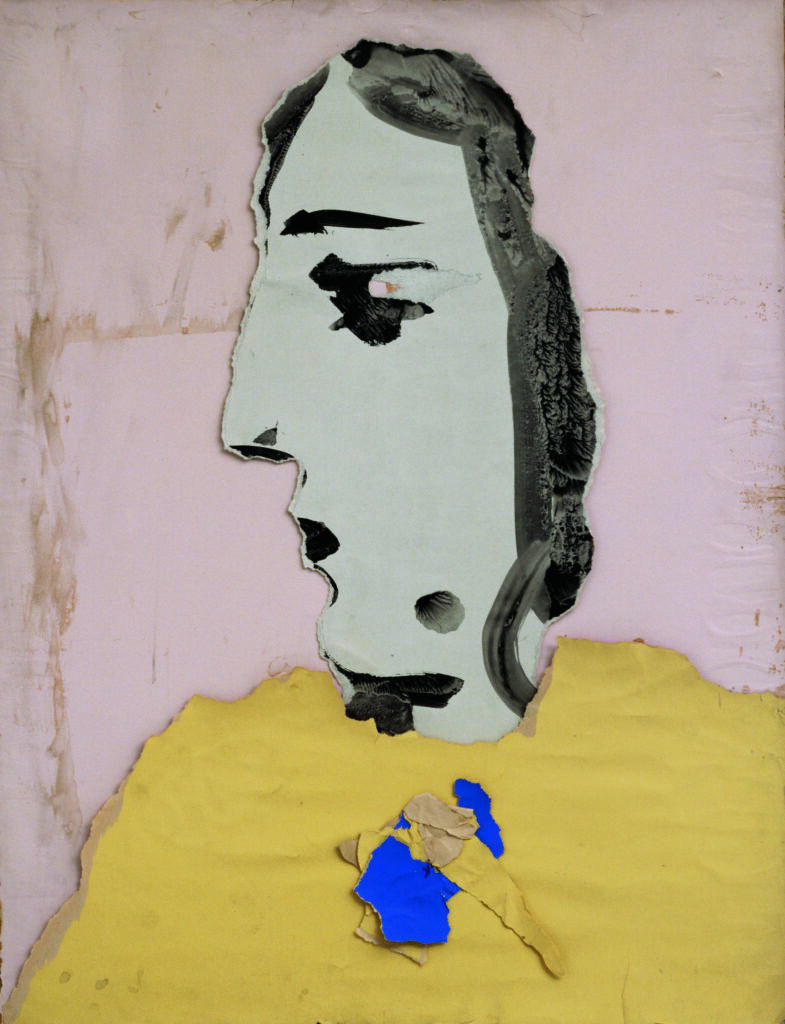
Five concepts articulate the journey, coinciding with the lines of force of the Suñol fund: the individual and his identity crises, nature as a constant source of inspiration, the essences of visible forms, signs as signals within the framework of a new visual language of communication and the primal material from which the works are born. Each section in itself has been presented autonomously, as a small exhibition within the whole; However, by reviewing them globally, we will be able to obtain this cartography of Spanish artistic modernity between the final stage of Francoism and the beginnings of democracy, between the crisis of informalism and the good moment of geometric and lyrical abstraction and pop influence, the liberated painting of the eighties – a few months ago, the protagonist of another exhibition in this same museum – and conceptual or neo-expressionist trends.
Among the thirty-five artists on stage, there is no lesser career: these are Carlos Alcolea, José Luis Alexanco, Jean Arp, Max Bill, Georges Braque, Ian Breakwell, José Manuel Broto, Carmen Calvo, Rafael Canogar, Eduardo Chillida, Modest Cuixart, Luis Feito, Ferran García Sevilla, Luis Gordillo, Giorgio Griffa, Carles Guerra, Josep Guinovart, Joan Hernández Pijuan, Antoni Llena, Robert Llimós, Eva Lootz, Christopher Makos, Fina Miralles, Joan Miró, Pablo Palazuelo, Picasso, Ràfols-Casamada, Manuel Rivera, Sean Scully, Susana Solano, Antoni Tàpies, Jordi Teixidor, Darío Villalba, Andy Warhol and Zush.
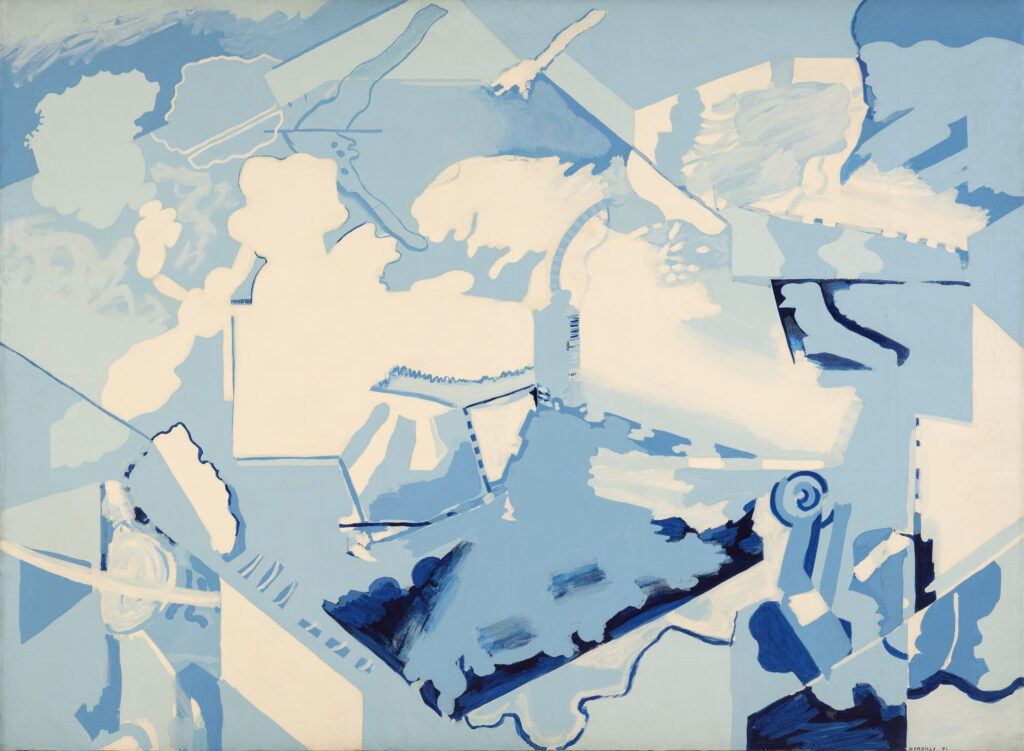
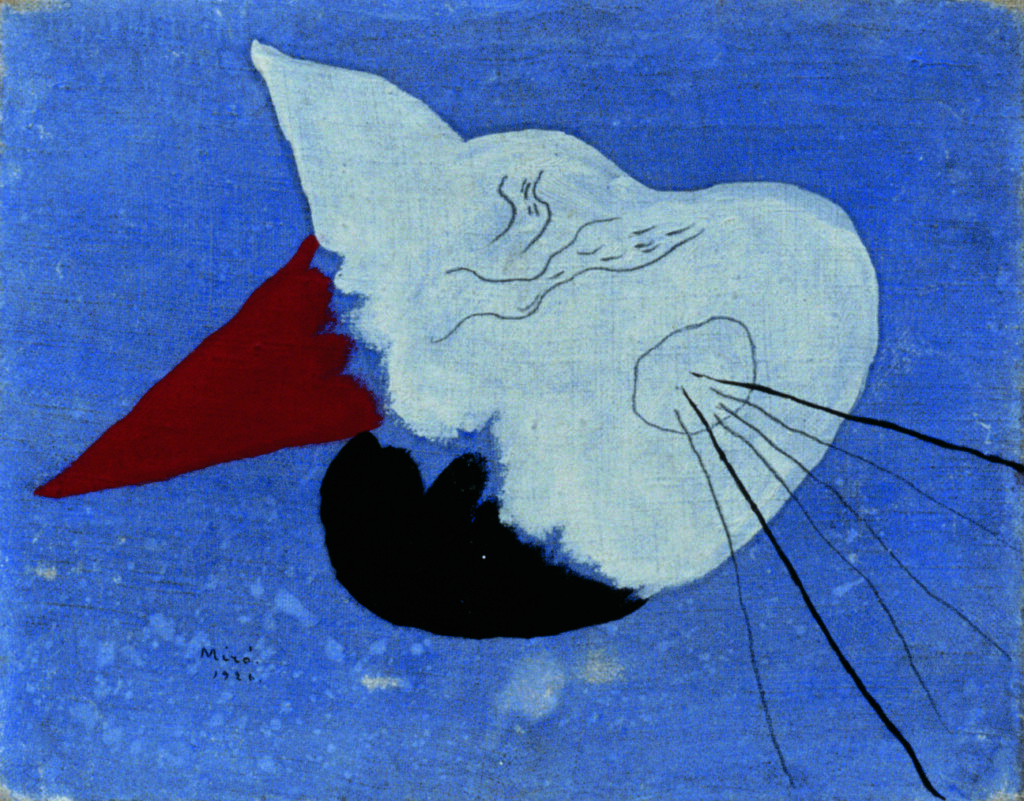
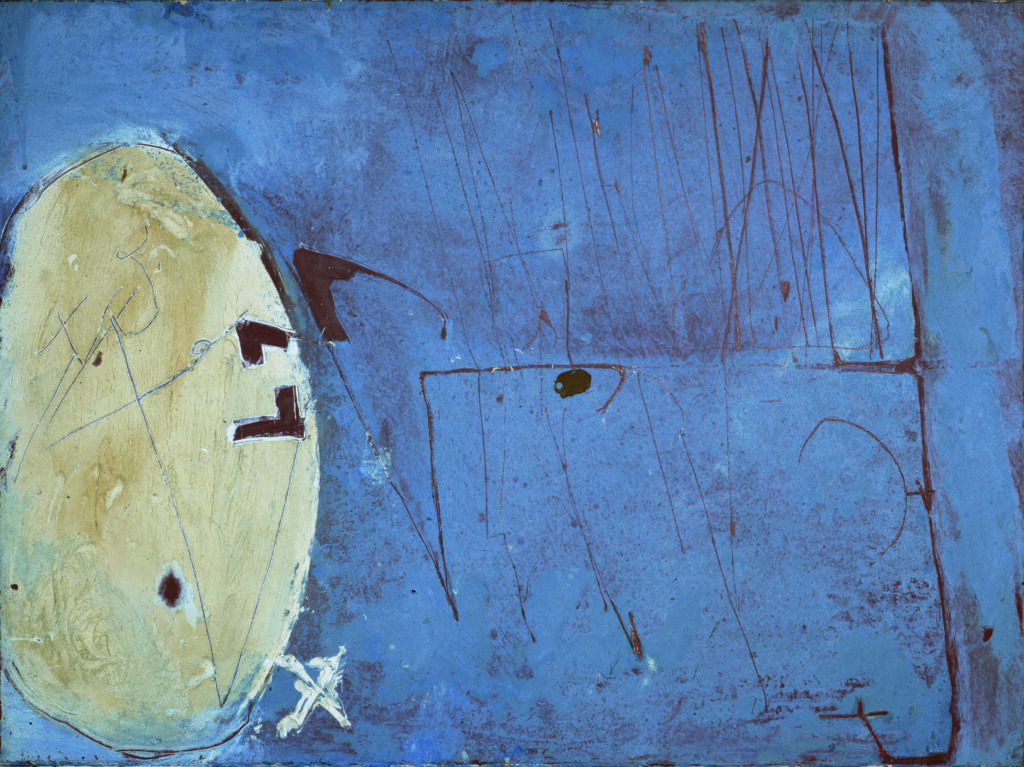
“Archipelago. Imaginary cartography of the Suñol Soler Collection (1960-1980)”
CARMEN THYSSEN MUSEUM
C/Company, 10
Malaga
From March 28 to September 6, 2026