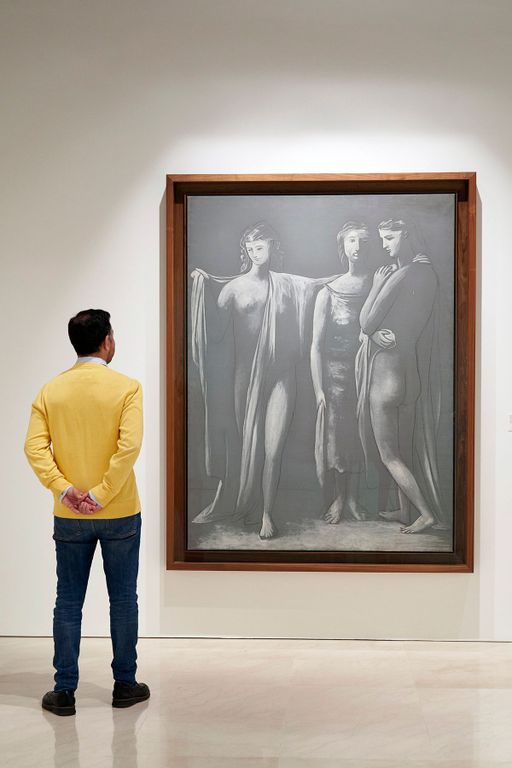
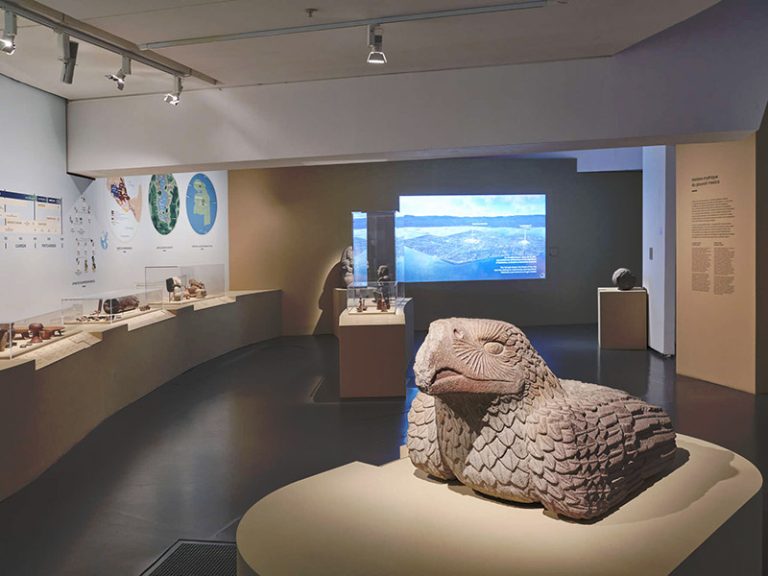
A few days after we learned that the winner of this year’s National Fine Arts Prize would be Pilar Albarracín for a work that, time and again, and from an ironic point of view, has critically reviewed the clichés associated with Spanish, the Carmen Thyssen Museum in Malaga gives us the opportunity to continue delving into the deep relationships between art and the myths that populate that imaginary in an exhibition of which, precisely, this Huelva author is a part.
«Olé! The myth of the Spanish through Andalusia” is one of the most notable exhibitions among those that this center has programmed to commemorate its three decades of history: it examines how certain images linked to Andalusian traditions, folklore and popular culture have been the germ, since the 19th century and also in the 20th and 21st, of recurring stereotypes. Initially, foreign travelers who in the Romantic era visited mainly in the south contributed decisively to its diffusion, with a particularly open view of the exotic or less European side of what they saw: their notions of what was Spanish would have long continuity and, as we know, they have not been diluted even though they have been openly questioned in the last half century.
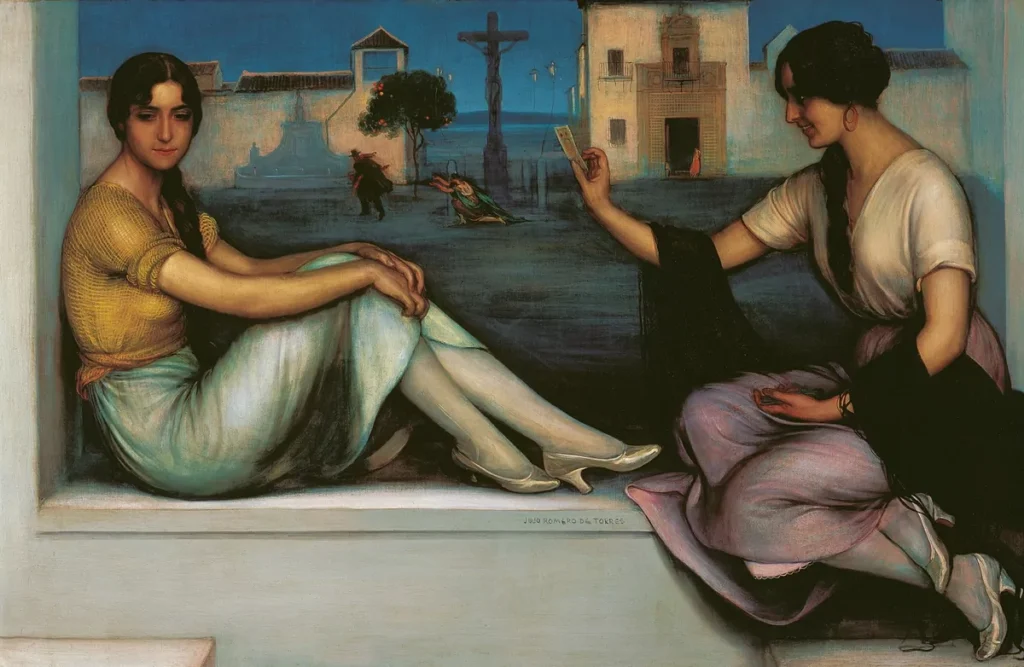
Julio Romero de Torres. The Bonaventure1920. Carmen Thyssen Museum Málaga
This exhibition, curated by the museum’s curators Bárbara García and Alberto Gil, travels to the origins of these myths and reviews their validity based on seventy-five works by fifty authors, mostly Spanish, in the face of evidence that other people’s visions have been inserted into their own in the same way that the perception of others about each individual determines their own. The treatment of these typisms will necessarily be diverse, from Goya to Picasso and from Zuloaga and Romero de Torres to Equipo Crónica: we will see paternalistic and critical, kind and somber, realistic or idealized approaches; almost always, yes, devoid of prejudices and tending to challenge established beliefs.
Black and white Spain, rather than opposing each other, are seen as two sides of the same coin, just as tradition and the modern, what is considered official and what is disruptive, or Andalusian joy and sentimental drama are not so far apart: paintings, drawings, engravings, photographs and sculptures show that Spanish artists used all expressive techniques to give shape to the myth; also that more readings are possible than folkloric ones before mantillas, guitars, dancers and bullfighters.
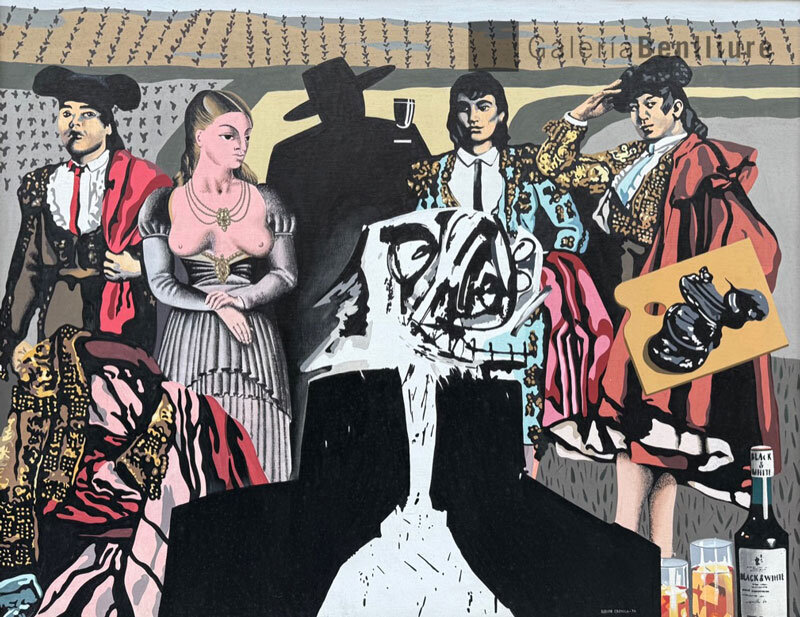
Chronicle Team. Bullfighter picnic1974. Fernando Saludes Collection. © Equipo Crónica, VEGAP, Málaga, 2026
The itinerary of this exhibition does not intend to offer a compilation of Andalusian iconography converted, with the passing of decades and brushes, into metonymy of Spanish, but rather to invite the visitor to become aware of the extent to which universal myths about national identity have been based on these motifs and how this consolidation of images has had its reflection and also its means of dissemination in art itself.
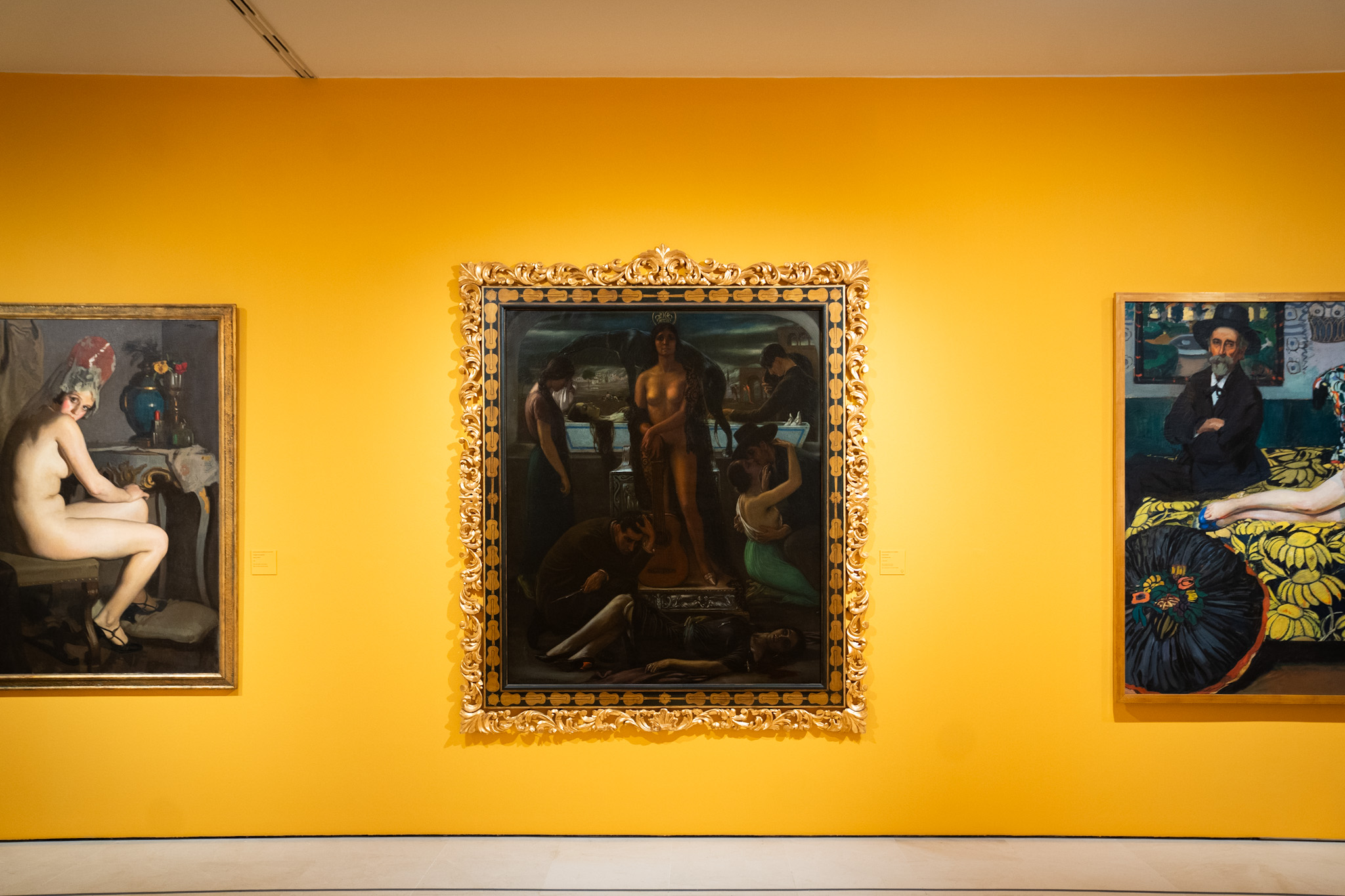
Hey! The myth of Spanish through Andalusia. Carmen Thyssen Museum Malaga
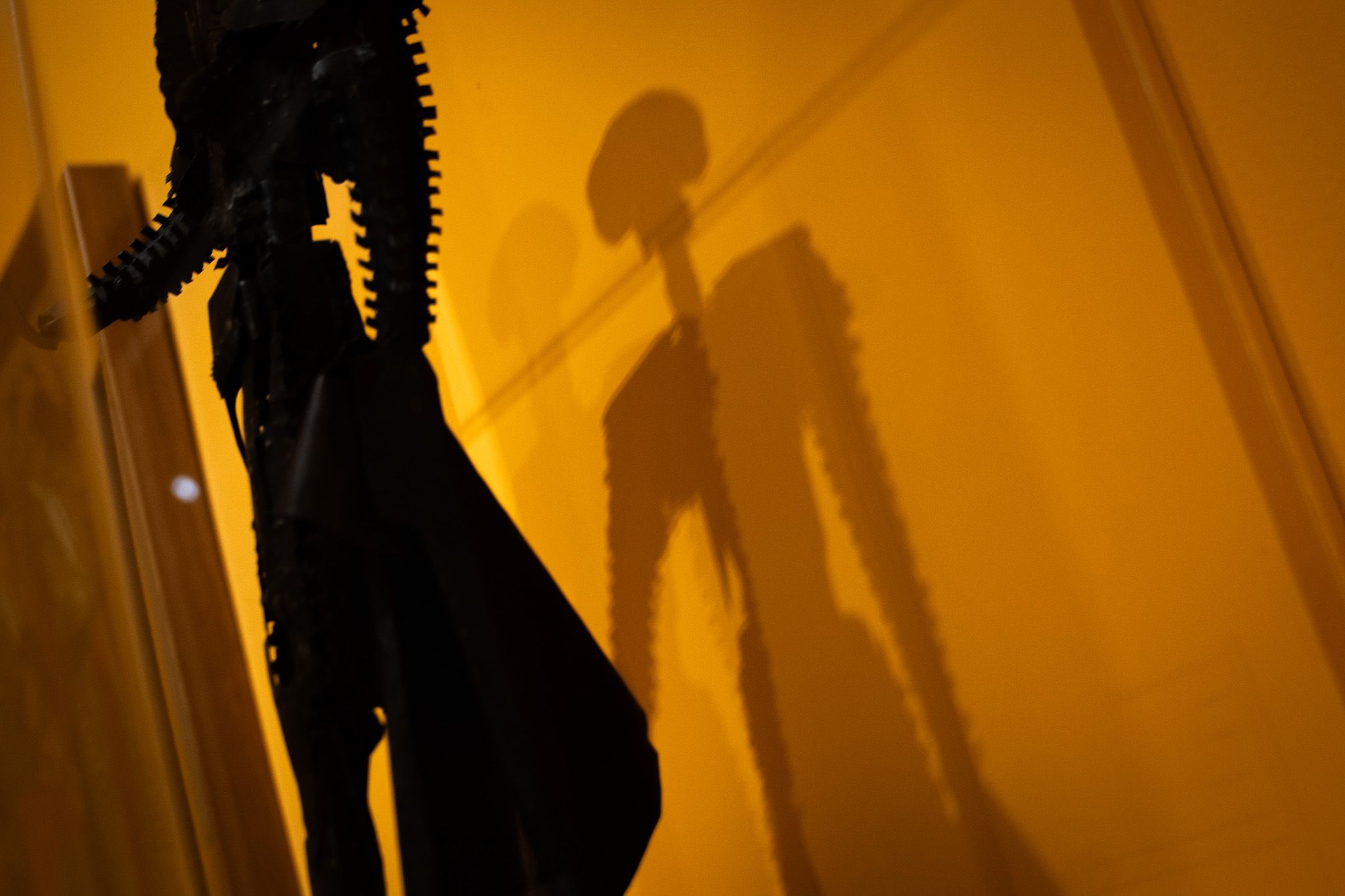
Hey! The myth of Spanish through Andalusia. Carmen Thyssen Museum Malaga
It is known that the permanent collection of the Thyssen in Malaga includes a very large number of compositions linked to these typical traditions, customs and festivals – by Ramón Casas and Domínguez Bécquer y Sorolla – but the purpose sought in this exhibition has been to broaden perspectives towards the formal and conceptual renovations that, around that same theme, were applied by Goya, Zuloaga, Gutiérrez Solana, Romero de Torres and López Mezquita; then Saura, Pablo Picasso, Miquel Barceló or Juan Barjola, from avant-garde perspectives; and, finally, Gregorio Prieto, Eduardo Arroyo, Equipo Crónica or the aforementioned Pilar Albarracín, without fear of parody. Among the foreigners gathered who passed through our country and gave an account of its impact, we can mention Sonia Delaunay, Mary Cassatt, Francis Bacon or Francis Picabia.
The montage has not been deliberately structured into sections, to favor relationships between the views of 19th century authors and contemporaries and perhaps to deliberate on the contradictions – very present – of stereotypes. In addition to pieces from its own collections, we will see them on loan from the Prado Museum, the Reina Sofía, the Fine Arts Museums of Granada, Seville and Bilbao, the Sorolla Museum, the Valencian IVAM, the Julio Romero de Torres Museum in Córdoba, the Costume Museum, the Patio Herreriano in Valladolid, the Foto Colectania Foundation, the Fundació Suñol or the Banco Santander Collection, among others.
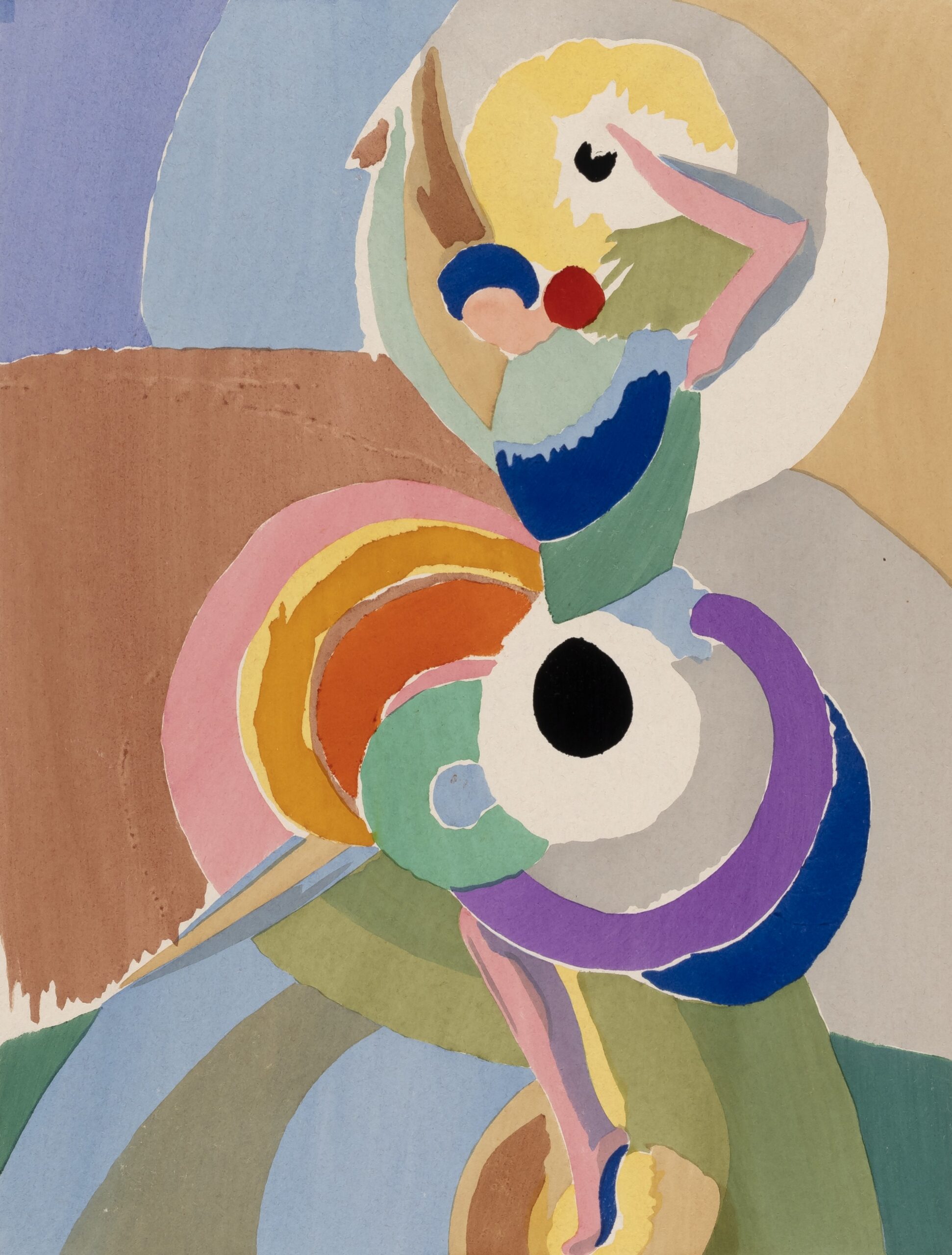
Sonia Delaunay. Flamenco dancer1916 (1924). Museum of Fine Arts of Bilbao. Acquired in 2021
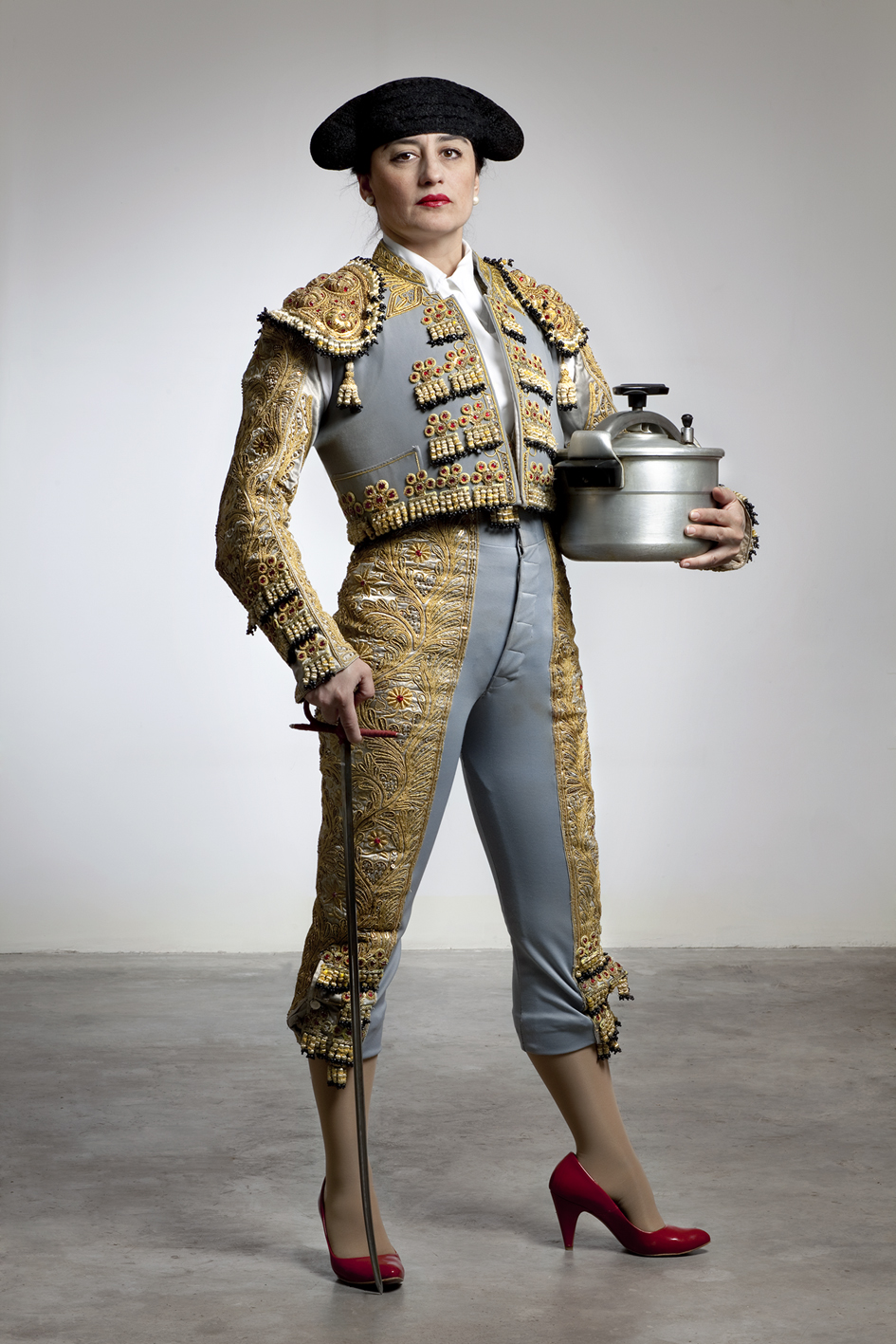
Pilar Albarracín. Untitled (Bullfighter), 2009. Private collection. © Pilar Albarracín, VEGAP, Málaga, 2026
«Olé! The myth of Spanish through Andalusia»
CARMEN THYSSEN MUSEUM MÁLAGA
C/Company, 10
Malaga
From October 3, 2026 to February 21, 2027