THE Museum Directors Research 2026published by the Art Fund association in May, established a worrying observation. Staff shortages are now the number one challenge for museum directors in the UK. This survey, conducted among 329 directors of cultural institutions between January and March 2026 by the consultancy firm Wafer Hadley, combines quantitative and qualitative data.
Most institutions operate with too few staff, and these staff are under-resourced. This shortage of staff has supplanted the traditional concerns of the sector, even ahead of building maintenance. The impact is particularly measured in the area of collections. When directors are asked about obstacles to their programming, 85% cite team size and capacity as the main barrier, well ahead of budgetary constraints at 67% and lack of specialized expertise at 23%.
Wage inflation does not benefit everyone. The increase in the national minimum wage has forced many institutions to concentrate their room for maneuver on the lowest paid positions, sacrificing the upgrades of management teams and specialists. A director testifies: “For the last two years, we haven’t been able to give our management team an upgrade, because we had to focus on everyone below first”.
Funding for operating costs is not keeping pace with rising costs, leaving institutions unable to fund new positions. Subsidies from local authorities have decreased or stopped completely for 45% of the institutions concerned between 2024-2025 and 2025-2026.
These staffing problems result in a contraction in supply. More than a third of institutions have reduced or plan to reduce their opening hours. Same trend for exhibitions. More than a third of museums have reduced or are considering reducing their annual programming. 44% of directors report an increase in total visitors in 2025-2026, compared to 57% in the 2024 survey, while a fifth of institutions report a decline.
In Northern Ireland, a museum director under a local authority reports an embargo on permanent recruitment in force for eleven years, reducing his workforce to five people out of a theoretical team of twenty. In Wales, a local museum saw all its specialist positions disappear, leaving only a director and an assistant curator who was forced to also take on marketing responsibility.
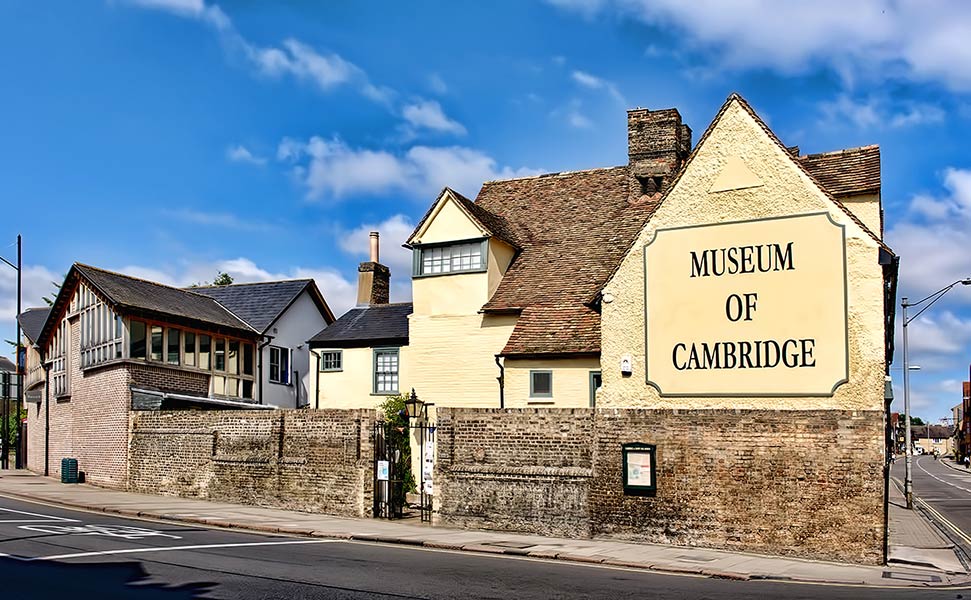
Even national institutions are not immune to this dynamic. The National Gallery in London launched a voluntary redundancy plan for its 500 employees in February 2026 to face a projected deficit of 8.2 million pounds sterling (9.4 million euros). The Museum of Cambridge has cut its staff by a third and can now only open four days a week instead of six. The transfer of the Ironbridge Gorge Museum Trust to the National Trust has resulted in the loss of 47 positions out of the 184 staff involved in the transition.