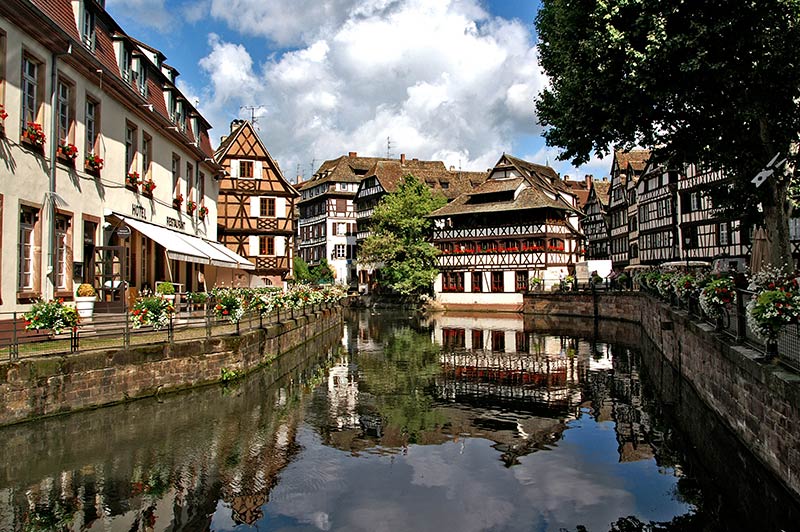
Strasbourg. Elected in 2020, Jeanne Barseghian announced in the fall of 2025 that she was a candidate for a second term, while praising her political record oriented towards ecology. If culture was not a central subject of its electoral program, it became one during its mandate: major works in museums, construction of new media libraries, plan for reading (“Strasbourg Book Capital 2024”), subsidies for cultural operators… The municipality highlights the increase in the budget devoted to culture since 2020, which reaches 16% of the total budget, as well as the amount per inhabitant: in 2025, the City devoted “347.9 euros per year and per inhabitant” to culture according to the town hall, the amount“the highest among cities with more than 150,000 inhabitants” (Strasbourg has 290,000 inhabitants). In Montpellier (320,000 inhabitants), the municipality reserves, for example, 4.36% of its budget for culture.
Jeanne Barseghian.
© Greenbox
In 2025, Strasbourg allocated 101.5 million euros to culture, down slightly compared to 2024 (102 million), but up compared to the previous five years: in the long term, the mayor has therefore consolidated her support for the cultural sector, which is confirmed by the culture budget for 2026 with 102.4 million. For comparison, the City of Marseille had a budget of 111 million euros for culture in 2025, for three times as many inhabitants (880,000). Strasbourg therefore has a significant budget for its cultural policy, and the mayor’s mandate was marked by large-scale projects including the complete renovation of the Zoological Museum which reopened in September 2025, to which the City contributed 3.18 million euros. Associated with the Eurometropolis, the City also participates in numerous cultural projects, including a support fund for cultural operators alongside the Regional Directorate of Cultural Affairs (Drac), the Region and the European Community of Alsace (€9 million per three-year period).
Culture: a smaller environmental footprint
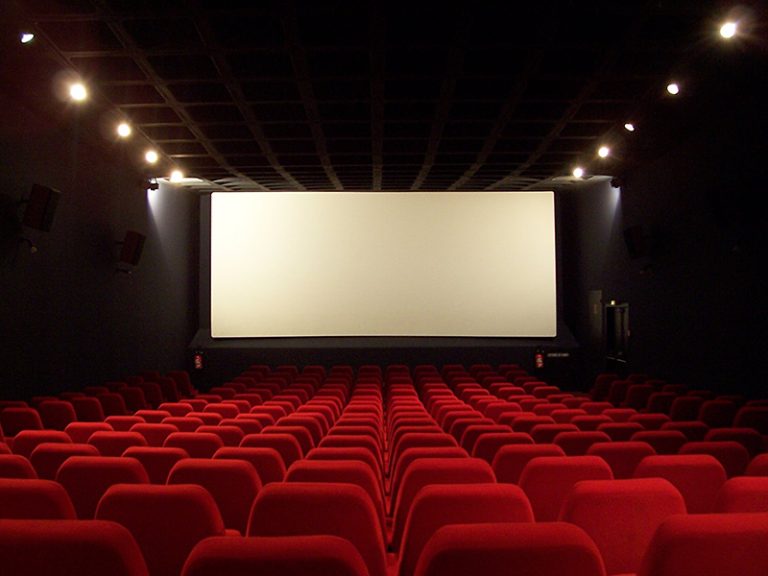
Has the mayor’s political affiliation influenced her cultural policy? Its ecological commitment appears clearly in its management of housing and transport issues, but less so in the culture issue. If ecology is now a recurring theme in the cultural sector, the measures undertaken by Jeanne Barseghian show more of a classic left-wing orientation. For example, it launched a plan for municipal media libraries with the construction of new media libraries in priority districts of the City (Deux Rives), as part of major urban renovation projects which aim to revitalize outlying and disadvantaged neighborhoods for decades. Subscription to municipal media libraries as well as those of the Eurometropolis will be free from January 2026, a campaign promise in 2020. The “Strasbourg Book Capital 2024” event is part of the same perspective, promoting access to books and reading, but it has sparked strong criticism from the opposition because of its cost (€6 million over four years) and its effectiveness, which is difficult to measure. Strasbourg supports cultural establishments and operators under management, including eleven museums or monuments, around ten media libraries, a cinema (Star Saint-Exupéry), a concert hall (La Laiterie) and several exhibition venues. Since 2020, several of these establishments have benefited from renovation work, projects which the town hall specifies have sometimes been delayed “for several years or even several decades”. La Laiterie, an 870-seat performance hall, will be renovated and enlarged for an amount of 10.5 million euros, the Saint-Exupéry cinema will be completely renovated for 6.5 million euros by 2027, and the Alsatian Museum is under construction until 2027. For 2026, the town hall is announcing, among other things, the construction of a new visitor reception building, Place de la Cathedral and Castle Square, which will integrate the tourist office and the 5th Place, architecture and heritage interpretation center (the cathedral welcomes nearly 4 million visitors per year). Finally, Jeanne Barseghian maintained the City’s support for other cultural operators, in particular the European Center for Contemporary Artistic Actions (CEEAC), associations of amateur artistic practices and the Haute École des arts du Rhin (HEAR).
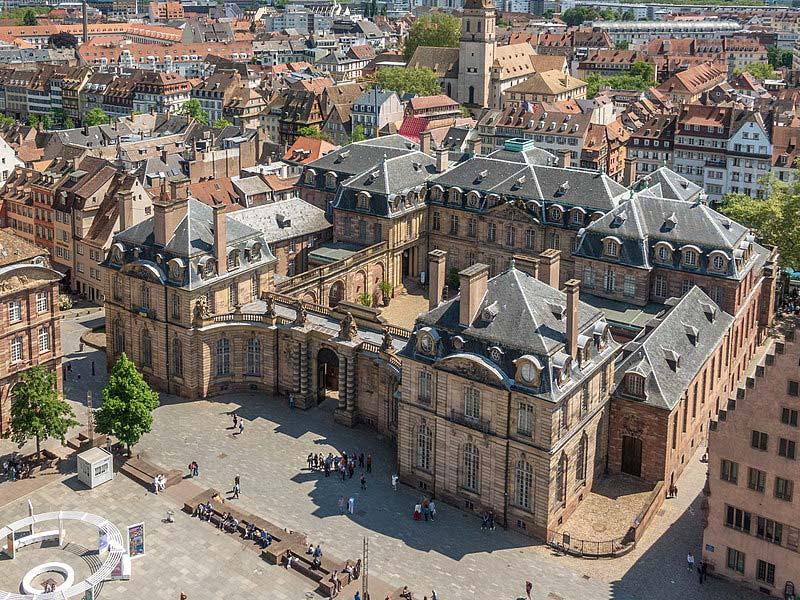
The Rohan Palace houses the museums of fine arts and decorative arts as well as the archaeological museum of Strasbourg.
Jeanne Barseghian committed during her election to maintaining the City’s cultural offerings, particularly cinemas and museums. However, the mayor encountered incomprehension from her constituents when she decided at the end of 2022 to close municipal museums two days a week and reduce opening hours. She cited the explosion in energy costs linked to the war in Ukraine and personnel problems, since municipal museums had lost around fifteen positions in a few years. Faced with reactions from the opposition, notably from former mayor Catherine Trautmann, and Minister of Culture Rima Abdul Malak, the mayor reversed course in March 2023 and set up a fund of 250,000 euros to recruit additional temporary staff. Concerning museums and monuments under municipal management, the mayor committed to launching an inventory with a view to a large-scale energy renovation, which gave rise to a work plan backed by part of the loan of 111.7 million euros intended for investments. Faced with the need to invest in renovation, the City has put in place a multi-year plan of 60 million euros for the period 2020-2025 “for the renovation or upgrading of cultural facilities”according to the town hall (in 2025, the amount committed was €11.4 million). Among the buildings which will soon benefit from a renovation, include the Palais des Fêtes (€11 million), the Tobacco Manufacture (€11.4 million) to create a branch of the Haute École des arts du Rhin and the Salon des Assemblies of the Palais Rohan (€1.8 million).
Debt that has doubled
Few cultural projects have attracted criticism from the opposition in substance, as the opposition instead attacks the mayor on the City’s debt which has worsened under her mandate (from €202 million in 2020 to more than €400 million estimated in 2026) and on questions of subsidies. In 2023, the municipality has temporarily reduced the subsidies allocated to the Opéra national du Rhin and the Philharmonic orchestra, but the mayor communicates on “exceptional grants” which were subsequently allocated to them in 2023 and 2025. Some files, however, remain pending, in particular the work at the Opéra national du Rhin supposed to begin in 2028. Estimated to cost more than 120 million euros, they have been delayed for several years. The City contributed 1.6 million euros to the preliminary studies, and should finance around 40 million euros out of the 120. If she is re-elected, Jeanne Barseghian will therefore still be faced with significant investments in the cultural sector in a context of massive debt for the City.
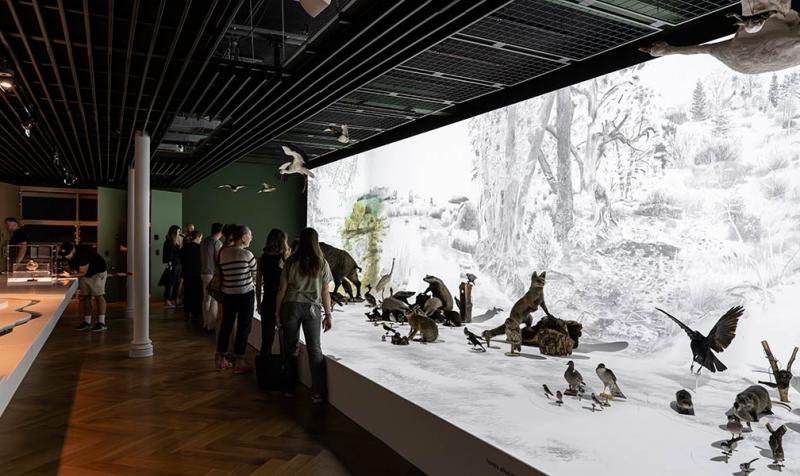
Renovated room of the Zoological Museum.
© M. Bertola / Strasbourg Museums