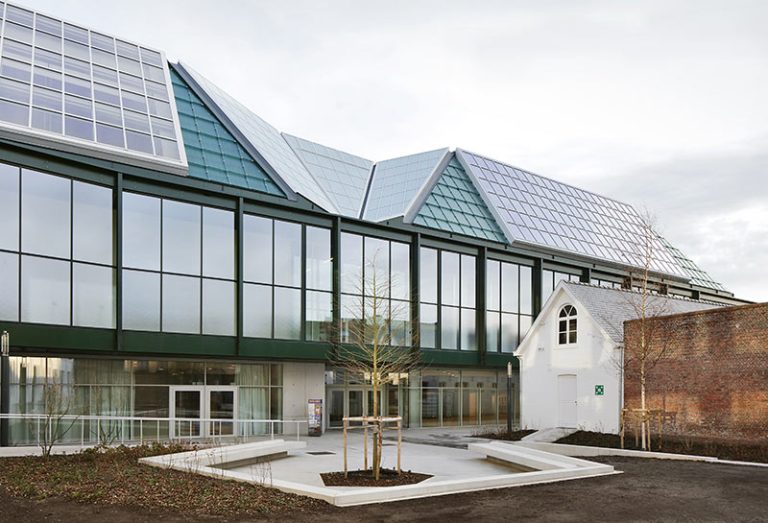
Thirty-four years ago, in 1992, Concha García presented, around the same time and at the Siboney Gallery in Santander, an untitled exhibition, but with a complementary publication, in which the artist, born in the city, presented some of her reflections on what it means – and what it does not mean – to remember: Memory is not the objective record of past events. It is not rational or intellectual. It is essentially unfaithful and subjective.
The exhibition that this author offers, starting next August 8, at the Sala Robayera in Miengo, is called, returning to those ideas, “The unfaithful memory” and insists on the close relationship of her work with this concept, a bond of sentimental overtones and focused on the desire to preserve what is valuable and loved from the past and present: in this Cantabrian space, recently expanded when it adds thirty-seven years of history, we will be able to see two sets of works, linked respectively to the recovery and transmission of her family legacy through the registration and inventory of objects and the artisanal and ancestral ways of making in the Mediterranean and in Castile. Thus, it has brought together pieces that refer to the classical, Greek and Roman history of Malta – where a part of these creations has already been seen, in the Spanish Pavilion in its Biennial -, and to the popular ceramics developed by the Valladolid potters of Portillo.
No matter how unfaithful, subjective or diffuse memory may be, the artist seems to want to express, resorting to it is inevitable because it is found in the substrate of what we are and do, in a very patent and concrete way in her own career. Almost all the themes and manners of his and everyone’s art spring from yesterday and not from pure invention, and oblivion has rarely been a source of innovation, but rather, as Fernando Zamanillo emphasizes in the texts that complete this proposal, of suffering.
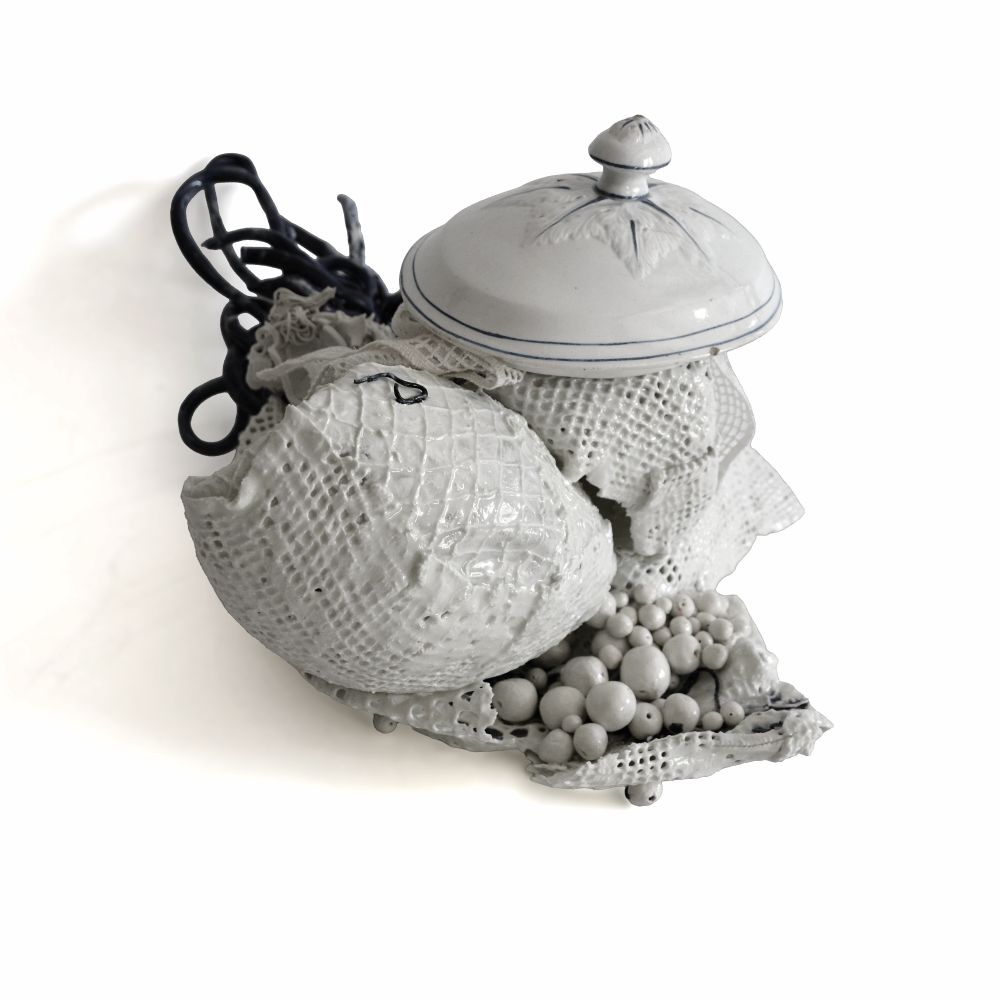
Concha García. Unfaithful memory. Robayera Room, Miengo
From memory arise the affections that art collects and stimulates, like the broken pieces that Concha García recomposes in her vessels, at once new and old, or like the papers or fabrics to which she grants the solidity of porcelain. Rather than recovering belongings that were left behind, it seeks to reshape a general landscape, including its tones, such as the green that defines its region. It took a while for this genre to be introduced into her production, but she confessed, for another recent exhibition in Cabo Mayor, that she had made it her own, in her own personal way, with emotion: I remember my childhood among greens, very intense greens. And as a painter, green is an absolutely terrifying color for me… It is undeniable that the landscape in green is like a small wound on me. Well, in the face of adversity, there is nothing better than facing it. And here I am, walking around with the landscape in green.
It is part of the past brought to the present that also nourishes his engravings, drawings, furniture or installations. Those now compiled in Miengo seem to share with the same fruits of memory a veil that insists on their fragmentary, incomplete or evanescent character; Laura Cobo points out, as if they could still disappear.
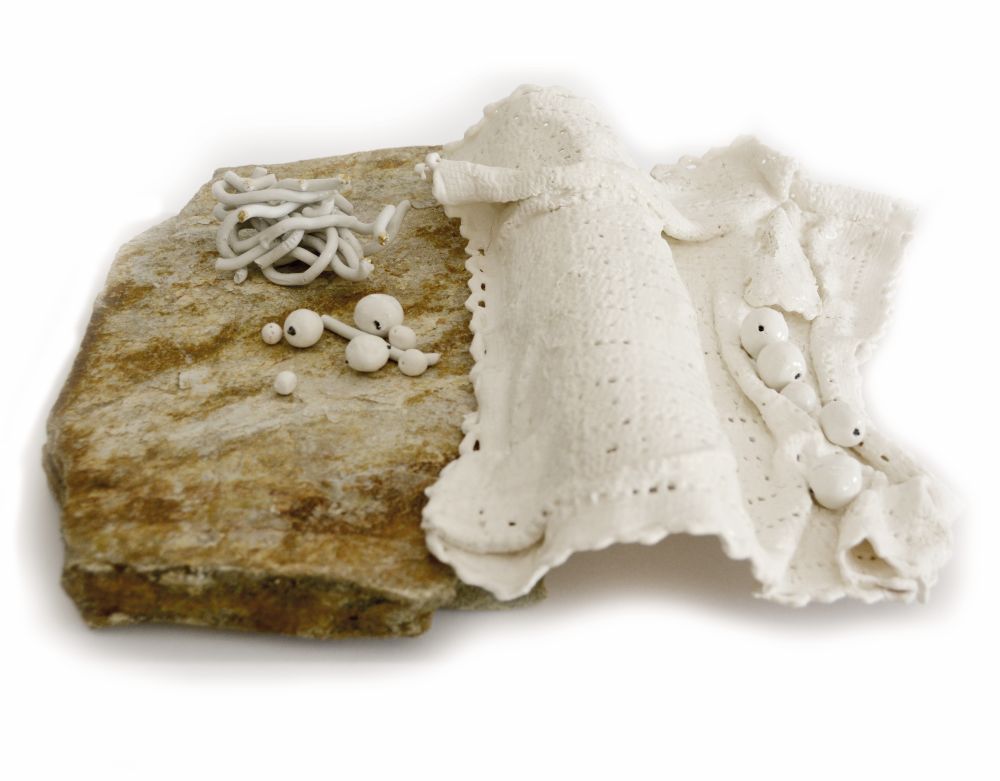
Concha García. Unfaithful memory. Robayera Room, Miengo
The series Vessels of silence It consists of molds found in the attic of a Portillo pottery that still bear the imprint of a craft passed down for centuries. Long forgotten, and in theory useless, García seems to have translated them to our time, recovering and offering unpublished readings through today’s reliefs inspired by those of before, without diluting their origin or their first hands. Those that probably shaped these pieces to store water, food, seeds, oils, ointments or ashes.
Today, closed to our gaze, we do not know what they protect, but our own memories could give them content.
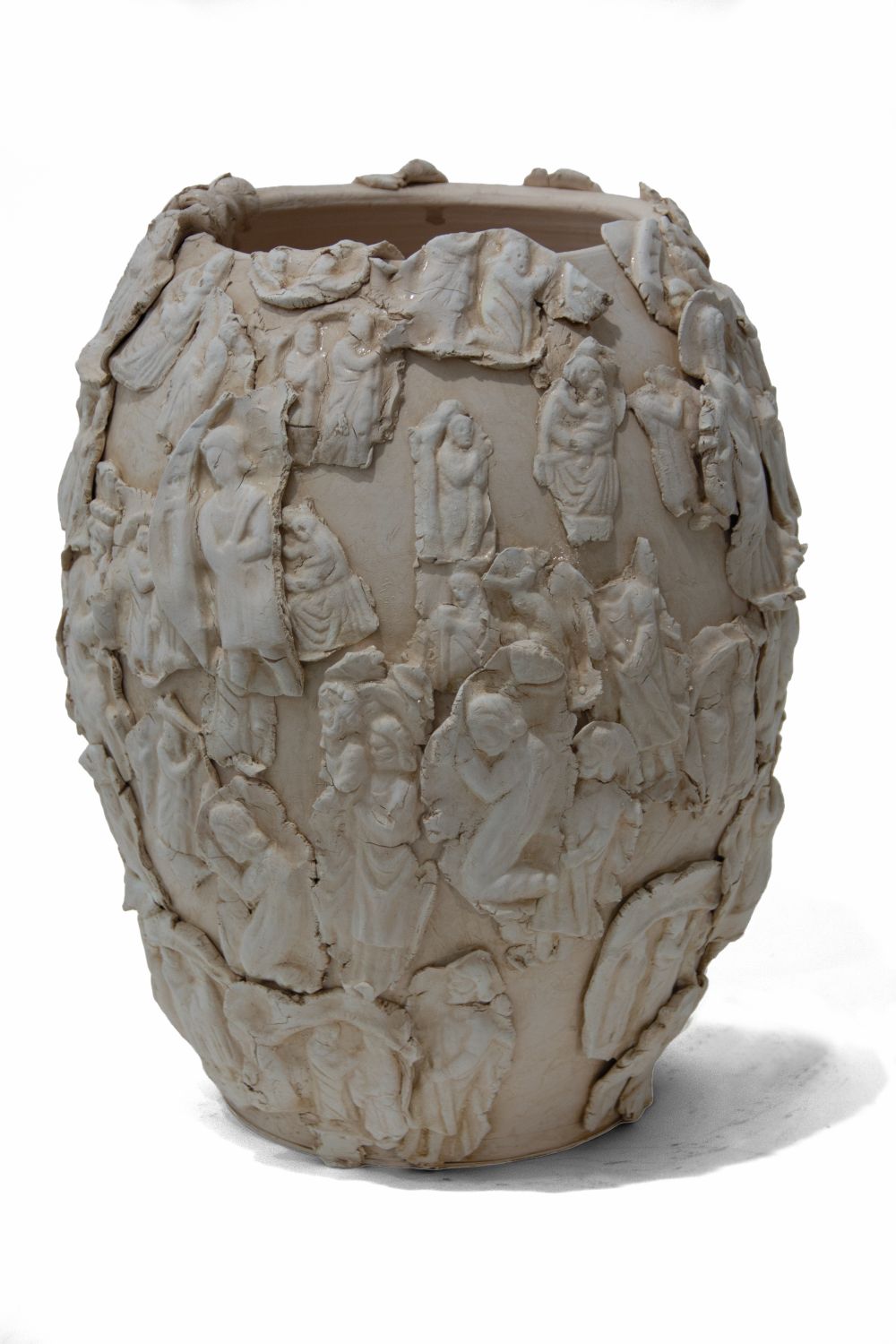
Concha García. Unfaithful memory. Robayera Room, Miengo
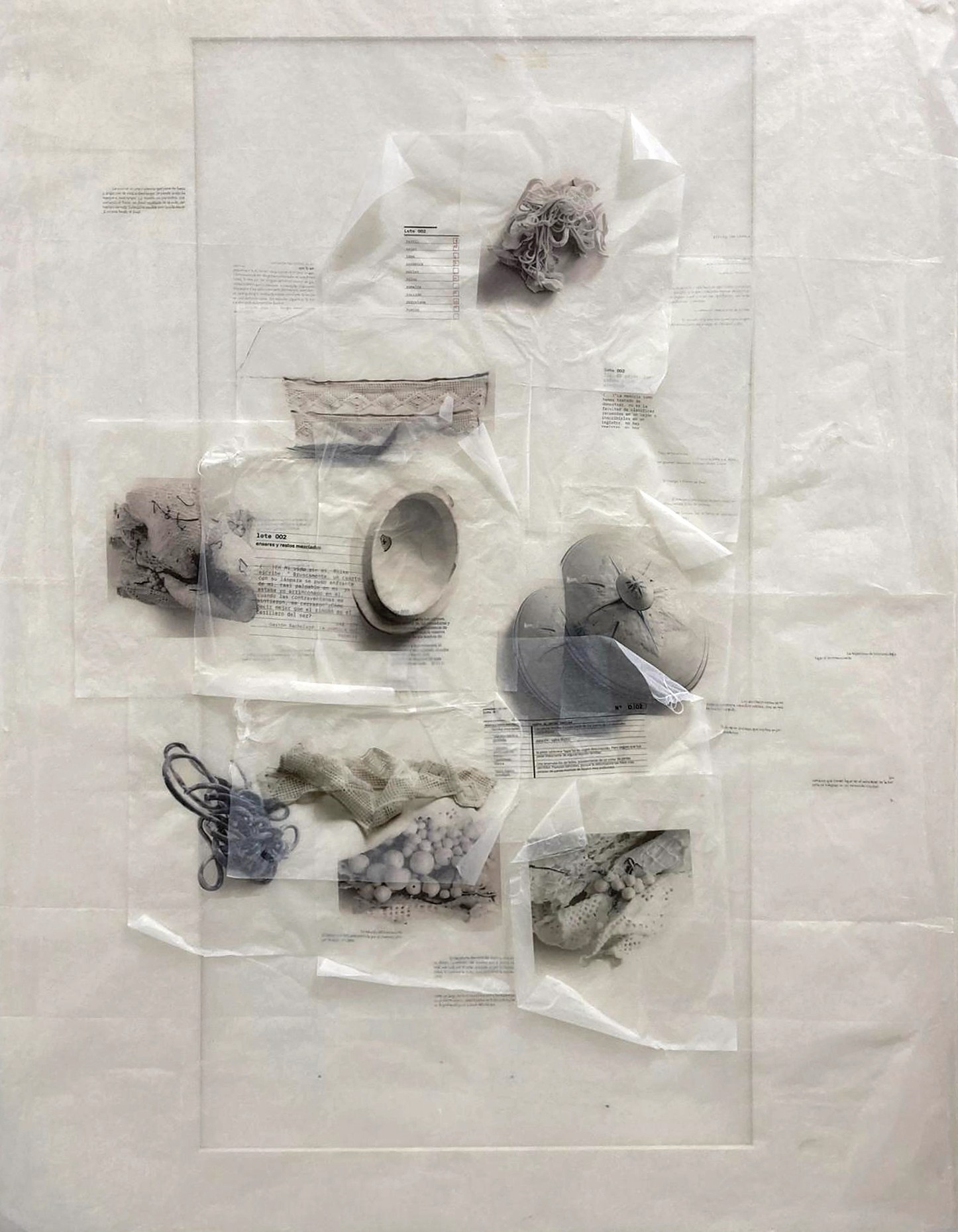
With these vessels it is related The rest of the daysa project that has objects taken from their own ancestors that have already lost their function due, perhaps, to being provided with a different one. The artist has collected them and arranged them in batches; has therefore classified memories. The fabrics interspersed with porcelain, the traces in its mud or the fragments that come close but do not fit together speak to us of fragility and, again, of the impossibility of sewing the past as it was, but also of the possibility of activating it so that it is not abandoned.
What has been stained by time is, in this work, both delicate and resistant.
Concha García. Unfaithful memory. Robayera Room, Miengo
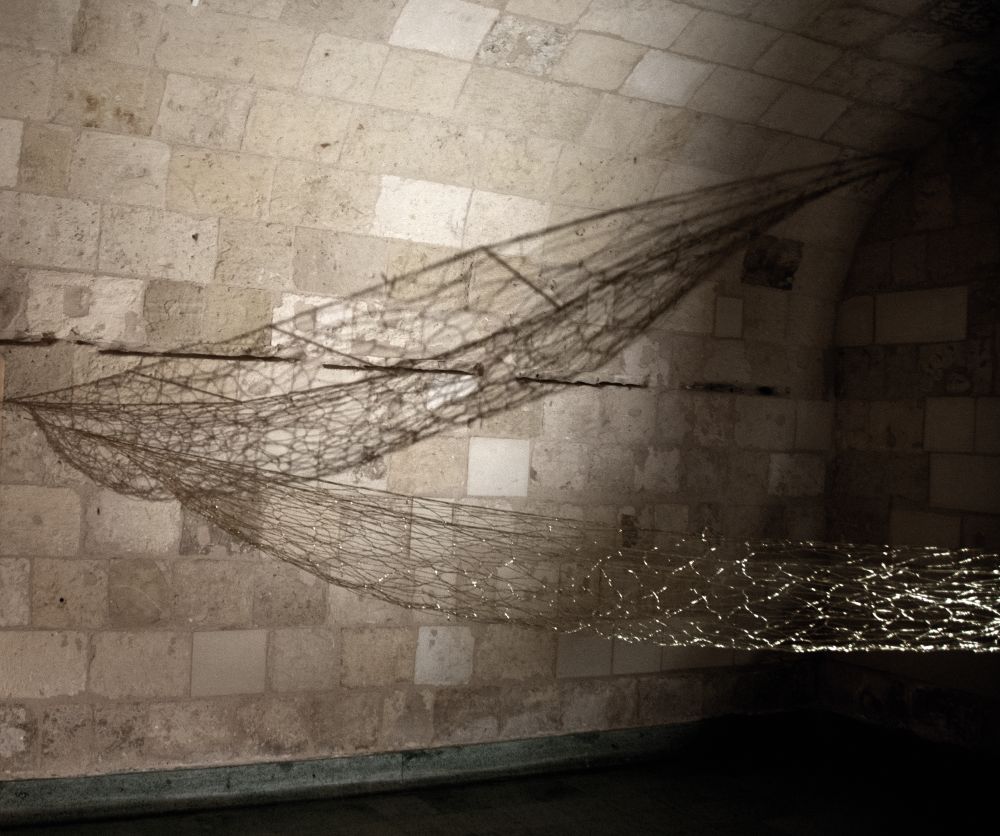
Because there was no time but to leave when we leftFinally, it immerses us in the imagination of the journey at sea, that is, of the transit, the separations, the possible shipwreck and the stories to tell. The artist has brought to the Sala Robayera a canoe woven with gold threads and silver rods, also plated in gold, whose material lightness could contrast with the hardness of the journey and the weight of what we transport in it, even if it is nothing more than our identity and experiences.
Seen individually or as a whole, the pieces that make up the exhibition acquire their own voice and can be interpreted as a metaphor for the relationships between human beings with themselves and with their closest environment. It is no coincidence that ceramics and furniture have been the focus of Concha García’s work, since they are objects with very defined tasks in the course of our daily lives that symbolize very intimate moments for each individual. By first being stripped of their use, these pieces promote uncertainty, perhaps the state that best defines what does not change in us over time.
Concha García. Unfaithful memory. Robayera Room, Miengo
Concha García. “Unfaithful memory”
ROBAYERA ROOM
Old Schools
El Castro neighborhood
39318, Cudón, Cantabria
From August 8 to September 13, 2026