Santillana del Mar,
Anthological anthological that the Reina Sofía Museum will provide from November and next exhibition at the Palace of Santander, the Tower of Don Borja de Santillana del Mar dedicates a sample to Juan Uslé, born in the town also Cantabrian of Hazas de Cuesto in 1954. The Commission would her daughter, the artist Vicky Not too widespread of its production: the watercolors in small format.
These are pieces made in the last thirty -five years (some acrylics and collages are part of the set) and, as explained by Uslé himself, he conceived them as members of a logbook of a logbook, of the thought process that accompanies the realization of his paintings, which rise prior preparation as or more mental than purely technical: Painting is a slow means and these watercolors have to do with reflection, with deepening the unique and personal experience and giving the necessary time to creation.
They are the result of their hours of meditation, but in turn they house their own atmospheres that are distinguished from the lights in the use of other genres, a particular sensory that has to do with the subtle movement of the brush, with a soft rhythm and with the capture of a personal imaginary of the artist who does not necessarily be present in the rest of his creations or in his great formats.
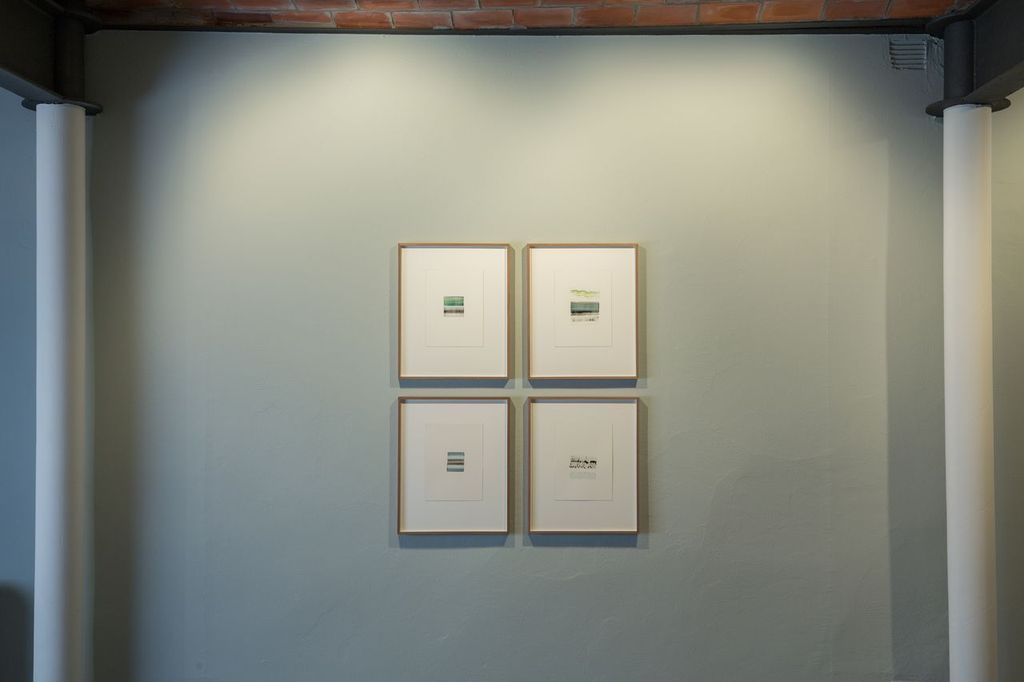
There are more than a hundred jobs gathered in Santillana, carried out in the transfers of Uslé between their two residences in New York and Cantabria; They ultimately propose a reflection on the relevance of the smallest and most introspective work, therefore does not grim in lyricism or nuances, and also, in the context of this assembly in the Tower of Don Borja, about the possibilities of contemporary creation of entering into relation to historical architecture, giving rise to sensory experiences other than those that can offer more recent buildings.
The Santander came to form in Fine Arts to the School of San Carlos of Valencia and, in this city, discovered that other light, different and complementary to that of the North, which had to do with different feelings and even with other culture perspectives. In that period he alternated the practice of painting and photography, which was part of his recent exhibition “of Light and Blood” in the Verónicas Room of Murcia and that he conceives as a territory especially open to subjectivity and experimentation, but on his return to Cantabria he affirmed his willingness to focus on the canvases, a commitment endorsed in the eighties by successive scholarships and for his settlement in New York (There, as we said, he continues to maintain a study).
Its creations have been framed in the so -called new abstraction, an extension of the American postpictoric abstraction that favors the openness and clarity in opposition to the dense surfaces of abstract expressionists and that does not imply, unlike the compositions of those, mystical or religious messages, but a vindication of their own existence through solid chromatic areas, absolute, absolute, and not of ways.

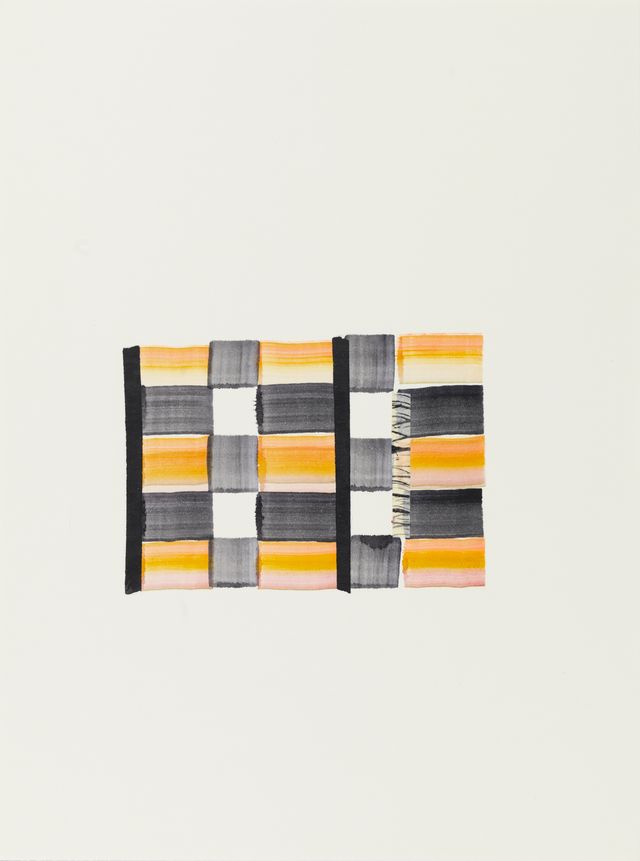
The abstractions of Uslé have conjugated geometry and line as a backbone with an associated lyricism, rather than specific personal experiences, very particular ways of experiencing time and night (with its own light also and a moon that understands very evocative); In short, modes of attending to routine circumstances for all: the pieces that make up some of its most recent series, significantly titled Alba, reveals, dreams, I dreamed you revealed either The censored gardenThey seem to oscillate between clarity and dark, in a transition that this author equals human displacements in that direction.
Some of them emerged more or less instinctively, in rapid pulses, and others derived from more meticulous and reflective processes, from arrested. In addition, several of those series clearly led the rest, because Uslé works more letting himself be guided by the future of his painting (sometimes, with much physiological) that imposed previously rumbos.
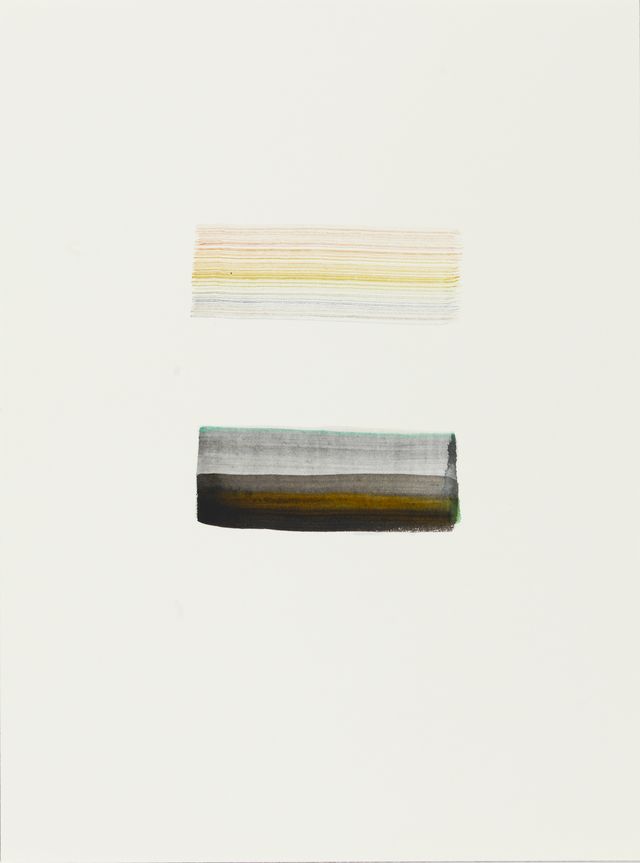
Together with that inspiration that starts from the nightly, another fundamental note in a good part of its recent and previous production is the rhythms and beats, the pulsations that connect their work with the same life, in an organic and temporal sense, and that make the paintings experienced experiences on canvases; experiences that, more than emotional, we can understand as physical: we talk about breathing or the same pálpito, which is also noted in those watercolors.
He usually refer to these fabrics as Contaminated abstractionconsidering that there is no greater purity than that can be interpreted as absolute pollution of formal and mental references; The signs and gestures that populate their images seem static, but we talk about manifestations of what incessantly mutates or fades, such as the light that penetrates a Claraboya or the vague sounds of the night. The viewer may perceive that it seeks to capture the transit of the bright to the dark and the ways in which both soak the colors; The artist tends to accentuate those dualities, as in the photographs we had the opportunity to meet in Murcia.
In parallel to the Exhibition of Santillana, open until April 2026, you can contemplate in the same headquarters of the Rucandio collection: works of María Blanchard, Jaume Plensa, Juan Genoese, Juan Asensio, Rafael Canogar, Inma Femenía or Juan Muñoz, among many others. The annual program of the Don Borja Tower is based on samples of contemporary art, periodic meetings with creators and visits to this historic building, cataloged as a good of cultural interest and whose origins date back to the thirteenth century. After its recent rehabilitation, it has exhibition rooms, four libraries, old rooms and a garden. The entrance is always made in small groups, favoring that it is a close and careful experience, and access is free, but it is necessary to reserve.
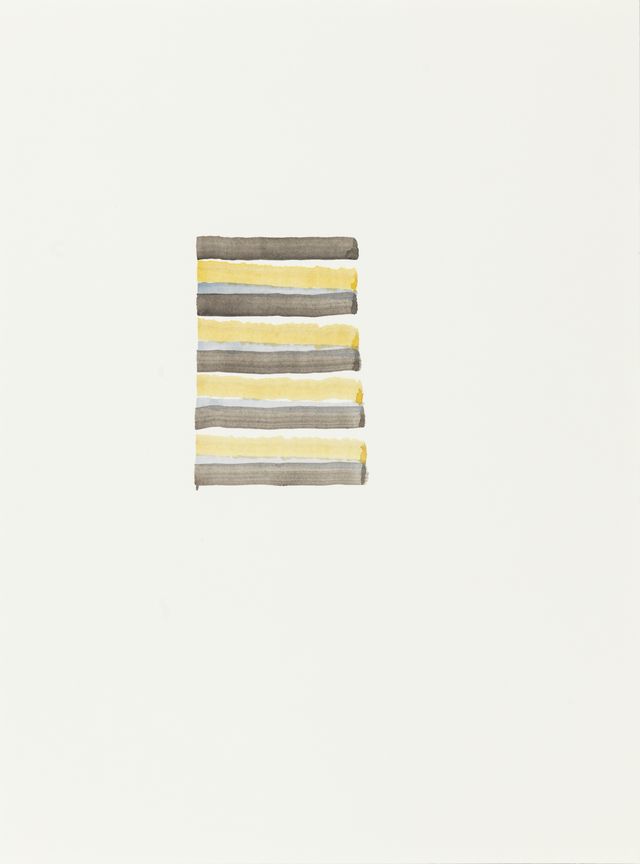
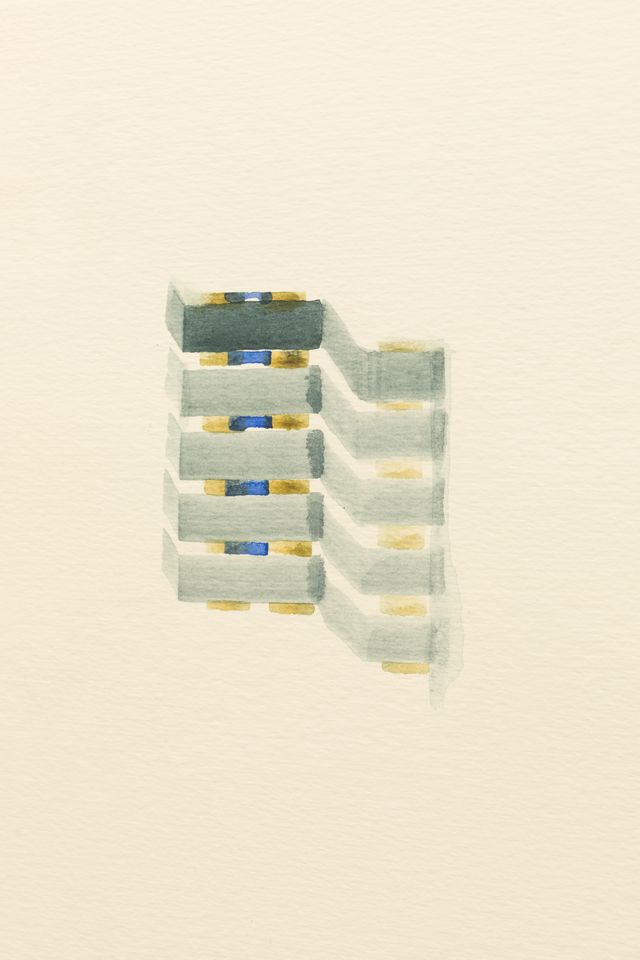
Juan Uslé. “A parallel trip”
Don Borja Tower
Plaza Mayor, 7
Santillana del Mar, Cantabria
From July 12, 2025 to April 30, 2026