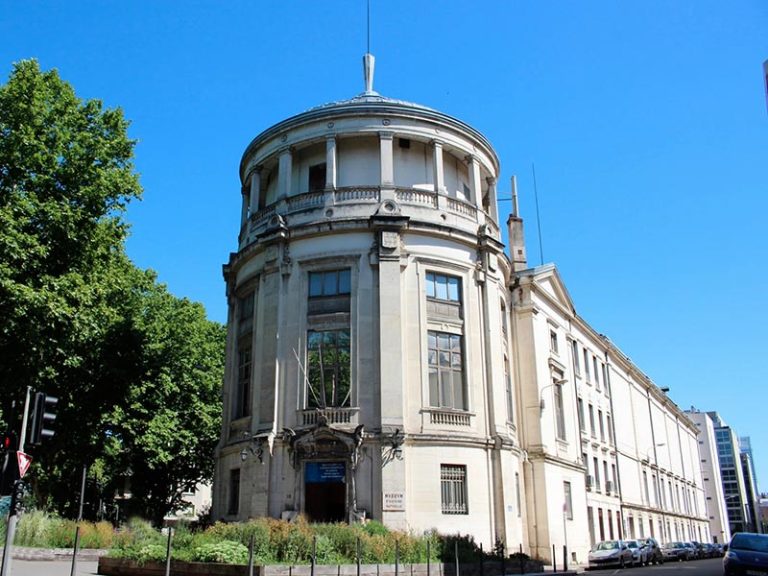
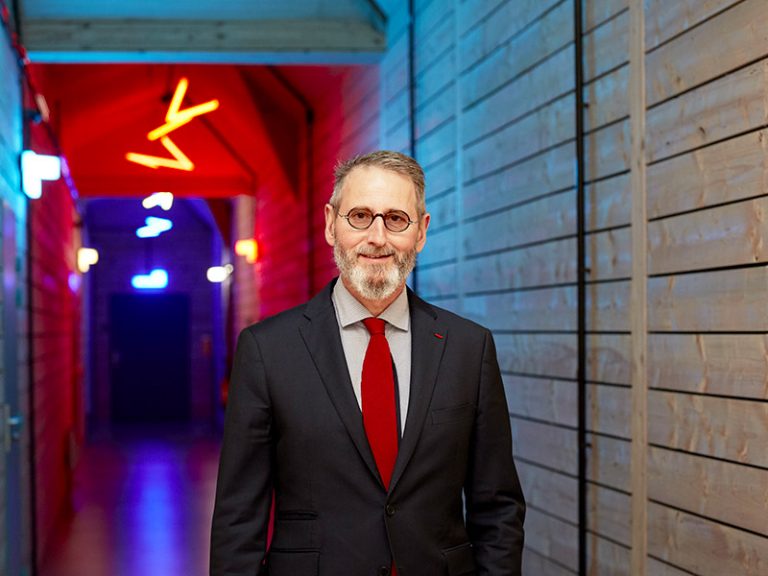
The death of Guy Cogeval, announced on November 13, 2025, puts an end to the career of a singular actor in the French museum landscape. Born in 1955, trained in art history after an early career in teaching, he became major in the curator competition in 1985. Entering the Musée d’Orsay as an intern, he then joined the Musée des beaux-arts de Lyon, then the Louvre, where he moved towards mediation and cultural programming.
His career took on an international dimension when he was appointed, in 1998, general director of the Montreal Museum of Fine Arts. For eight years, he led a very structured exhibition policy, seeking to broaden partnerships and reposition the institution in the museum map of the continent.
In 2008, Guy Cogeval was appointed president of the Public Establishment of the Musée d’Orsay and the Musée de l’Orangerie (EPMOO). He then hired the so-called construction site New Orsaya vast operation to renovate the rooms and recompose the hanging. The project led to a redeployment of works, a more thematic circulation and a denser presentation of certain groups, a choice which sparked debate and contrasting reactions among professionals.
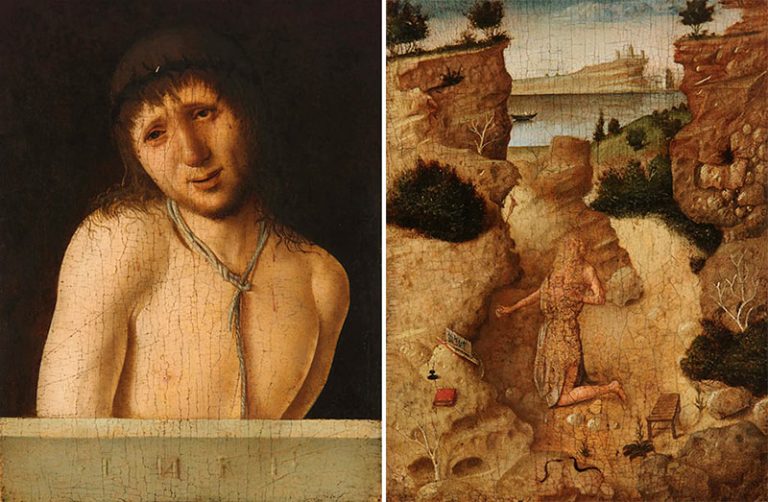
At the same time, it pursues an active acquisitions policy, structured around two axes: the enrichment of the post-impressionist collections and the consolidation of the nabi collection. Under his presidency, the institution hosted several major collections, including the Marcie-Rivière donation (2010) and the Hays donation (2016), which significantly changed the weight of the museum in the study of intimate painters and fin-de-siecle symbolism. This strategy strengthens the scientific orientation of the museum, while modifying its identity around a broader 19th century.
An art historian by training, Cogeval devoted a significant part of his research to the Nabis, in particular to Édouard Vuillard, to whom he devoted several publications and a significant retrospective at the Grand Palais in 2003.
His management of the Musée d’Orsay was not without controversy. Several internal and public positions have criticized the centralization of decisions, the sustained pace imposed on teams and the conduct of reorganizations.
After his departure from EPMOO in 2017, he continued his editorial work and research, while occasionally participating in different scientific committees.