The Prado Museum’s most recent exhibition is neither monographic nor thematic, but completely different from those it usually offers us: the institution itself becomes a subject and object of reflection, along the path of the exhibition that celebrated its bicentennial in 2019. Curated by Alfonso del Palacio and Elena Cenalmor, it reviews a selection of pieces that have been incorporated into the center’s collections in the last quarter of a century and also evolutions linked to its museography and spaces or its ways of doing things in the fields of education, restoration or publishing.
As those responsible for the Prado already emphasized in the summer course The Prado of the 21st centurywhich took place in 2024 and which anticipated keys to this exhibition, the fundamental milestones in the history of the museum since 2000 have been the approval of the law that has allowed its legal autonomy, with the consensus of all parties in 2003, and its expansion by Rafael Moneo, whose fruits we saw for the first time in 2007. Javier Solana, president of its Board of Trustees, has pointed out that these twenty-five years have been an extraordinarily positive period, except for the pandemic phase, which was ended with “Reencuentro”, a series of exceptional dialogues in the Central Gallery.
The changes have, at this stage, been numerous and have been directed towards a greater inclination towards society: today the Prado is open to the public forty-nine more days a year than in 2000, the number of members of its Friends Foundation has multiplied by eleven (today they exceed 40,000) and the museum’s website and its social networks bring the knowledge of its collections closer to users anywhere in the world.
Furthermore, as a museum that is not made but in constant evolution, and that in the words of Miguel Falomir It will be what people want it to be.has increased its collection by 14,200 works, of which two hundred and forty-eight can be seen in its rooms.
Nearly one hundred make up “Prado XXI”, which starts with a model that examines the spaces that the Prado currently has and those that will soon be added (the Salón de Reinos, whose opening is scheduled for 2028, and the so-called Prado Campus) and an infographic that reviews in data that quarter of a century of changes. Falomir trusts that this new expansion will contribute to an adequate distribution of visitors to alleviate the high influx, which has also doubled its data since 2000.
Next, this proposal presents us with that set of works that have been added to its collection in this period, many of them works well loved by the public or that have been part of recent exhibitions. They are divided into four chronological sections – corresponding to the medieval period, the Renaissance and the Baroque, the 18th century and Goya and the contemporary era – and they distinguish the cartouches, through different colors, the formula by which they have entered this institution: own or State acquisitions, donations, deposits, etc.
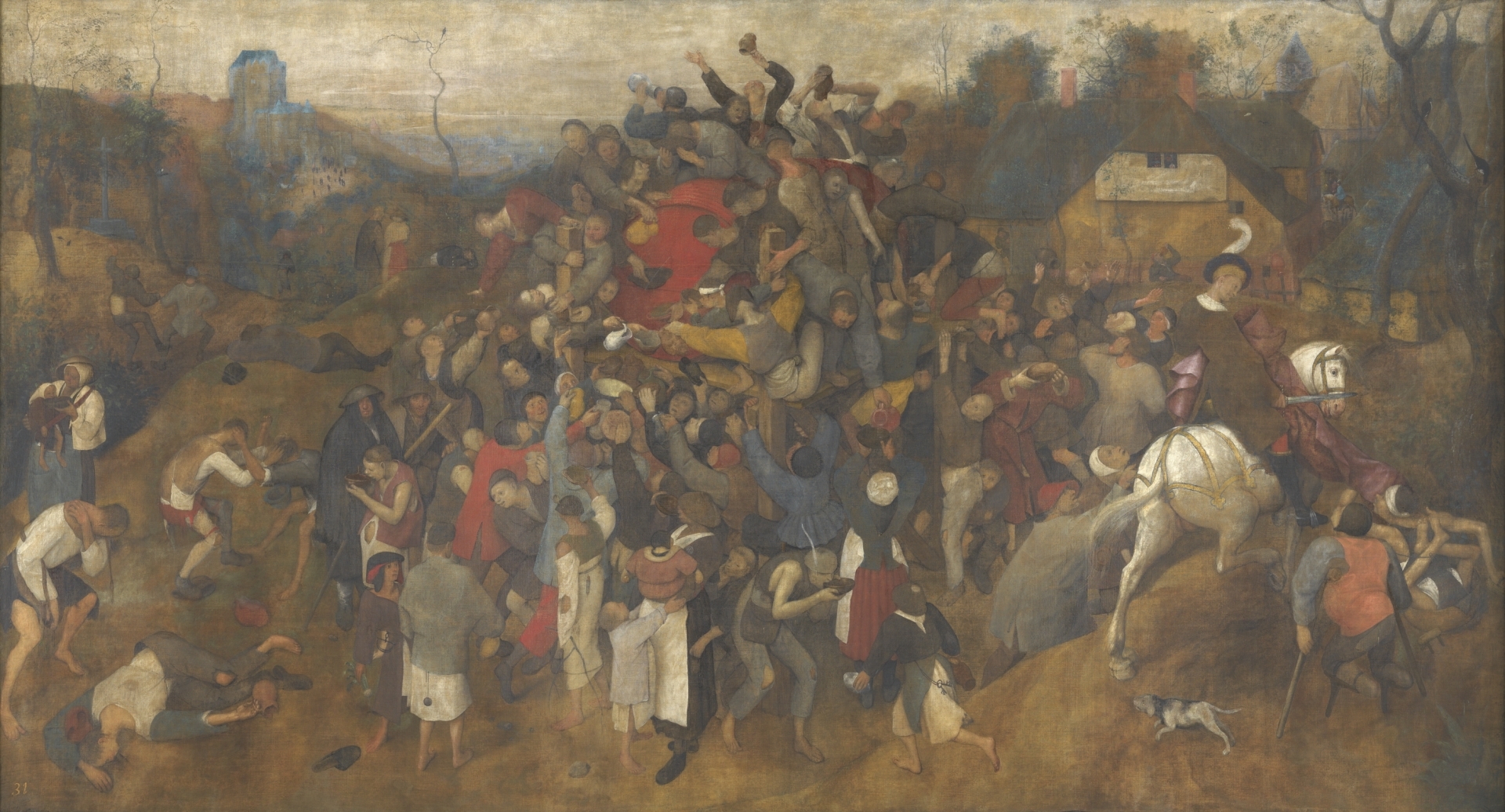
Pieter Bruegel the Elder. The wine of the feast of Saint Martin1566-1567. Acquired with an extraordinary endowment from the Ministry of Culture and with funds from the National Prado Museum, 2010
There is no shortage of the polychrome and anonymous carving of Nicodemus, belonging to a Descent from the end of the 13th century, or The wine of the feast of Saint Martin by Bruegel the Elder, who came to complete the Prado’s collections of late medieval European art. In the Renaissance and Baroque section, we will see works by Juan de Juanes; the allegory of temperance de Berruguete, clearly indebted to Michelangelo; the beautiful Portrait of girl with dove de Vouet, whose entry into the Prado resorted to micro-patronage; portraits from Velazquez; he Dream of Saint Joseph by Herrera el Mozo, who we admired in his recent retrospective; and the monumental Resurrection of Lazarus de Ribera, in which the volumes of Christ exceptionally worked from light stand out.
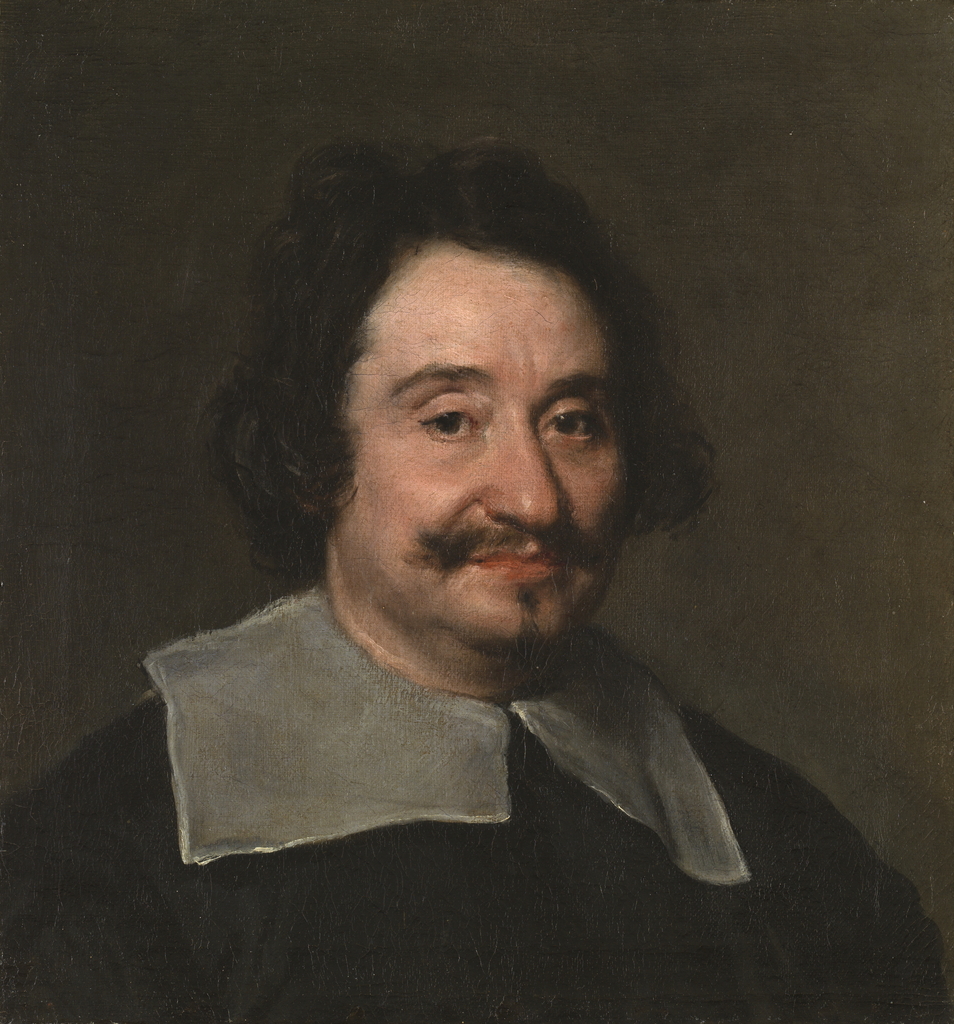
Diego Velazquez. Ferdinando Brandani1650. Acquired by the Museo Nacional del Prado with an extraordinary budget from the State, 2003
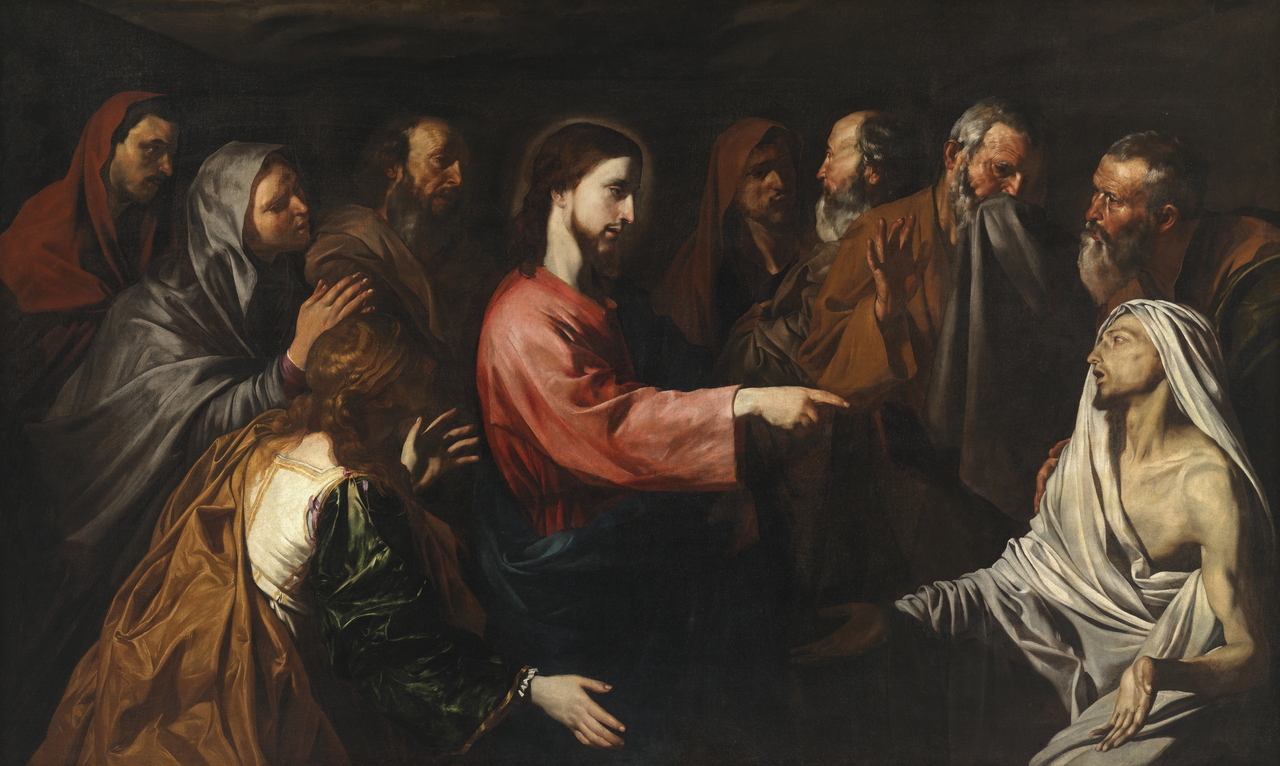
José de Ribera. The resurrection of Lazarusaround 1616. Acquired by the State as payment of tax debt, donation from Caja Madrid, and assigned to the National Prado Museum, 2001
In the eighteenth chapter, they will come our way The death of Adonis by Boucher, the portrait of José Nicolás de Azara by Mengs, several compositions by Luis Paret and, above all, The Countess of Chinchón by Goya, before The family of Charles IV and very delicate in its tones and symbology.
Finally, from the contemporary stage we will see the views of Spanish cities by Pérez Villaamil, a view of Brussels by Regoyos, compositions by Fortuny or Anglada-Camarasa, a sunset by Ramón Gaya inspired by Titian or the sober portrait of Manuel Bartolomé Cossío by Sorolla.
A third episode of “Prado. Siglo XXI” focuses on some of the particular lines of acquisitions that the Prado has been attending to to enrich its funds in aspects previously considered less relevant; This is the case of drawings, essays or engravings that show the creative process of fundamental artists and works, sometimes, already in their collection; miniatures, documentary and bibliographic collections; of women artists (Sofonisba Anguissola, Rosario Weiss, María Blanchard, Rosa Bonheur) or photographs, to which a new exhibition line curated by Beatriz Sánchez Torija has been dedicated.
The route is dotted with panels that show transformations in our way of visiting the museum: we do not see the same signs (today larger and also in English) nor do we respect the same catenaries. We also do not collect the same tickets.
The outcome of the exhibition, presented above all through audiovisuals, reviews the extensive editorial production of the Prado in this century; the fruits of the activity of its Study Center, created in 2009; the excellence achieved in its Restoration Area (it is mandatory to stop before the white replica of the surface of the Annunciation of Fra Angelico, to know where he insisted); and the transformations of its educational action.
“Prado. 21st Century” is an exhibition that is both celebratory and reflective, and also educational for those interested in delving into the innards, not at all simple, of a museum of these dimensions. It ends with thanks: to all those who have been part of the Prado and to those who will do so.
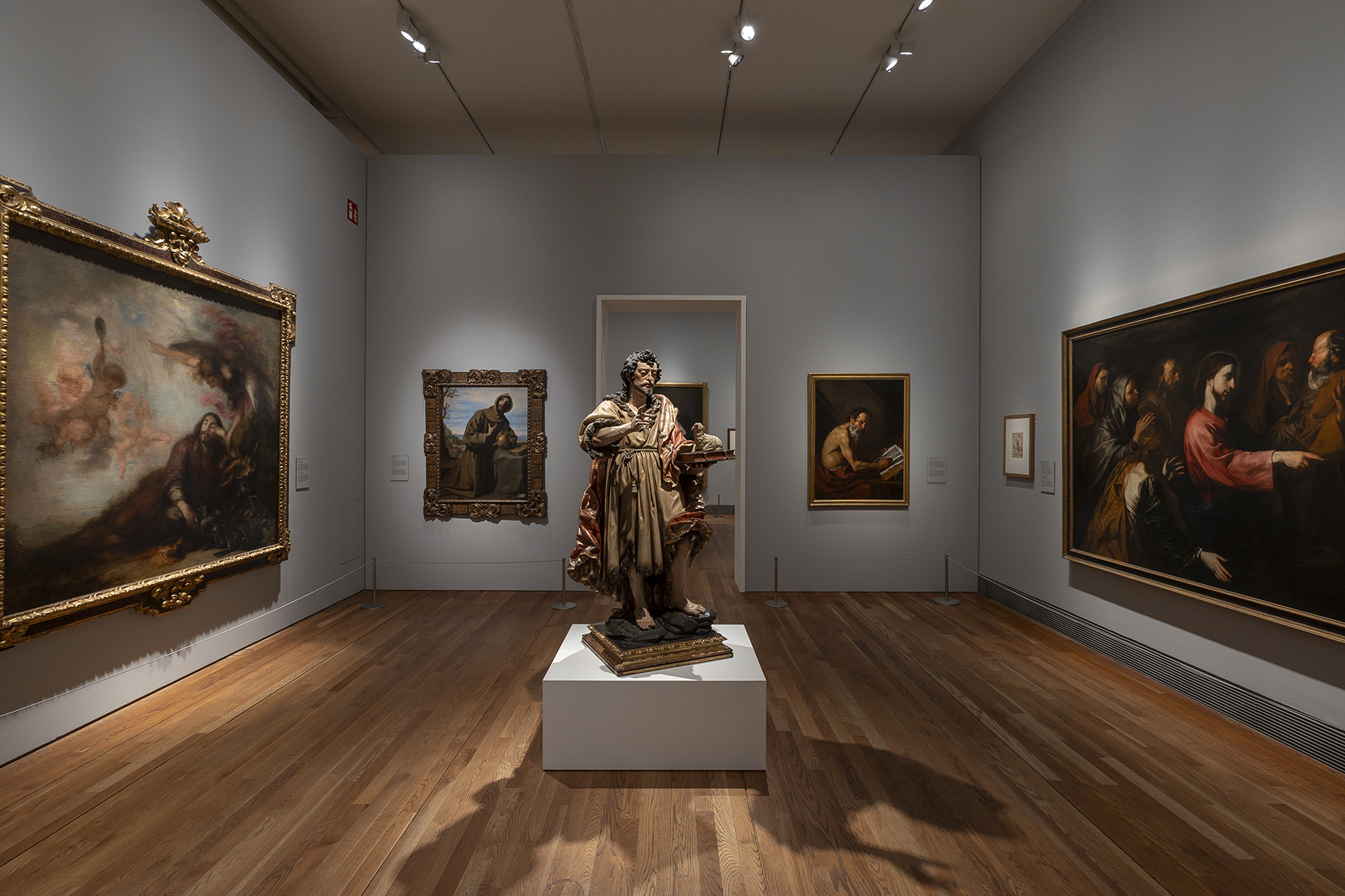
Image of the rooms of the exhibition “Prado. 21st century”. Photography: © Museo Nacional del Prado
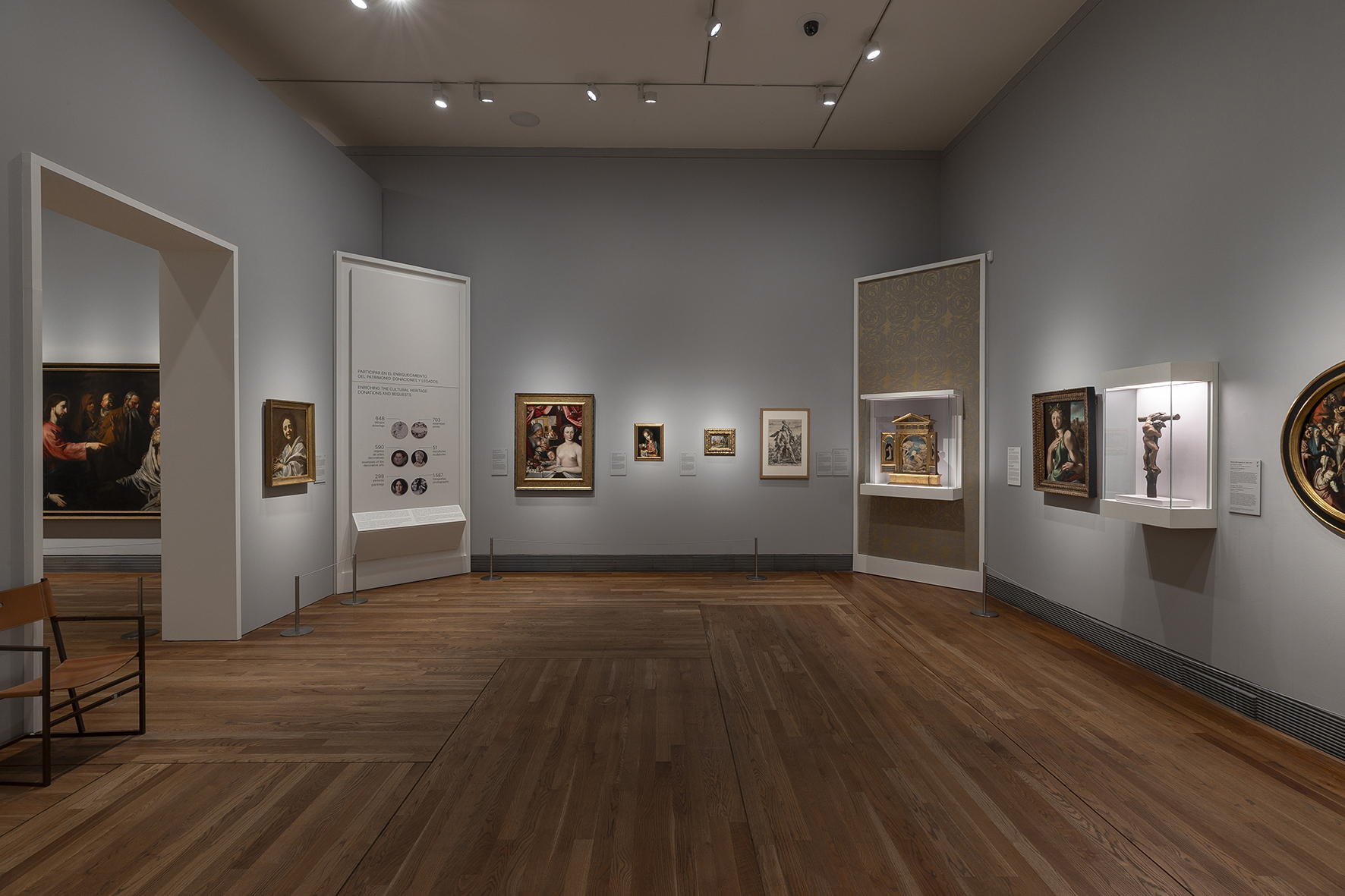
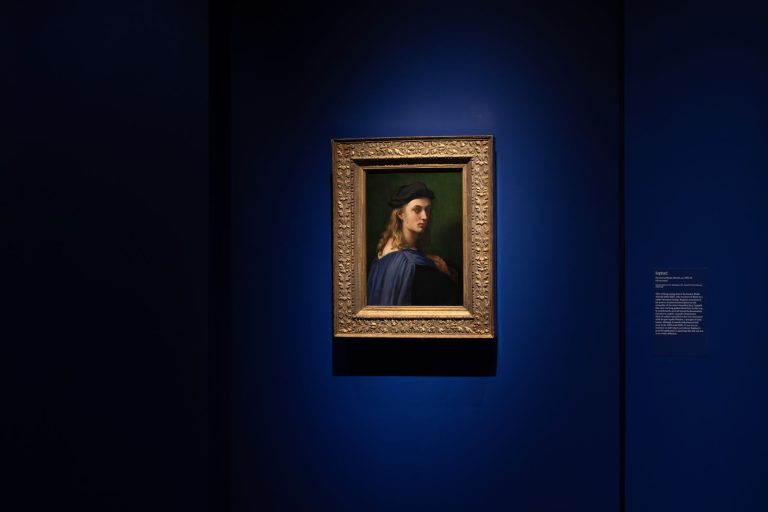
Image of the rooms of the exhibition “Prado. 21st century”. Photography: © Museo Nacional del Prado
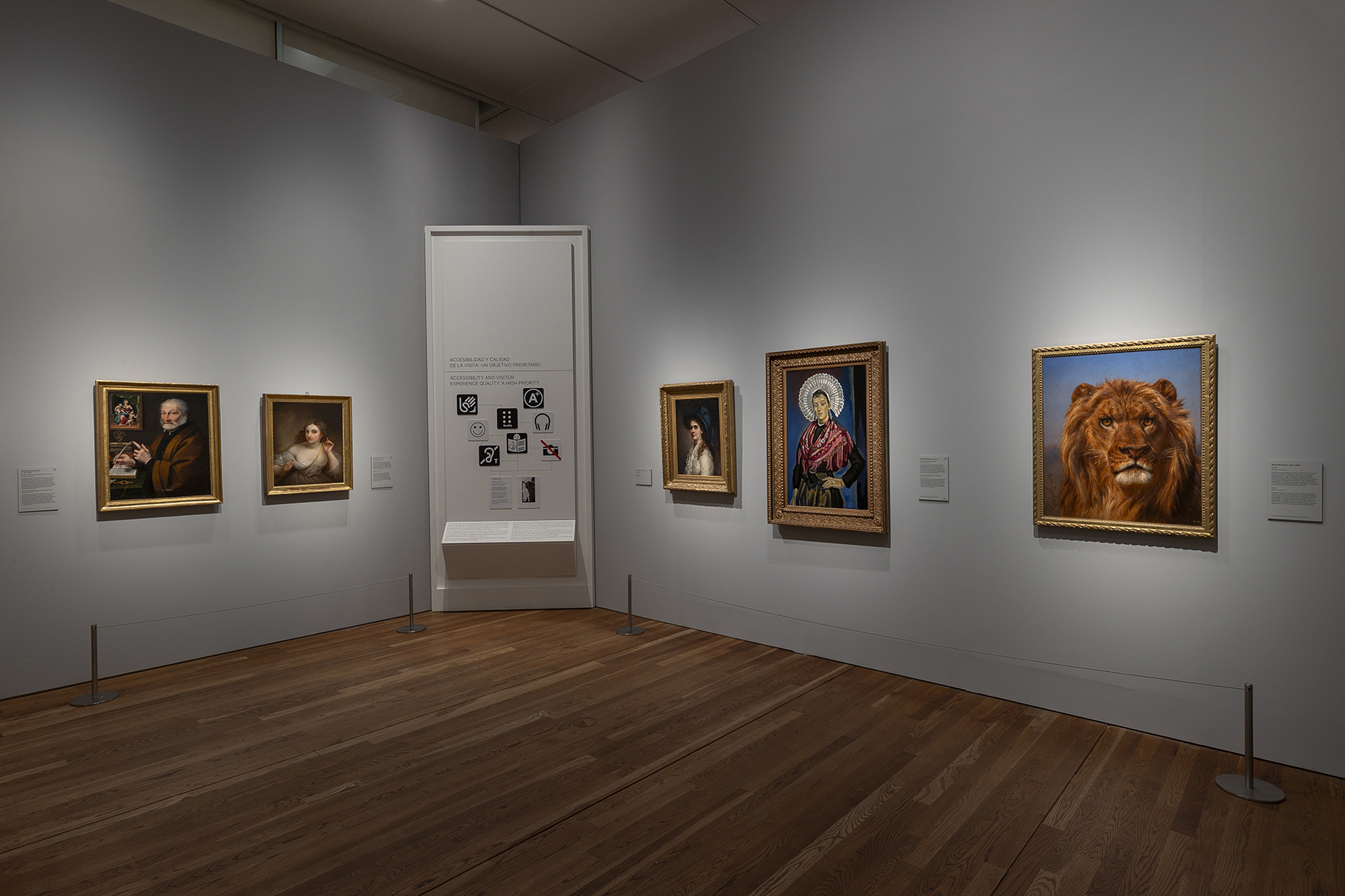
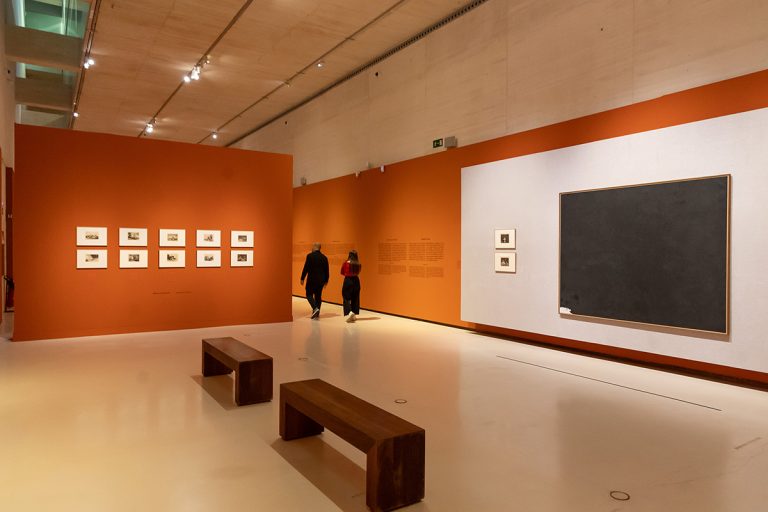
Image of the rooms of the exhibition “Prado. 21st century”. Photography: © Museo Nacional del Prado
“Meadow. 21st century»
NATIONAL PRADO MUSEUM
Paseo del Prado, s/n
Madrid
From June 9 to September 27, 2026