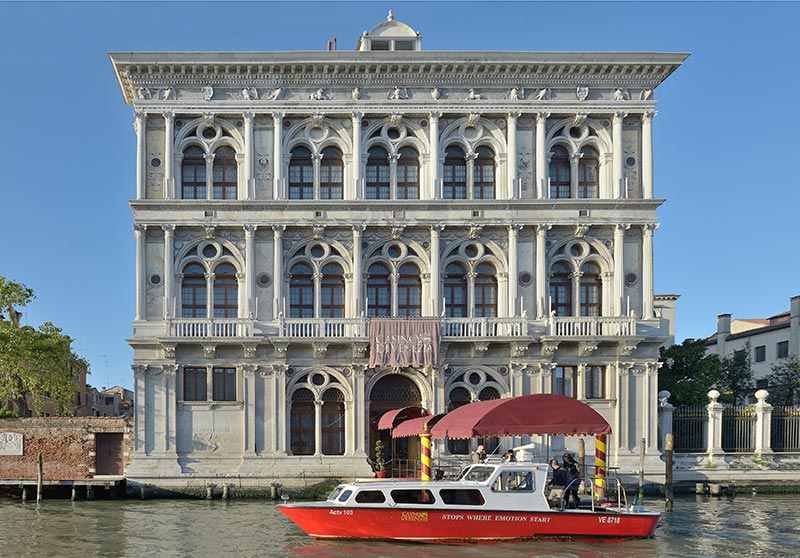
In Venice, there is no question of creating a Wagner Museum ex nihilo, but of taking an existing place out of its discretion to include it in the city’s civic heritage. Created in 1995, the museum is located on one floor of the Ca’ Vendramin Calergi palace, on the Grand Canal, in the rooms where the composer stayed on several occasions. Richard Wagner died there in 1883 of a heart attack. This floor is part of the Venice Casino, to which it remains structurally linked, which results in discreet operation, with restricted hours and limited visibility in the Venetian museum landscape.
Last March, an agreement, the culmination of thirty years of discussion, was signed between the Foundation of the Civic Museums of Venice (MUVE), the Casino and the Richard Wagner Association in order to integrate the Wagner Museum into the network of Venetian municipal museums. The museum will become the foundation’s fourteenth establishment, alongside the Correr Museum, the Casa di Carlo Goldoni, Ca’ Pesaro and the Fortuny Museum, reinforcing the place of music and theater in the “encyclopedic museum” claimed by the MUVE.
The Wagner Museum in the Palazzo Vendramin Calergi.
© Casino di Venezia
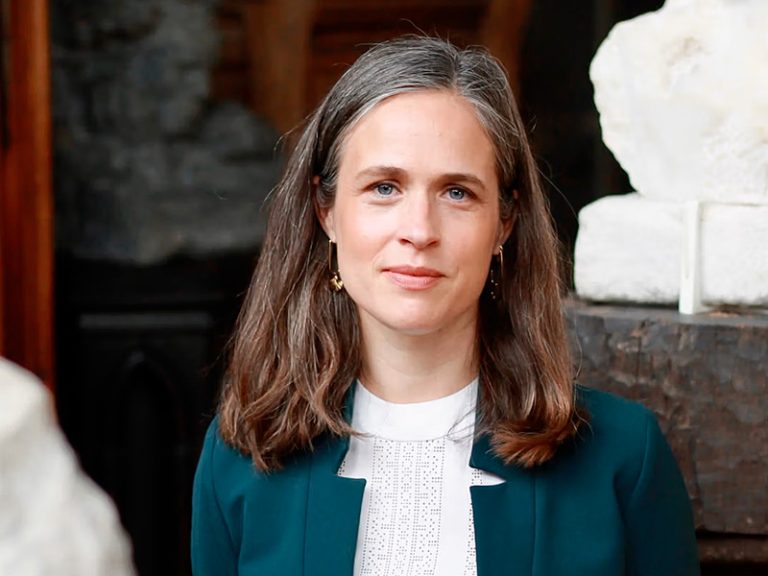
The signing took place in the presence of MUVE President Mariacristina Gribaudi, Mayor Luigi Brugnaro and Culture Councilor Giorgia Pea, marking a tripartite agreement according to which MUVE will take charge of the management of the rooms located in the Casino building as well as the collections they house. The Wagner Museum’s entry into the MUVE network is not immediate. The foundation’s operational functionality is announced for 2027, after a study phase focusing on spaces, collections and mediation systems.
The museum was born from an initiative of the Richard Wagner di Venezia Association, founded in 1992, to which the municipality entrusted the rooms occupied by Wagner to convert them into a museum space dedicated to the memory of the composer and his link with the city. Since 2003, adjacent rooms have been opened to house the Josef Lienhart collection, German president of the Richard Wagner Verband International. Made up of books, scores, facsimiles, lithographs, paintings, records, programs and autograph letters, this collection was supplemented by other sets, such as the Walter Just collection, German association manager, making the museum one of the most important private Wagnerian collections outside Bayreuth, in Germany.