Dana Lixenberg was born in Amsterdam in the mid-sixties, trained in photography at the London College of Printing and the Gerrit Rietveld Academie in her city and, at the end of the eighties, decided to settle in New York; there and occasionally in the Dutch capital he continues to reside. Regular of publications like The New Yorker, The New York Times Magazine, Vibe either Newsweekwho have featured his portraits, has developed personal projects that dialogue with each other and are usually dedicated to those who live in sparsely populated areas or areas considered conflictive; we refer to the series Wallen (2025), which portrays Amsterdam’s red light district; The Last Days of Shishmaref (2007), about a community inupiaq settled on an island near the coast of Alaska; and Jeffersonville, Indiana (1997-2004), held in a homeless shelter in that small American town. Even so, his work of greatest significance and temporal extension is Imperial Courtsin which she has been immersed since 1993 and whose photobook received the Deutsche Börse Photography Foundation Prize a decade ago.
Although until now Lixenberg had not starred in an anthology as such, his production is part of a good number of public and private collections and has been exhibited in institutions such as the Aperture Foundation in New York, the Rijksmuseum and the Stedelijk Museum in the Netherlands, the MMK in Frankfurt and the Fotomuseum Den Haag (The Hague).
The retrospective that, until next January, the Mapfre Foundation is offering you in its Barcelona space KBr has been curated by Laurie Hurwitz and Marcel Feil and is titled “American Images”, since it brings together works made in the United States and intended to offer a nuanced and complex vision of the society of that country: this author not only observes her models, but also shares time and closeness with them from the desire to capture their individual features and their signs of identity, regardless of the group to which they belong or its social and economic conditions. In short, the artist proposes to what extent a reflection on the identity, representation and experience of the human being can be raised on the camera, without decorations.
His, his camera, has been large format since his youth: it demands slowness, method and concentration, but Lixenberg is not afraid of these demands because they encourage greater intimacy to be generated with those portrayed. In addition, it allows you to capture with remarkable precision their expressive nuances, derived from postures and gestures, unlike the speed of shots made possible by digital images. For the Dutch woman, if there is a photograph that can be put against stereotypes and in favor of formal clarity, that is analogue. The resource of black and white, as we will see in Imperial Courtsalso encourages the viewer to delve deeper into the individuals rather than into their surroundings or context, in addition to suggesting timelessness and calm. It does not matter that these people live in areas of violence or poverty, the public will only be able to attend to their individual dignity. Most of those who have been targeted are, in fact, people who are facing situations of vulnerability and only a very small number can be known for belonging to the spheres of politics, culture or entertainment – among the latter, we can mention Prince, Jenny Holzer, Kate Moss, Leonard Cohen, Paul Bowles, Tupac Shakur or Biggie Smalls. The same look is applied to both.
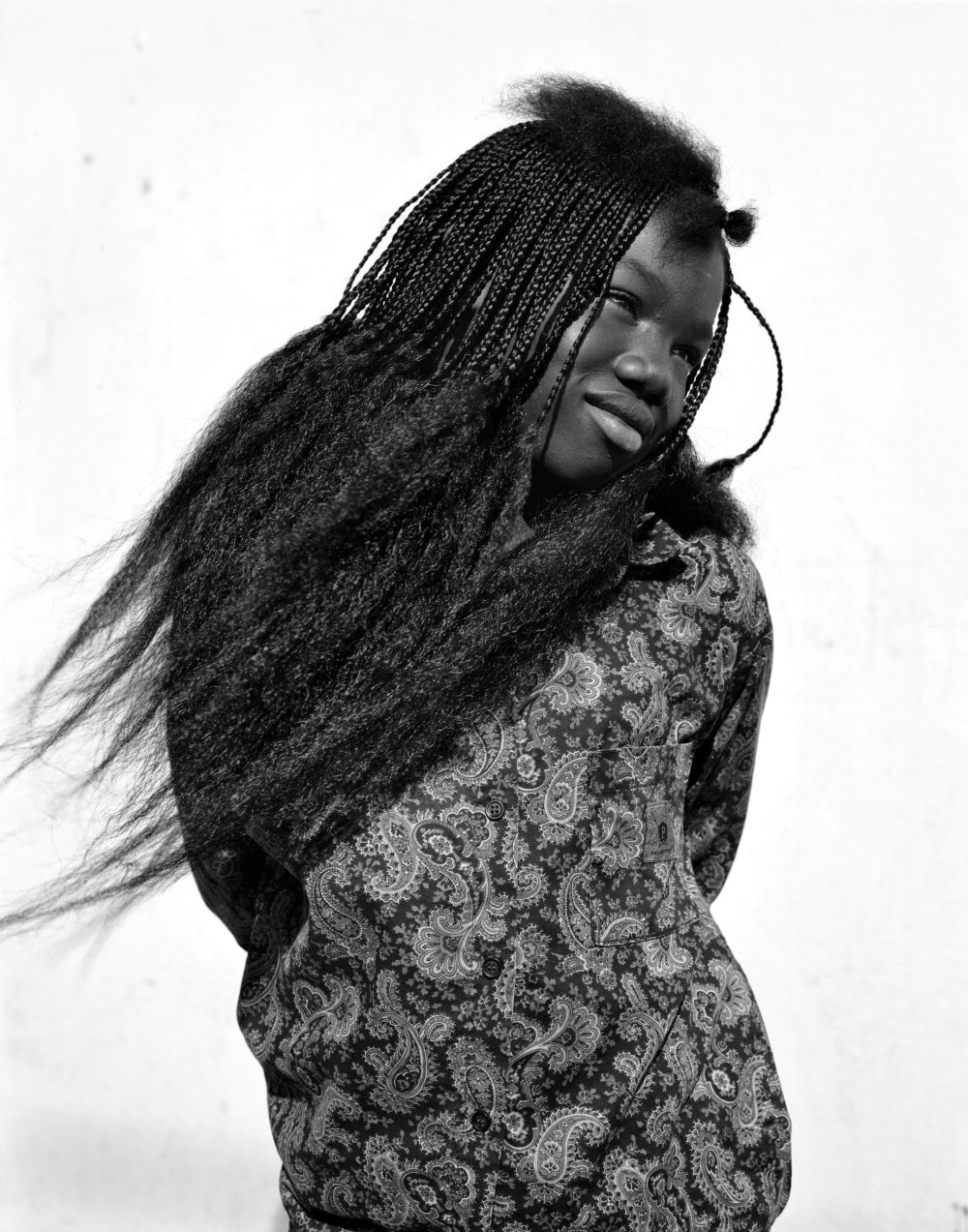
Dana Lixenberg. Wilteysha1993. Series Imperial Courts1993—present
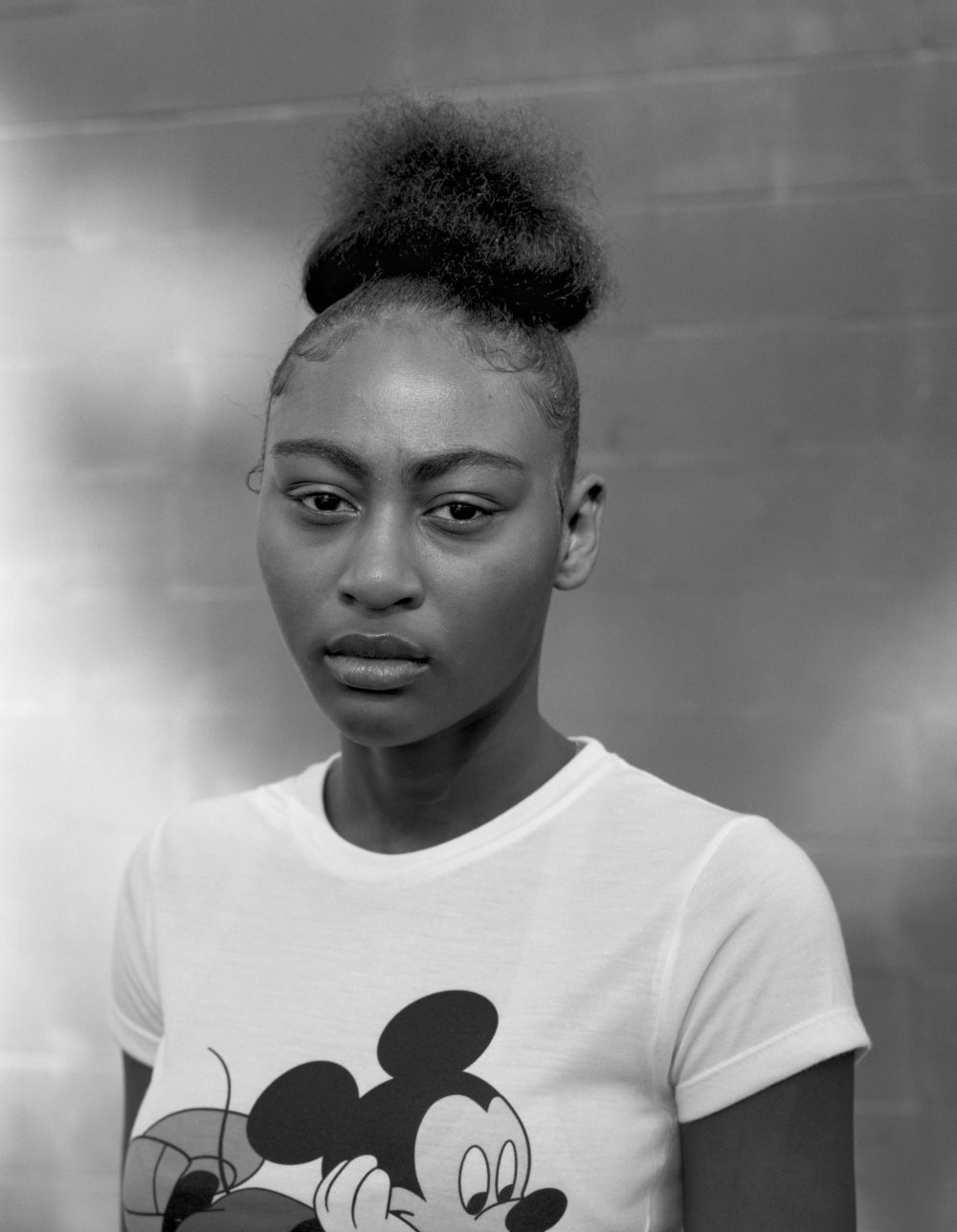
Dana Lixenberg. Deioni2021. Series Imperial Courts1993—present
The exhibition tour at KBr Fundación Mapfre begins with that vast work, Imperial Courtsborn from Lixenberg’s desire to highlight the differences between the reality of the Watts neighborhood and the unnuanced image of it that the media offered after the riots that took place there in 1992, following the acquittal of police officers involved in a beating of an African-American – in the sixties, bitter racial conflicts had also occurred in that enclave. Imperial Courts It is the name of a social housing complex and the photographer was able to enter it with the help of a community leader, Tony Bogard, who encouraged her contact of trust with the neighbors; They, by the way, knew what the fruit of those sessions was: they could see test photographs made with Polaroid film and contact sheets.
These works represented for Lixenberg the starting point of a career that had a lot to do with the fight against stigmas, although, as we said, she has never stopped visiting Imperial Courts and in 2008 he decided to resume this series when he was aware of the emotional impact it had on the residents. He grouped families, looked at newcomers and highlighted that lives changed in an environment that did not: the children of the beginning were already adults and sometimes parents; others had been murdered or imprisoned. To make us aware of these testimonies, the Dutchwoman incorporated audios and videos into this proposal in which moments of spontaneity and direct interventions alternated. The soundtrack has nothing juxtaposed: it corresponds to ambient sounds, music and voices of those who live there.
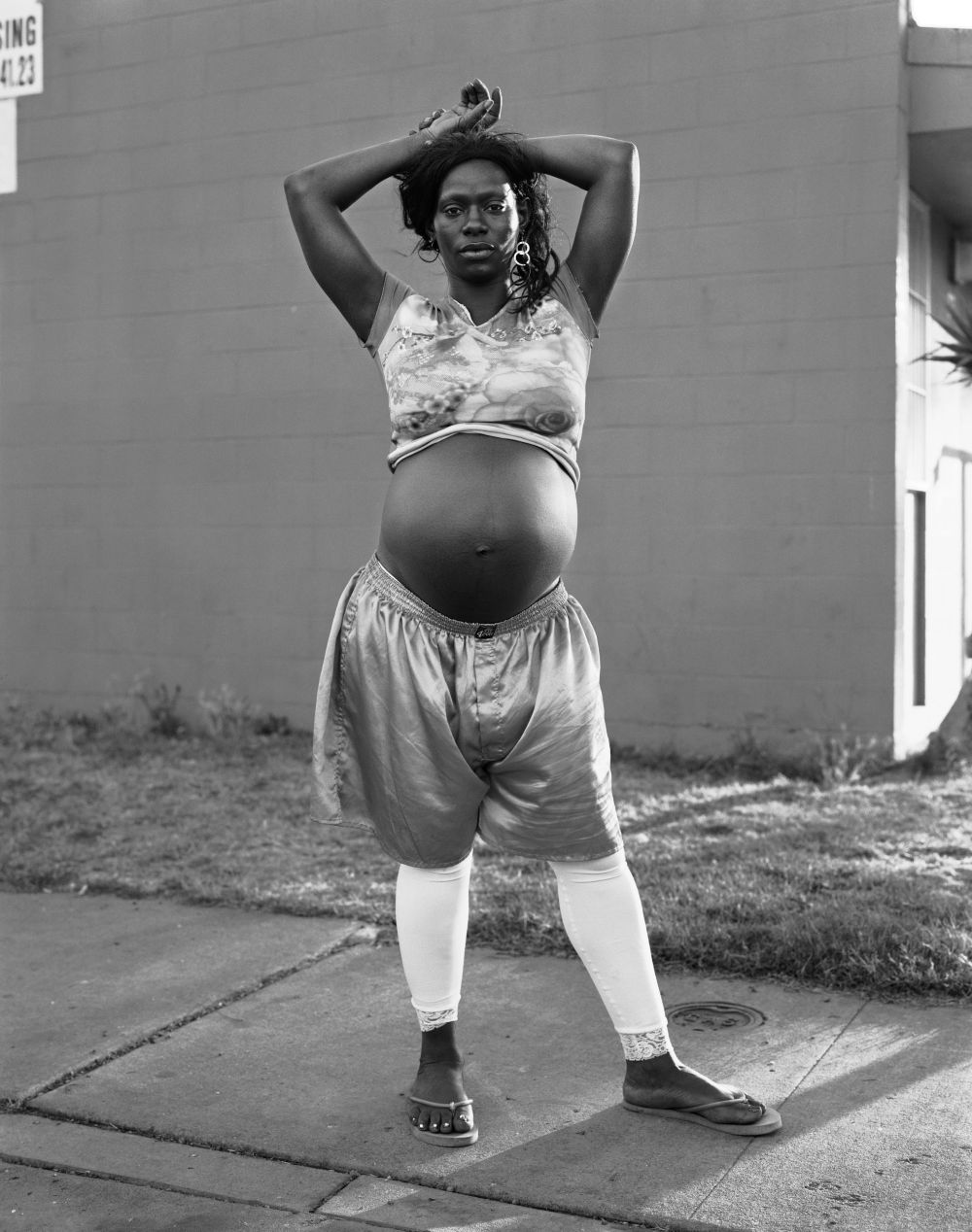
Dana Lixenberg. J 502008. Series Imperial Courts1993—present
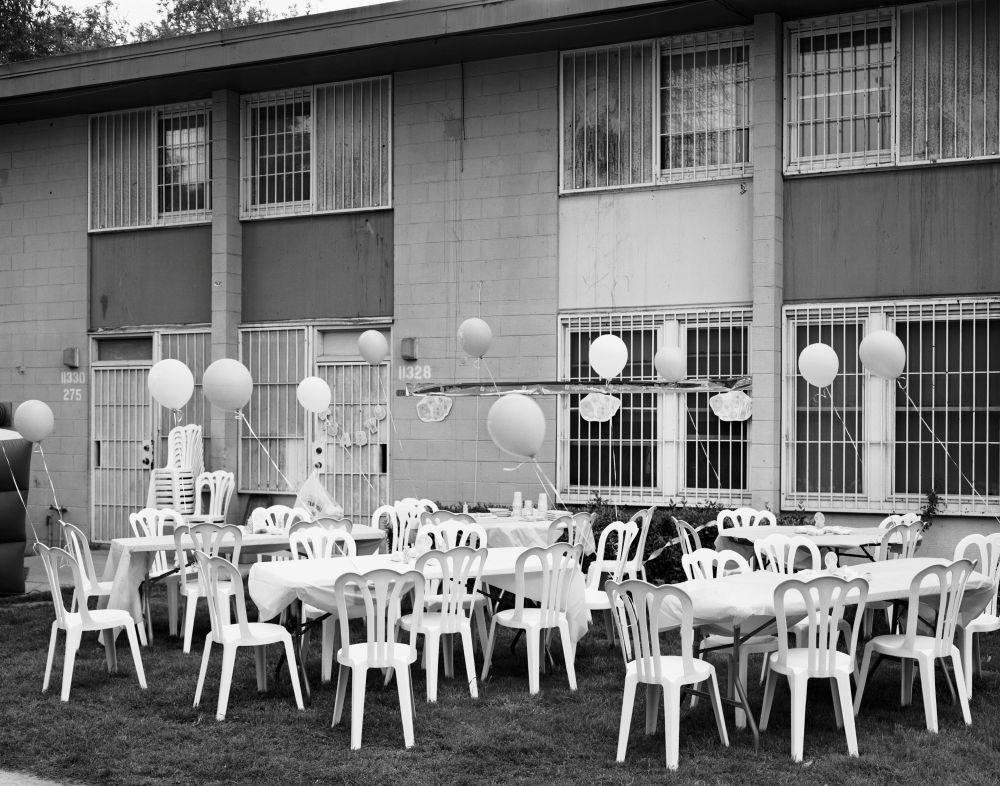
Dana Lixenberg. Tish’s Baby Shower2008. Series Imperial Courts1993—present
In the same year that he started Imperial Courtsand after this series had been partly published in vibeLixenberg portrayed Tupac Shakur in what is one of his most widespread images. This Atlanta rapper, who called himself 2Pac or Makaveli, died at twenty-five during a shooting in Las Vegas. Its early and violent outcome contributed to turning this composition into an icon, but it was probably so regardless of those circumstances: here 2Pac is not a conflictive individual, but rather someone sensitive and surely introspective, an artist. As such, with this same expression, it would be reproduced in murals, tattoos or posters.
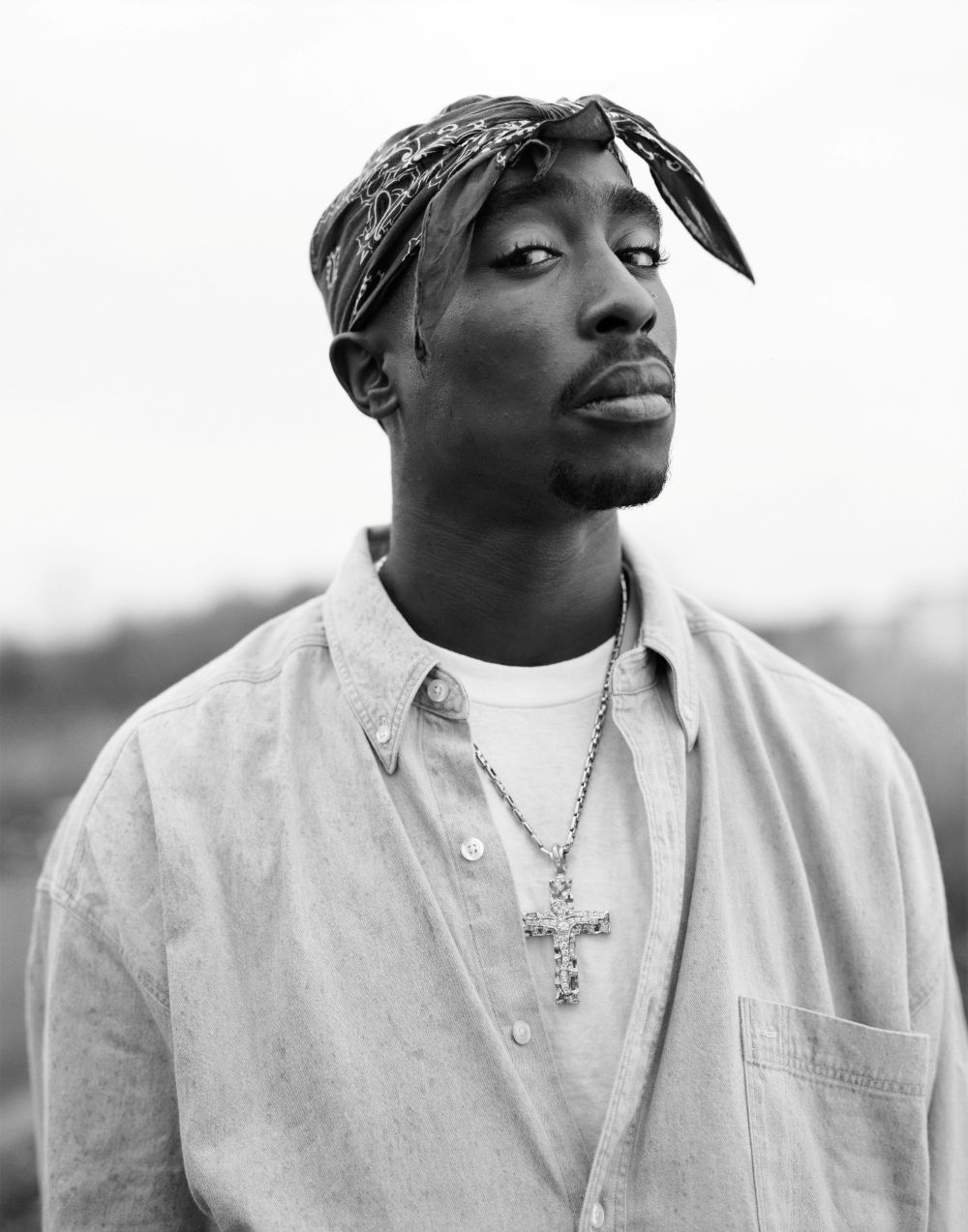
Dana Lixenberg. Tupac Shakur1993
And also in that year 1993, as early as it was crucial for Lixenberg, she began using Polaroid instant films to test the lighting and composition of her creations; These pieces, which emerged only as part of his work process, were given, as we said, to his models, so not too many are preserved. It stopped producing them in 2008 and those that it had collected were integrated into the volume Polaroid 54/59/79germ of an exhibition in Amsterdam four years ago.
They were tools, but it is evident that the Polaroids, with their imperfections and unerased marks, perfectly capture the naturalness and intimate nature of the Dutch woman’s photographic encounters. More than three hundred have arrived in Barcelona, which we will see in showcases designed specifically for them and accompanied by a projection.

Dana Lixenberg. John Rygland with a prayer group1997
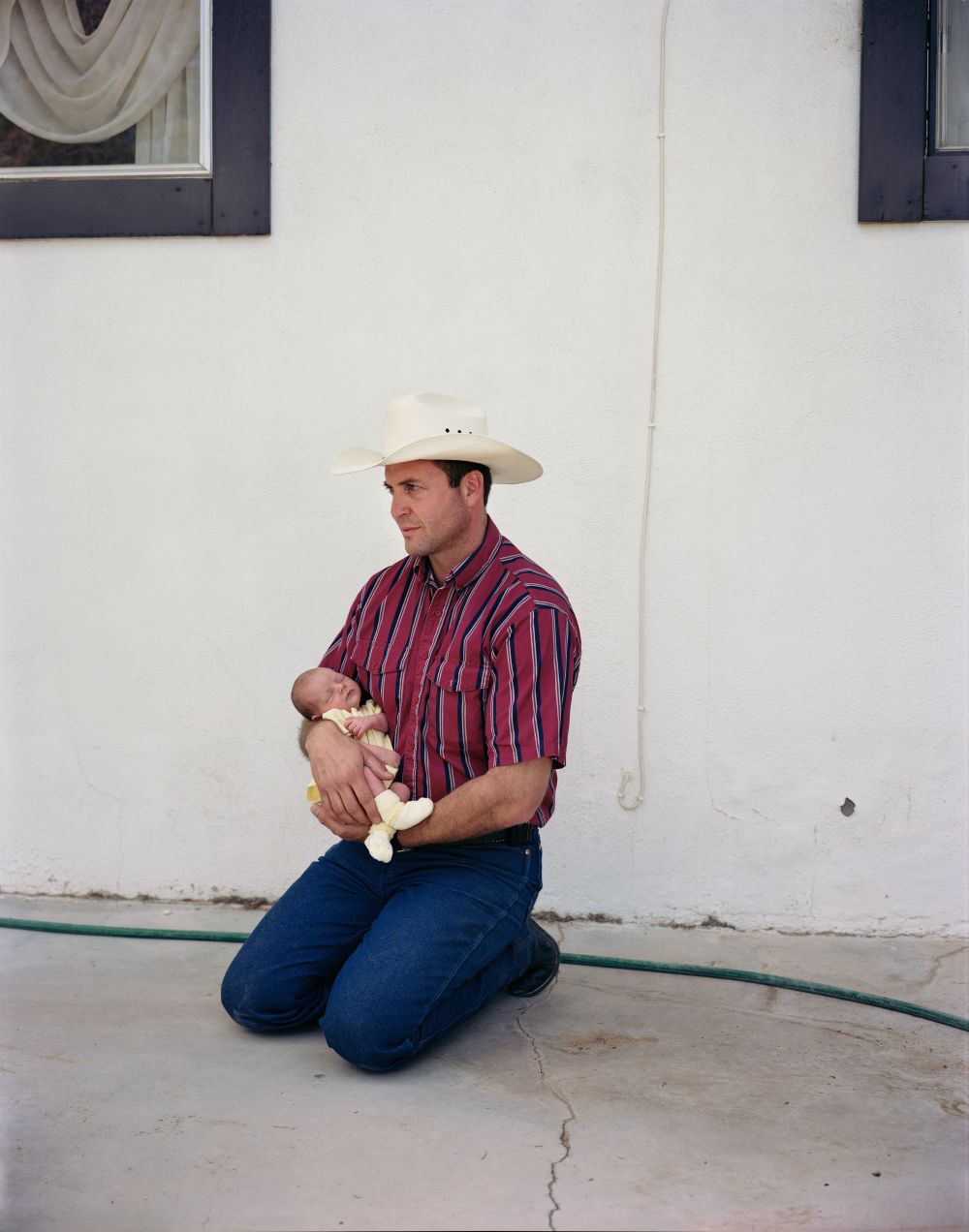
Dana Lixenberg. Cal Malarchuk1998
Halfway between the nineties and the 2000s, Lixenberg began two projects of very different nature; The first is focused on the homeless people of Haven House, in Jeffersonville, it began as a commission and ended as a very personal endeavor. Once again, we will hardly dwell on the life circumstances of these people who live on the streets; Rather, we will try to imagine their way of being and understand that their dignity does not depend on whether or not they have a roof over their heads. The second corresponds to his portraits of public figures—Whitney Houston, Allen Ginsberg, Kate Moss, Leonard Cohen, JayZ and Iggy Pop—and of anonymous figures that show the endless diversity of American society. We will not see any differences or hierarchies between them.
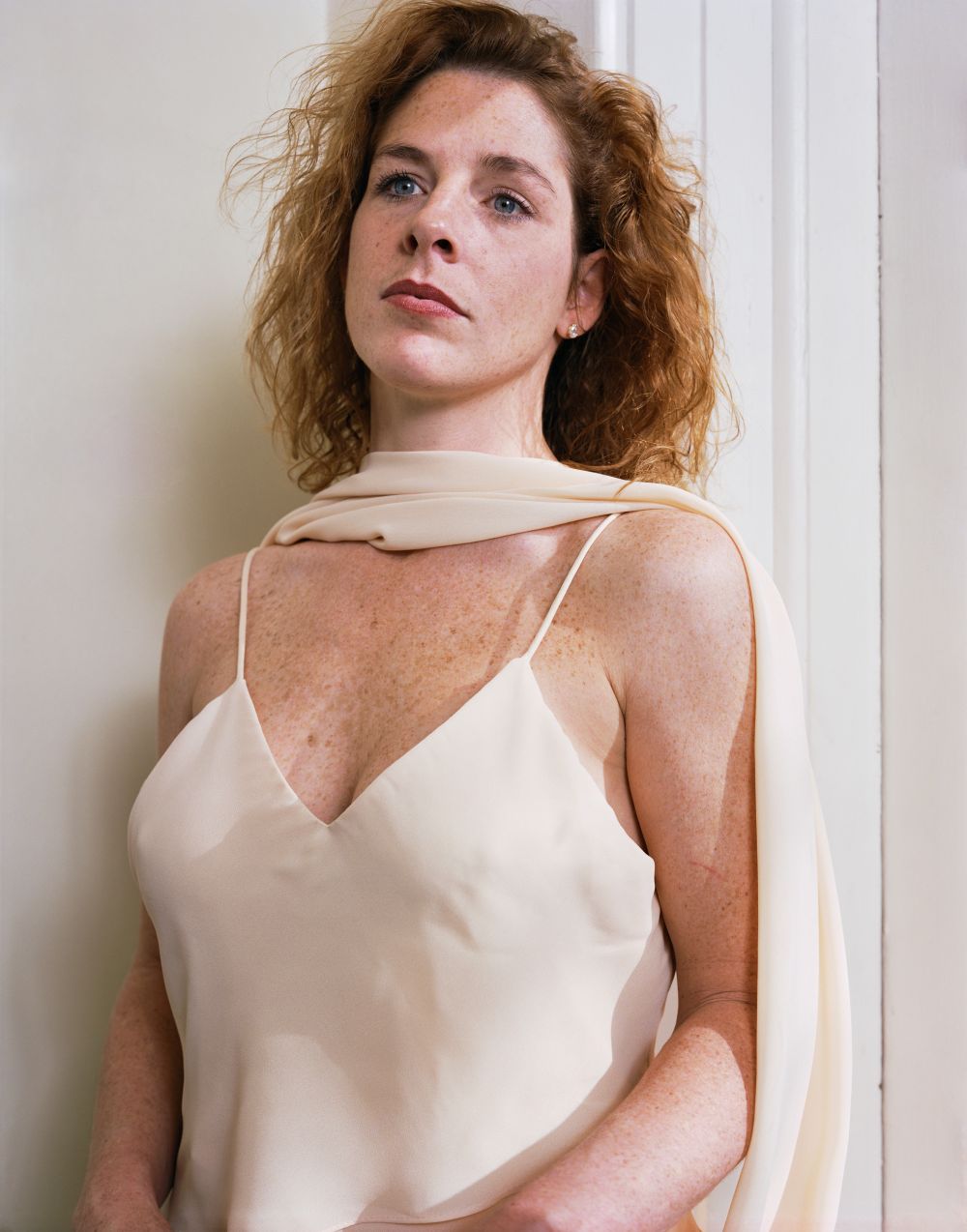
Dana Lixenberg. Patricia Miller1998. Series Jeffersonville, Indiana1997—2004
The most recent of his projects at KBr is The last days of Shishmaref (2007). The small community inupiaq who lives in this area of Alaska, in view of the intense storms and melting ice, voted in favor of being relocated, but their transfer has not yet taken place due to lack of funding – we are talking about six hundred people. Lixenberg went to this village at the invitation of a Dutch filmmaker, Jan Louter, and preferred to focus on the daily life of these people rather than the effects of erosion and floods: he has been concerned about the preservation of their culture and the effects of the loss of their lands. For everything that has to do with respect for their humanity.

Dana Lixenberg. Amos Olanna2007. Series The Last Days of Shishmaref
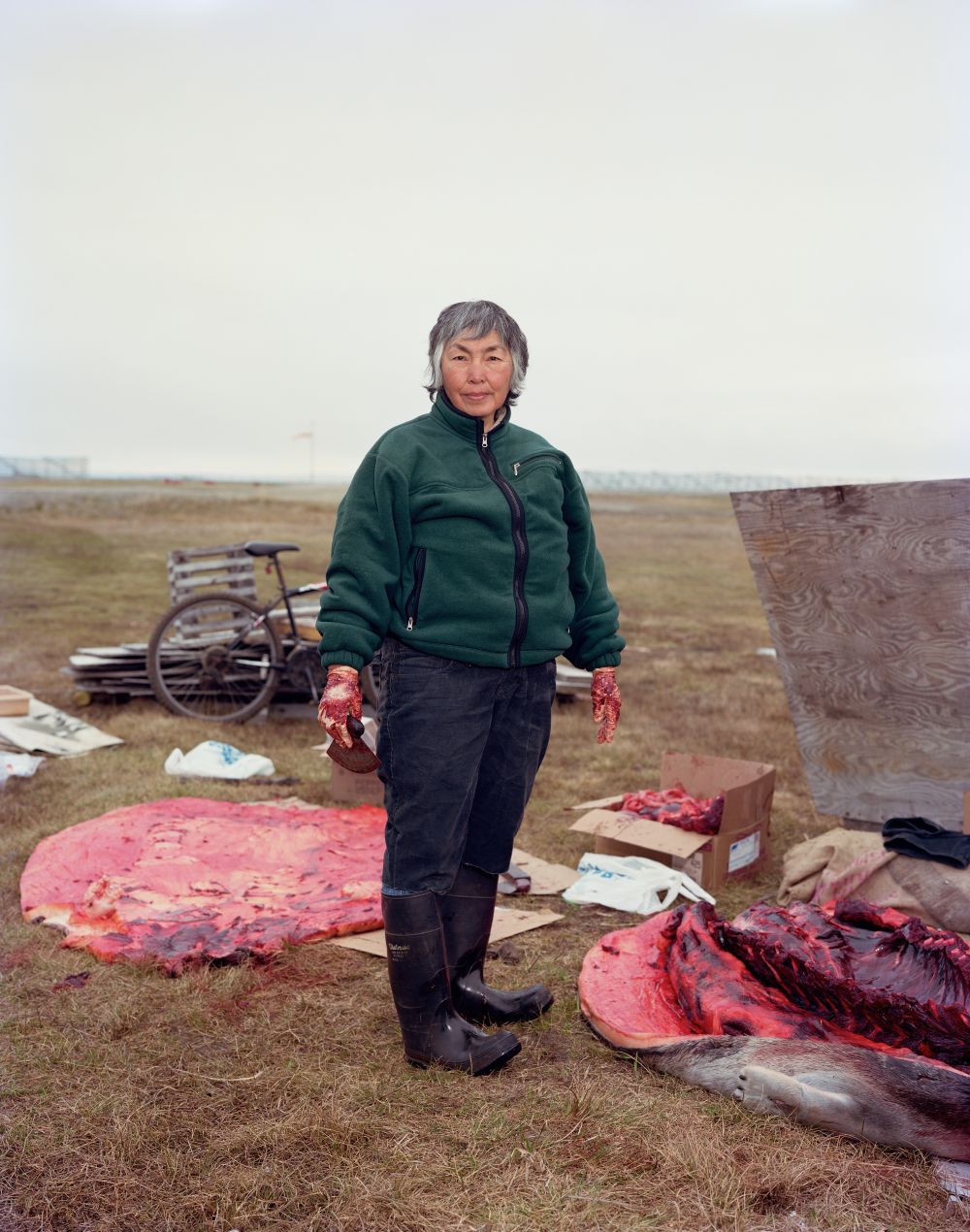
Dana Lixenberg. Ardith Weyiouanna2007. Series The Last Days of Shishmaref
«Dana Lixenberg. “American Images”
KBr MAPFRE FOUNDATION
Avenida del Litoral, 30
Barcelona
From October 1, 2026 to January 17, 2027