One of the nominees, in 2025, for the British Turner Prize, always turbulent and still prestigious, was Zadie Resident in Great Britain, she is the author of multiform projects that usually combine painting, sculpture, textiles, sounds and performative elements, in addition to, in their content, stories and fictions, dances, rituals and notes of folklore of Korean origin, the country from which her family comes.
From these wickers, Now he is the protagonist, under the curatorship of kha Hileman, in the new project – the fourth – of the “In Situ” program of the Guggenheim Museum Bilbao, which includes, as its title says, proposals conceived specifically for the architecture of the center designed by Gehry: his work is called The seed pattern and it can be understood as a temple, as a portal or a dream space, in short, as a place in which the artist wishes to bring together temporalities and ancestral, present and imaginary realities.
Interested in identities derived from migrations and diasporas, in stories that transcend the local, the validity of family legacies and communication options between species, the Canadian has devised an immersive installation that addresses the public’s senses in the first place but that, ultimately, aims to invite them to meditate on what they decide to keep as a legacy, the inheritances they choose to nourish and what they hope to obtain from that care. It also tries to emphasize that not all stories can be transmitted and celebrated or rejected: it incorporates clues to facts and experiences that were erased or repressed more by authoritarian systems than by individual forgetfulness.
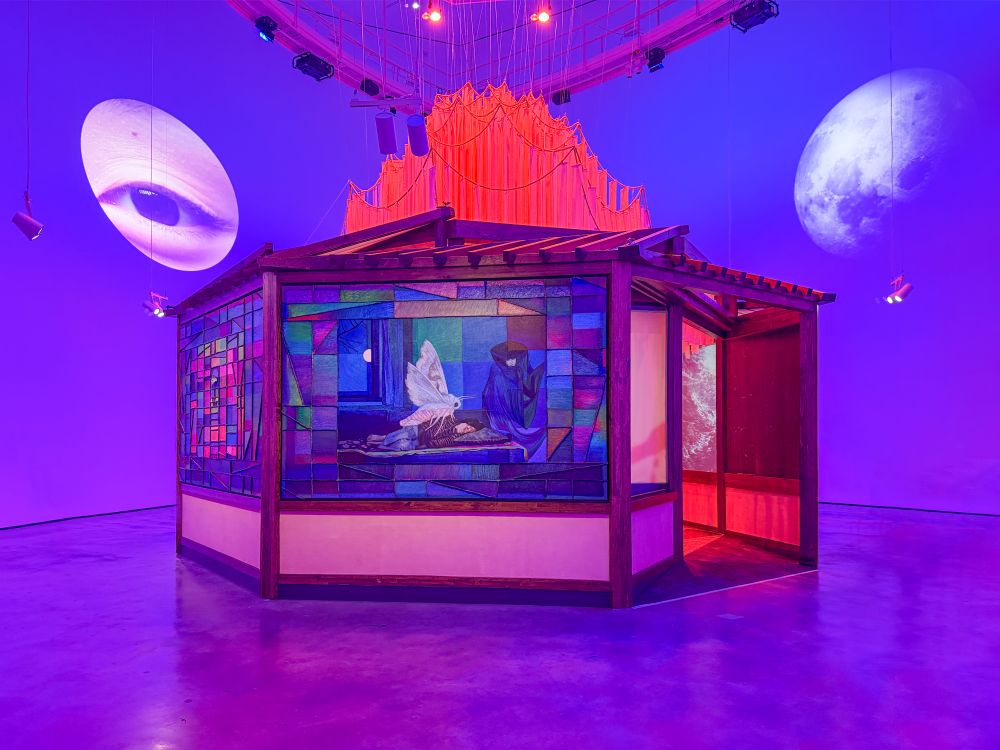
Zadie Xa. The seed pattern. Guggenheim Museum Bilbao. © Zadie Xa, Bilbao 2026. Photography: © Guggenheim Museum Bilbao Foundation
The seed pattern testifies that She never does it alone: beyond the stable group she integrates with Mayor, she constantly relies on dance, music, fashion and textile professionals.
If Korean mythology and customs provide a skeleton or backbone to their production, crafts, pop culture, music or fashion represent in their creations a kind of skin subject, to a greater extent, to the knocks of the passing of the years. However, between this base and its ramifications it makes fertile dependencies germinate: it has linked the organization of past matriarchal societies or the shamanism of the country of their ancestors to the relational rules of our time or to ecological issues that we address today and not a few decades ago.
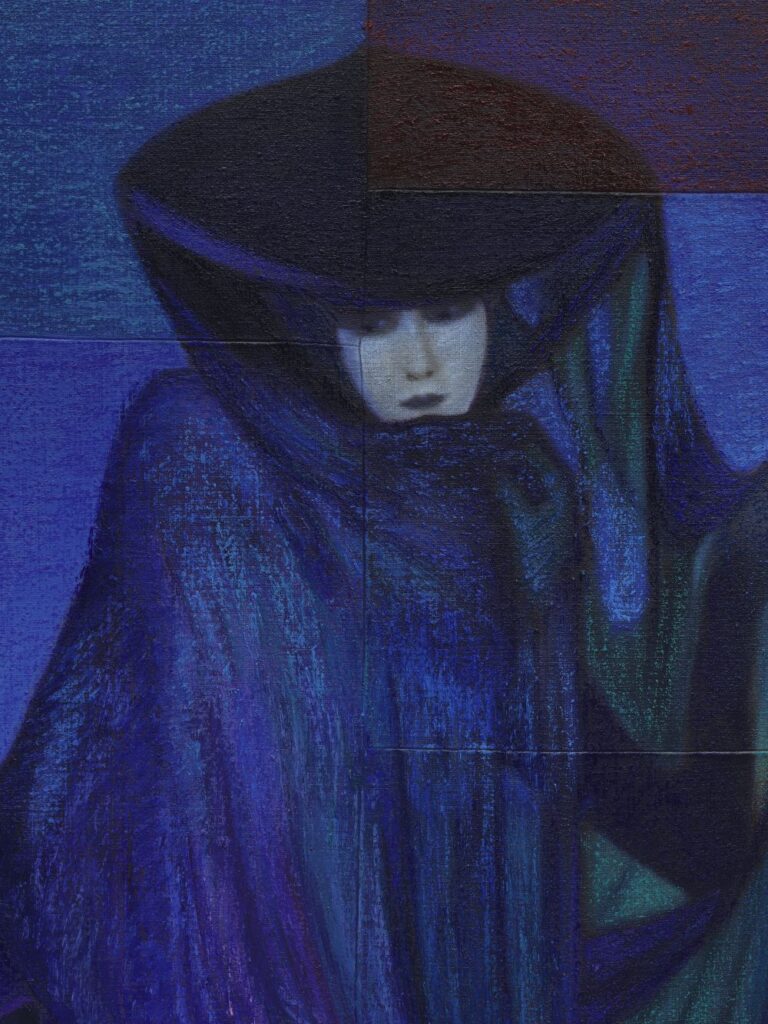
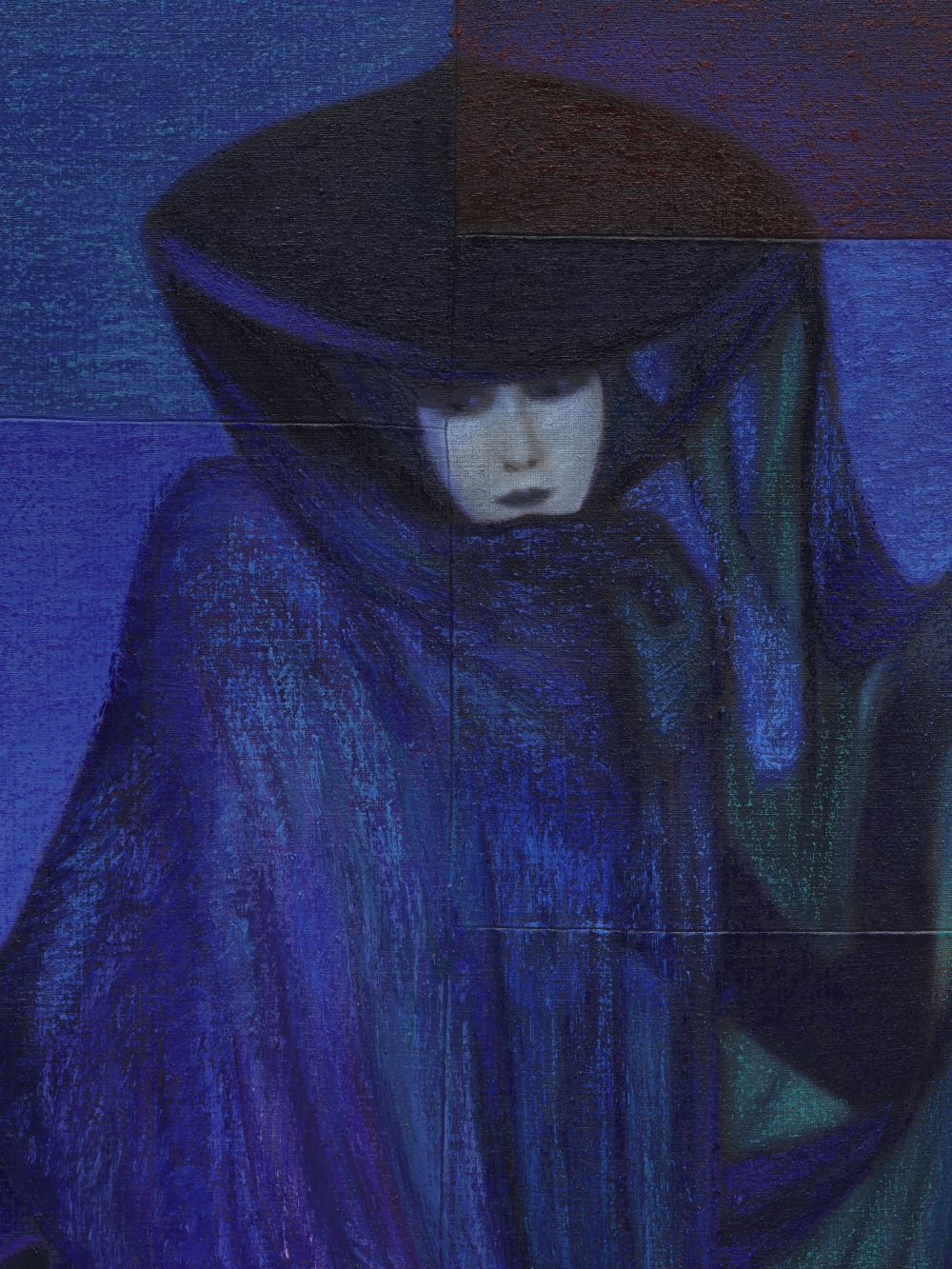
Zadie Xa. The visit (detail), 2026. © Zadie Xa, Bilbao 2026
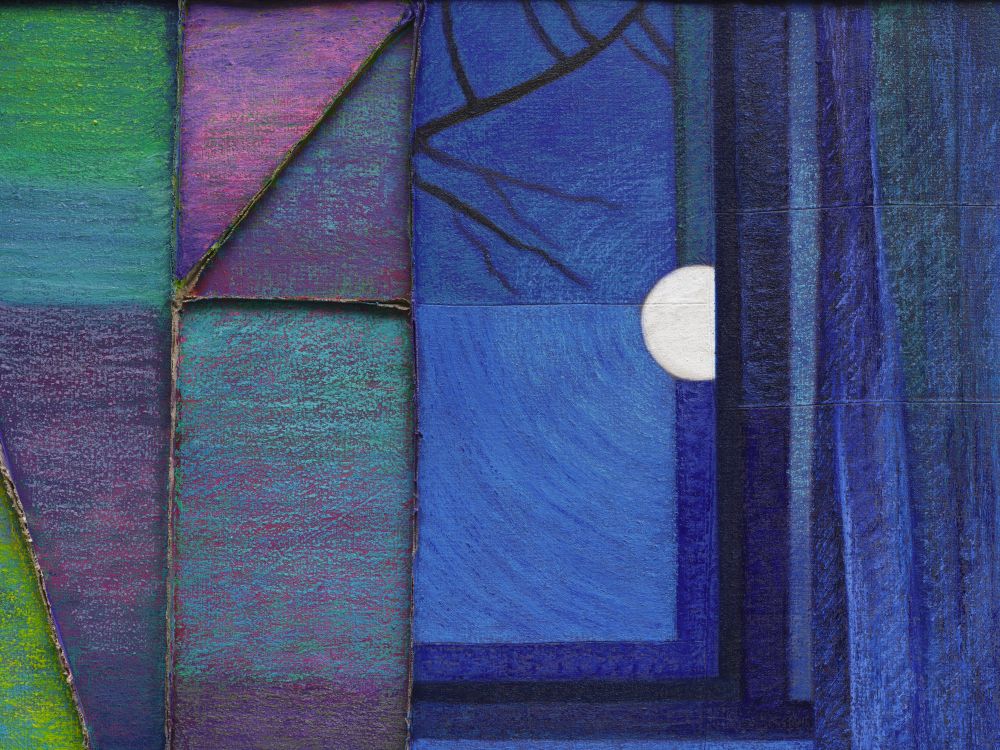
Zadie Xa. The visit (detail), 2026. © Zadie Xa, Bilbao 2026
His own autobiography serves to link this amalgam of references and is noticeable in paintings, sculptures and costumes: textiles, precisely, have gradually gained prominence in his production; His fabrics can become independent pieces or a fundamental part of his performances and he even goes so far as to frame his canvases in stripes of patchwork of bright tones that connect with the numerous Korean techniques linked to the union of scraps, such as the so-called bojagi (In that culture, the act of wrapping is usually related to good fortune and an act of respect towards the recipient of the object). Also with recent fashion trends that Xa has known in Canada and with the dress manufacturing resources that those who migrate usually use. Beyond this historical aspect, the Canadian is also attracted by the role of clothing in creating an alternative image of ourselves; In short, its potential as a vehicle for public representation of personal essences. When she makes a garment, she confesses to thinking in magic and the ability to shapeshift, in what it means to be a person of the diaspora or anyone involved in identity politics: the idea of shapeshifting, of changing who you are.
In the center of the enveloping installation that Xa (and Mayor Vallejo) have brought to Bilbao, a tree awaits us, a guardian and with a protective function. They were formerly present in almost all Korean villages; In reality, few geographical contexts do not have some sacred specimen where kind spirits reside. They embody the interweaving of the natural world with the spiritual, and are also, due to their very long life, witnesses of a history – and of an extensive range of ways of relating to the landscape – that the artist wants to explore in the greatest number of dimensions possible.
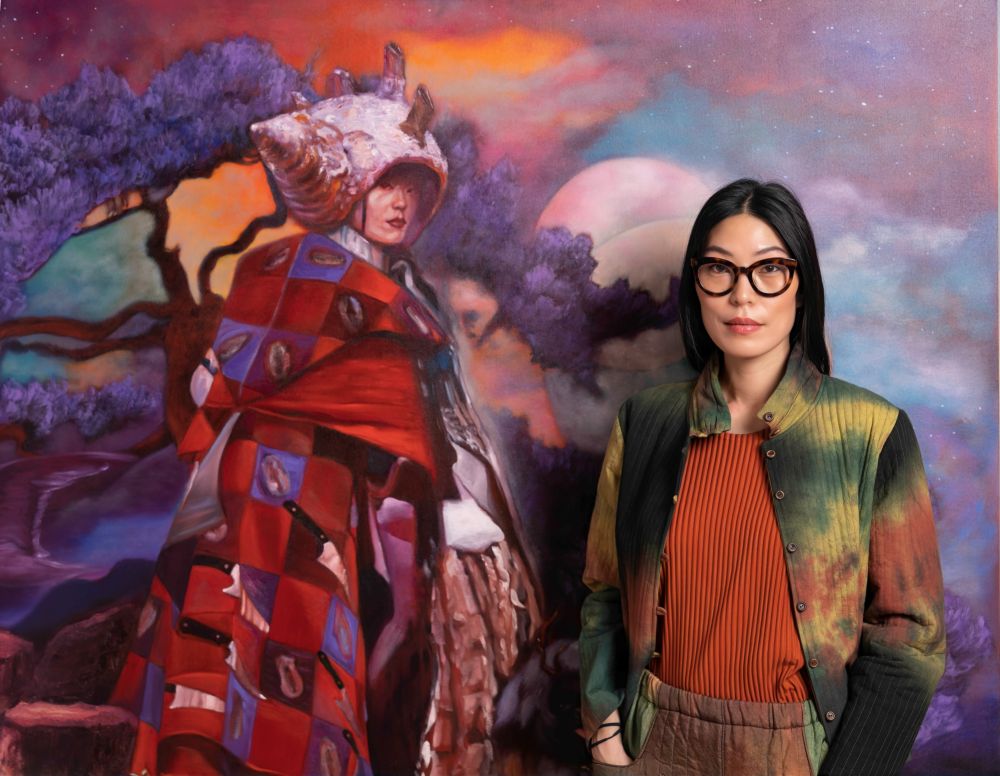
Zadie Xa. Photography: artifacts © Zadie Xa
«in situ: Zadie Xa. The seed pattern
GUGGENHEIM MUSEUM BILBAO
Abandoibarra Avenue, 2
Bilbao
From November 19, 2026 to April 11, 2027