102 new buildings will benefit from the “heritage lotto” windfall. Like every year, they correspond to a well -defined line. A total of 770 files were submitted to the Heritage Foundation, churches, castles, industrial, agricultural, maritime and military sites.
Religious buildings still represent the most important part, a quarter of the selected, a stable figure compared to the last two years. They cover a period from the Middle Ages to contemporary times, like the Notre-Dame de Penhors chapel in Pouldreuzic (Brittany). Built in the Middle Ages and rebuilt in 1963, it has been classified as a historic monument since 2017. Water infiltration has been found and expertise was ordered in 2023 for renovations. In Nancy, the Notre-Dame de l’Espérance chapel, built in 1972 within the Chru, requires a repair of his roof. In Saint-Pierre-et-Miquelon, the Sainte-Thérèse-de-l’Enfant-Jésus chapel, rebuilt after being destroyed by the winds, is again weakened by the climate of the archipelago.
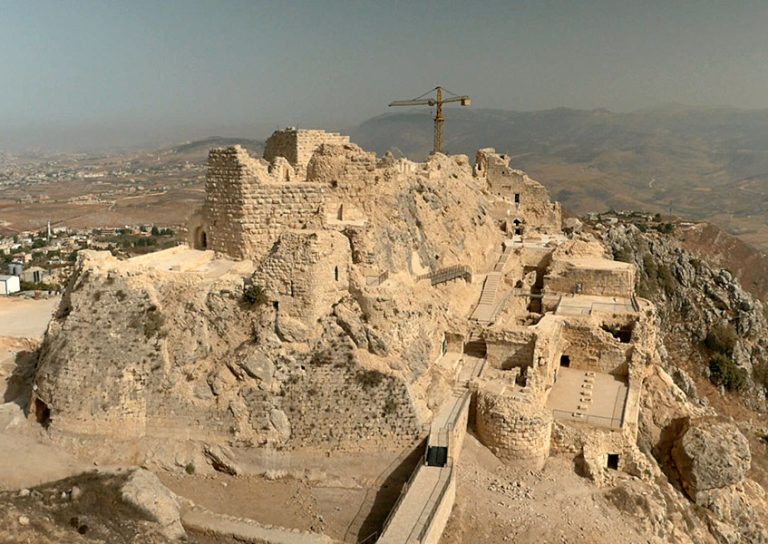
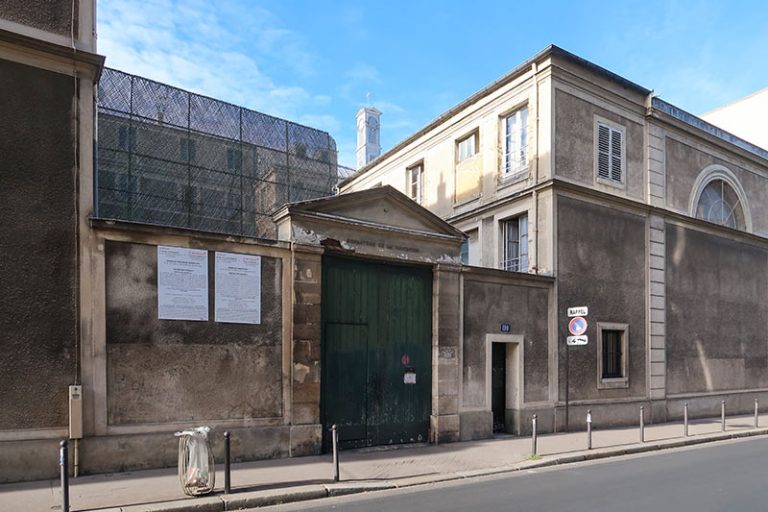
Châteaux and dwellings represent 16 % and 11 % of the selected projects respectively. The Château de Montferrand (Hérault), whose construction started in 1085 and which experienced several additions over the centuries, partly dismantled since 1705, threatens to fall into ruins. The Hôtel de Magny, located in the Jardin des Plantes in Paris and seat of the presidency of the National Museum of Natural History, also appears in the selection. Built between 1696 and 1,700 by the architect Pierre Bullet, it today presents a worrying state. The proportion of castles goes up after a drop recorded in 2024 (11 %), where they were behind the dwellings (16 %) and the rural and agricultural heritage (19 %).
Magny’s hotel in the Jardin des Plantes.
The 2025 edition is also characterized by a balance between protected buildings (classified or registered) and unprotected, the latter representing almost half of the projects. The distribution of owners is established between public owners (53 %), private (38 %) and associations (9 %). In addition, 39 % of the restored buildings are in municipalities of less than 2,000 inhabitants, for which the system constitutes a significant source of financing.
The projects selected are chosen from the files filed on the site of the Heritage Foundation and evaluated according to four criteria: heritage value, state of degradation, maturity of the project and revaluation project. The instruction is ensured by the departmental and regional delegations of the Foundation as well as by the representatives of the regional departments of Cultural Affairs (DRAC). The final selection is made by Stéphane Bern, at the rate of one site by department and a site by region. In total, 102 departmental projects and 18 regional projects are appointed each year, in connection with the European Heritage Days.
The funding is based on specific games of the FDJ organized for two weeks in September: a scratch ticket at 15 euros (including 1.83 euros is donated to the Heritage Foundation), eight prints between September 8 and 22 (54 Euro cents transferred by grid of 2.20 euros), and a super lotto on September 19, watch European heritage days (73 cents per grid of 3 euros).
Since its creation in 2018, the heritage lottery and the Bern mission in partnership with the Heritage Foundation have supported around 1,000 sites, including 18 emblematic selected each year. To date, 75 % of the selected buildings have funding: 290 are being catering and 440 restored.