Madrid,
The “La Caixa” Foundation announced this morning the new exhibitions that we can visit in Caixaforum Madrid in the 2025-2026 season, samples that will be focused on the trajectory and relief in the contemporary art of Henri Matisse; in the artists who have cultivated the technique of the uncovered, which had a pioneer in the monet of the nennuals; or in Asurbanipal, king of Assyria.
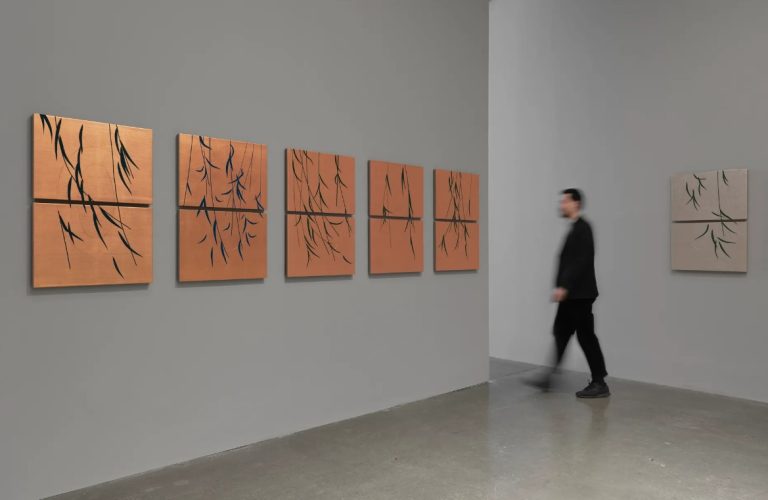
The first of them will open on September 16: it will be “unemployed. Another vision of art”; It arises from the collaboration with the Musée de l’Orangerie of Paris and will study the technique of blurry in art, especially in contemporary creation.
It will be a collective exhibition, which can be visited until April 2026, and that will depart from that series of Nenoufares of Monet, and of the introduction by the father of the impressionism of the hairy in the painting, to analyze the evolution of this phenomenon as a new way of representing and understanding the world for later creators, also in other disciplines. Some of them, present in the tour, will be Alberto Giacometti, Gerhard Richter, Mark Rothko, Eva Nielsen, Thomas Ruff, Alfredo Jaar, Soledad Sevilla, Christian Boltanski, Mame-Diarra Niang and Bill Viola.
Considered for decades almost a paradigm of abstract painting, the series of Nenoufares It has perhaps been a history of the great immersive facilities that would arrive later. However, the unfocused effect that characterizes the water extensions of these canvases – and that was initially explained by a possible ocular deficiency of Monet – had never been approached thoroughly. Currently, however, this artistic expression technique is understood as a conscious aesthetic choice, and as such will be the axis of this project.
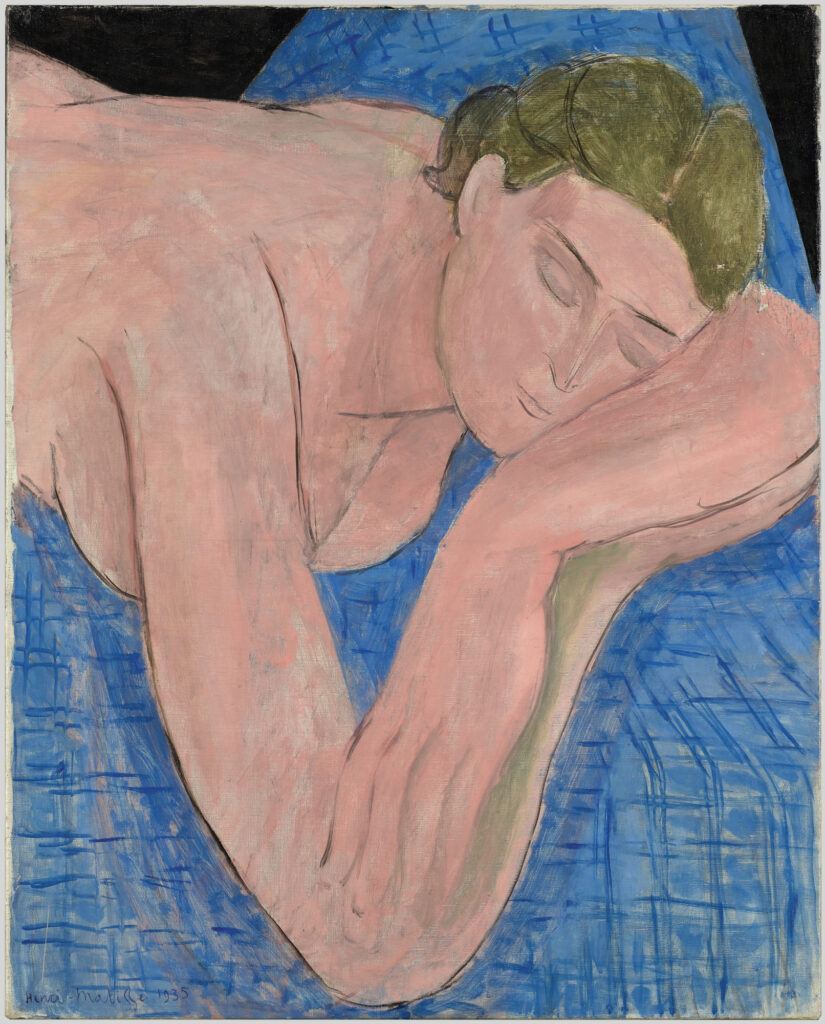
On October 28, CaixaForum opens “Chez Matisse. The legacy of a new painting”, another sample that is born from collaboration with a Parisian museum: the Pompidou center in Paris. It will be an anthology of Henri Matisse that will attend to the evolution and influence of the author who handled a innovative conception of color and that knew how to reformulate the composition of their canvases to turn them into mere pictorial surfaces, becoming a symbol of the avant -garde rupture with the established norms and the yearning for a new way of seeing and representing the world, with the risks that this entails.
This retrospect can be visited until February 22, 2026 and will be the first exhibition derived from the second strategic agreement between the “La Caixa” Foundation and the aforementioned Pompidou Center, immersed in works of architectural renewal.
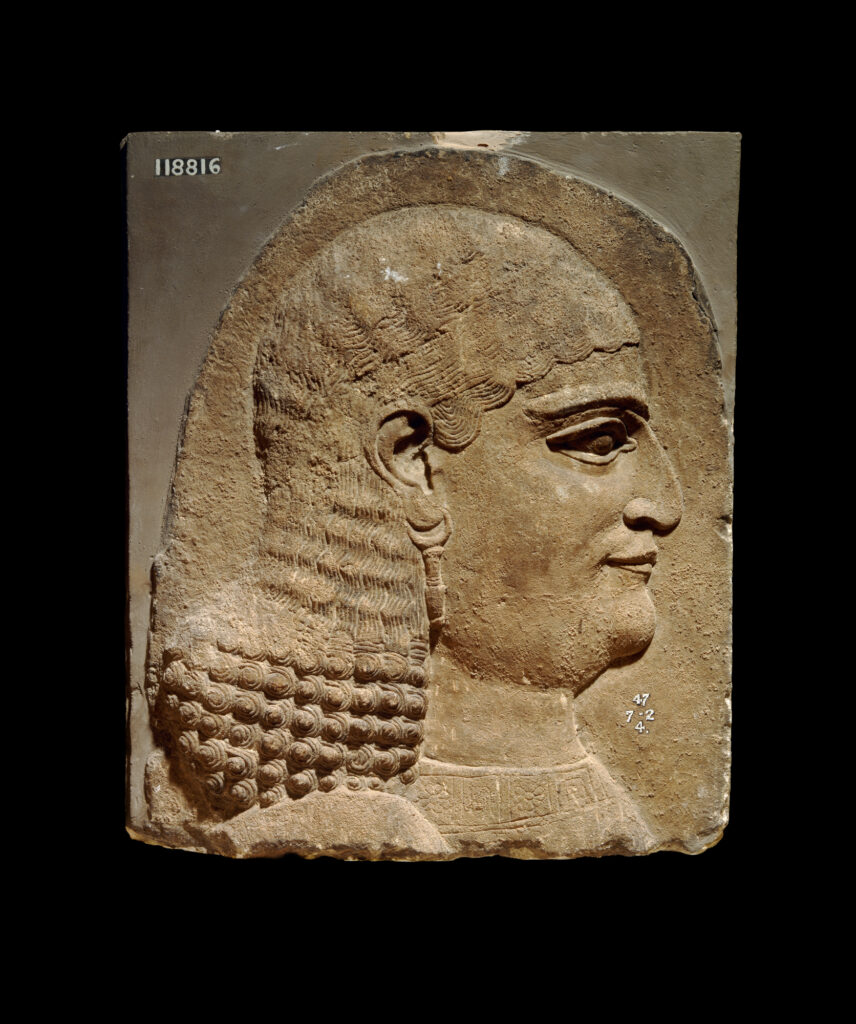
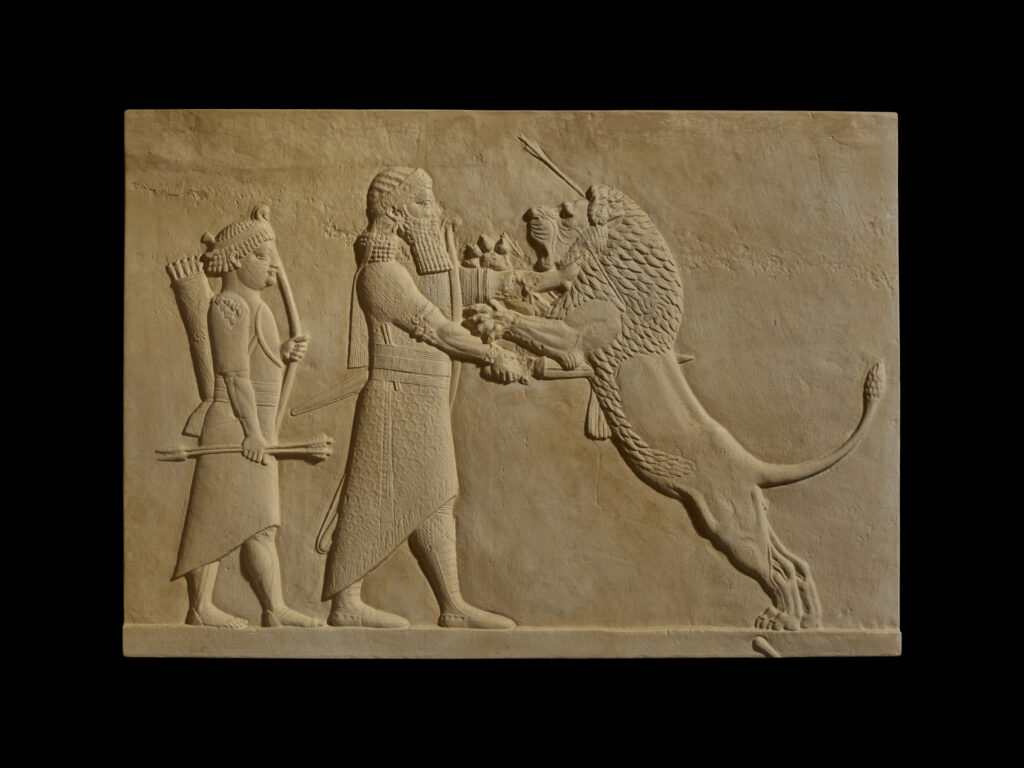
From April 8 until October 4, 2026 he will wait for us in CaixaForum Madrid “I am Asurbanipal, king of the world, king of Assyria”, organized next to the British Museum. He will delve into the figure of this ruler, as powerful as relatively forgotten given its importance, and on the road will affect the need to preserve the threatened Assyrian cultural heritage.
Between 669 a. C. and 631 a. C., Asurbanipal ruled the largest empire in the world from the urban nucleus of Nineveh, the current Mosul, north of Iraq. His reign coincided with the high point of the Assyrian Empire, which covered from the coast of the Eastern Mediterranean to the mountains of the West Iran, and with the flowering of its economy and the expansion of artistic styles, philosophical currents and human movements in the whole of the Mediterranean and the Middle East. Through about 150 objects, the exhibition will review the life and influence of this monarch.
The last proposal of Caixaforum Madrid in the new course will open its doors on June 17: “We are nature. An immersive audiovisual experience” will encourage to discover the richness of biodiversity and protect the environment.
And we still have time to visit, until September 14, “Voices of the Pacific. Innovation and tradition”, a tribute to the wealth and the multiplicity of the artistic traditions of those who live and inhabited in the Pacific Islands through two hundred objects arriving from the funds, again, of the British museum.