Fifteen years ago, the Recoletos rooms of the Mapfre Foundation, and then other venues, hosted the exhibition “The hand with a pencil. Drawings of the 20th century”, which for the first time brought together a hundred drawings from the funds of that institution from which a tour of the history of that discipline, and of art in general, was proposed during the first half of the last century.
It was a fundamental objective of that project to highlight that, in contemporary times, drawing was no longer always a note or sketch, the previous step to another finished composition, but rather an autonomous work whose value did not reside in its subsequent fruits. And the stages analyzed in the itinerary were those represented by authors still attached to tradition, such as Sorolla or Fortuny; by those immersed in innovative currents, such as Francis Picabia, Auguste Rodin or Egon Schiele; those of avant-garde creators, from Torres García and Sonia Delaunay to the School of Paris; by the surrealists and by those, like Arturo Souto, who cultivated a certain nostalgia for customs after the Civil War.
That exhibition is the origin of “Drawing Modernity (1864-1968)”, which has just opened at the San Telmo Museoa and which, to that presentation, adds funds from this Basque center to reach nearly 160 works, dated between the end of the 19th century and the mid-20th century. The Leyre Bozal police station, who has insisted in San Sebastián on what drawing, the pencil line, has as the first and perhaps most refined and authentic expression of artistic stimulation: Drawing is one of the most naked and silent arts, one of the closest to the impulses and states of the unconscious, and also for this reason one of the purest and most primitive. At the same time, it is extremely fragile, sensitive to light and delicate in handling, hence the difficulty in being preserved and collected, in being exhibited. The intimate and private context from and for which they emerged, in most cases, is also now transmitted to the viewer, who by necessity to examine them will have to get close to them and almost intuit the movements and sensations of the artist.
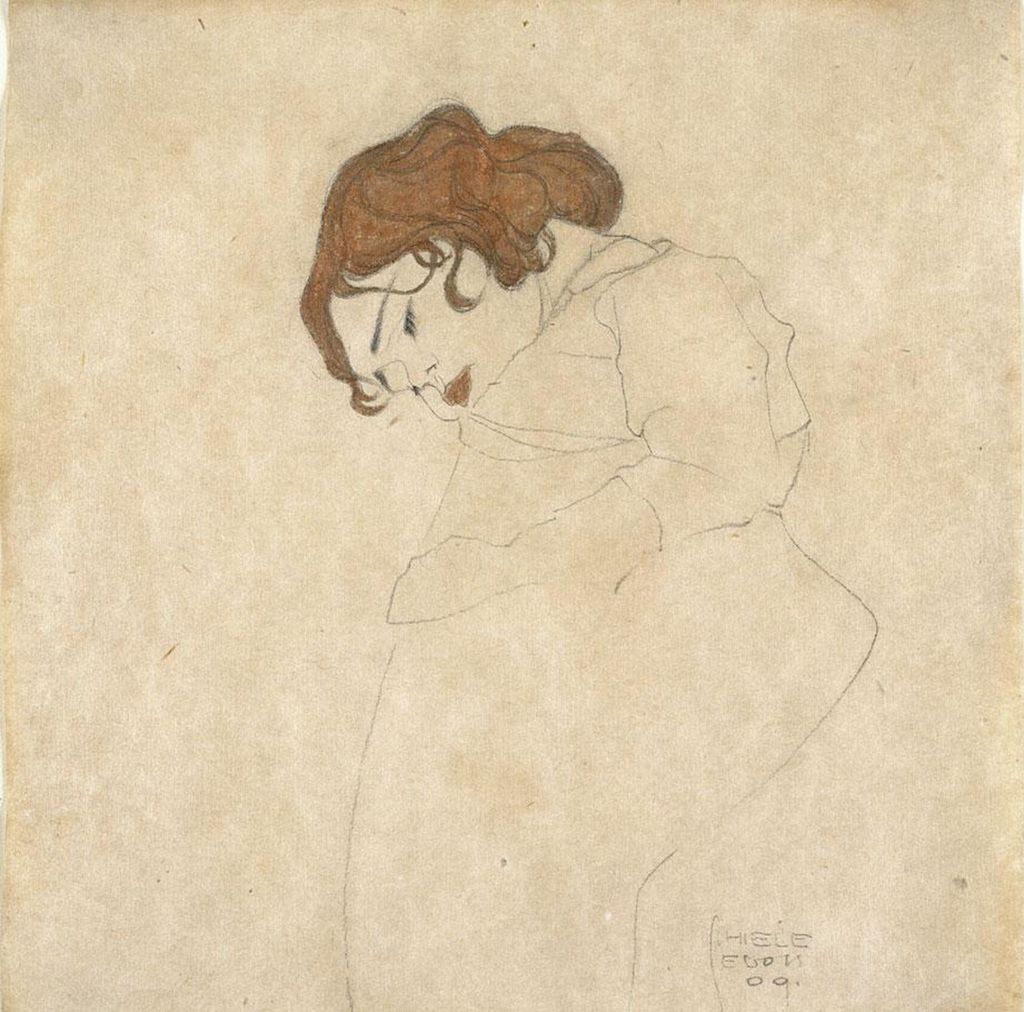
Egon Schiele. Young girl asleep1909. Mapfre Foundation
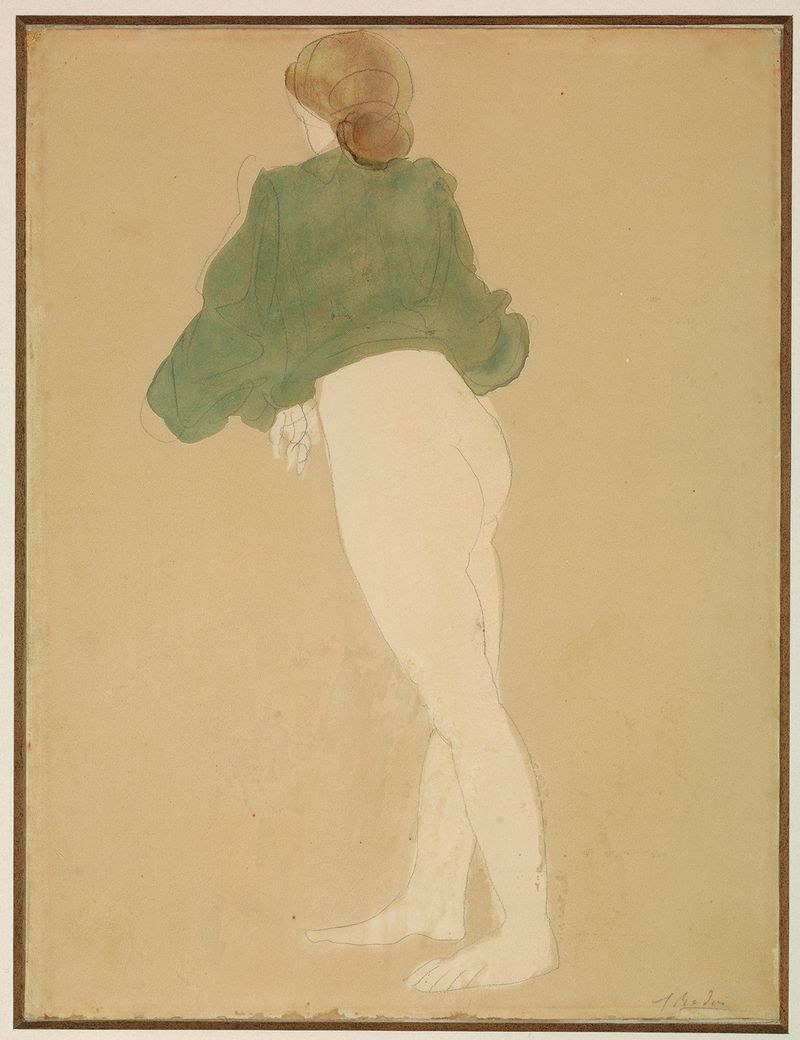
Auguste Rodin. Woman from behind with green shawl. Mapfre Foundation
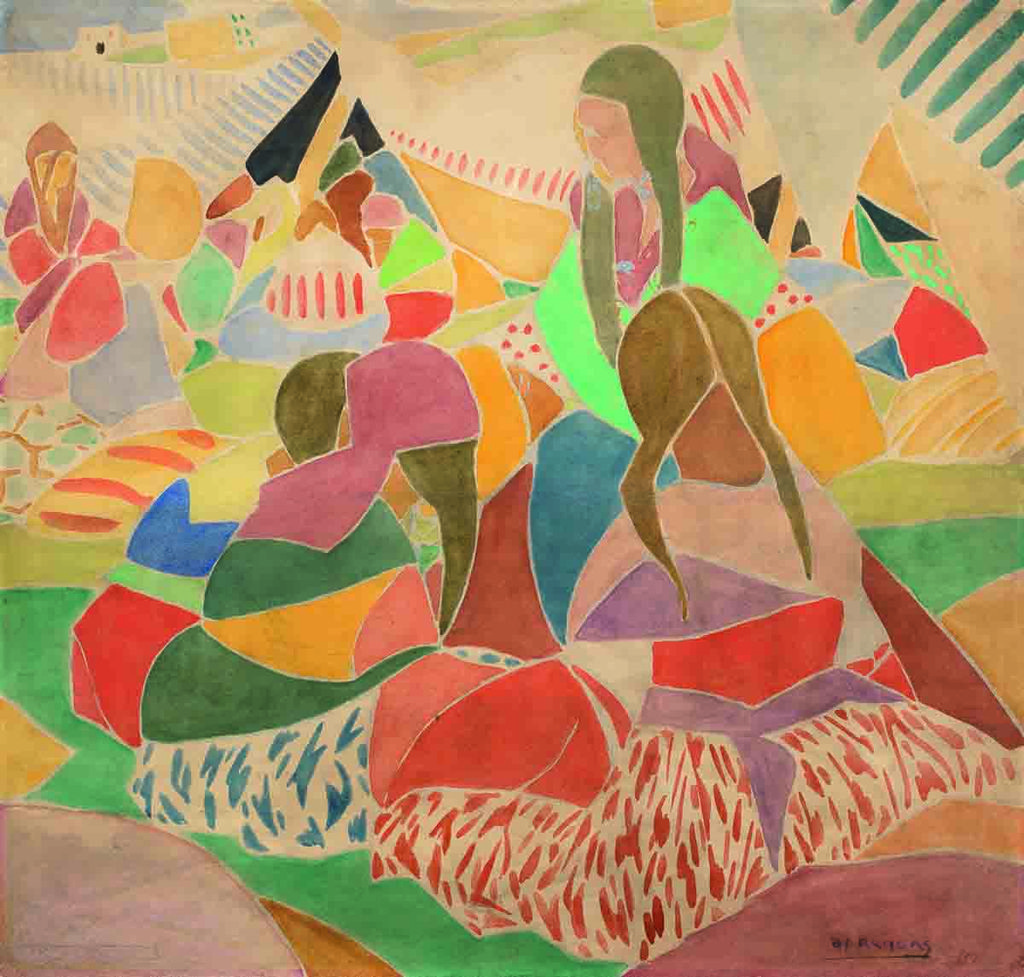
Rafael Barrades. Zingaras1917. Mapfre Foundation
It was precisely in the last decades of the 19th century, the period in which this exhibition begins, when some creators began to draw as they painted, gradually introducing changes in this medium. It did not cease to be, as it continues to be today, part of the mechanism of the creative process of independent pieces, but an increasing number of artists approached it by focusing on their own possibilities and emphasizing its evidently modern aspect, inseparable from its spontaneity.
Among those contributed to this exhibition by the Mapfre Foundation’s collection are international or Spanish figures who were also international figures, from Degas to Picasso, including Juan Gris, Maruja Mallo or the aforementioned Auguste Rodin and Egon Schiele, while in the San Telmo collections we will find fundamental names of Basque art, such as Zuloaga, Aurelio Arteta, Nicolás Lekuona, Mari Puri Herrero or María Paz Jiménez. They make up a cabinet with images of twenty-five artists, some barely disclosed but interesting for their technical quality, their aesthetic and documentary value or for the information they add to the context in which they were born.
The set of drawings of the San Sebastian space, like the rest of its collections, have been treasured over 125 years and through purchases, donations and deposits. The first to enter the Fine Arts collection, thanks to a donation, did so in 1901, already a year before the museum opened.
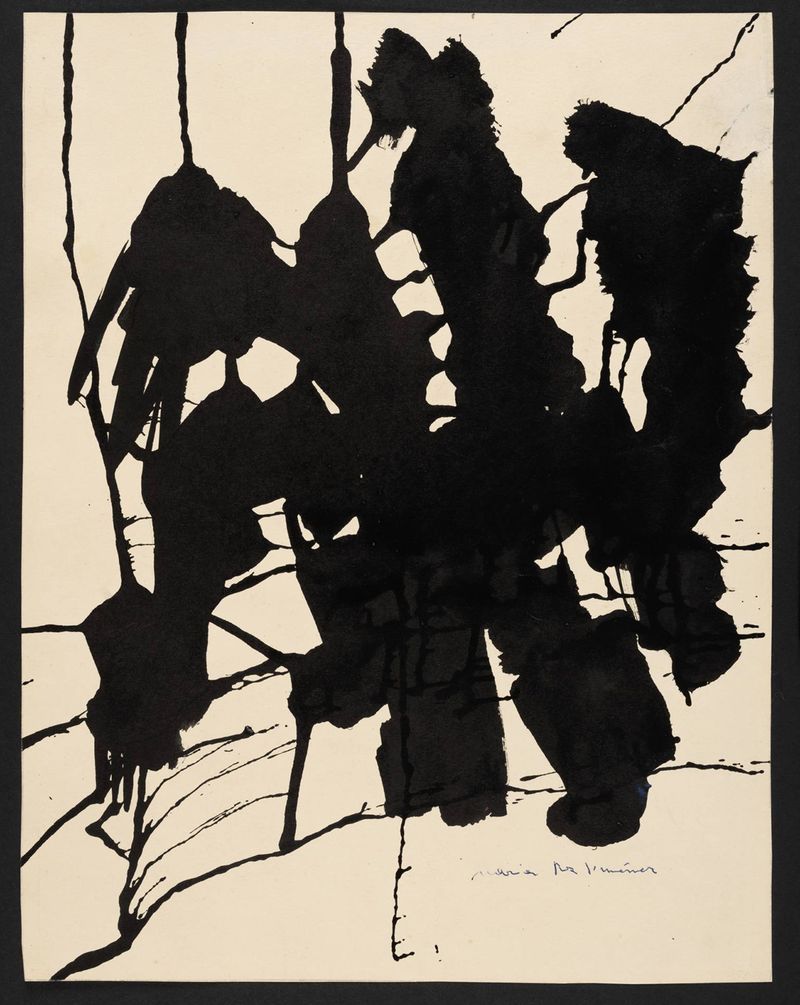
María Paz Jiménez. black shadows1952-1953. San Telmo Museum
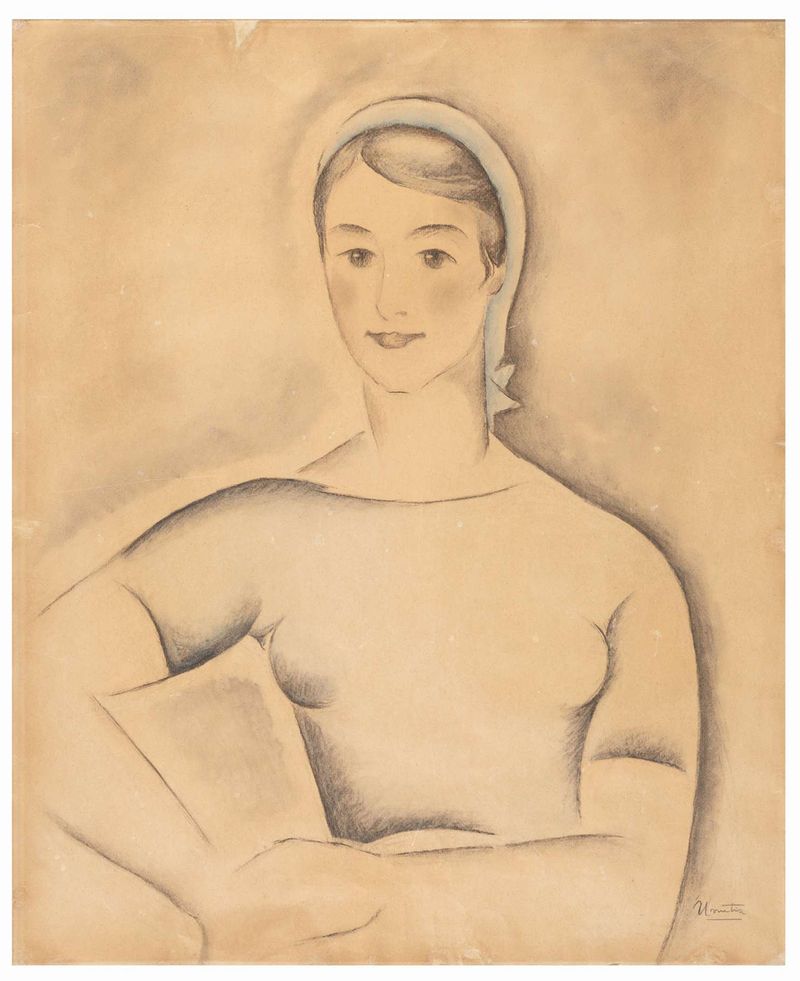
Jenaro Urrutia. Neskaaround 1925. San Telmo Museoa
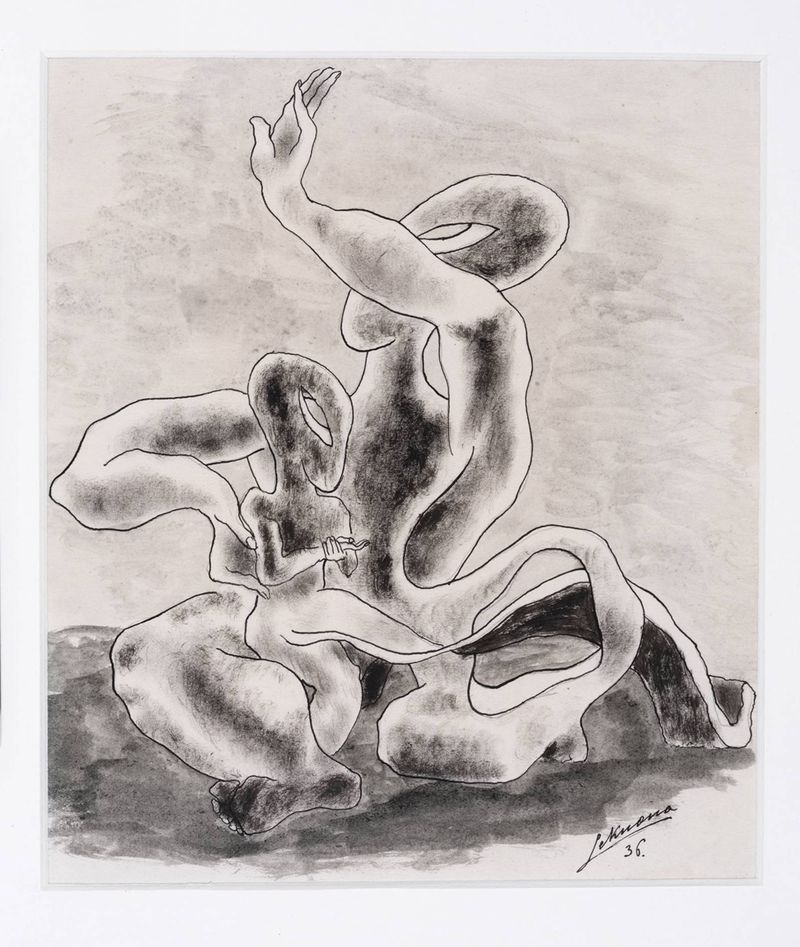
Nicholas of Lekuona. Untitled, 1936. San Telmo Museoa
«Drawing modernity (1864-1968)»
SAN TELMO MUSEUM
Plaza Zuloaga, 1
San Sebastian
From June 20 to September 27, 2026