Madrid,
When the impressionists, in the same scenarios and the same dates, embodied the fascination of the new urban leisure born in the heat of the industrial revolution and represented trains and stations that sent to then unpublished rhythms in the city, Raimundo de Madrazo -home of Ricardo, son of Federico, grandson of José and brother -in the models and, especially, the skin; He was one of the great painters of his carnations and gestures.
As he claims his first major anthological exhibition, which on September 19 will open its doors to the public at the Mapfre Foundation and that has been curated by Amaya Alzaga, who in the presentation of this project referred to the artist as the Vermeer of the nineteenth century For that attention to the small, to the spaces where there was no hurry. After knowing the success and being claimed by aristocrats, bourgeois, politicians and actors, years came in which Raimundo de Madrazo remahed the tasting of his time; He knew it, and even worked at the end of his life in a great historical theme painting that he did not find a buyer. To his death, practically in oblivion in 1920, ABC He titled the information as “Paris, illustrious dead”, not to mention his name.
This loss of the favor of criticism explains that their work in the collections of important institutions have reached them, except exceptions, through donations, rather than acquisitions (this is the case of Ramón de Errazu to the Prado Museum) and that works of the author who were in private funds are still emerging.
It is estimated that it carried out, approximately, four hundred pieces -a strange number among the artists of their medium fertility time -and of this exhibition in Madrid is approximately a quarter of that production: its higher quality compositions, except some that has not been able to find. Their themes are repeated, as is the case among all gender painters, but the trained eye will discover in them a language that transcends, based on respect for tradition and its punctual emulation, in refinement, thoroughness in detail and technical skill in the capture of textures.
Raimundo de Madrazo developed his career fundamentally between Paris and the United States (to the French capital moved in 1862) and we must understand his career in the light of the consolidation of the French bourgeoisie in the mid -nineteenth century. It was then that monarchy and aristocracy ceased to be the main campers of the most demanded artists, claimed from that time by professionals and possibilities that gained prestige with their pictorial acquisitions and who claimed, above all, those costumbristos scenes that used to support small boards or Tableautinsalthough sometimes they also reached major formats.
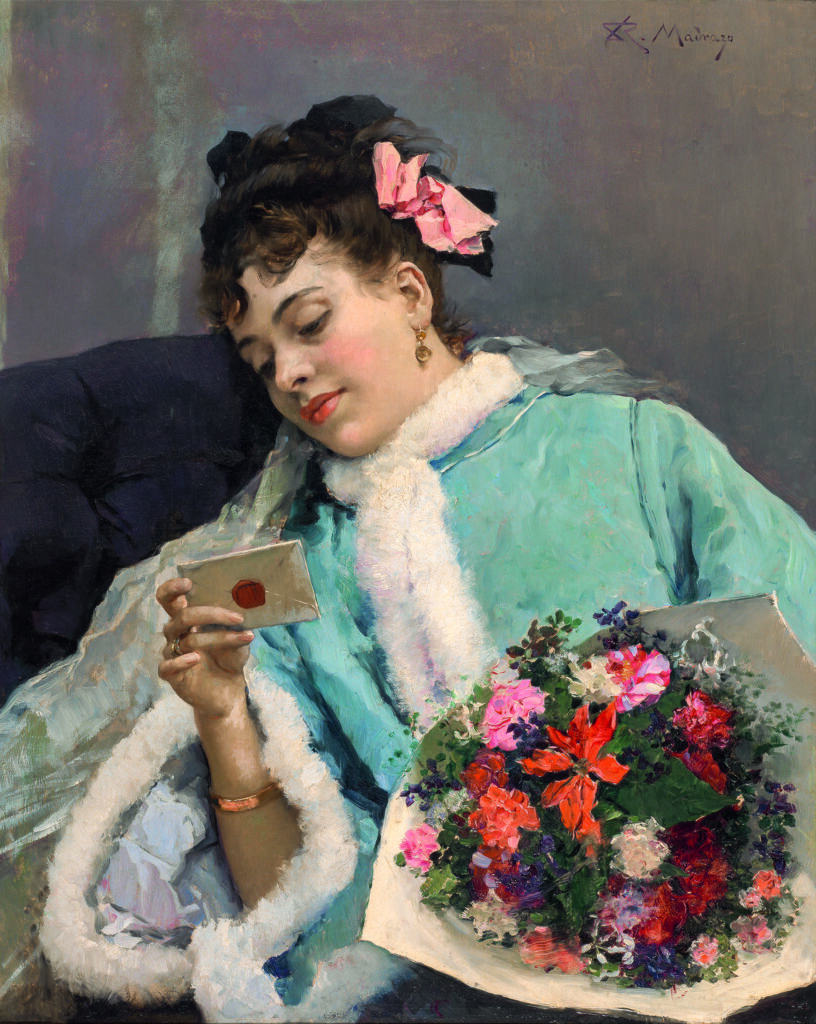
Madrazo made, with precious elegance, Toilettesrepresentations of women in the act of reading or writing or dances of masks, matters all attractive to the public of the change of the century, attending to codes that did not fit completely or with academic painting or with the avant -garde. They were among them, in the JUSTE MILIEU stated by Léon Rosenthal, a just medium that required technical perfection, but also an ingenuity that would not fall into excess, allowing these authors to prepare with an audience (and a criticism) little given to the extremes. Almost all artists who approached that aesthetics (Horace Vernet, Paul Dearoche or Léon Cogniet) have been relegated by historiography until recent time, for reasons that we can all suspect.
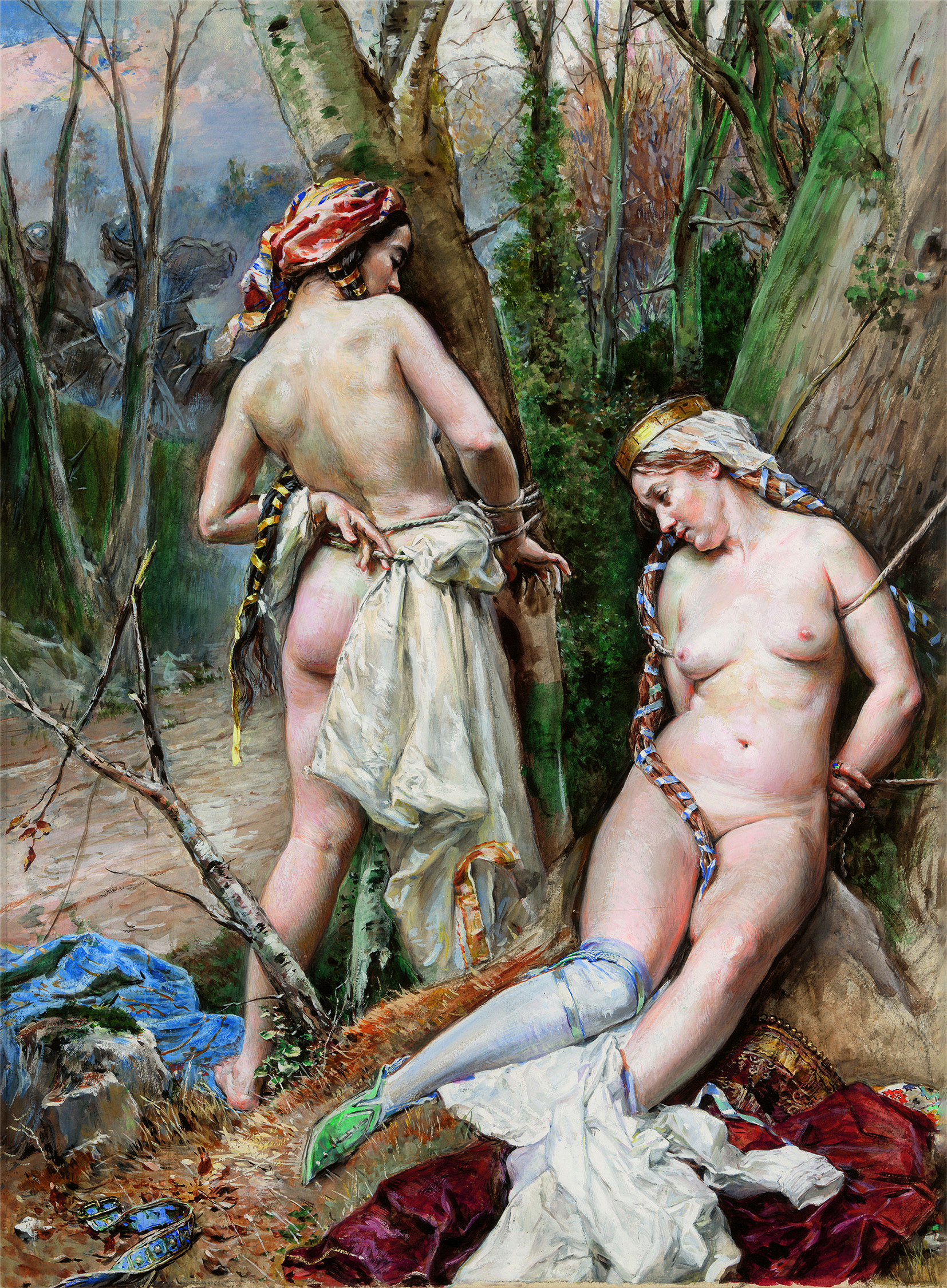
The exhibition in Mapfre Foundation, which in 2026 will travel to Dallas Meadows Museum, is structured in eight sections between the thematic and the chronological. The tour begins remembering his first training in Paris, moments when he had not yet taken distance from history painting, a genre that his father expected to cultivate. We will see your sketch for The death of Don Lope de Haro in the Courts of Alfarothe canvas that dedicated to the opening of the Cortes in 1834 or its delicate watercolor The daughters of the Cidin which the issue is already an excuse to explore the treatment of nude.
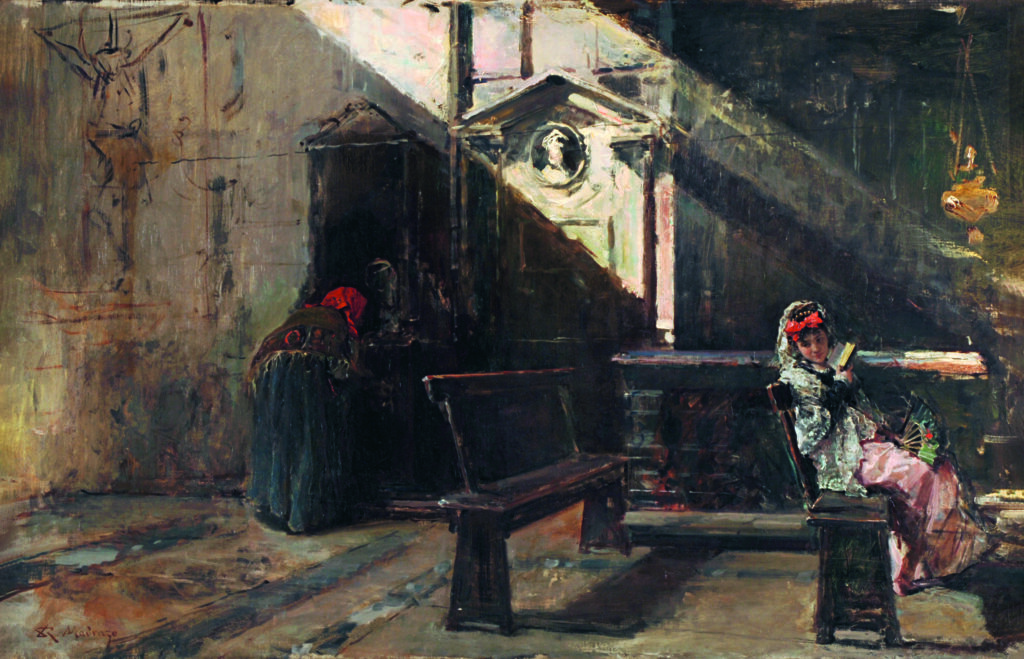
Together with his essential family inheritance, another artist who was for him a fundamental reference would be Mariano Fortuny, who would marry his sister Cecilia. From his hand he visited Andalusia several times, carrying out images of female types that they liked in Paris, but the precious footprint of that is also seen in his views of confessions inside the Roman Church of Santa Maria della Pace. Fortuny died early, in 1874, so we cannot know what directions he could have taken his collaboration.
The exhibition focuses, from that point, on the most beloved (and expected) reasons of the painter: domestic and interior scenes of bourgeois taste in which anonymous figures appear, usually feminine, in attitudes that gradually approach the Noncholencethe funny indolence; as well as views of the worldly Paris or dances, with or without costumes.
When high -class women were released from home tasks (so that they fell in an increasingly widespread domestic service), they were able to devote their time to reading, embroidered, play musical instruments, walk or attend these dances and shows; To that context many of these fabrics respond.
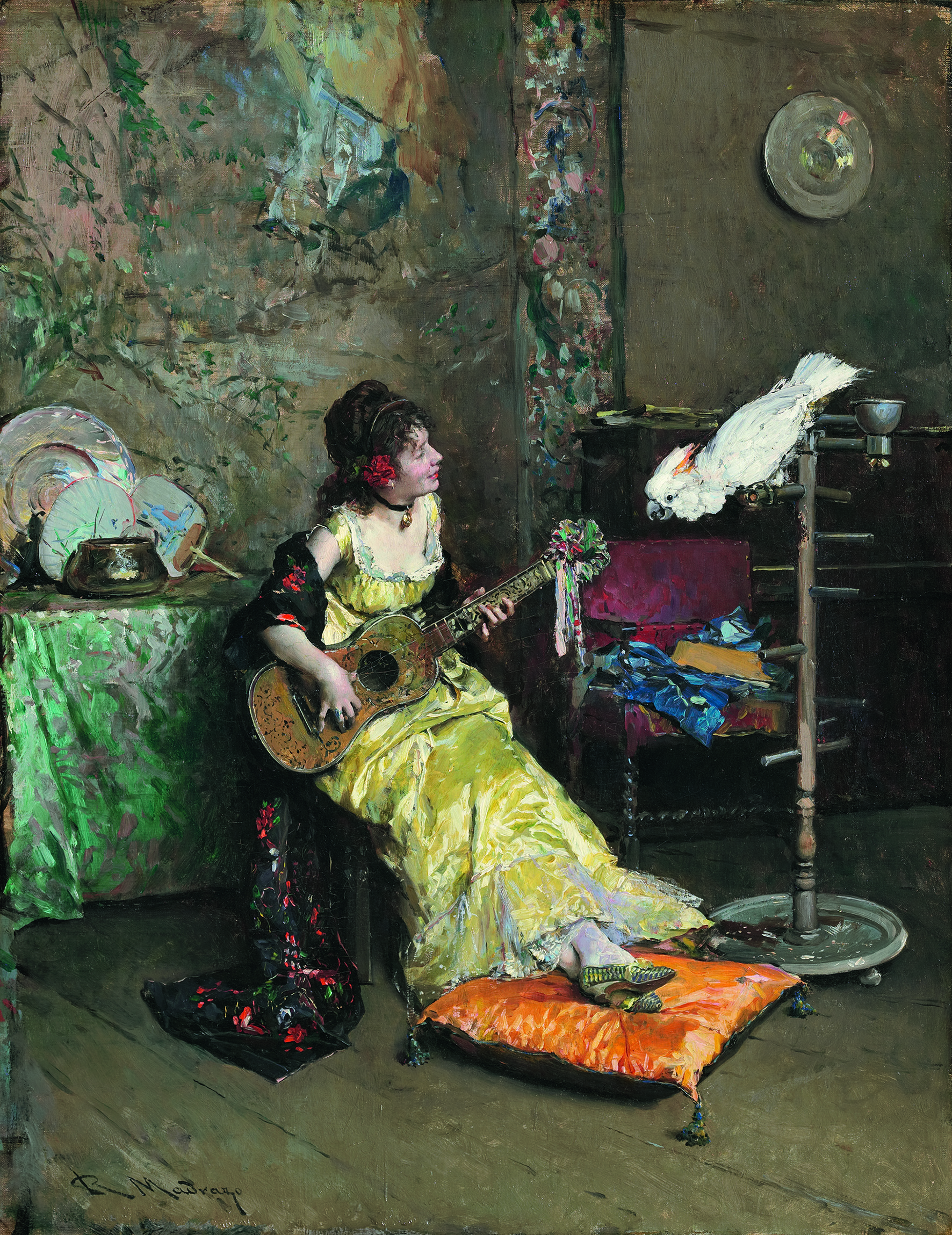
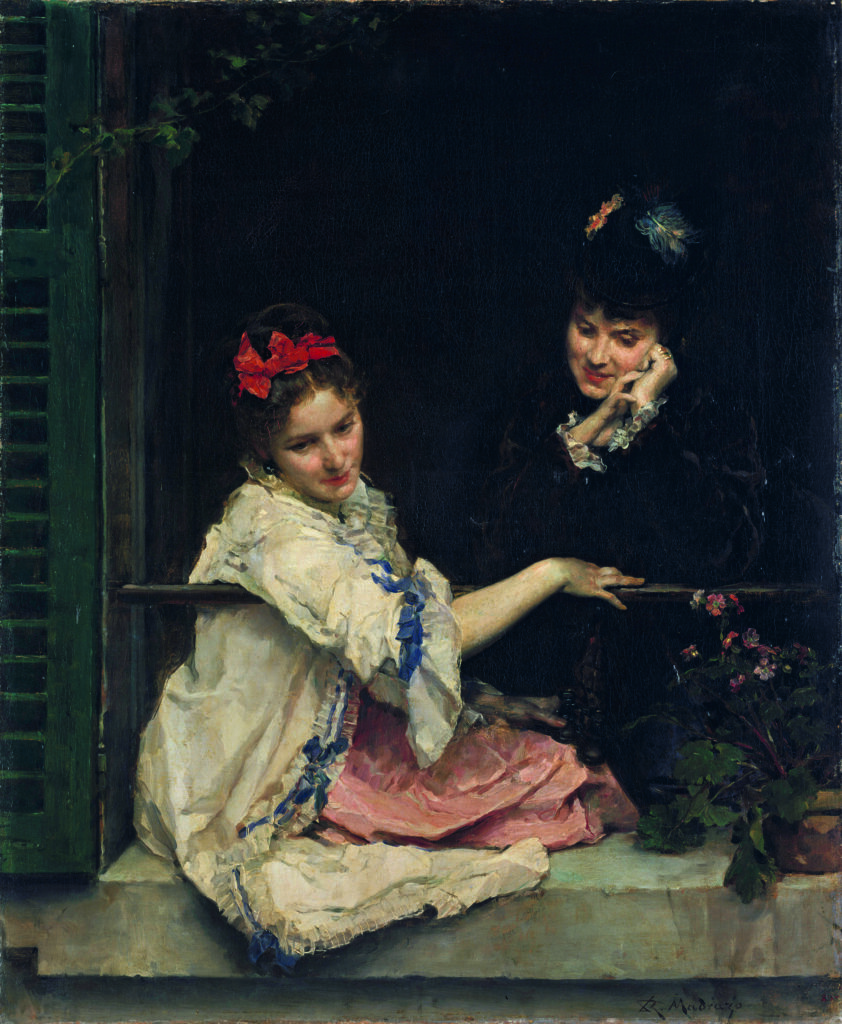
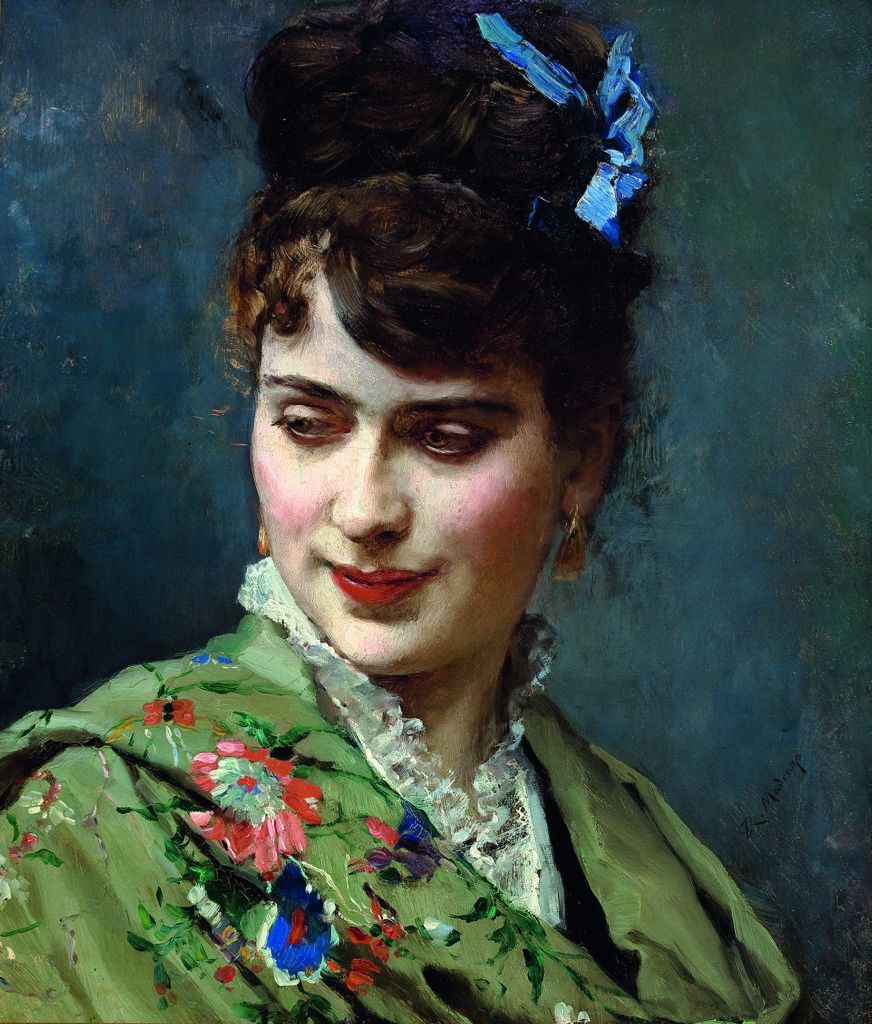
One of his most frequent models was Aline Masson, whose physicist could embody the ideal of Spanish beauty and sophistication stereotypes associated with Parisian women. We do not know who was exactly (perhaps the daughter of the janitor at Casa del Marqués de Casa Riera), but became common in the painting of Raimundo de Madrazo and in the engravings that his march Gouil replied.
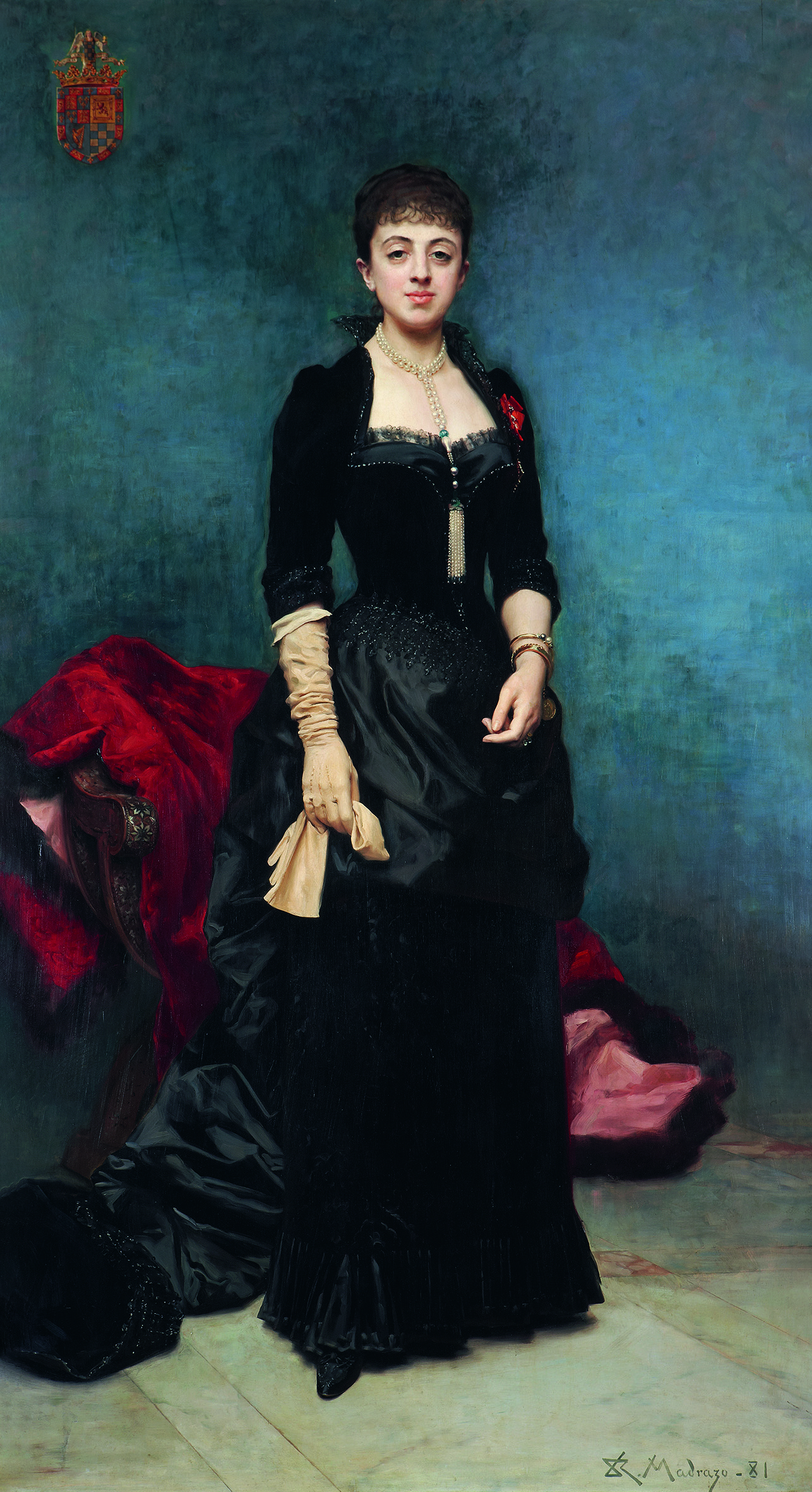
In the portrait chapter, to which this painter dedicated himself almost exclusively since the 1880s, they have recently recovered and can be contemplated in the Mapfre Foundation those of Benoît-Constantant Coquelin and the Girl portrait with pink dress; We will also see those who dedicated to Rosario Falcó and Osorio, Duchess of Alba, to the second Marquis of Casa Riera, Queen María Cristina or the son of Baron von Stumm, ambassador of Germany in Spain, the latter in a more austere way.
He also noticed an important Latin American clientele: the Errazu or the Candamo went to their Parisian workshop to be portrayed. He also painted US marching like Samuel P. Avery, who facilitated the dissemination of his work in that country when the taste for his painting declined in France.
Following those contacts, Raimundo would portray the Vanderbilt family and, later, the collector William Hood Stewart and his wife Maria Hahn; Both helped him, again, to make himself known in America. He advised Archer Milton Huntington in the acquisition of pieces for the Hispanic Society funds.
In his last years, Madrazo returned to the nudes and gender scenes that he had almost abandoned, now imbued in nostalgia. He died in Versailles, very aware that the new times did not run in his favor.
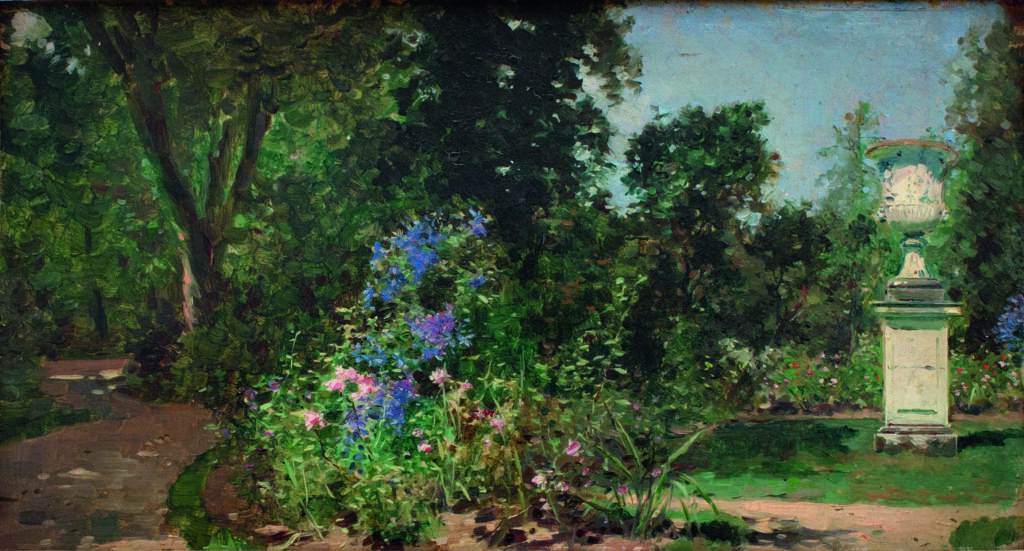
Raimundo de Madrazo
Mapfre Foundation
Recoletos Paseo, 23
Madrid
From September 19, 2025 to January 18, 2026