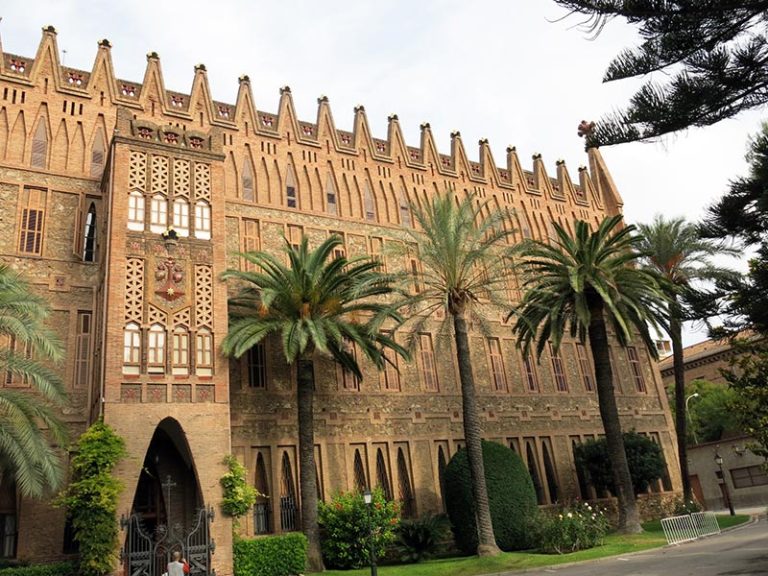
Port-Royal des Champs. The premises were to be inaugurated in early July by Rachida Dati before the Minister of Culture reported in an unexpected manner in September. One more inelegance with regard to the smallest of national museums, managed in national competence service (SCN). If it is true that the State has financed the work since 2007, it is reluctant to endow the museum of human and financial resources necessary for the increase in its notoriety and to exceed an annual attendance which caps at 20,000 visitors. There are many handicaps: the two sites of the abbey and barns are distant from each other, and separated by a communal land preventing territorial continuity. More problematic, they are, 8 km from the RER terminus, a poorly served by public transport. A public interest group (GIP) bringing together the various local authorities was created in 2007, but the partners are reluctant to contribute financially.
The Department of Yvelines and its vice-president of the time Christine Boutin (!) Had hoped to get their hands on the Abbey site before it was sold by the Port-Royal company in the State in 2004. Since then, the department is disinterested. Questioned by the Journal des arts, Bertrand Houillon, the mayor (various left) of Magny-les-Hameaux-commune on which Port-Royal is located-, recognizes “How a jewel” And likes to emphasize that many tombstones on the site have been reported in the church. But apart from the signage and a provision of the town hall services for certain events, the municipality cannot finance the communication of the site, and even less mobilize staff to manage reception, arguing from the drop in state endowment. The ministry thus finds itself alone to carry a museum at arm’s length while local communities have a classified historic monument, located in a regional natural park crossed by many hikers.
“We have the impression of a succession of impulses for twenty-five years, impulses which fall immediately after”, Bernard Gazier, the president of the Port-Royal company, is laid down for several years the interim of the GIP presidency. And yet, the site is of considerable symbolic importance (Jansenism has marked the history of France and its spirit still continues today) and has a real development potential both in terms of attendance and institutionally, with the possibility of becoming a cultural center of meeting thanks to its many available buildings.