Coinciding with the start of summer, the Board of Trustees of the Guggenheim Museum Bilbao Foundation met to take stock of the activity of this center during the first six months of 2026. Until the end of last June, the Guggenheim had been visited by almost 517,000 people, 12% more than the figure expected for this period and 3% less than the total accumulated to that date in 2025. Regarding its origin, 67% of the audience came from abroad, with France standing out, as usual, followed by the United Kingdom and Germany as the most frequent origins.
Regarding Community, the community around art and culture that brings together the Friends, Followers and beneficiaries of the Erdu Program, the total number of members has continued to increase in these first months, placing the total number of members of Community at 456,901 people — with an increase of more than 30,000 new members compared to the end of 2025.
In relation to the next exhibition calendar of this institution, some of the projects that will be part of its artistic programming for 2027 and which are being worked on at these dates were announced.
From mid-March, we will be able to visit the first exhibition dedicated in Spain to Philippe Parreno, an important French artist when it comes to analyzing the evolution of contemporary creation since the 1990s. The exhibition will connect its production with its Mediterranean roots and with the landscape and ecosystems in the face of the environmental crisis. A little later, starting at the end of April, an extensive retrospective will be offered to the Cuban-American artist Carmen Herrera, a pioneer of abstraction in Latin America, through more than two hundred works in disciplines such as painting, sculpture, drawing and engraving, dated between 1937 and 2021.
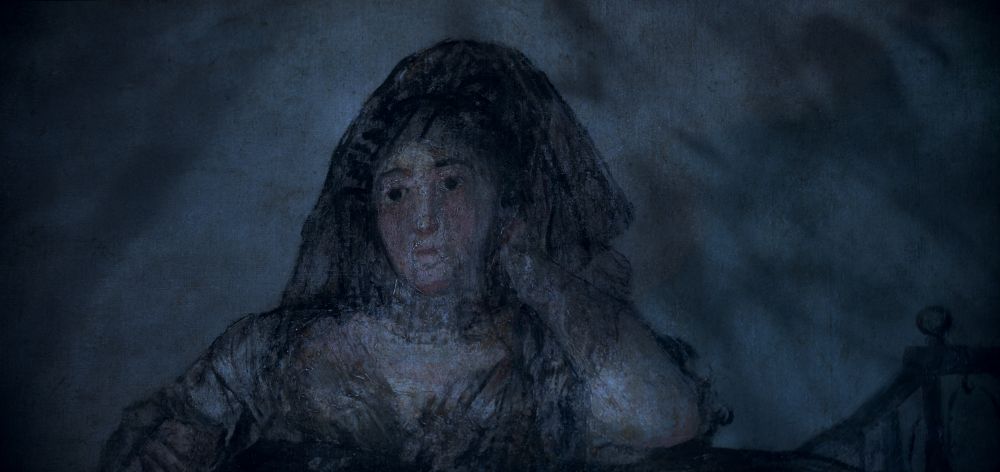
Philippe Parreno. La Quinta Del Sordo2021. © Atelier Parreno
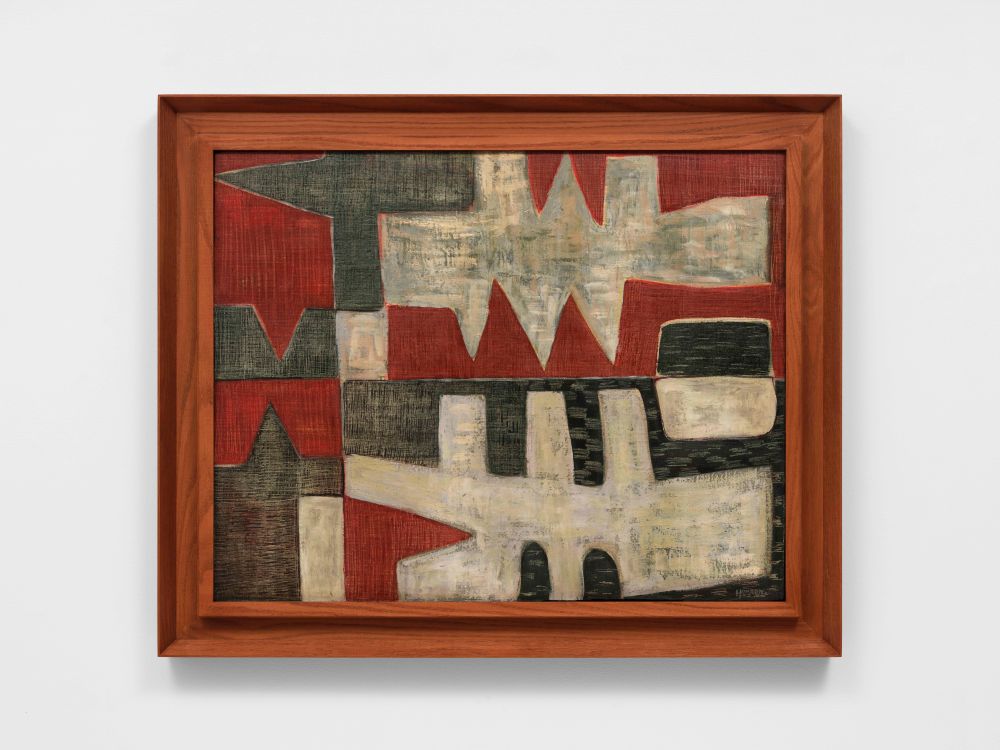
Carmen Herrera. New Realities1948. © Estate of Carmen Herrera. Courtesy Lisson Gallery
After the summer of next year, from the beginning of October, the exhibition “Kaihō 解放: Japanese artists after 1945” will study the role of Japanese creators, both in Japan and in the Japanese communities that were generated in Asia, Europe, the United States and Brazil in the post-war period. It will be part of the path of monographs that the Guggenheim has been focusing on women artists of lasting influence.
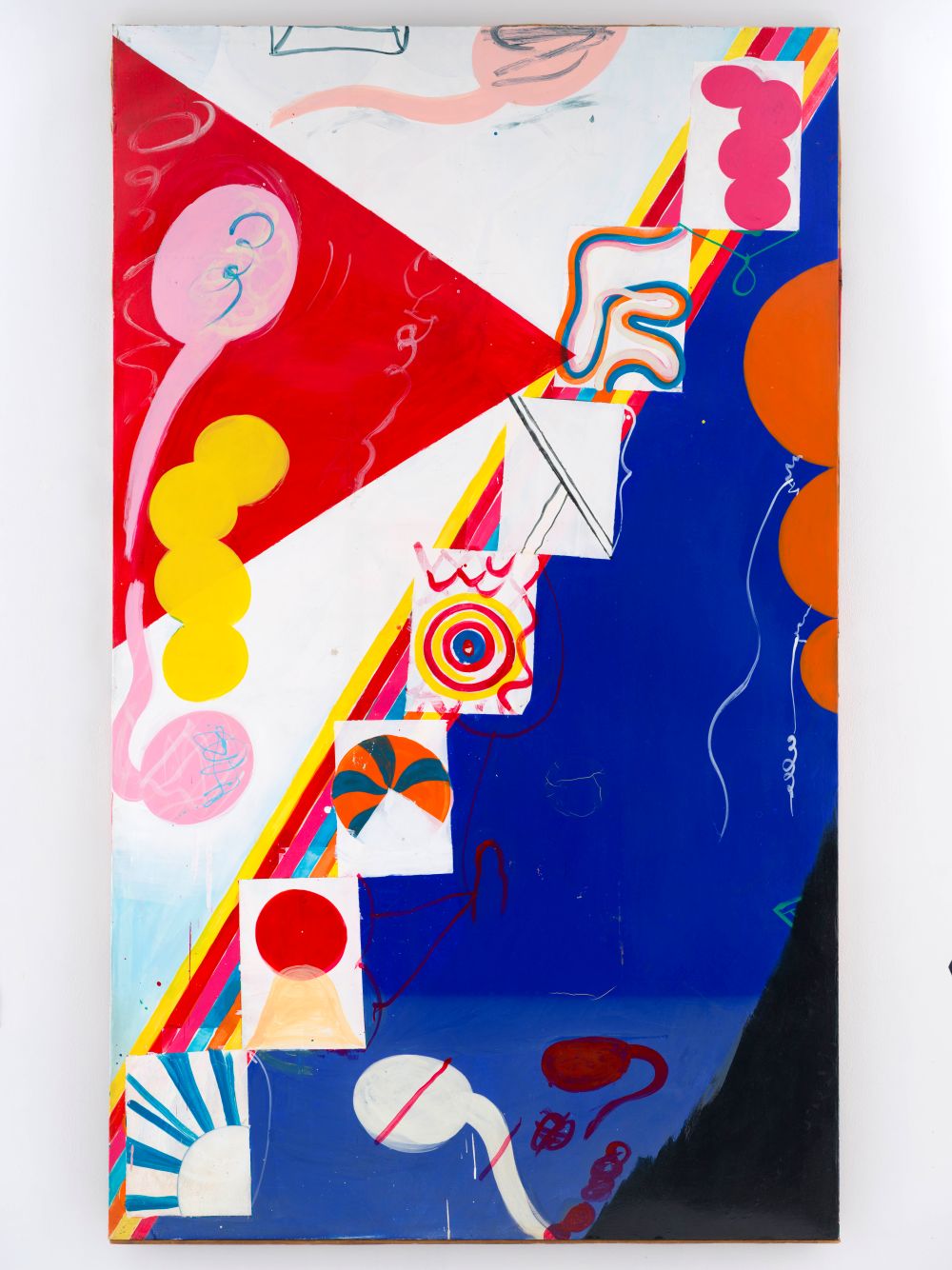
Tsuruko Yamazaki. Untitled, 1962. © Estate of Tsuruko Yamazaki / Courtesy LADS GALLERY, Osaka and Take Ninagawa, Tokyo
In addition, two new exhibitions will constitute the following chapters of the exhibition cycle called on sitewhich hosts specific proposals for the museum. The first, opening in May, will feature London-based Korean artist Do Ho Suh, celebrated for his large-scale, ethereal installations that reconstruct architectural spaces from his lived experience using translucent fabrics; In them he explores the relationship between sculpture, architecture and memory, focusing on how the body inhabits, travels and relates to these enclaves. The second, scheduled for December, will be named after Itziar Barrio from Bilbao, an author who articulates her work in long-term projects, driven by research and developed together with several collaborators. With his production he wants to rewrite the dominant narratives that are inscribed in the foundations of majority social beliefs.
Finally, and given that 2027 will be the year in which the Guggenheim Museum Bilbao celebrates its 30th anniversary, a new presentation of the collection is being prepared, conceived as a celebration of the institution’s history, now directed by Miren Arzalluz. It will be announced in the fall.
Before all this, the Guggenheim has four exhibitions pending to open in the remainder of 2026, in October and November. We will be able to contemplate the video installation Ever is Over All by the Swiss Pipilotti Rist, which plunges the viewer into a dreamlike atmosphere in which a flower transforms into a destructive weapon that destroys cars; an anthology by Steve McQueen, which uses still and moving images to delve into personal and collective issues; another by the minimalist Dan Flavin, who will emphasize his use of the unadorned fluorescent lamp as an aesthetic object; and the work of the young Canadian Zadie Xa in the series on site. This author, born in Vancouver in 1983 but of Korean origin, uses performances and installations to delve into the transmission of the cultural heritage of the diaspora in terms of identities and folklore.
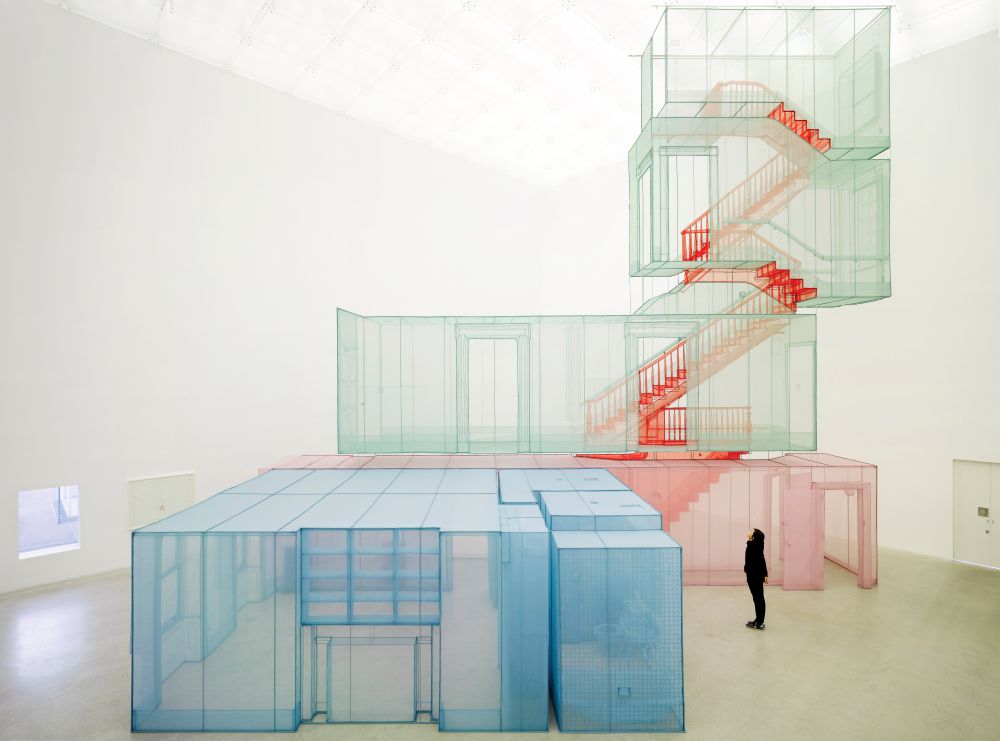
Do Ho Suh. Apartment A, Corridors and Staircases, 348 West 22nd Street, New York NY 10011, USA (Kanazawa Version)2012. Courtesy of the artist, Los Angeles Museum of Art, LACMA; Lehmann Maupin New York, London, Seoul; and Victoria Miró
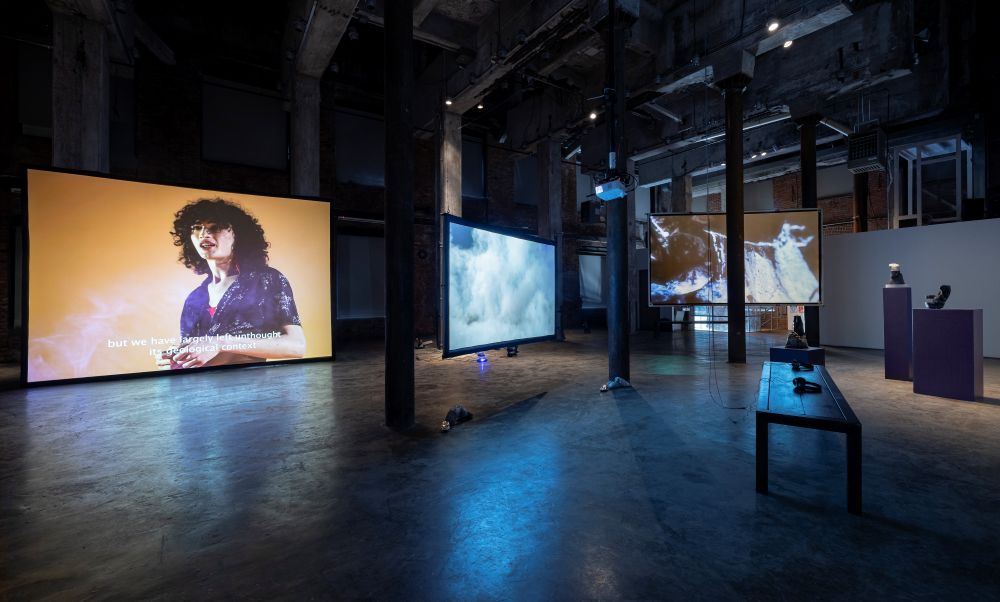
Itziar Barrio. View of his solo exhibition Let Us Go Back to the Beginning. Salt Galata, Istanbul, 2023
GUGGENHEIM MUSEUM BILBAO
Abandoibarra Avenue, 2
Bilbao