After photography was accepted as an autonomous artistic medium with its own right, especially after the avant-garde of the last century, many authors, also in America, pushed the limits of perception to go beyond what is strictly visible.
One of the first defenders of that search, in image and in word (he was a poet), was Minor White, who after graduating in botany from the University of Minnesota was named creative photographer of the Works Progress Administration. In 1955 he began to train in comparative religion and, since then, his work was marked by a deep mystical sense, being the narrative sequencing of images, which he baptized as frame cinemahis preferred method when presenting his production.
Starting next June 18, Fundación Mapfre will dedicate, in its KBr space in Barcelona, an anthology to the man who was also the founder of the magazine Apertureits director for two decades, curator and influential professor at institutions such as the California School of Fine Arts in San Francisco, the Rochester Institute of Technology or the Massachusetts Institute of Technology; He gave the same relevance to all these facets of his career. He, in turn, had Stieglitz as a mentor, and he openly questioned the notion of photography as a mere reproduction of the world to open it to a new definition: that of the visual equivalent of an interior experience.
Minor White, a man with a complex personality interested in psychology and spirituality, sought to express his inner tensions in his images and organized them, as we said, in sequences to which he granted a narrative articulation: between one photograph and another he established rhythms and associations. For him, autonomous works lost their ability to address the viewer: Any photograph seen alone will fail in its attempt to communicate. To communicate or evoke a minimum of two photographs or a photograph with words is required.. In short, for him this was not an artistic technique, but a perceptual tool linked to consciousness and introspection that did not necessarily imply taking the camera; In fact, in his last years, he dedicated himself solely to teaching, writing and organizing his creations.
In Barcelona we will see a chronological tour of the extensive career of this author, including some works that Minor White himself did not choose to be part of his sequences. This exhibition arrives fifty years after his death and is made up of structured period copies, except for those pieces that he did not include in his series, in 160 sets. Some of them were never exhibited during the photographer’s lifetime and most had not been seen before in Europe.
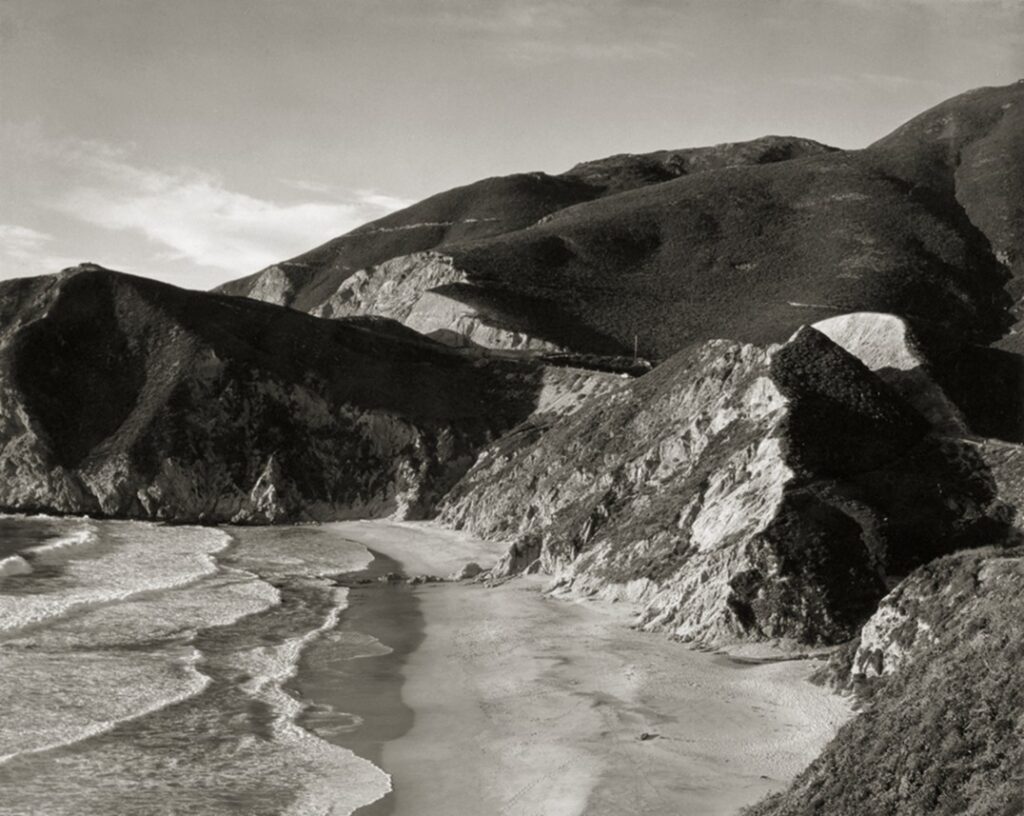
Minor White. Matchstick Cove, San Mateo County, Californiaof Sequence Song without Words1947. The Minor White Archive, Princeton University Art Museum, arrival of Minor White © Trustees of Princeton University
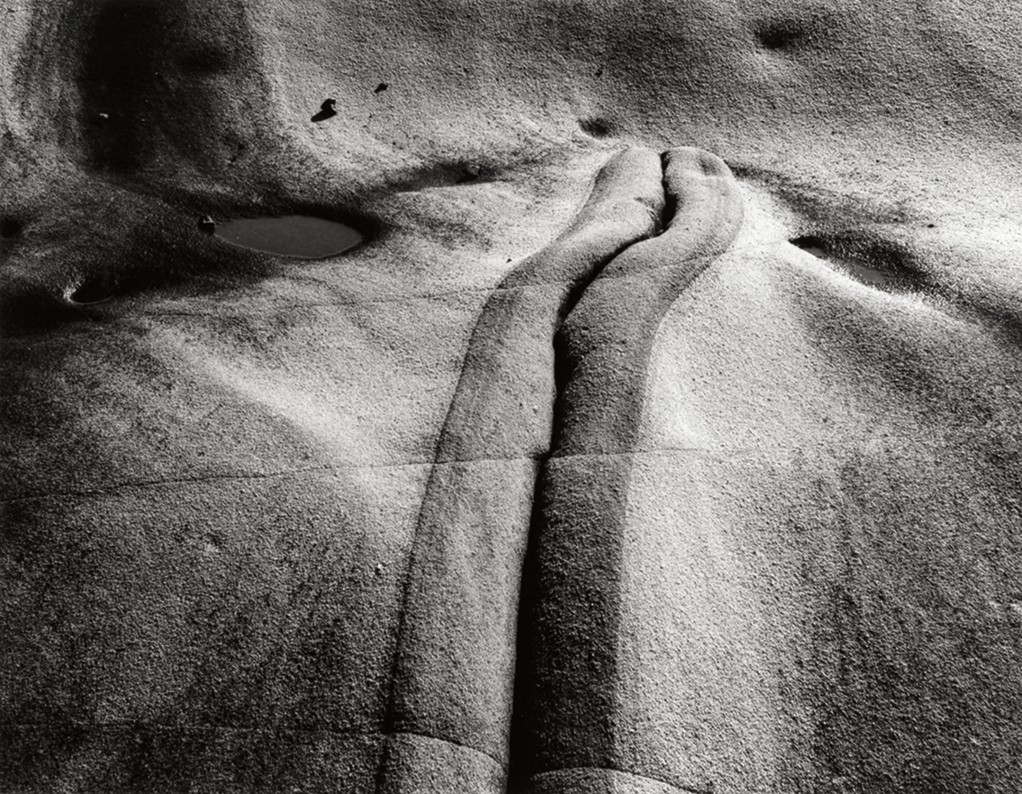
Minor White. Point Lobos State Park, Californiaof Fourth Sequence1950. The Minor White Archive, Princeton University Art Museum, arrival of Minor White © Trustees of Princeton University
We will learn about his first images made in Portland, with a certain pictorialist imprint, and also his gradual distancing from this language towards a more austere and precise formalism in his compositional mechanisms. The tour stops at what were his most common themes—landscape, portrait, and the male nude—and emphasizes the introspective and spiritual charge that he imprinted on them, very evident in the series. Rural Cathedrals (1955). He used infrared film to accentuate the symbolic and dreamlike dimensions of nature; In his words, he wanted to capture things not for what they are, but for what else they are. So it is not seen.
Furthermore, the only color sequence he published, Slow Dancewill be projected on slides, along with a collection of street photographs taken in San Francisco that prove the breadth of his vision.
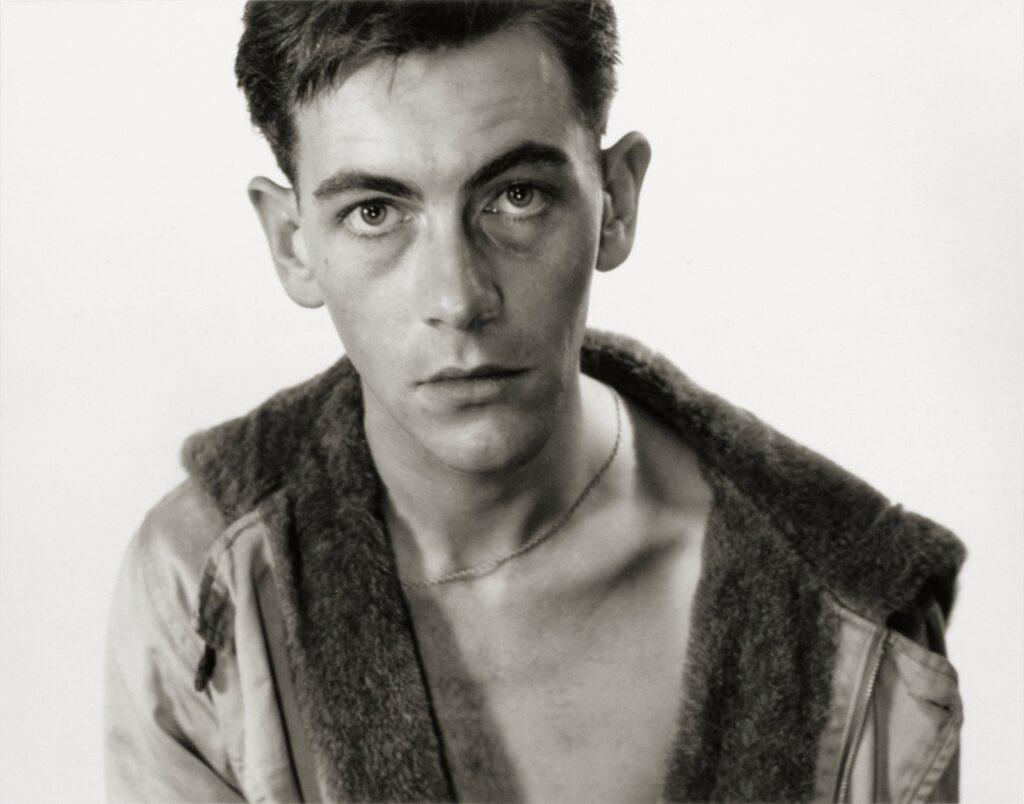
Minor White. Mark Adamsof Fifth Sequence1950. Portland Art Museum
It didn’t take long for Minor White to learn the keys to the language of photography: his grandfather was a fan of the medium. Knowing its primary rudiments helped him prepare photomicrographic transparencies of algae during the years he dedicated to his university studies in botany. After graduating in Arts in 1934, he moved to Portland, where he joined the Oregon Camera Club before starting to work for the Oregon Art Project, immortalizing historic buildings that were going to be destroyed on commission.
Those first images of a partially documentary nature reveal, however, an artistic aspect, especially the nocturnal ones that he made in parallel, with a pictorialist air that evokes the atmospheres of Alvin Langdon Coburn and the first Stieglitz.
During his weekends and vacations, White developed a very personal work on his travels through Oregon, focusing on landscapes and farms and photographing still lifes that would form part, in 1942, of his first solo exhibition at the Portland Art Museum. By then, he already had a direct and realistic style, related to his admiration for the f/64 Group and equally opposed to pictorialism and avant-garde experimentation. His photos stand out for their realism and technical precision in which he incorporates recurring symbols, such as broken doors and windows, biomorphic objects and Christian allusions, which reflect aspects of his personality.
Already in 1946, Minor White settled in San Francisco, where he began working as an assistant professor to Ansel Adams at the California School of Fine Arts, a pioneering institution in the university teaching of photography in the United States. It was a key time for his training, thanks to his contact with Adams himself and Edward Weston, his knowledge of the Californian landscapes and the consolidation of his pedagogical methods, which were very innovative at the time.
In these years, he also participated, as we advance, in the founding of the magazine Aperture and designed his first sequences, in which photography was nothing more than a way to self-knowledge and personal expression. We can quote The Temptation of Saint Anthony Is Mirrors (1948), which he never showed during his lifetime; Fourth Sequence (1950), an investigation into sequence theory and issues such as identity and sexuality; and Intimations of Disaster (1952), a set made up of thousands of photographs that he took with a small manual camera on the streets of San Francisco. He displayed a dark and dramatic vision of urban life that challenged conventional styles and highlighted a vibrant street life.
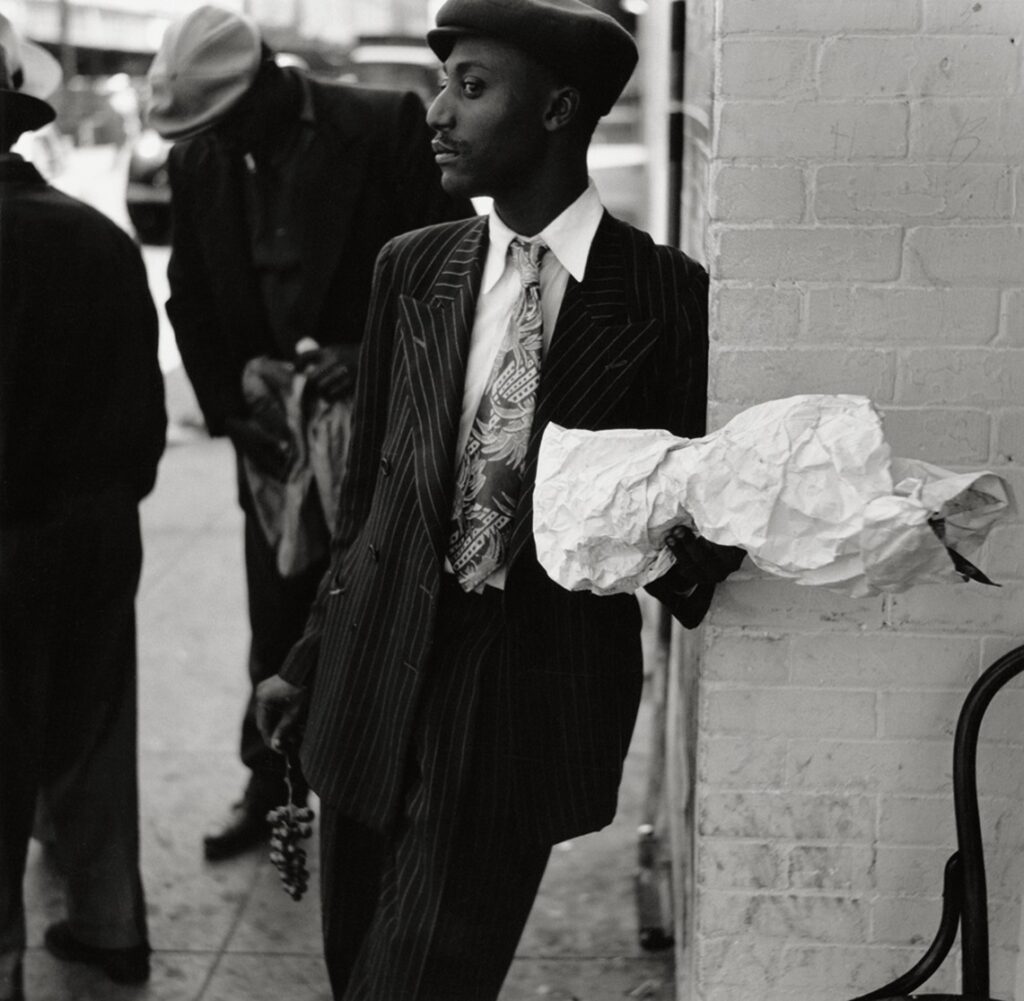
Minor White. Produce Market, San Francisco1949. The Minor White Archive, Princeton University Art Museum
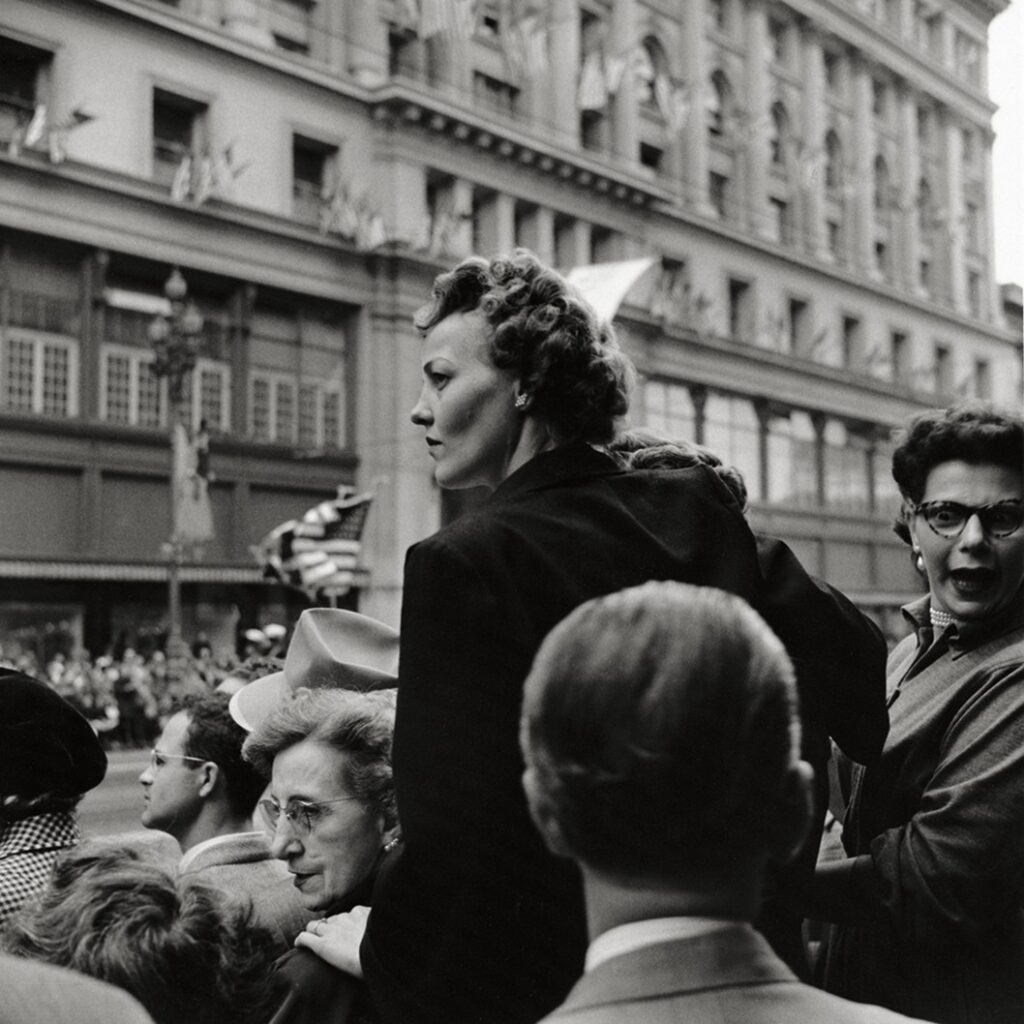
Minor White. McAllister Street, San Francisco1950. The Minor White Archive, Princeton University Art Museum
After leaving the California School of Fine Arts in 1953, White moved to Rochester at the invitation of Beaumont Newhall to join the George Eastman House, as a curatorial assistant. There he also deepened his work as an editor, and his work for Aperture added a new collaboration with Imagethe magazine of that institution.
His mystical readings and Eastern philosophy, together with the local environment, are the basis of fundamental sequences such as the aforementioned Rural Cathedrals (1955), on American vernacular architecture, and Sound of One Hand (1960), in which the almost abstract images become a reflection of the viewer’s mental state. In this period, White consolidated his role as curator and teacher, giving workshops to a new batch of creators.
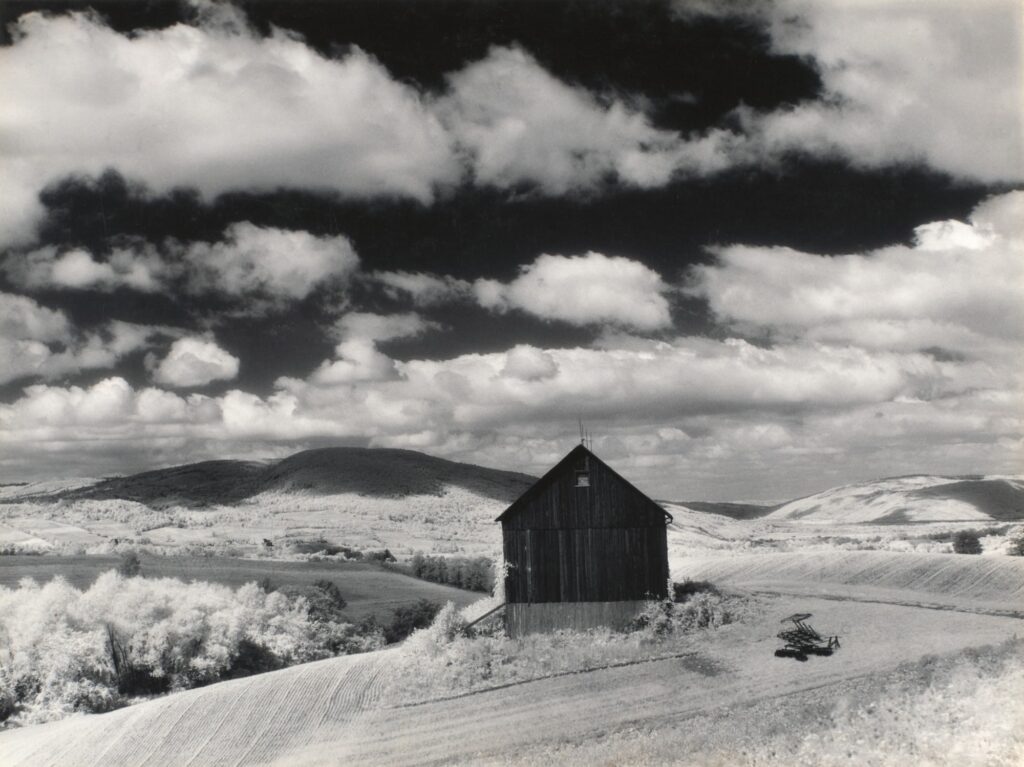
Minor White. Barn and Clouds (Vicinity of Naples and Dansville, New York)of Sequence 10 / Rural Cathedrals1955. The Minor White Archive, Princeton University Art Museum
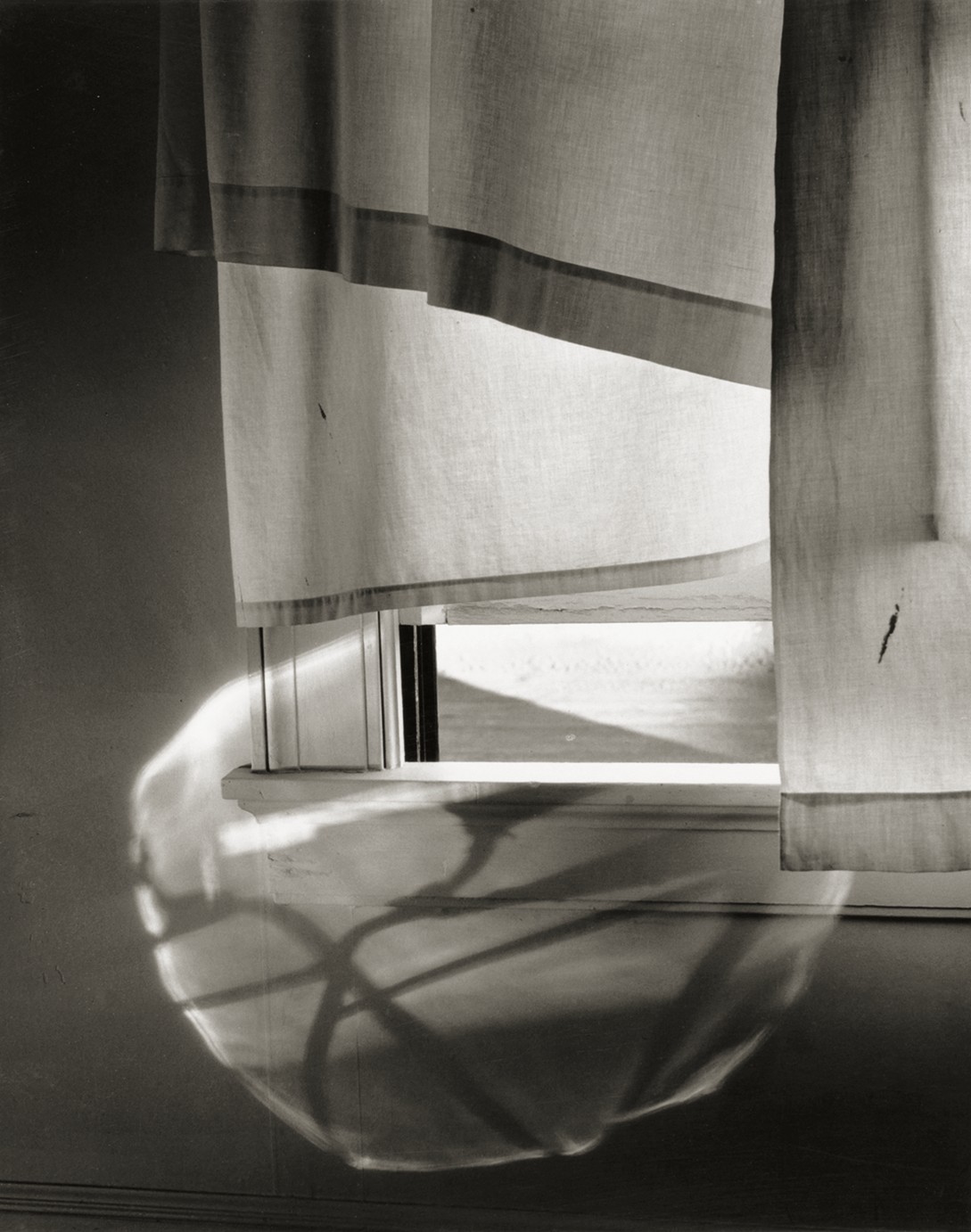
Minor White. N. Union Street, Rochesterof Sequence Sound of One Hand1958. The Minor White Archive, Princeton University Art Museum
Finally, in 1965 Minor White joined the Massachusetts Institute of Technology in Cambridge as a visiting professor, a city where photography had no small place in the local artistic community. He taught a course that was part of a broad cycle that allowed students to experiment in visual arts, and which eventually established itself as a five-year photography program.
Having (for the first time) a salary commensurate with his talent, White bought a large house where he could accommodate students and organize workshops. It was at that moment when he published this unique sequence in color, Slow Danceunder the influence of the mystical philosopher George I. Gurdjieff. Furthermore, he then illuminated his only book that saw the light of day while he was alive, Mirrors Messages Manifestations (1969), and which complemented the largest exhibition of his career, presented at the Philadelphia Museum of Art and other American museums.
Although curating and teaching were his main occupations, White created two other photographic sequences in those last years: Sequence 1968 (1968) and Totemic Sequence (1974). Upon his death in 1976, he left his entire archive to the Princeton University Art Museum.
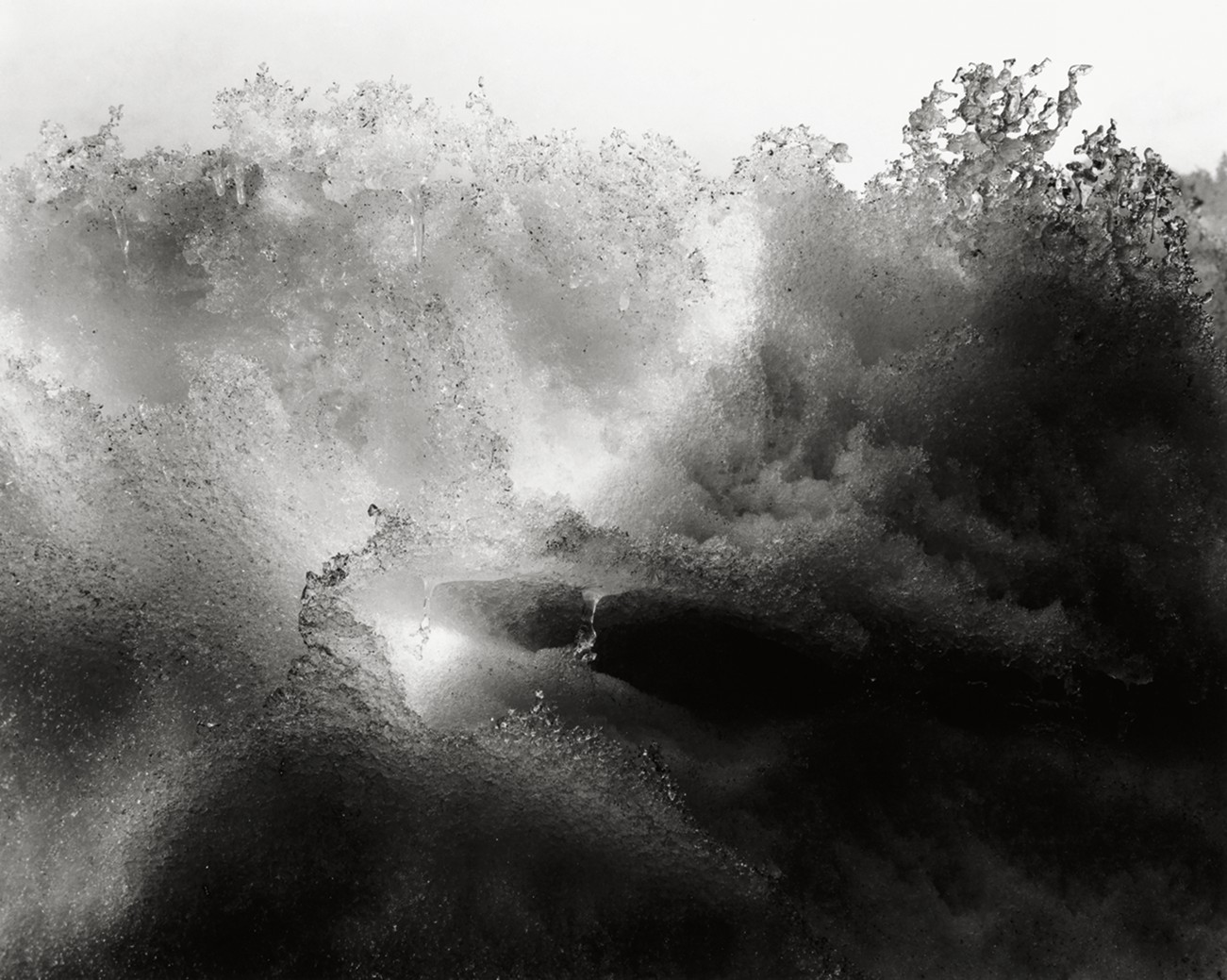
Minor White. 72 N. Union Street, Rochesterof Sequence 16 / Steely the Barb of Infinity1960. The Minor White Archive, Princeton University Art Museum
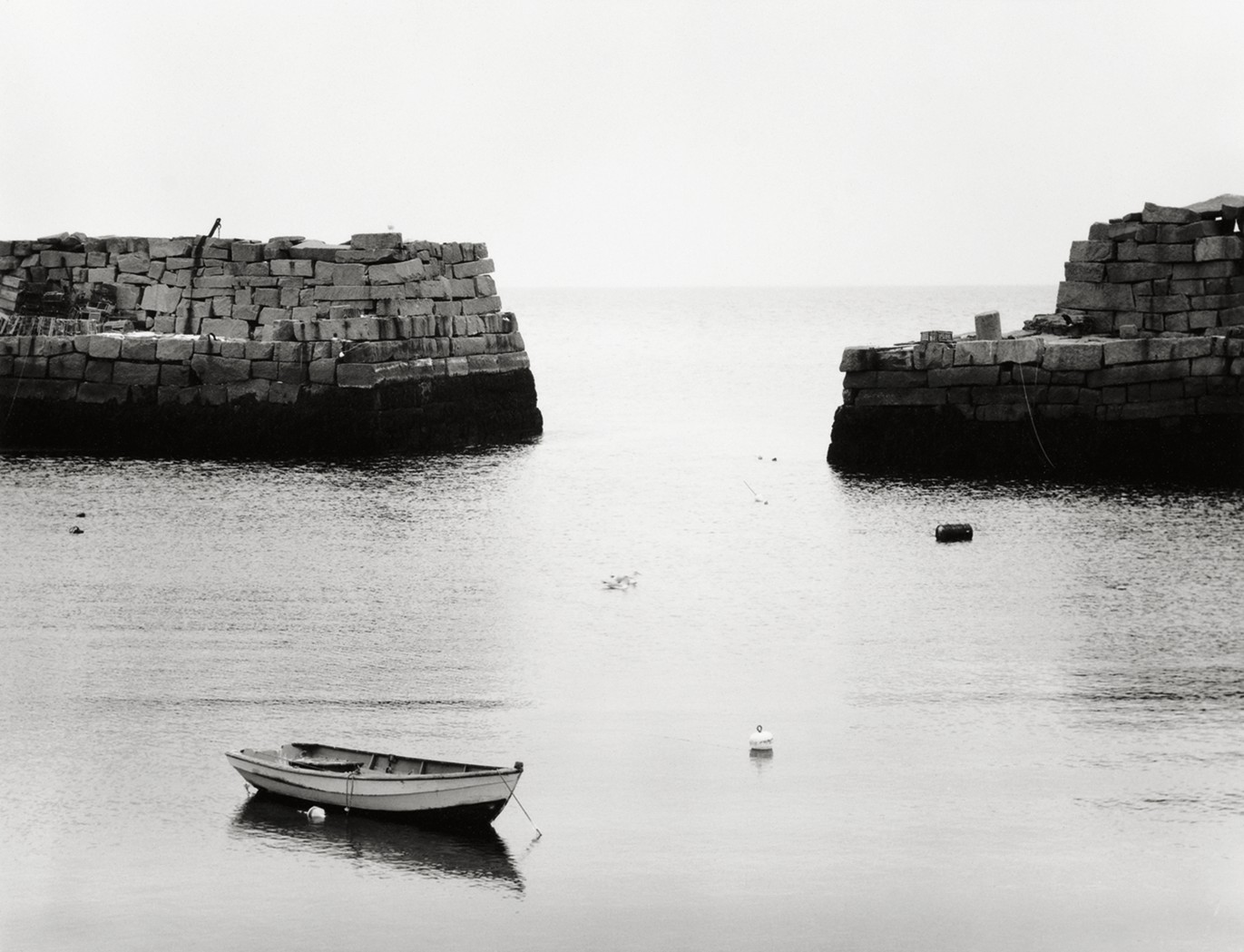
Minor White. Cape Ann, Massachusettsof Sequence 1968, 1966. The Minor White Archive, Princeton University Art Museum
Minor White
KBR MAPFRE FOUNDATION
Avenida del Litoral, 30
Barcelona
From June 18 to September 6, 2026