It has been eight years since the duo of Valencian artists formed by María Jesús González and Patricia Gómez participated in one of the collective exhibitions of the initiative Commissioner wanted of the Community of Madrid: they then presented Ena Housean installation that already exemplified their destructive archaeological practice. They had wallpapered what was Ramón Acín’s house in Valencia, and a meeting place for intellectuals, and later ripped the paper off the walls, taking with it a part of the layer of the underlying wall.
This project had half a thousand printed panels, evidently loaded with history and stories, in which the idea of canonical reconstruction of the past could easily be seen altered: simply if the viewer decided not to follow in their contemplation the order and specific numbering of each fragment of paper in relation to its original arrangement. Furthermore, the random or modified placement of these panels afterwards could generate new stories, bringing speculation into play in the area of the ruin.
That same year 2018, González and Gómez were among the winners of the contest Unpublished from La Casa Encendida; There they displayed a tapestry made up of the iconography that the prisoners who passed through the Modelo prison in their city placed in their cells, counting the days left until their freedom or capturing signs of their nostalgia for outside life.
For more than fifteen years, both authors have been involved in rescuing and recording the memory of abandoned spaces, a long-term work that has also taken them to detention centers for foreigners that are no longer in use or empty houses in rural areas, and which in 2024 they presented at Gallery 1 Mira Madrid, under the title “Mirror of the World.” It is also the one that accompanies his most recent exhibition, and the first institutional one, at the Helga de Alvear Museum in Cáceres; María Jesús Ávila is its curator and in 2027 she will travel to TEA. Tenerife Space of the Arts.
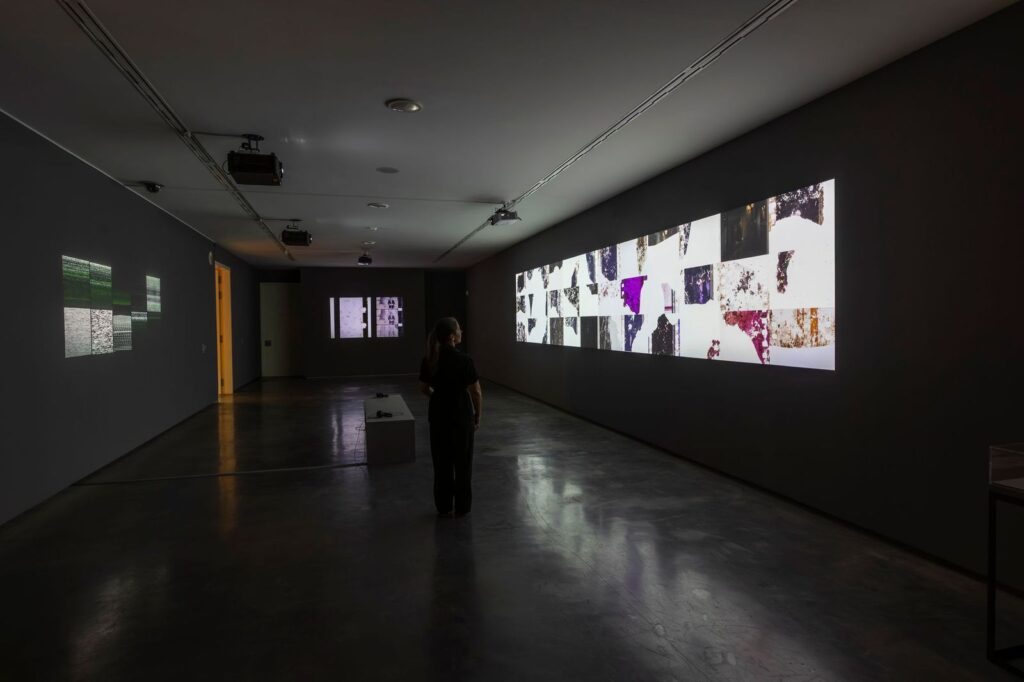
Patricia Gómez and María Jesús González. Mirror of the world. Helga de Alvear Museum
This proposal began in 2017 and focuses on the daily life of inmates in what was the last Psychiatric Hospital in Valencia, the current Bétera Mental Health Hospital. In its first meaning, that of a psychiatric hospital, it remained active from 1973 until the mid-eighties, when its pavilions began to be gradually emptied as a result of the dehospitalization of these patients that was promulgated by the Psychiatric Reform, in favor of the establishment of mental health units.
Starting once again from the walls of what was a mental asylum, these artists undertook another process of searching and collecting traces of life that referred both to the history of the place (and of psychiatric care in our country, a reflection of the prosperity and failures of the social system itself and our consideration as a society towards this problem) and to the day-to-day life and living conditions of those who occupied its rooms, those small facts that can have the same importance as the big ones when it comes to creating a chronicle of a past if it is assumed that Nothing that happened can be considered lost to history.
The subaltern stories, the one baptized as intrahistoryare the axis of Gómez and González’s production, which have stopped at very diverse locations, public and private, of political, social, economic or religious relevance, but usually in a state of greater or lesser abandonment, not intending to find in them reflections of official history, but of that of the anonymous people, whom they do not study as a homogeneous group, as a mass or collective, but on the contrary: taking into account their individual testimonies. They understand that each voice is independent, derives from a particular baggage and sometimes emerges, as a desire, lament or revealed secret, in the form of an inscription or plastic trace on the walls.
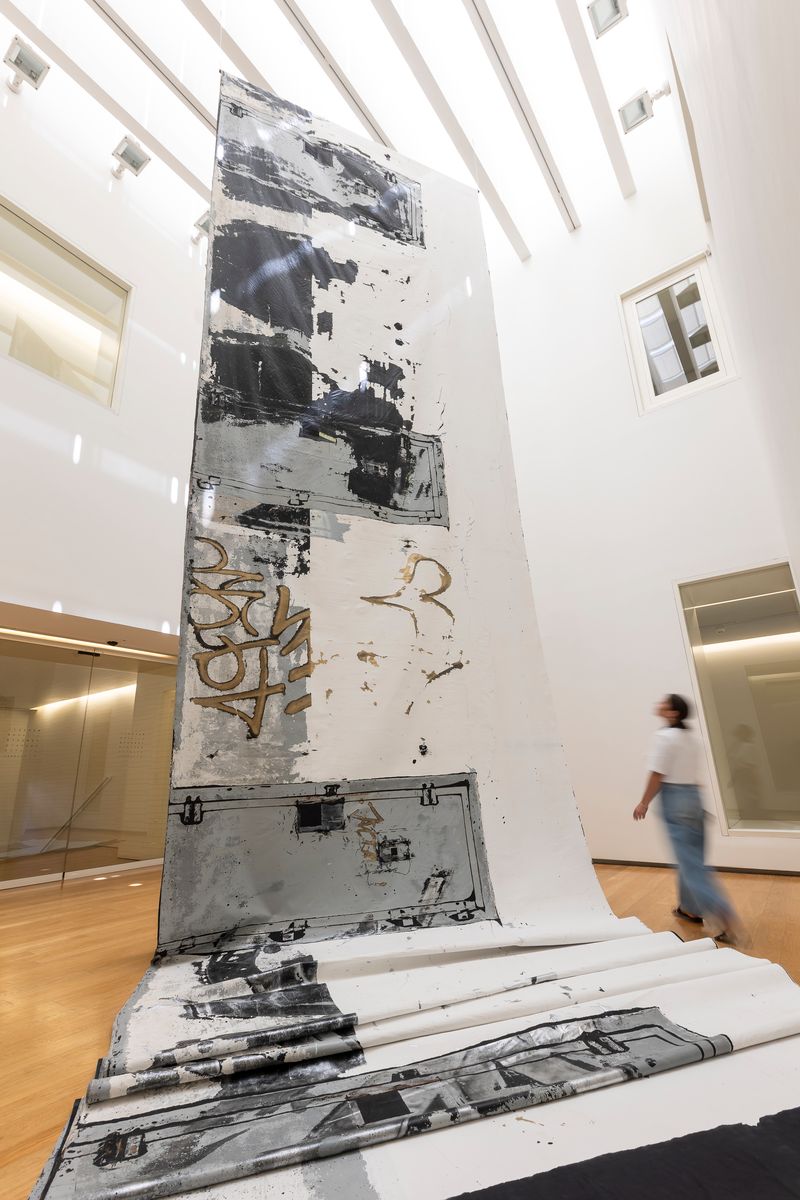
Patricia Gómez and María Jesús González. Old Jail of Cáceres1936-2026
The one in Bétera, in Campo de Turia, was projected in the seventies as one of the largest European psychiatric hospitals (it had 1,200 beds at its inauguration) and it has taken them five years to investigate its walls, which at first they literally extracted from the sanatorium to later analyze their possible contents. What they found prompted them to travel new paths, which have to do with the very title of this exhibition: they realized that there were many mirrors distributed throughout the Hospital pavilions, several for common use (in the bathrooms) and others for individual use. They decided to photograph each room from its representation in said mirrors and then make them their own, in order to generate the montage that we now see, based on the relationship between those mirrors and the images of the interiors that they projected for many years and of the people who looked at themselves there, contemplating the progressive decrepitude of the place around them.
The title of the exhibition also refers to the essay by Maria Clementina Pereira Cunha The ghost of the worldwhich alludes to hospice inmates as condemned to live on the other side of the mirror; and to Michel Foucault’s analysis of Praise of madness by Erasmus (The symbol of madness will henceforth be the mirror that, without reflecting anything real, will secretly reflect, for those who look in it, the dream of their presumption. Madness does not have so much to do with the truth and the world, as with man and the truth of himself, which he knows how to perceive.).
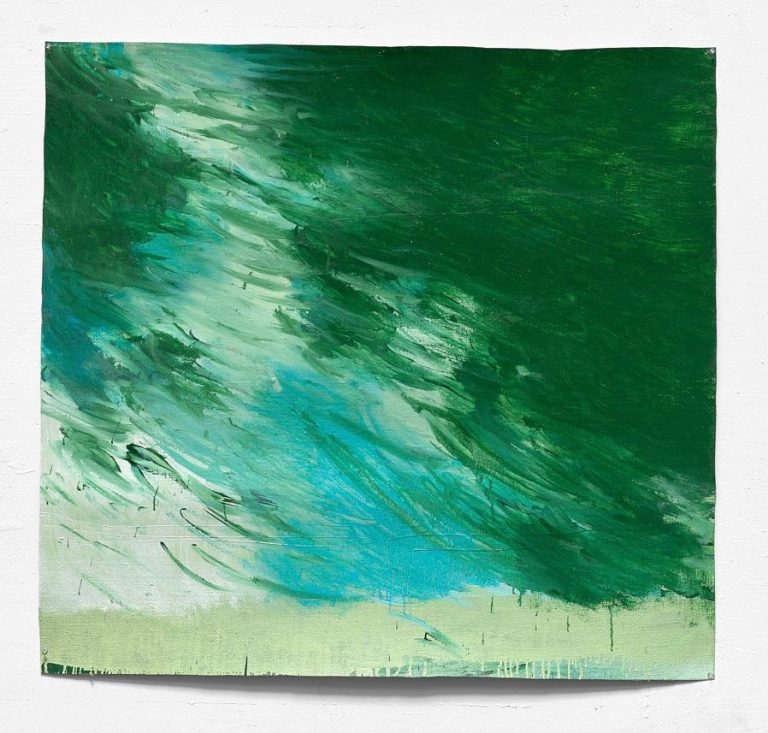
In Bétera that mirror of the worldor they are corroded partitions, canvases with layers of dirt and fragments of wall that sometimes resemble windows, but that suggest closure (bumps, scratches) and a notion of time very different from the one that those who, outside those walls, flowed with it, could have had. They also evoke, however far from them, the signs and tones of the informalist compositions or those of the images, also based on street walls, of Dubuffet or Brassaï: perhaps there exists in the plaster some type of universal language, even with its dialects.
In Cáceres, the presentation of these pieces is also completed with that of the mural removals that have been carried out in the city’s old prison, which have become archaeological and poetic records of a partially salvageable past.
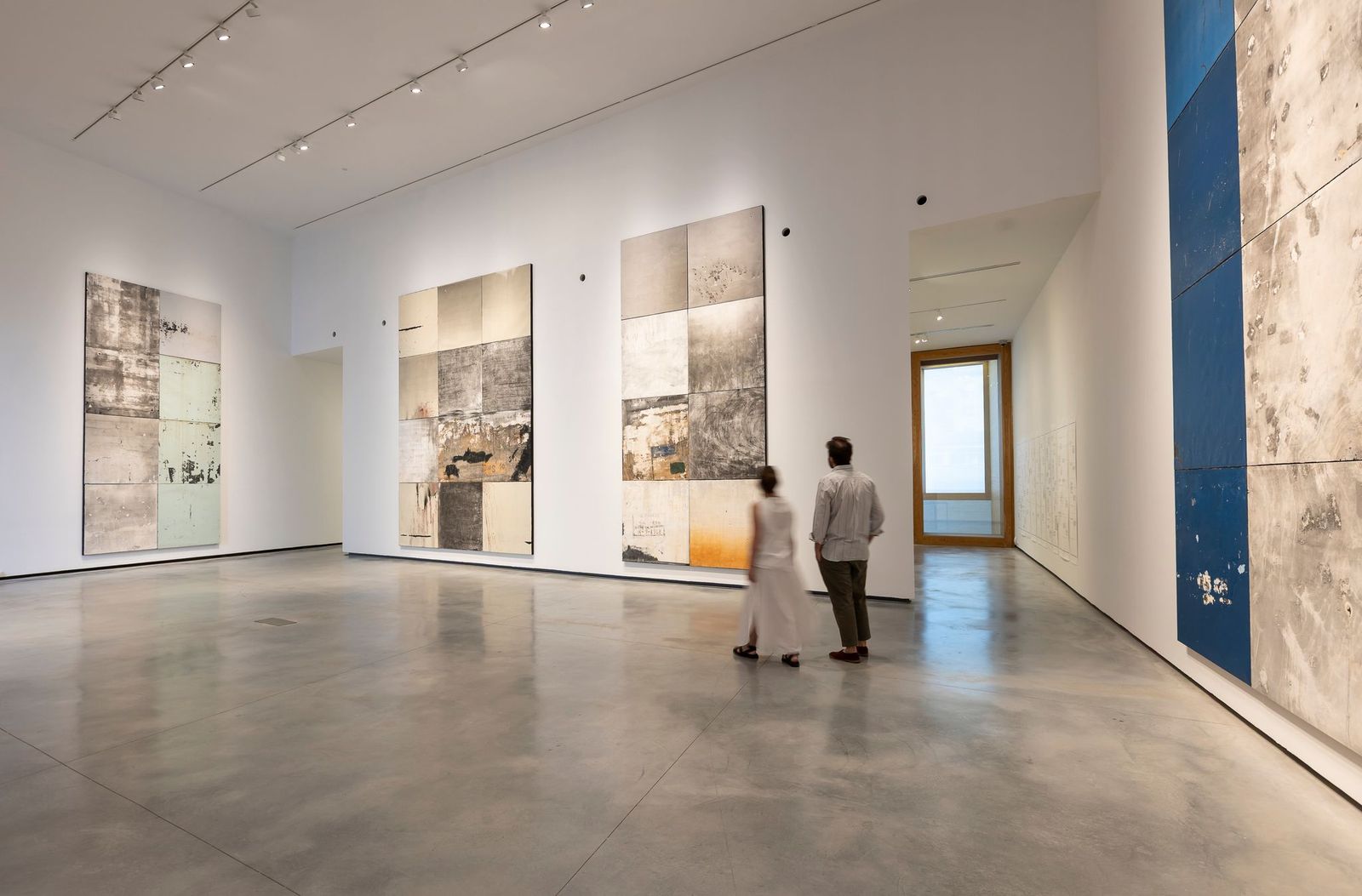
Patricia Gómez and María Jesús González. Of the abject2022-2024
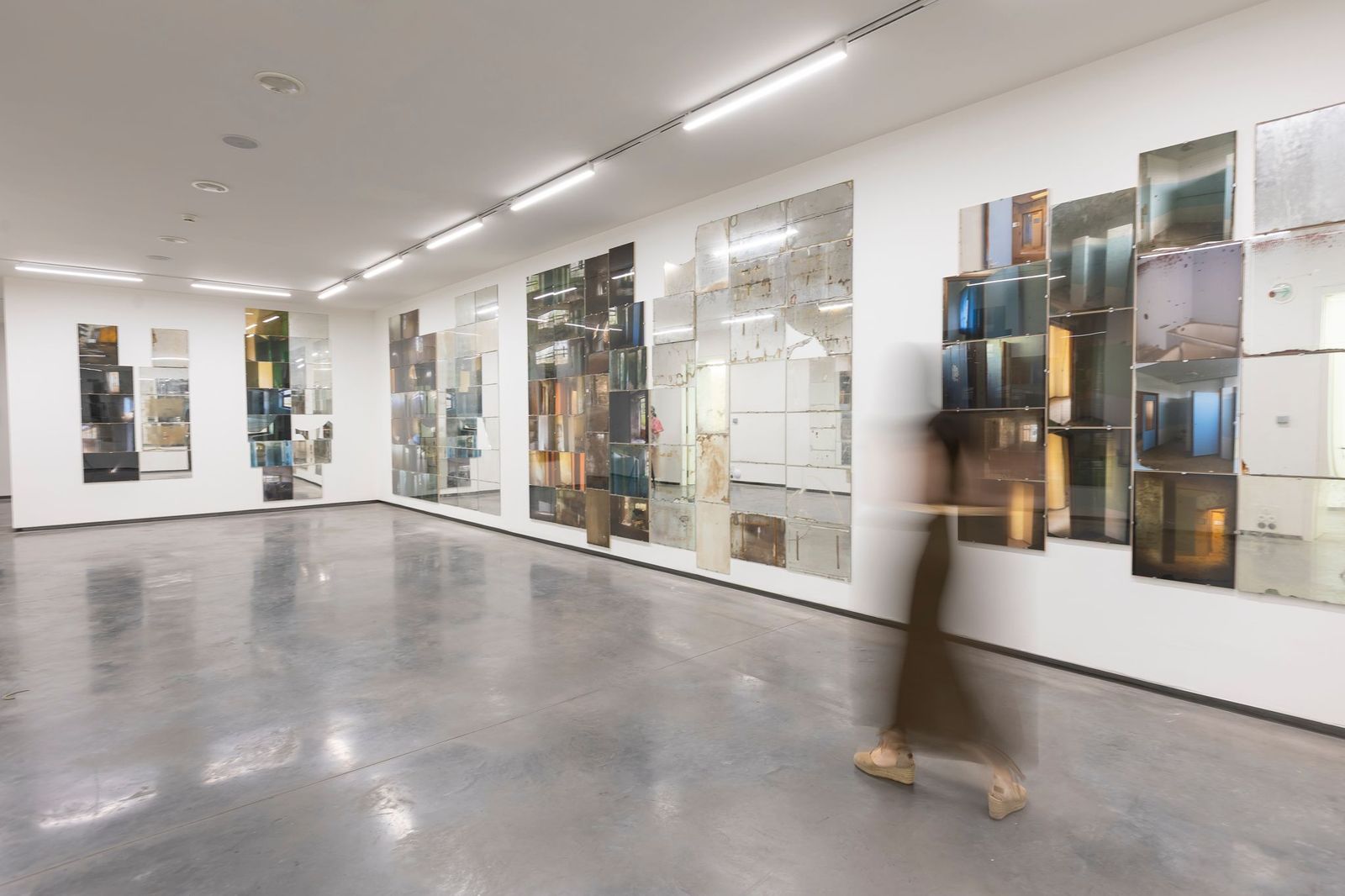
Patricia González and María Jesús Gómez. mirror of the world2020-2022
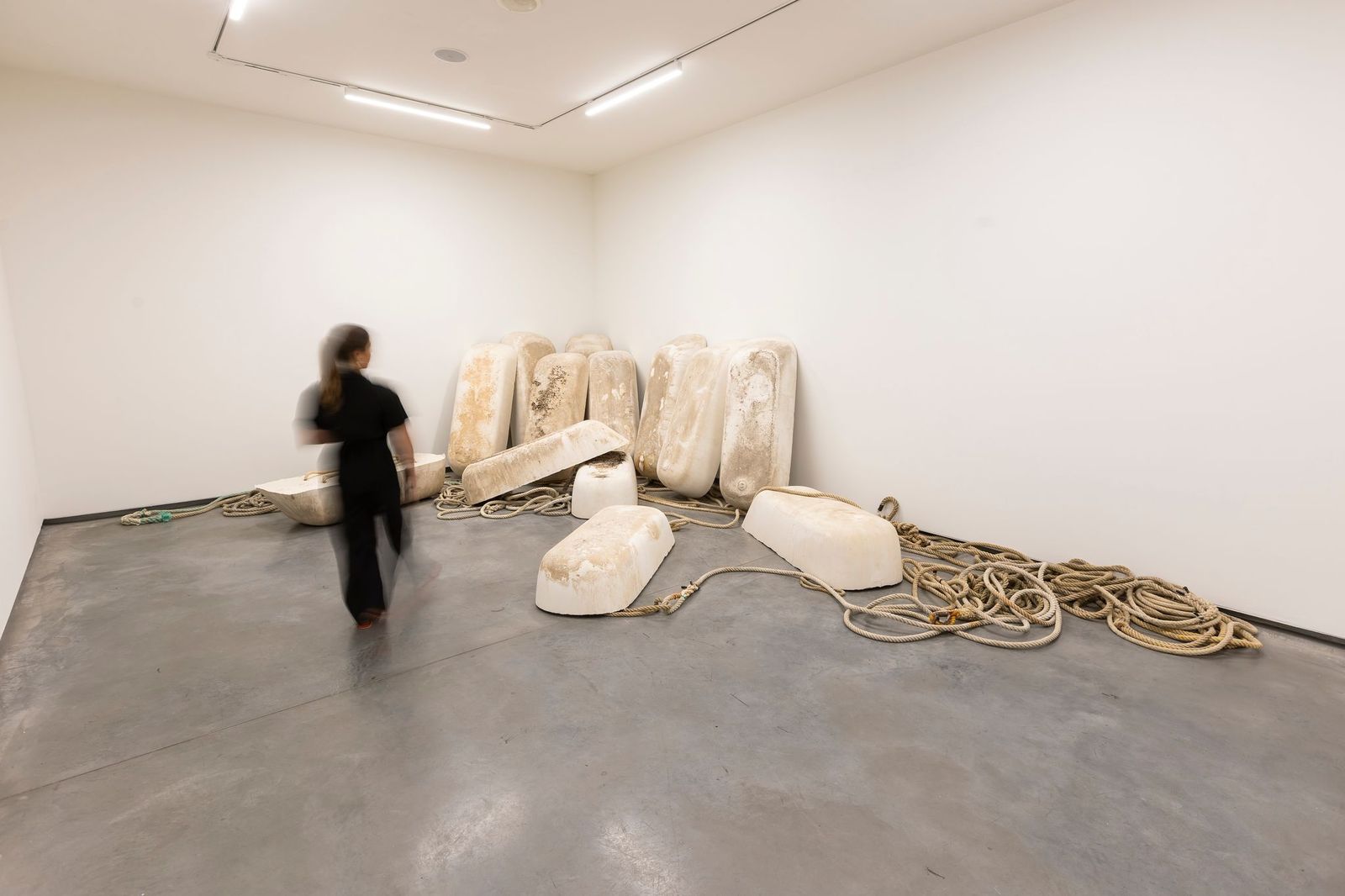
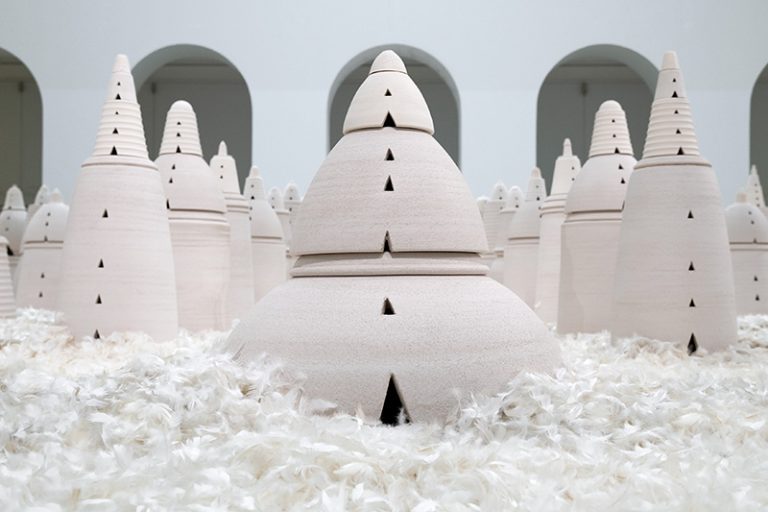
Patricia Gómez and María Jesús González. Stultifera navis. Wreck remains2021-2022
Patricia Gómez and María Jesús González. “Mirror of the world”
HELGA DE ALVEAR MUSEUM
C/ Pizarro, 10
Caceres
From June 12 to October 11, 2026