Born in 1919 in Sri Lanka, when it was still called Ceylon, into a family of both Asian and European descent, Geoffrey Bawa worked as a lawyer before training as an architect and graduating from the Architectural Association in London in 1957. Despite entering construction relatively late, he managed to establish himself as a key figure in this discipline in his country after its independence from Great Britain: his first projects, such as the St. Thomas’ Preparatory School (1957–1963), reveal the influence of Western modernism on his aesthetics, however, later and throughout his career, he would incorporate local materials and artisanal procedures, and study the possibilities of industrial elements to generate his own architectural vocabulary attached to the context of each work. His most notable works include his own Lunuganga Estate and Garden (1948–2003), the Bentota Beach Hotel (1966–1969) and the Kandalama Hotel (1991–1994), which, among others, led to him receiving the Aga Khan Foundation Award in recognition of a lifetime of contributions to architecture in 2001.
For Bawa, good architecture had to make sense from both an emotional and practical approach. Convinced that this activity “cannot be fully explained, but must be experienced,” he did not conceive his buildings as static settings, but rather as developing spatial narratives – never completed – in which the exuberant nature of Sri Lanka usually played an obvious role. As is evident in proposals such as the Polontalawa Estate Bungalow (1963–1967) and the Jayewardene House (1997–1998), his works undoubtedly respond to the physical terrain on which they sit, integrating with the existing elevations and contours and fluidly incorporating rocks, trees and landscape features into their very design.
To achieve this fusion with the enclaves where he worked, Bawa collaborated with some of the most relevant artists and craftsmen in Sri Lanka, including Ena de Silva, Laki Senanayake and Barbara Sansoni. These authors’ workshops functioned as social enterprises and played an important role in providing training and employment to local communities; In them, batik panels, sculptures and textiles were made that were not mere decorative additions to Bawa’s buildings, but integral components of the spatial experience they provided, blurring the boundaries between architecture and artistic creation.
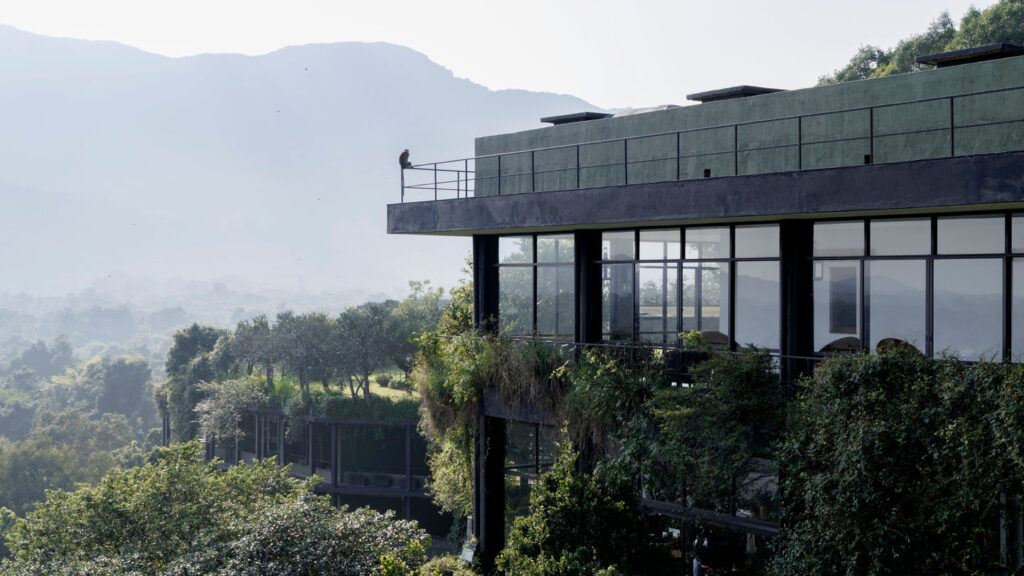
Iwan Baan. Kandalama Hotel, Dambulla, Sri Lanka, 2026 © Iwan Baan
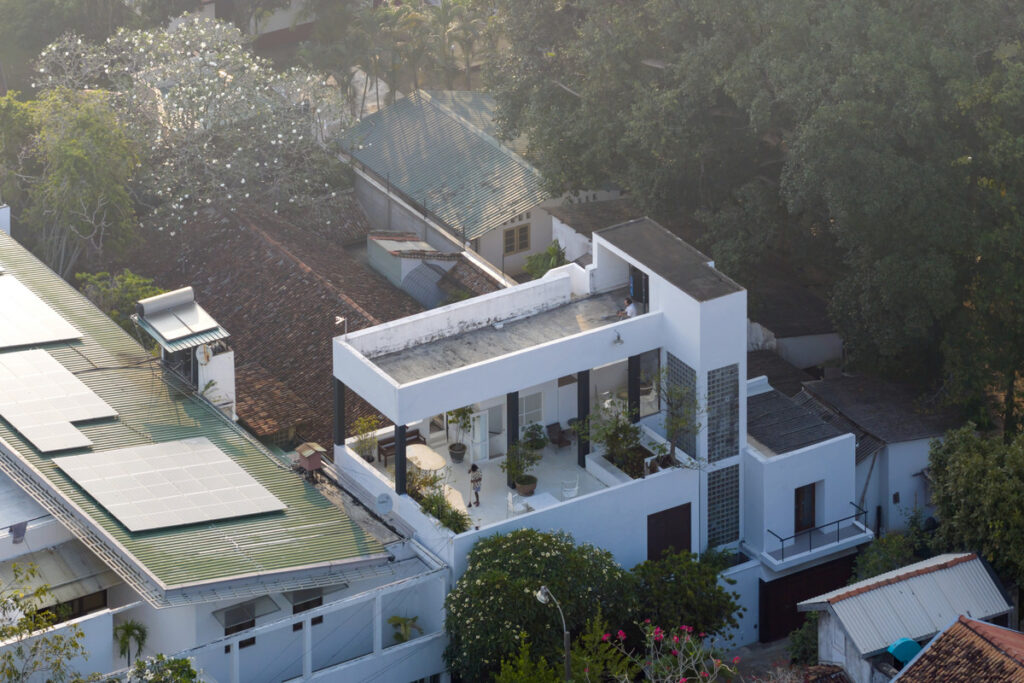
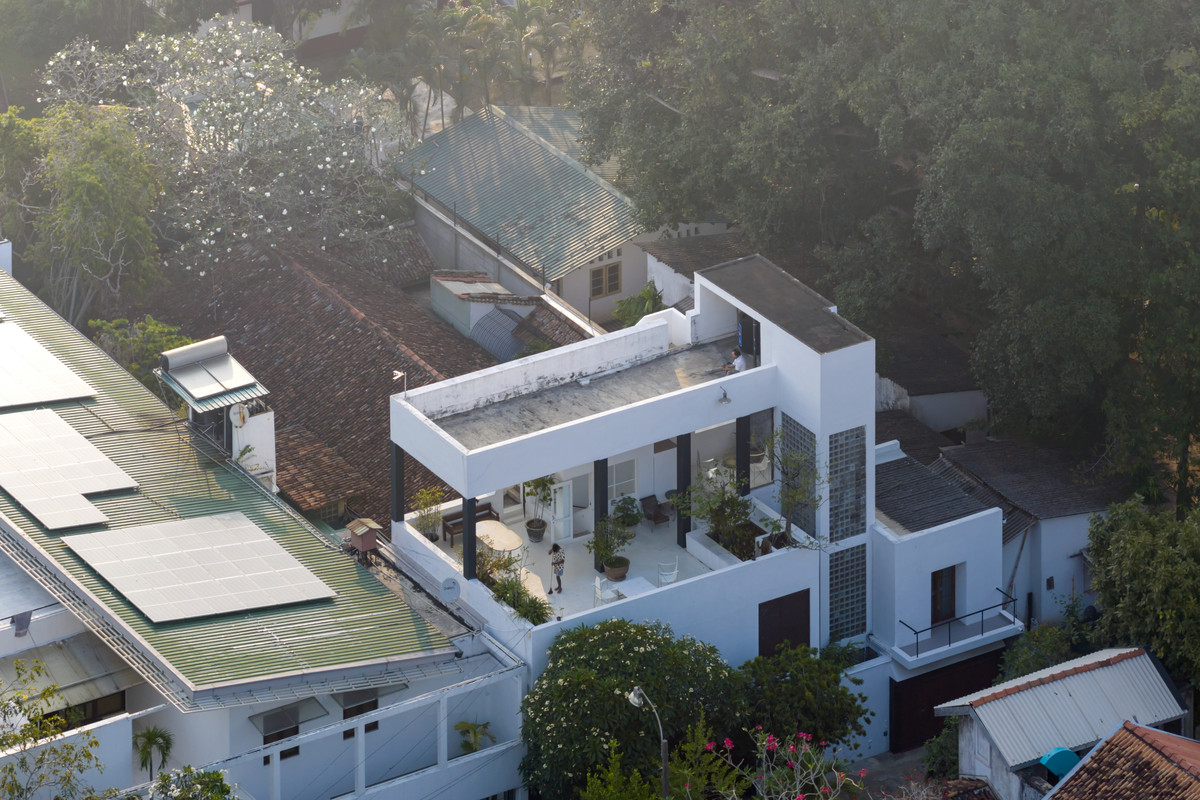
Iwan Baan. Number 11 (House for Geoffrey Bawa), Colombo, Sri Lanka, 2026 © Iwan Baan
His five decades of history will be reviewed, until next February, at the Vitra Design Museum: “Geoffrey Bawa: Architecture for the Senses” will bring together, starting on September 26, 250 pieces, including drawings, models, furniture, historical audiovisual material, works of art and photographs by Bawa himself, in addition to other images made specifically for this retrospective by a photographer who visited the ICO Museum in Madrid several months ago, Iwan Baan, who has sought to capture the essence life of some of its buildings.
With a scenography designed by Lina Ghotmeh, the exhibition will transform the museum into an immersive environment that aims to suggest the sensory power of Bawa’s architectural practice and will offer a perspective of his creations that is much more complex and rich in nuances than what simplifying labels such as those that allude to this author as a pioneer of tropical modernism. By also emphasizing the architect’s commitment to collaborative work, ecology and attention to the cultural context of his structures, the exhibition presents him as an innovator in what has to do with sustainable and socially responsible construction uses, when these were not yet understood as urgent or necessary.
The core of the exhibition will be objects, models and documents from the Geoffrey Bawa Trust, as well as archival images by Sebastian Posingis and Dominic Sansoni, complemented by new photographs and films that provide a contemporary vision of the intensity of the relationship between Sri Lanka’s buildings and their imposing natural surroundings. It will be a co-production of the Vitra Design Museum, the M+ museum of contemporary visual culture in Hong Kong, the German Wüstenrot Foundation and the aforementioned Geoffrey Bawa Trust, Kengo Kuma, Tatiana Bilbao, Marina Tabassum and Lina Ghotmeh will participate in its catalog and, from June 2027, it will travel to Hong Kong. Its arrival at other locations is still being planned.
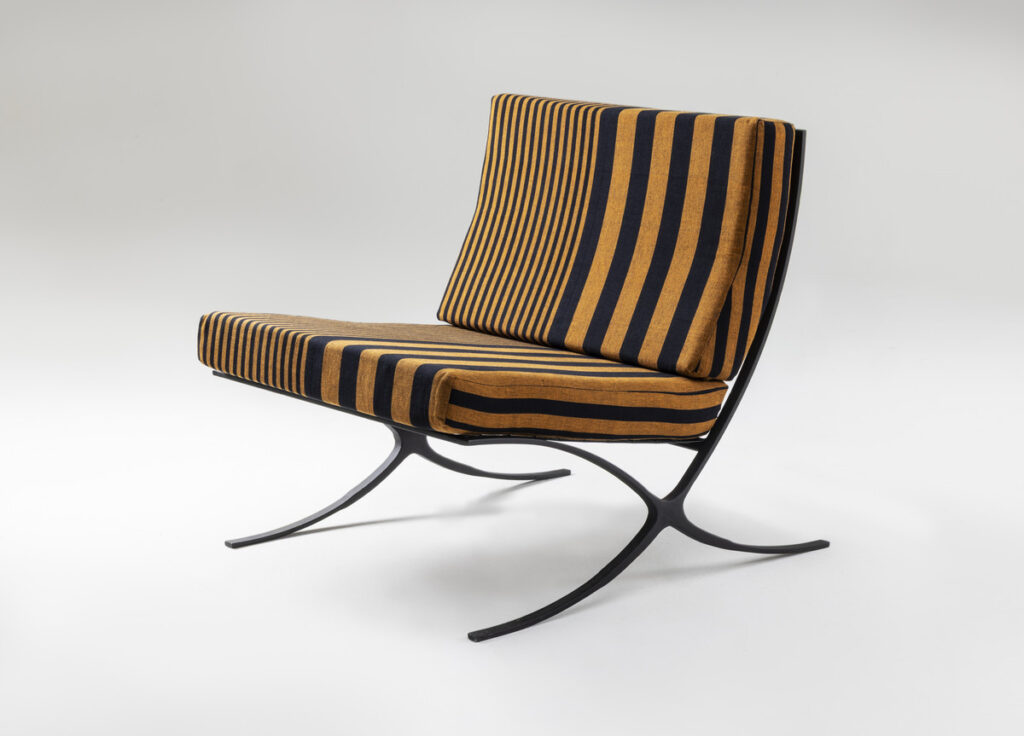
Geoffrey Bawa. Lounge Chaircirca 1957. Photograph: Andreas Sütterlin, 2026 © Geoffrey Bawa and Lunuganga Trusts, all rights reserved / Vitra Design Museum
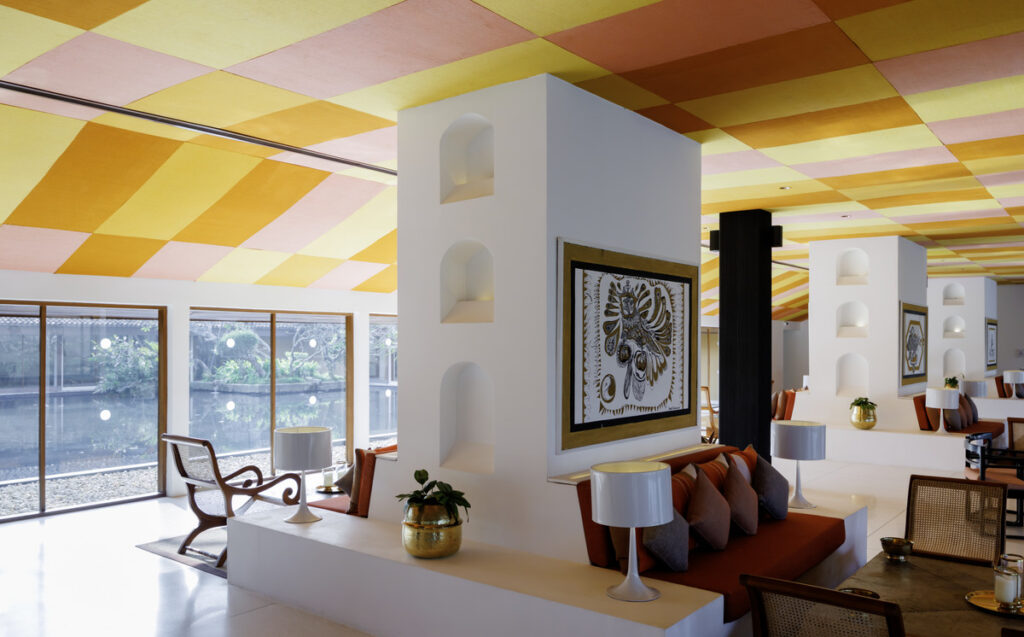
Iwan Baan. Interior of the Bentota Beach Hotel, 2026. © Iwan Baan
«Geoffrey Bawa: Architecture for the Senses»
VITRA DESIGN MUSEUM
Charles-Eames-Str. 2
Weil am Rhein
From September 26, 2026 to February 28, 2027