Madrid, Barcelona, Málaga, Bilbao, León, Valencia, Santander,
The new exhibition course about to begin in September will bring a good number of expected retrospectives, teachers and consolidated contemporary authors; Most will be unpublished, some will continue their itinerance.
In the classic chapter, the anthologies of Raimundo de Madrazo, Mengs and Hammershøi that will progressively open in Madrid in the coming months; The Reina Sofía Museum will resume its programming dedicated to Spanish artists with Juan Uslé (and Maruja Mallo) and the critical approach to social clichés will put it in León and Valencia, Yoko Ono and Kara Walker.
“Raimundo de Madrazo.”
There are three weeks left for the Mapfre Foundation to show us in Madrid a hundred works by Raimundo de Madrazo, one of the most cosmopolitan painters of the second half of the nineteenth century and the third great figure of its family saga. Like his grandfather and his father, José and Federico, he went to form to Paris in his youth and it was there (also in the United States) where he would develop all his production, first in the framework of gender painting and then in that of the portrait, distinguished and precious.
The universal exhibition of 1878 meant its consecration. Given its international success, the exhibition of the Foundation, curated by Amaya Alzaga, has been organized together with the Dallas Meadows Museum.
Kara Walker. “Burning Village”.
After passing through the Alicante Maca, on September 25 they will arrive at the Valencian Institute of Modern Art pieces of this Californian artist belonging to the funds of Michael Jenkins and Javier Romero.
Datted throughout their four decades, racial and gender stereotypes still valid and rooted by the author in the last slavery. It is worth it for silhouettes cut in paper, archetypes and a satirical look that has become its stamp.

Maria Helena Vieira da Silva. “Anatomy of space”.
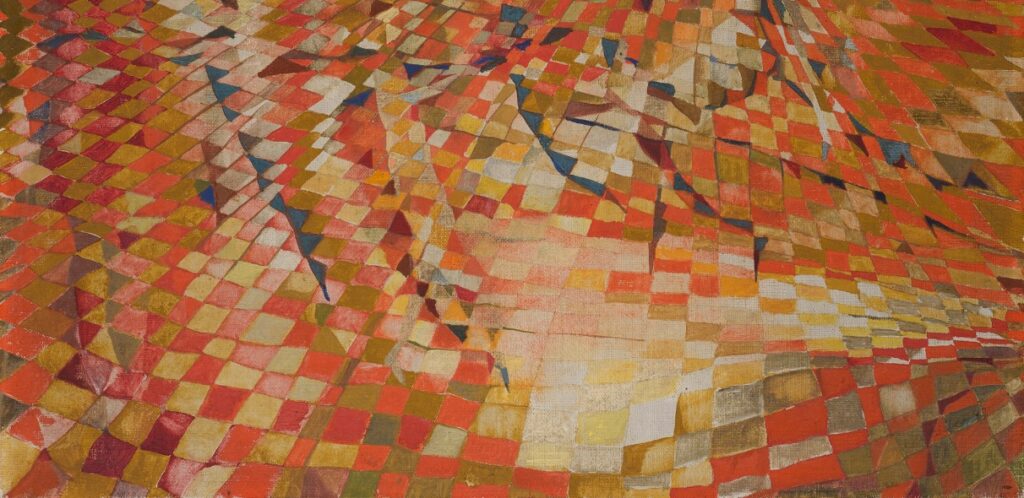
From the Peggy Guggenheim Venetian collection he will travel to Guggenheim Bilbao, since October 16, this review of the real and imaginary landscapes of Maria Helena Vieira da Silva, which took as referents both the decorative geometry of the Hispanic-Arab tiles and the tablecloths with checkers present in the paintings of Pierre Bonnard.
Under the commissioner of Flavia Frigeri, his experiences in Paris and his stay in Rio de Janeiro will be studied, which materialized in abstract forms and particular optical illusions.
“Cooking Sections: Lost waves.”
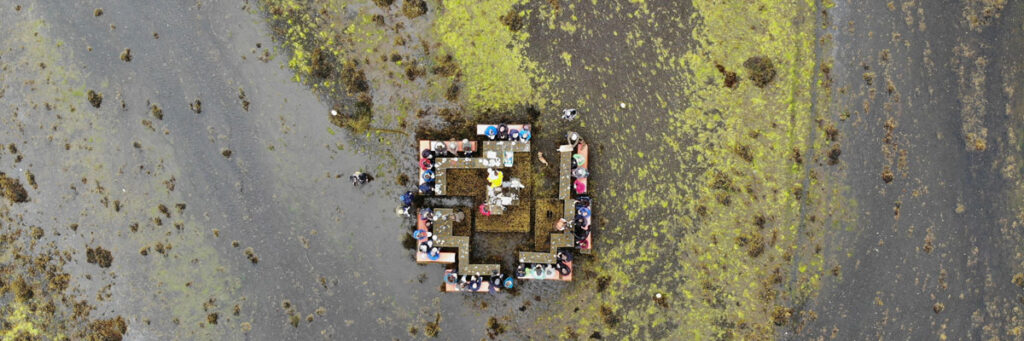
The erosion derived from the exploitation of the coasts to build infrastructure or tourist developments, in addition to having its impact on the disappearance of different species, has given rise to changes in the ways in which earth and sea are approaching: to the dissolution of waves that, sometimes, were historical.
The Santander Botín Center, at the foot of the Cantabrian, will house from October 18 a performative and musical installation of the Cooking Sections collective that aims to remember those waves that no longer break and those that we can still protect. In September of last year they gave a workshop under that same theme in this city and in the Nansa Valley.
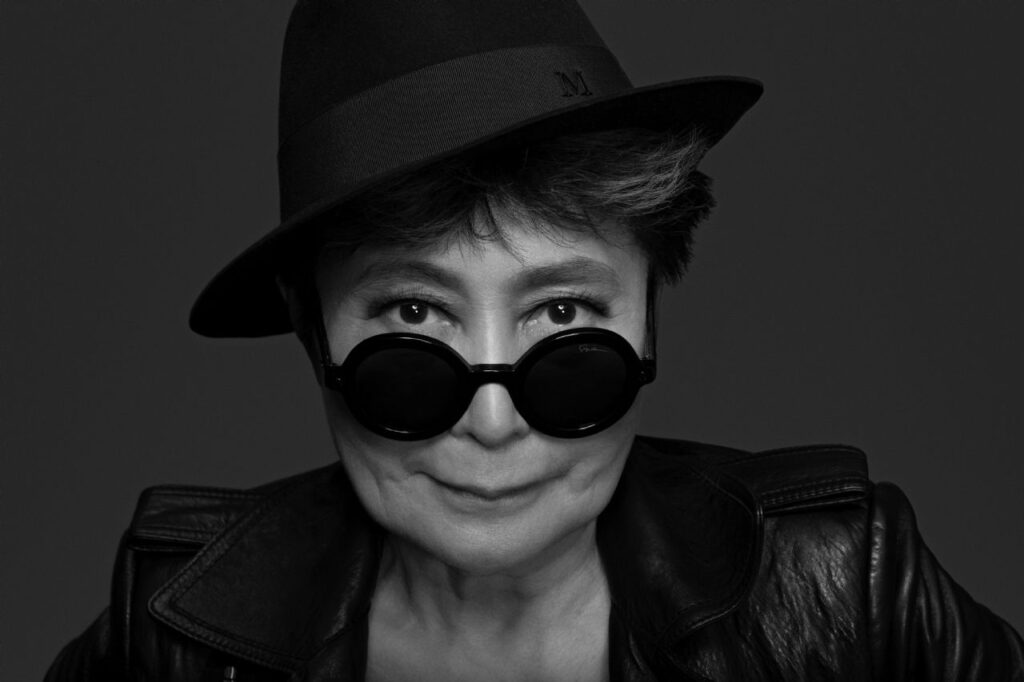
Yoko Ono. “Insound and instruction.”
The ideas, whether poetic, absurd and utopian, specific and realizable or impossible to materialize, are the center of Yoko Ono production, marked by a particular humor and critical attitude often and often open to the interaction of the public.
The Musac de León dedicates a wide sample from November 8, under the police station of Álvaro Rodríguez Fominaya, Jon Hendricks and Connor Monahan.
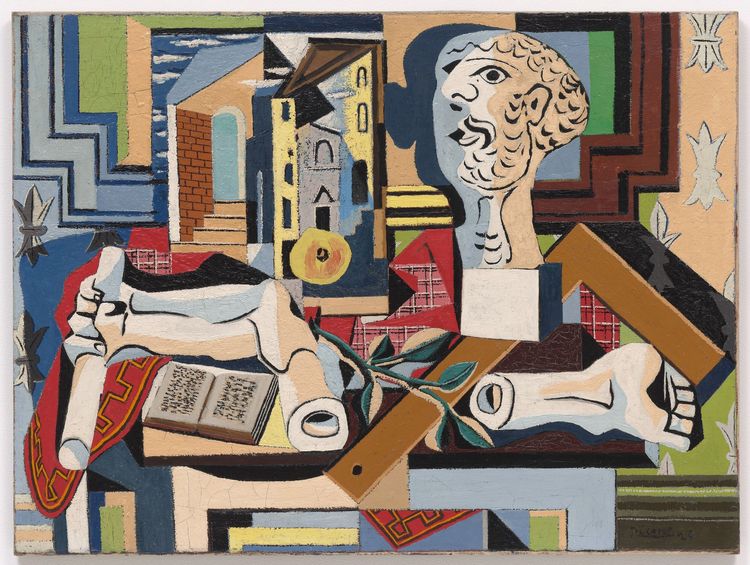
“Picasso. Memory and desire.”
YESO HEAD STUDYPicasso’s work dated in 1925 and curated by MoMA, will be the starting point of the next exhibition that will open its museum in Malaga, on November 14. He captivated Salvador Dalí and García Lorca and is considered to marked a certain turning point in his career, in connection with the rise of surrealism.
The artist considered this image as a psychic emblem of the divided subject by splitting with his origin and dialogue between the past and present through memory. In the tour will be related to works by Giorgio de Chirico, Fernand Léger, Jean Cocteau, Man Ray or René Magritte.
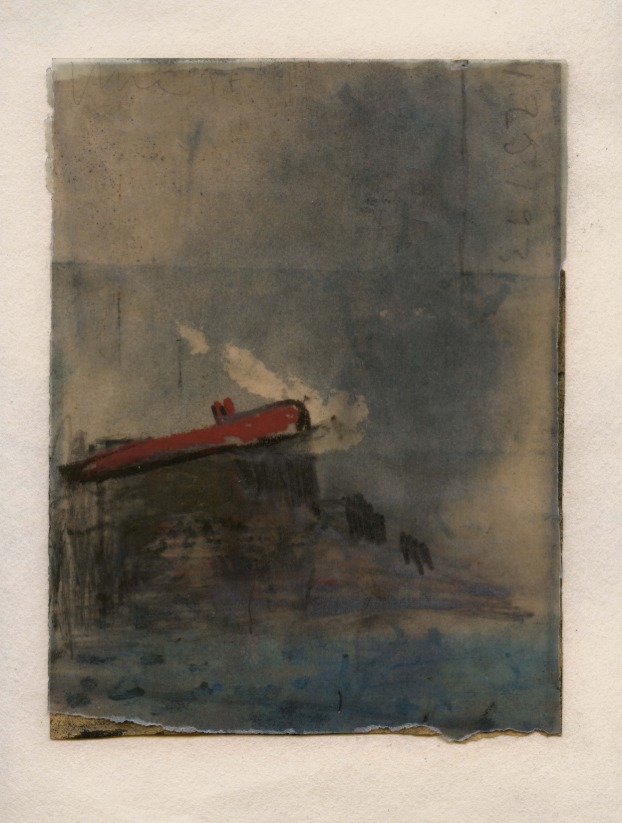
Juan Uslé. “That ship on the mountain.”
Two decades after Juan Uslé’s first exhibition at the Reina Sofía Museum, this artist, in summer protagonist of two exhibitions in Cantabria, will return to the Madrid center on November 25.
It will offer an anthology that will include representative works of its four decades of creative journey, in ten rooms and according to a non -chronological story, but based on the comings and laps, in the inquiry in the roads already taken.
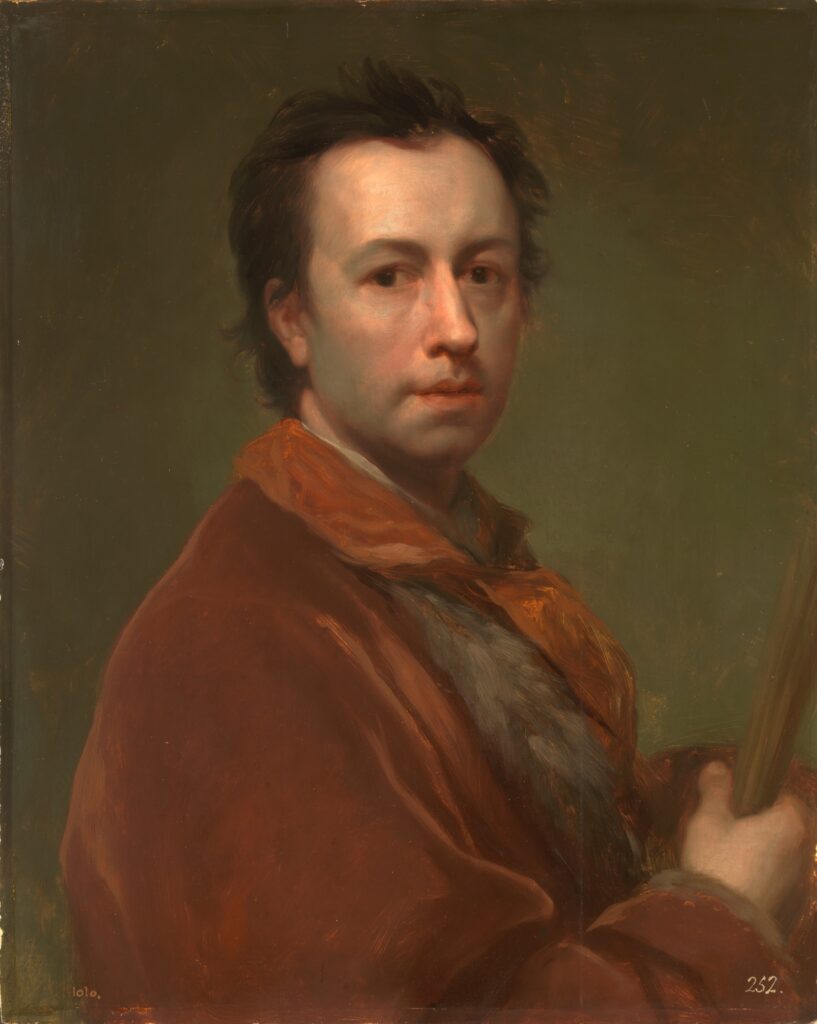
“Antonio Raphael Mengs (1728-1779)”.
At the beginning of this year, the Prado Museum launched a call on social networks to find the Santa Cecilia of this author, belonging to a private collection and for the last time in Padua and Dresde in 2001.
At the moment we have not had news of that search, but it may or may not be part of it that exceptional portrait of the patron saint of music, the anthology of the German prepared by the Madrid Pinacoteca will be the most important artist so far and will have one hundred and fifty works, mostly coming from Prado himself and national heritage -Megs was the first painter of Carlos III-, but also of international loans.
Surely the best -considered European artist from the mid -18th century, exerted great influence among his contemporaries and among his referents Rafael, Correggio and Pompeo Batoni were found. Andrés Úbeda and Javier Jordán will be commissioners of this proposal, which will include watercolors, cakes, drawings, oils, the fresco Jupiter and Ganimedessculptures, medals and manuscripts and will open on November 29.
“Rodoreda, a forest.”
The Barcelona CCCB will culminate the year presenting, since December 5, an exhibition by Neus Criminalba that will deepen the imaginary and the themes of Merce Rodoreda, mainly in those gestures that again and again repeat themselves in their novels: those of spying, watching, seeing die, choking, drowning …
Also in constant botanical trees and tropes in their texts; The assembly itself will be structured as a forest in which the rooms will connect with each other organically. Thus, we can know their literary and vital roots, their vertebrate trunks or the seeds that, from it, germinated.
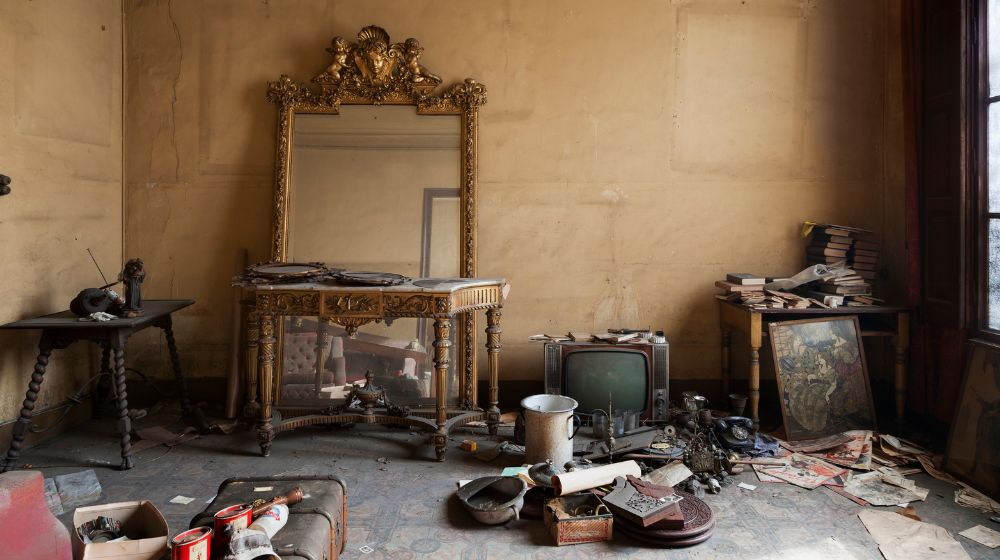
Hammershøi. “The eye listening.”
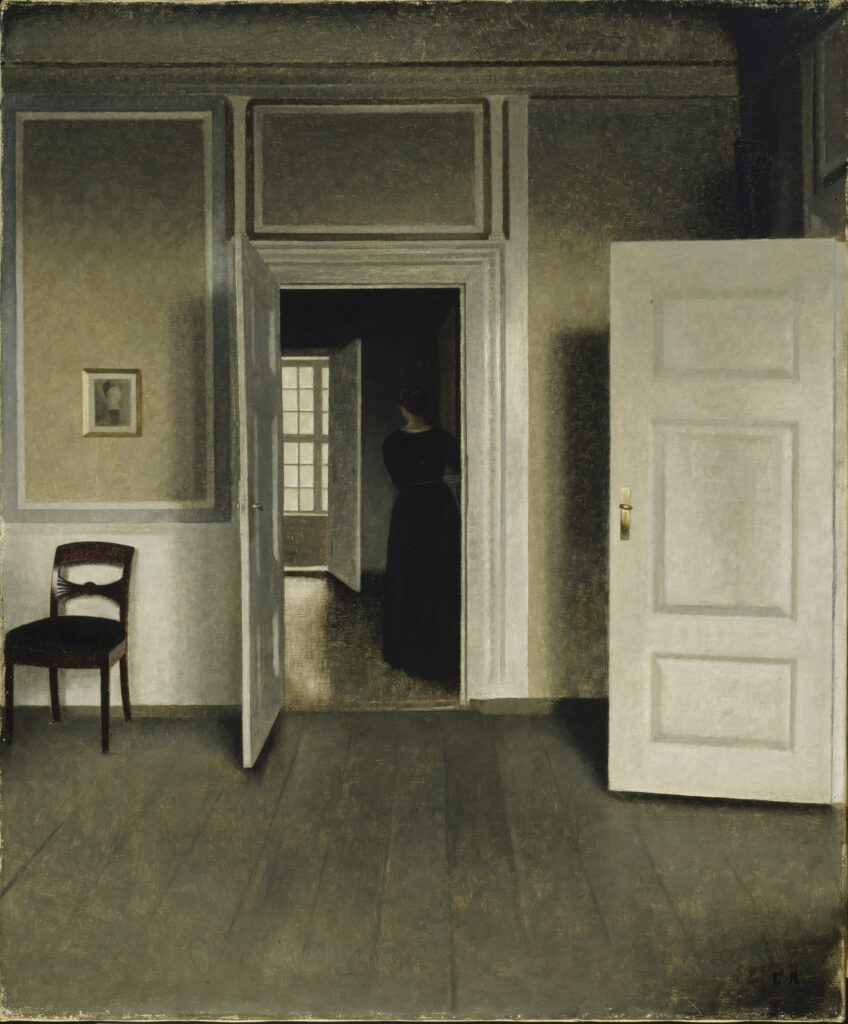
The first exhibition that will open its doors in 2016 at the Thyssen-Bornemisza National Museum will also be the first Spanish retrospective of the Danish Vilhelm Hammershøi, an interior maker as cold and silent as subjugating. The exhibition, which will start on February 17, will consist of a hundred works and will relate its work to that of its Danish contemporaries and that of other European authors.
The title of this project will be “the eye that listens”, in reference to the silence that its compositions and the interest of this painter for music transmit. In the following summer he will travel to Kunsthaus Zurich.