We know him as one of the great clearers of the paths of avant-garde sculpture in Spain, a collaborator of Picasso and a maker of spaces: he wanted to articulate his voids as if they could generate a new materialin its very expression. But Julio González, whose birth in Barcelona now marks 150 years, was also a draftsman and painter, and not at the last minute but from the very beginning of his career: although he first trained in his father’s metalwork, he profitably visited the Prado Museum and soon ended up in Paris to pursue a career with brushes. He then greatly cultivated drawing and pastel under the influence of Degas, Puvis de Chavannes and, above all, Picasso himself, who came to him sooner as a reference in two dimensions than in three.
The death of his brother Joan, who was also an artist and who had settled with him in the French capital, was a profound setback in his beginnings: it led him to work less and, later, to focus on sculpture; In his thirties he abandoned the canvases. Therefore, the pictorial career of this author focuses on the decades of the tens and twenties; Later, his pictorial creations would be circumstantial and linked to his three-dimensional pieces, as a starting point for his cubist and abstract developments, in most cases.
At first, approximately until the end of World War I, González painted under the influence of Gallic symbolism; Then, in a more mature phase, the one that elapsed until 1928, he did so under the postulates of Catalan noucentisme, accentuating the volumes, opting for small formats and adopting the assumptions of Eugenio D’Ors in relation to harmonious Mediterranean landscapes domesticated by human intervention and with women as the emblem of a classicist style.
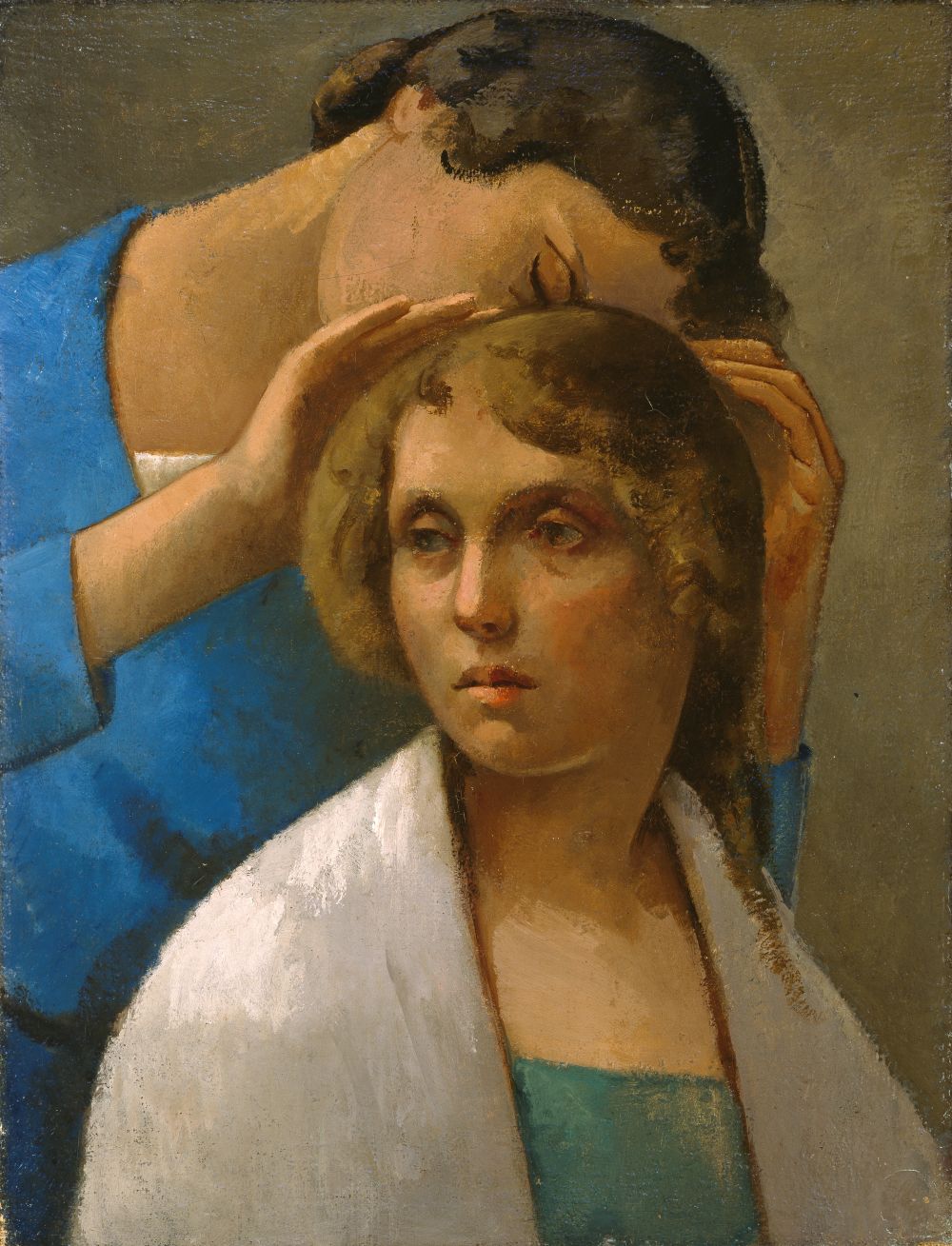
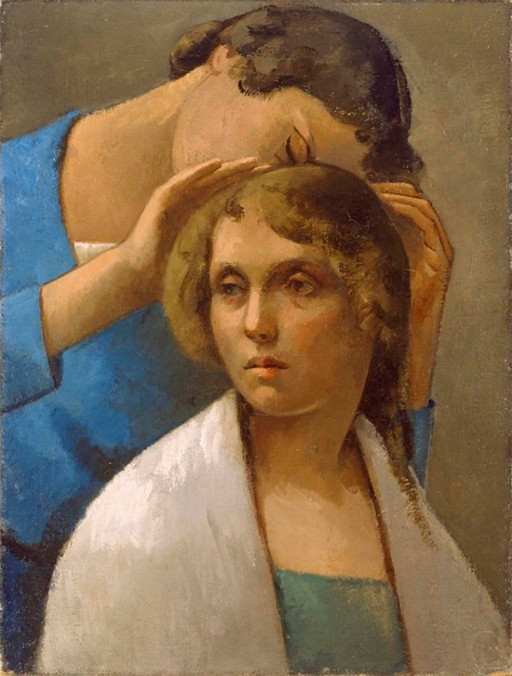
Julio González. two womenaround 1920-1923. Reina Sofía National Art Center Museum, Madrid. Donation of Roberta González, 1973
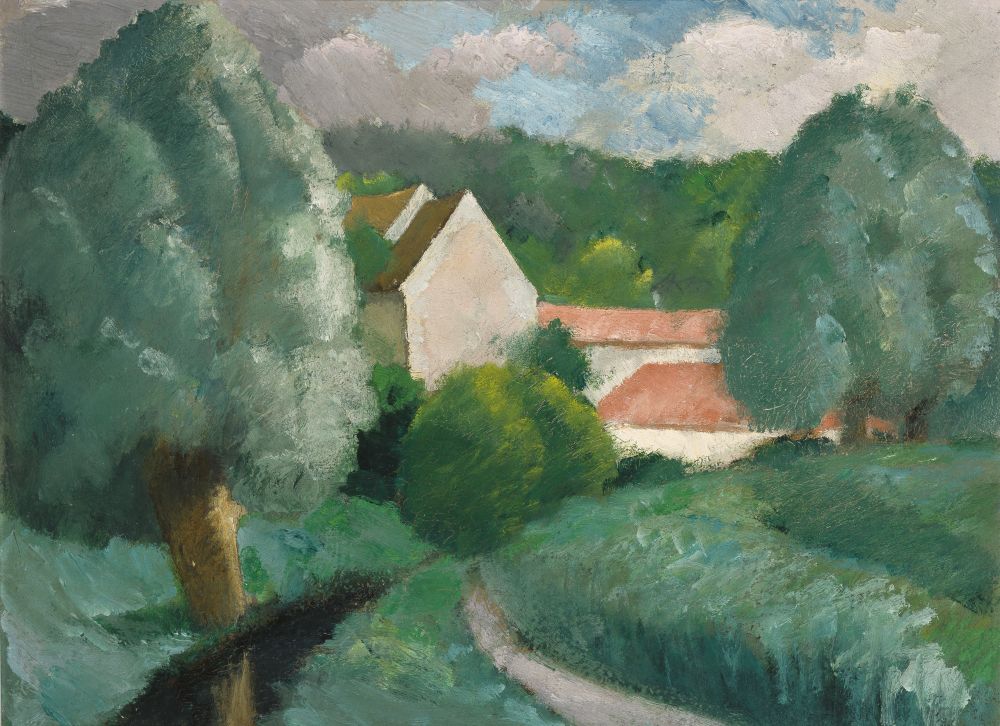
Julio González. Landscapearound 1925-1928. Reina Sofía National Art Center Museum, Madrid. Donation of Roberta González, 1973
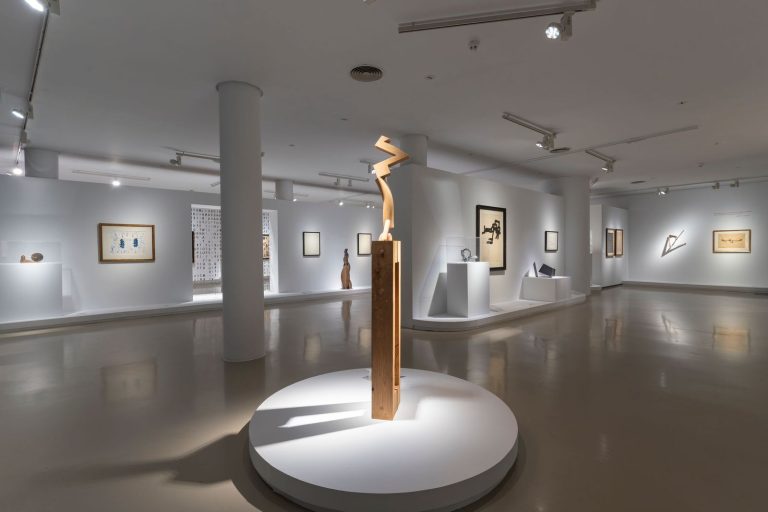
This pictorial aspect of the Catalan author’s career is the focus of the exhibition that, from today, the Carmen Thyssen Museum in Malaga dedicates to him with the collaboration of the Reina Sofía, which has lent for this proposal all the pieces that comprise it, donated to the MNCARS in 1973 by Roberta González, the artist’s daughter. The exhibition suggests that we can consider these compositions as the conceptual axis of his entire production, since they cover research that he would later develop in his sculptures: we refer to the complex ties between tradition and modernity in those first decades of the 20th century and in the French context, to the structural and volumetric value of the form, to the potential of abstraction or the treatment of nature and the rural, women or the genres of the nude and the portrait. Also to the adoption of features typical of currents such as the aforementioned Mediterranean noucentisme, cubist planimetry or the freedom of sources and the filiform and organic structures of surrealism.
Part of the pieces in Malaga correspond to the later drawings or sketches that González carried out when preparing his metal sculptures, as exercises in which to experiment, taking advantage of the spontaneity of the line compared to the hardness of iron, with volume – which he always handled with great confidence -, space and the simplification of forms. This is a chapter, to a large extent, yet to be explored; of projects that modeled the introduction of modernity – pictorial and sculptural – in Spain and that allow us to reflect on the possible fruits of the relationship and coexistence between disciplines. He used to refer, in fact, to his sculptures as “drawing in space”, since the volumes of his sculptures appear described by the three-dimensional play of flat or linear shapes executed mainly in that metal, the material that would define his style indelibly and that he wanted to make peaceful and non-deadly.
The exhibition is made up of twenty-six works, only one of them sculptural and directly related to the paintings and drawings on display. We refer to Daphneexecuted in 1937, just five years before González’s unexpected and early death, while he was shaping a Montserrat that was left unfinished.
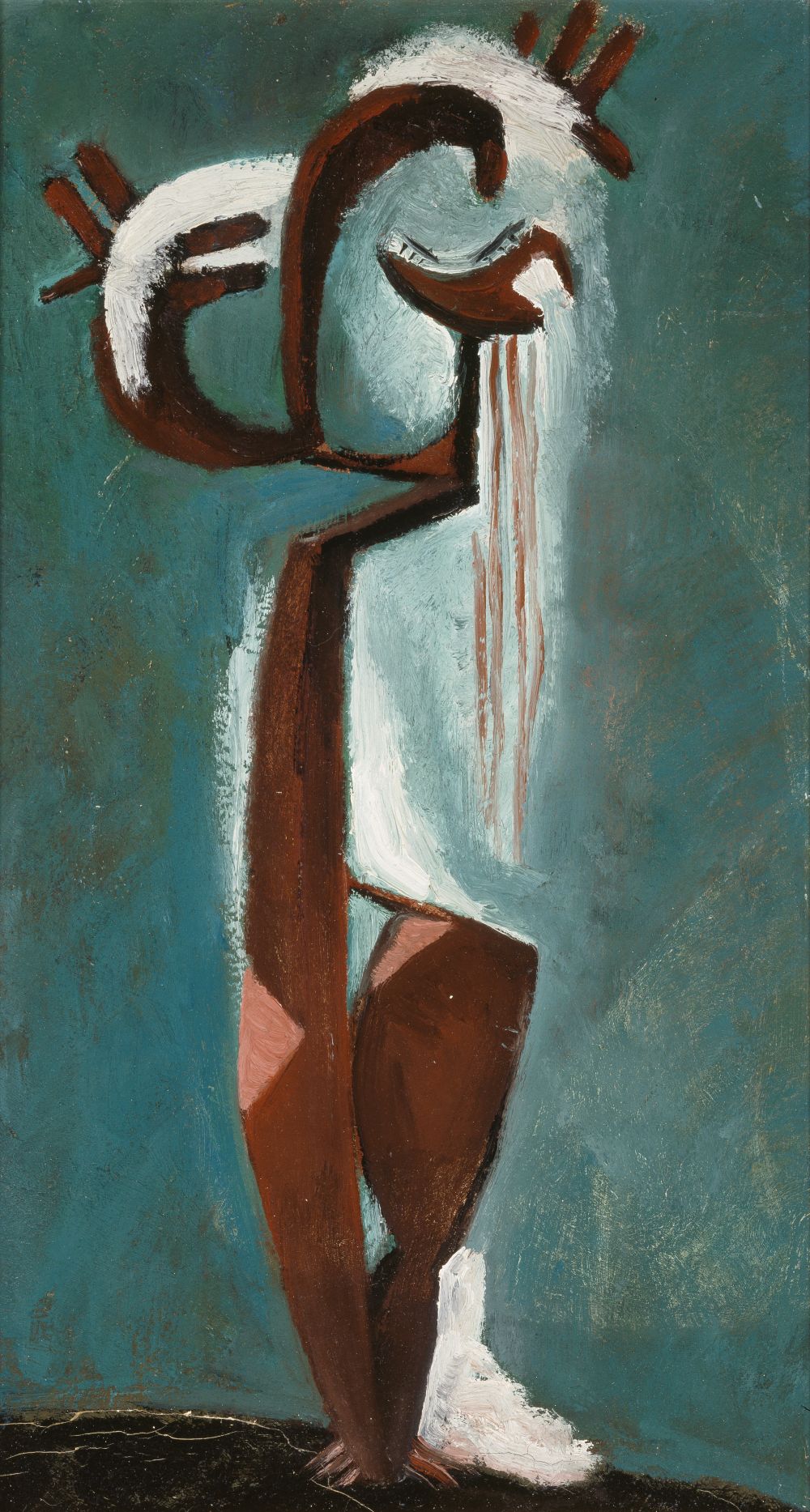
Julio González. standing character1936-1939. Reina Sofía National Art Center Museum, Madrid. Donation of Roberta González, 1973
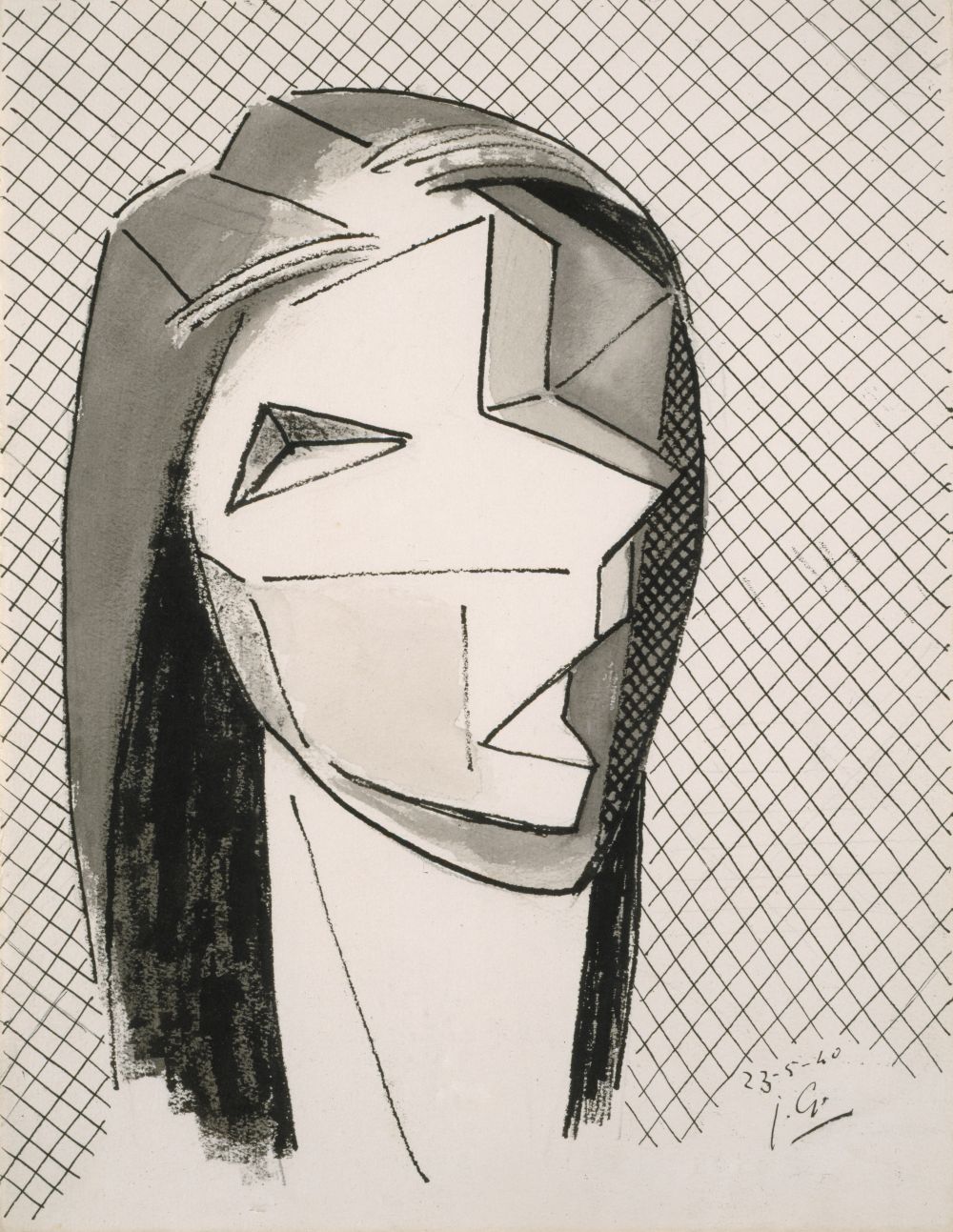
Julio González. Head with reticulated bottom1940. Museo Nacional Centro de Arte Reina Sofía, Madrid. Donation of Roberta González, 1973
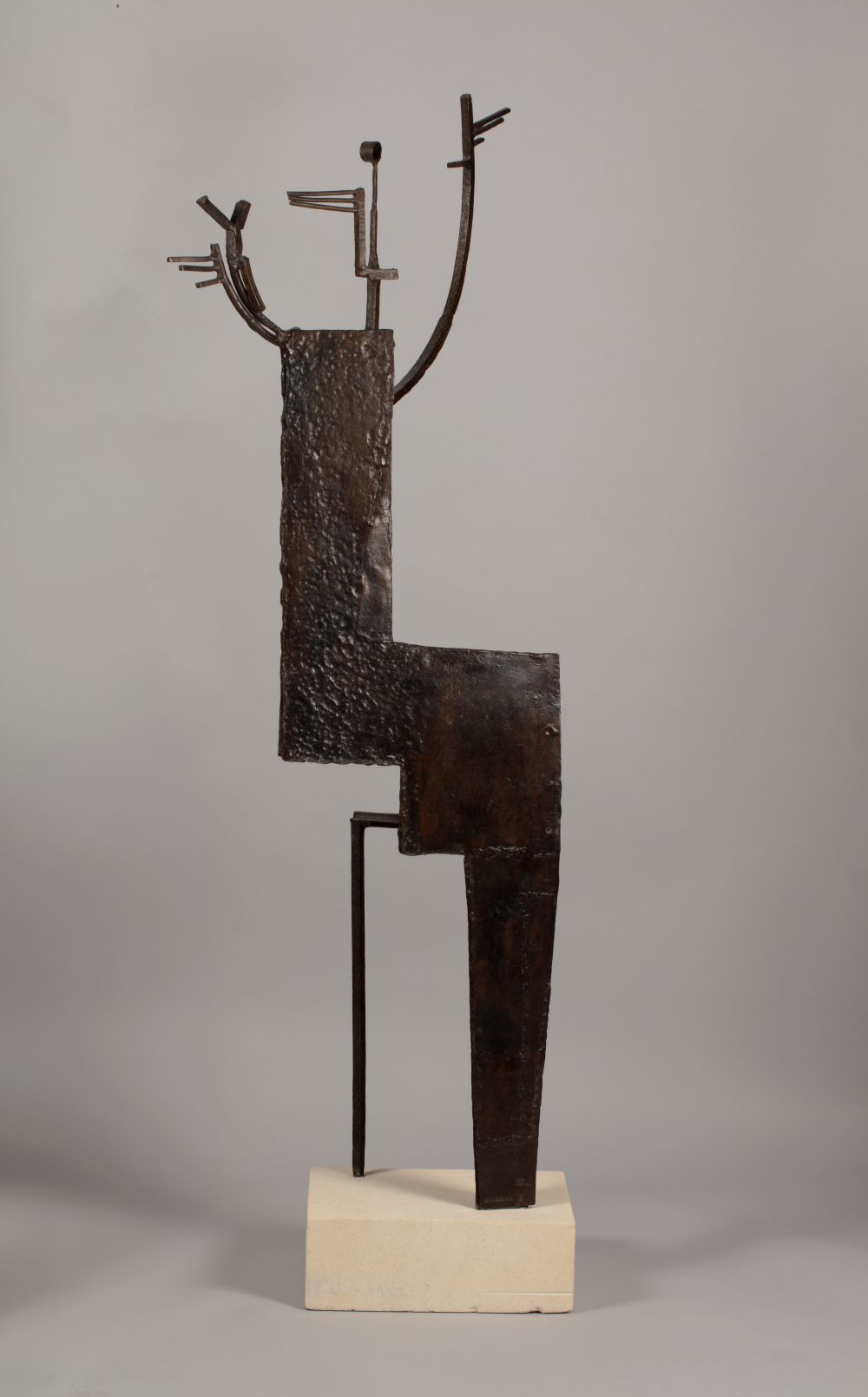
Julio González. Daphne1937. Museo Nacional Centro de Arte Reina Sofía, Madrid. Donation of Roberta González, 1973
«Julio González, painter and draftsman»
CARMEN THYSSEN MUSEUM MÁLAGA
C/Company, 10
Malaga
From October 22, 2026 to January 17, 2027