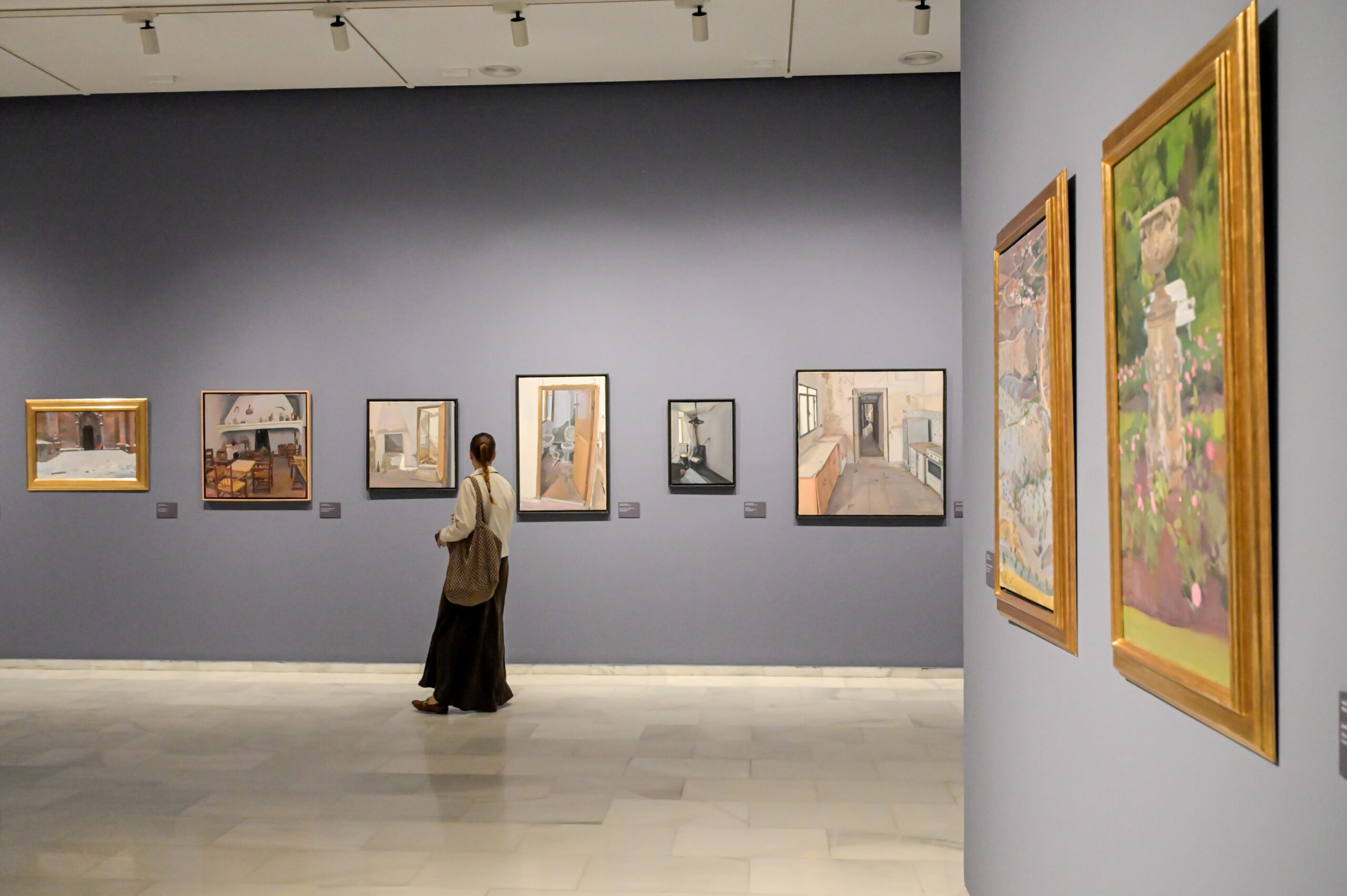
The classic genres of painting and the relationship with their own references form the backbone of the monographic exhibition that, from today, the Valencian Bancaja Foundation dedicates to the artist Andrés García Ibáñez. It consists of nearly eighty works dating from the beginning of his career, in the mid-nineties, until this year and in some cases unpublished to the public, and eleven compositions of totems of figuration that the author of Olula del Río considers his teachers: Francisco de Goya, Joaquín Sorolla, Antonio López, Ignacio Zuloaga and Juan Valdés Leal.
Indeed, García Ibáñez’s production takes its roots from the very diverse realist tradition in Spain – it has gone through the representation of allegories, meta-painting, deforming criticism or naturalism – and this is evident in this anthology that is structured in four sections, beginning with the one focused on traditional genreswhere we will contemplate portraits, landscapes and still lifes that link the artist from Olula del Río with the fertile past of said figuration. They are characterized by their careful drawing, their vigor and an expressive and fluid brushstroke that will remind us of the notion of vein brave that Lafuente Ferrari handled: if we look at the portraits, they are not commissions, in most cases, but rather pieces given to family and friends in which it is desired to undertake an update of this typology without falling into rhetoric and maintaining strict naturalism.
The chapter Myth and allegory It contains, in turn, readings of classic mythological subjects that Ibáñez carried out in his youth, sometimes in large formats, and later pieces in which the symbols and a particular review of emblematic works from the history of art serve the painter to delve, once again, into human nature and his passions. For García Ibáñez this issue has been a driving force and almost an obsession, evolving in these images from a desacralized view of the myths of Velazquez heritage (The Childhood of Bacchus, The Garden of the Bacchae) to a neo-baroque aesthetic open to transgression (patent in The Death of Godhis series about Venice or the Minotauromachy). The man from Almería tends to create meta-pictorial exercises based on classic works, introducing personal interpretations linked to irony or satire.
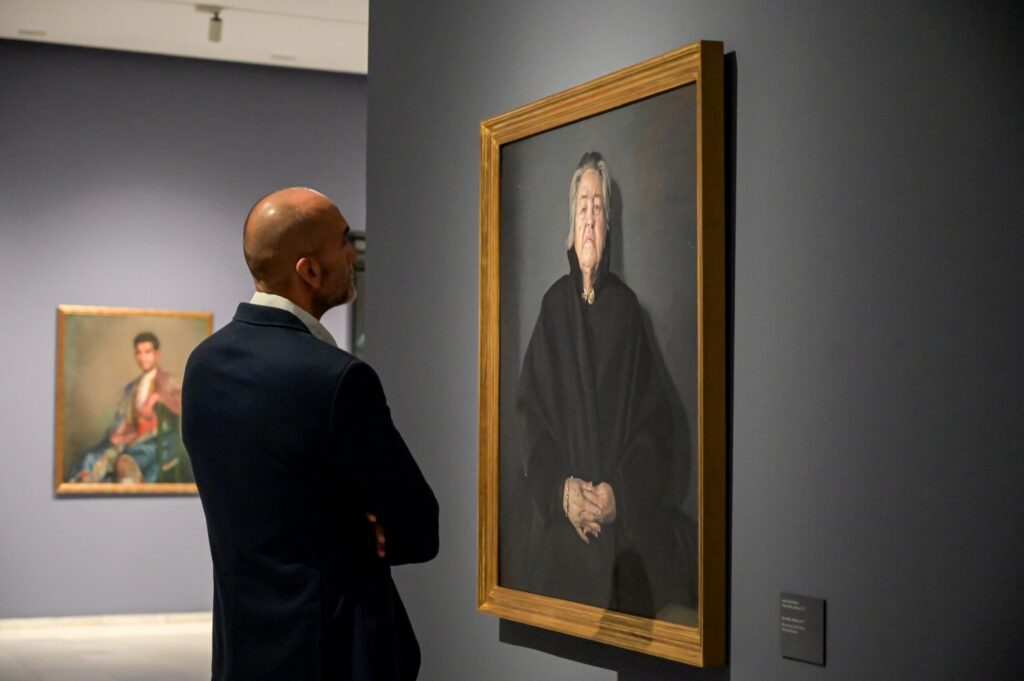
Andrés García Ibáñez. A look at Spanish realism. Bancaja Foundation, Valencia
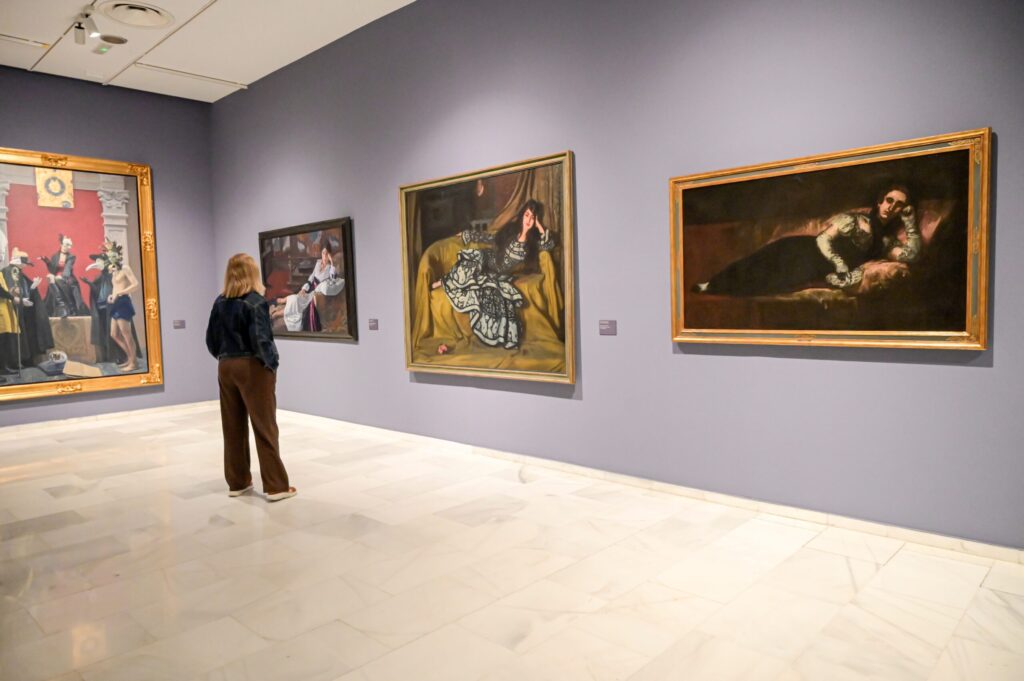
Andrés García Ibáñez. A look at Spanish realism. Bancaja Foundation, Valencia
Another of the recurring presences in García Ibáñez’s work since his training has been that of Beethoven, whose work accompanied him especially during his university time. He has dedicated various series to the German, starting with the early and ambitious An emotional approach to the work of Ludwig van Beethovenin which he devised parallels between his own life and creative experiences and those of the author of Fidelio.
On these canvases the painter recreated scenes from his life, relating them, almost with romantic ideation, to Beethoven’s melodies that inspired their creation; Some of these fabrics have been a starting point for the study of the possible links between music and painting in our time.
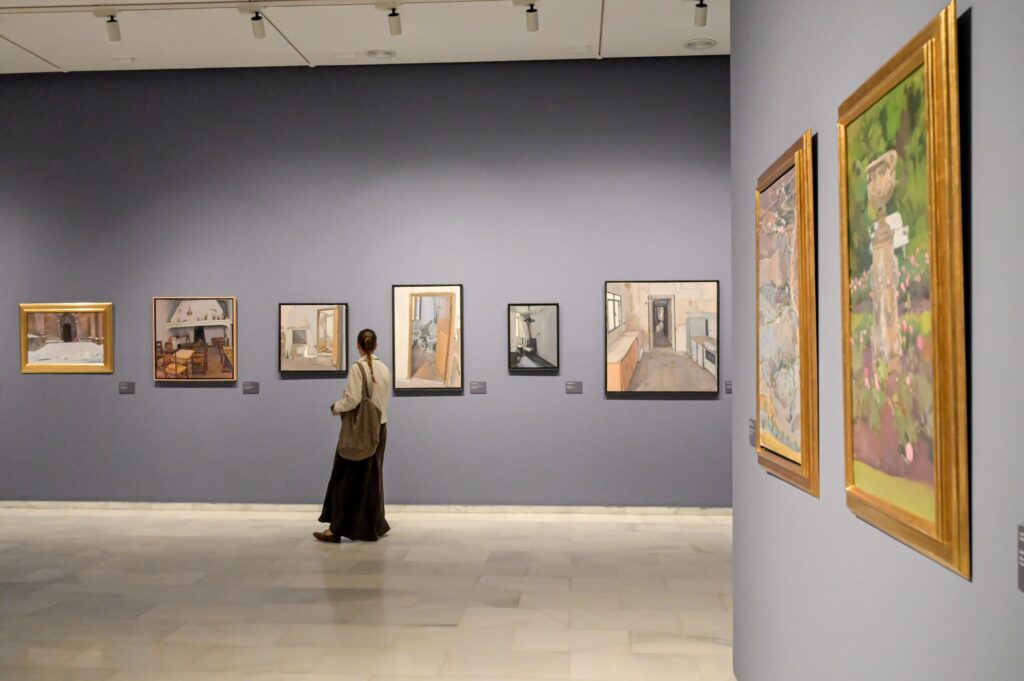
Andrés García Ibáñez. A look at Spanish realism. Bancaja Foundation, Valencia
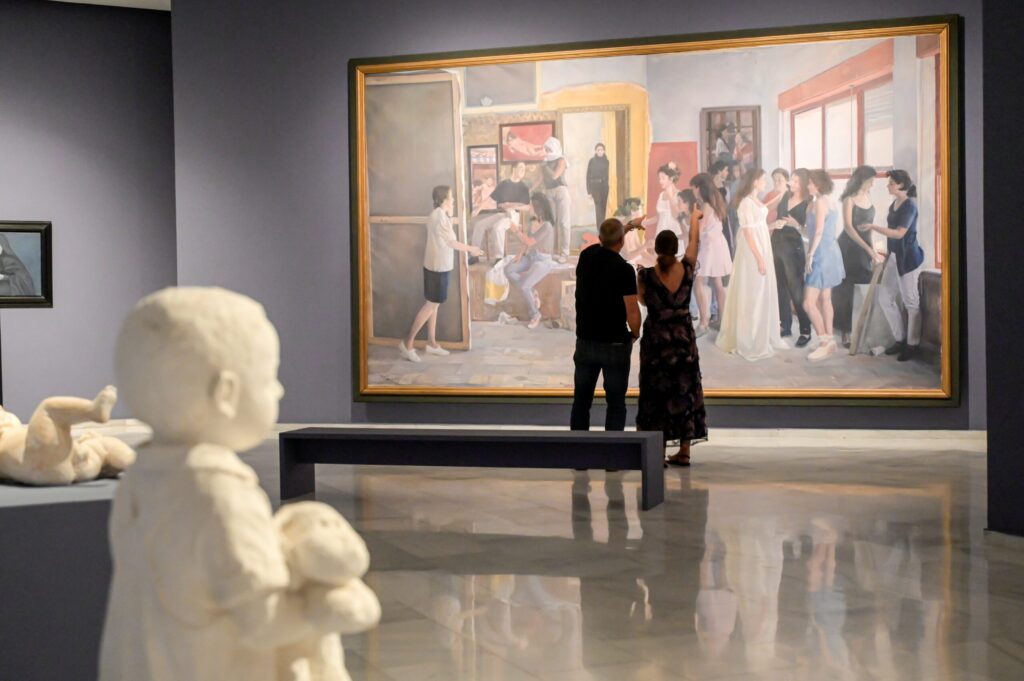
Andrés García Ibáñez. A look at Spanish realism. Bancaja Foundation, Valencia
The section that closes the tour delves into the friendship between García Ibáñez and Antonio López, which began two decades ago and has also had artistic drifts. The two have cultivated the natural landscape together, especially in places in Almería and Granada, and by examining the compositions of both of them we will be able to detect what unites and distances each realist author. In addition, they have jointly signed some works, especially sculptures, among them the portraits of Kings Felipe VI and Letizia, cast in bronze on behalf of the Provincial Council of Almería for the new Museum of Contemporary Spanish Realism (MUREC), or the one dedicated to Francisco de Goya, which has been on display since last year in front of the Aragonese painter’s birthplace in Fuendetodos.
The two have also taught various courses and workshops on life painting, including realism and figuration by Olula del Río, for more than a decade. In that town, García Ibáñez designed, as an architect, his City of Culture and on the initiative of López and García Ibáñez, the aforementioned MUREC was opened two years ago in the capital of Almería, managed by the Ibáñez Cosentino Foundation.
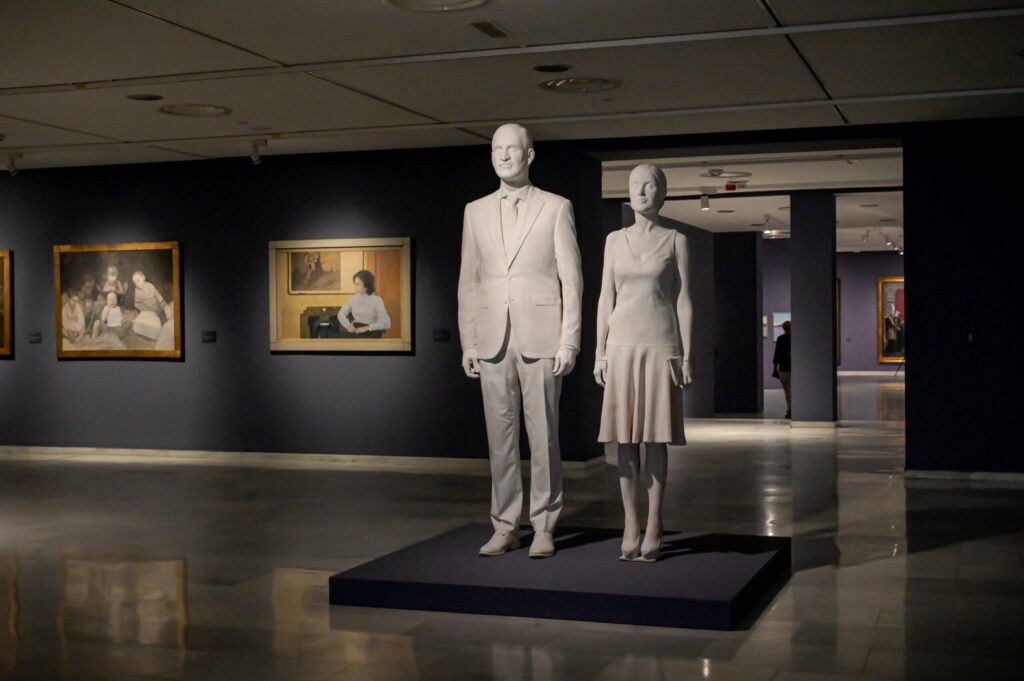
Andrés García Ibáñez. A look at Spanish realism. Bancaja Foundation, Valencia
«Andrés García Ibáñez. A look at Spanish realism »
BANCAJA FOUNDATION
Plaza de Tetuán, 23
Valencia
From September 25, 2026 to January 10, 2027