Until next November 1, the evocative underground spaces of the Scavi Scaligeri International Photography Center in Verona host a large exhibition dedicated to Dorothea Lange, who was one of the most relevant figures of documentary photography in her country in the last century and creator of some of the images that have marked our imagination around the Great Depression.
Organized by the comune of the Italian city itself and produced by CAMERA Turin, this exhibition, curated by Walter Guadagnini and Monica Poggi, brings together nearly two hundred works and covers the most intense period of Lange’s career, from that crisis after the crash of ’29 to the internment of American citizens of Japanese origin during the Second World War. His visions of migration, social inequality, discrimination and harsh droughts are explored in a journey that highlights his talent for observing the impact of events that mark history on the very earthly experience of individuals.
Known above all for its migrant motherone of the snapshots that could be part of a historical visual review of the 20th century, Lange, as John Szarkowski, curator of photography at MoMA for three decades, pointed out, was a social observer by choice and an artist by instincta definition that summarizes his ability to combine the rigorous documentation of moments with a deep human commitment. In his hands, the camera was both a tool of knowledge and an instrument at the service of civic testimony.
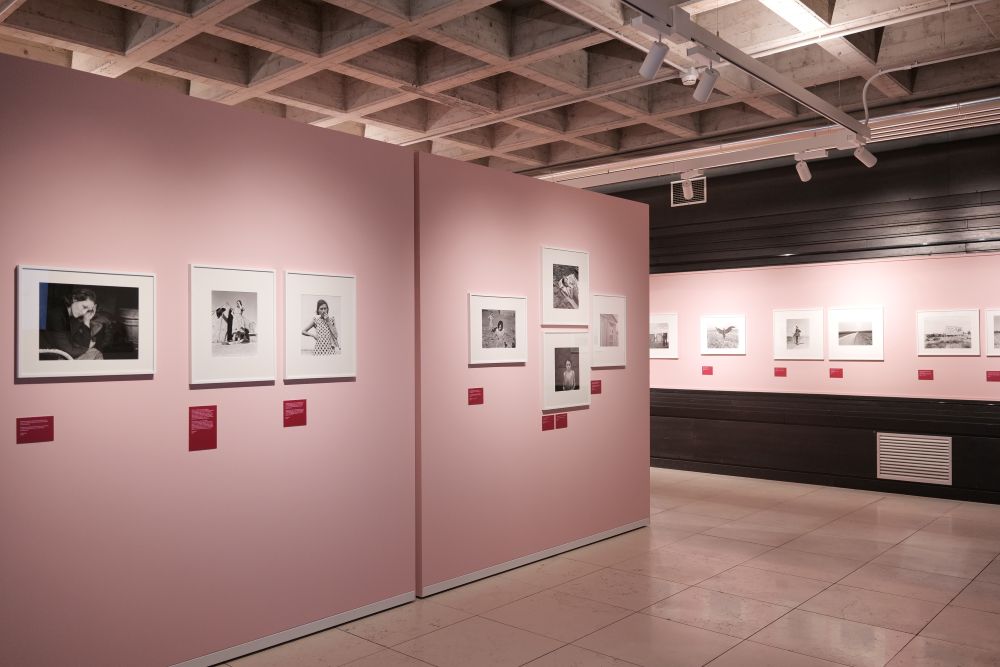
Dorothea Lange. Scavi Scaligeri International Center of Photography. Verona, 2026
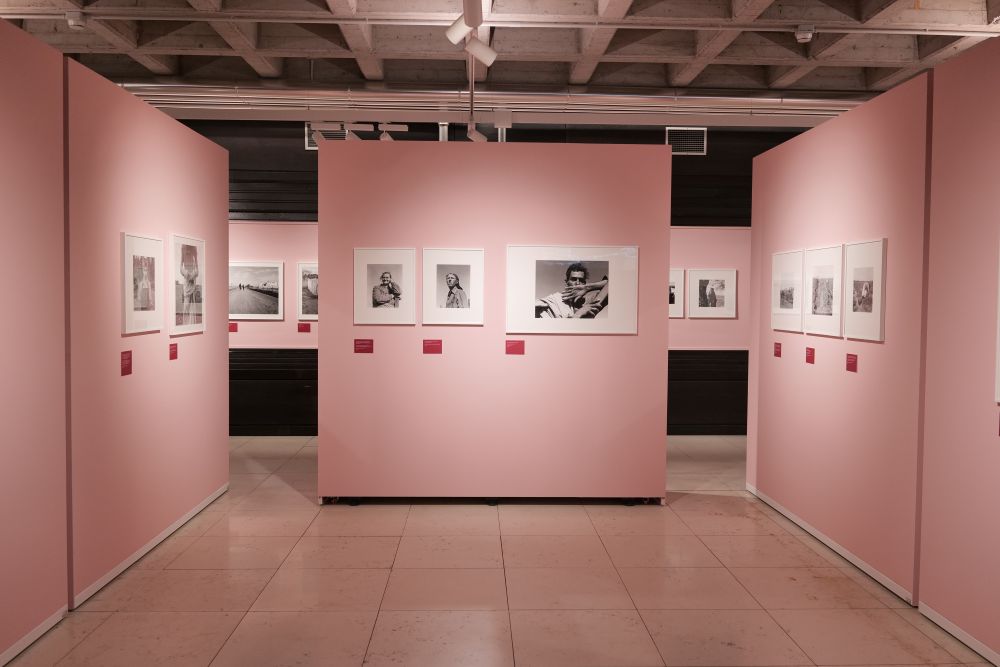
Dorothea Lange. Scavi Scaligeri International Center of Photography. Verona, 2026
This anthology offers its visitors a journey through the United States in the 1930s and 1940s, following this author through places that were experiencing economic debacles, marked internal migrations, and profound social transformations. The first images show the effects of the Great Depression in the cities: they capture the lines at unemployment offices, strikes and demonstrations; Others will travel along rural roads traveled by thousands of families forced to abandon their lands due to lack of rain, sand storms and the consequent agricultural crisis.
Starting in 1935, Lange joined the group of photographers commissioned by the Farm Security Administration, the government agency created under the policies of the New Deal, to report on the living conditions of migrant agricultural workers. Together with the economist Paul S. Taylor, who would become her husband, she traveled thousands of kilometers throughout the country, collecting images and testimonies that shed light on the poverty and large-scale internal displacement of those dark years.
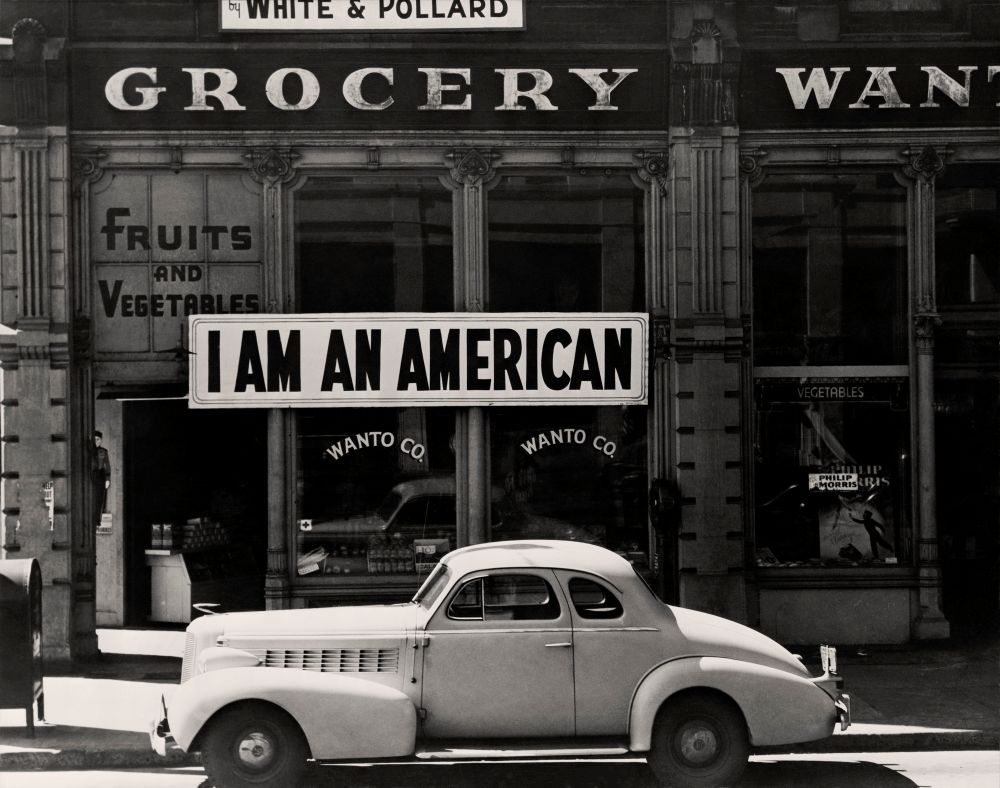
Dorothea Lange. A large sign reading I am an American1942. The New York Public Library
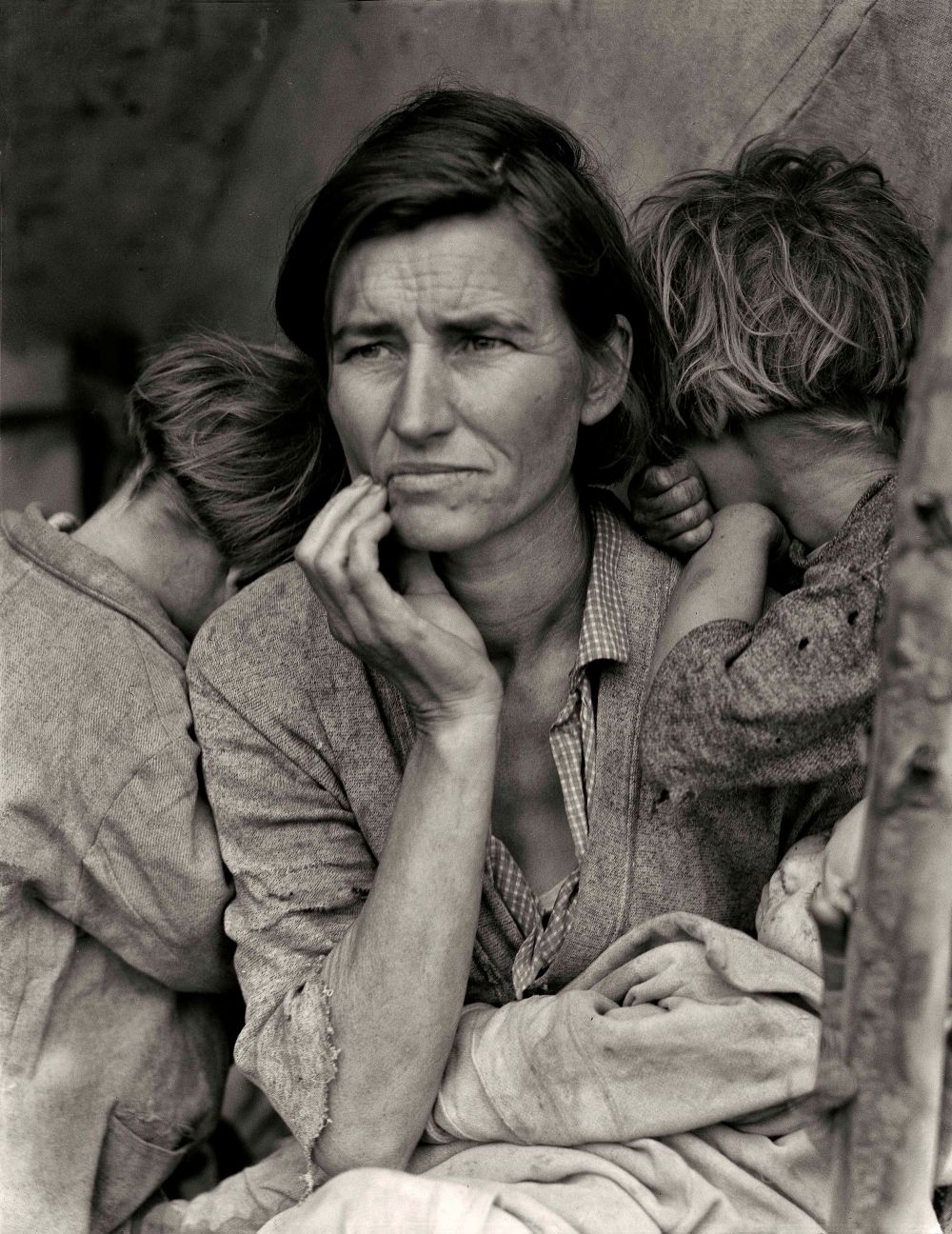
Dorothea Lange. Migrant mother1936. The New York Public Library
A central axis of the exhibition are the improvised camps that emerged along the migratory routes, the so-called “jungles”, where thousands of people lived in tents and precarious shelters, without basic services and waiting to find temporary work. It was in this context that the aforementioned Migrant Motherthe portrait of Florence Owens Thompson destined to become an icon. Along with this image, the exhibition presents other well-known photographs, such as Towards Los Angeles, California (1937), in which Lange reflected the harsh living conditions of his models without ever undermining their personal dignity.
Since 1937, Lange and Paul S. Taylor continued their work in the south, addressing the working conditions of workers employed on large cotton, tobacco, and corn plantations. In this context, social inequality and racial segregation further exacerbated the exploitation of agricultural labor: his photos show us men and women forced to bend their backs for minimum wages.
Along with these testimonies of one of the hardest moments in American history, the exhibition also includes a hopeful side: the concrete and gradual effects of the intervention of the Farm Security Administration in the living conditions of these populations, which had previously been largely ignored. As the government began to build new settlements for displaced workers, equipped with essential services and organized through agricultural cooperatives, Lange’s images record a gradual change: faces become more relaxed, children return to play, and the possibility of a different future begins to take hold.
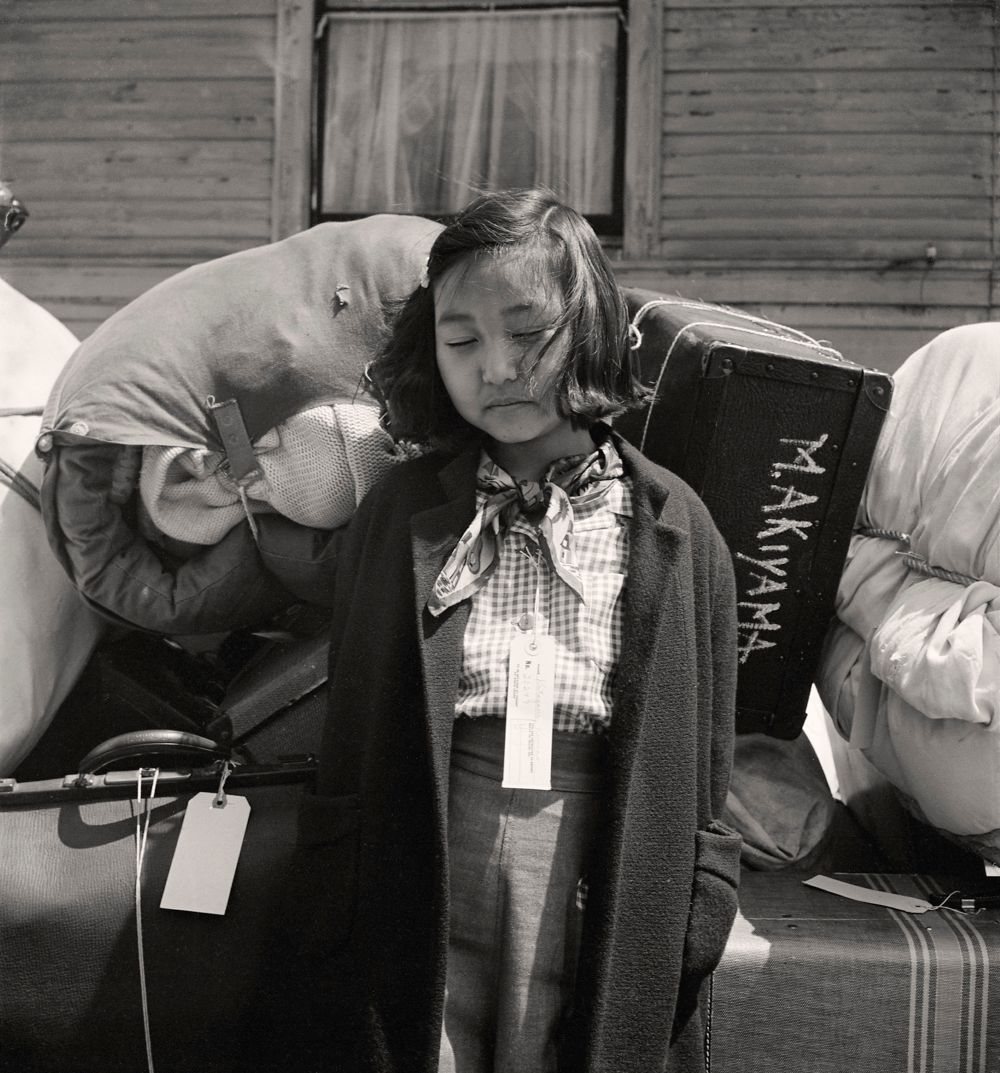
Dorothea Lange. Nisei girl with baggage1942. National Archives and Records Administration
The exhibition concludes with one of the most intense and least known chapters in Dorothea Lange’s career. Following the Japanese attack on Pearl Harbor and the United States’ entry into World War II, he was commissioned by the War Relocation Authority to document the forced transfer of more than 110,000 people of Japanese descent to internment camps established by the government. Despite having expressed, together with her husband at the time, her disagreement with this measure, Lange accepted and produced one of the most shocking evidence of that event.
Subjected to rigorous scrutiny by military authorities and virtually unknown for many years, these photographs attest to the unexpected loss of freedom of the victims, including children who read American comics, sing the national anthem or play with their peers, and elderly people who wait, with serene and resigned expressions, to be transferred.
The selected works come from the collections of the Library of Congress in Washington and the New York Public Library and recall how Dorothea Lange’s gaze continues to challenge us in the present and remind us that, behind the great crises, economic transformations and political decisions, there are always the lives, faces and dignity of the ordinary people who suffer them.
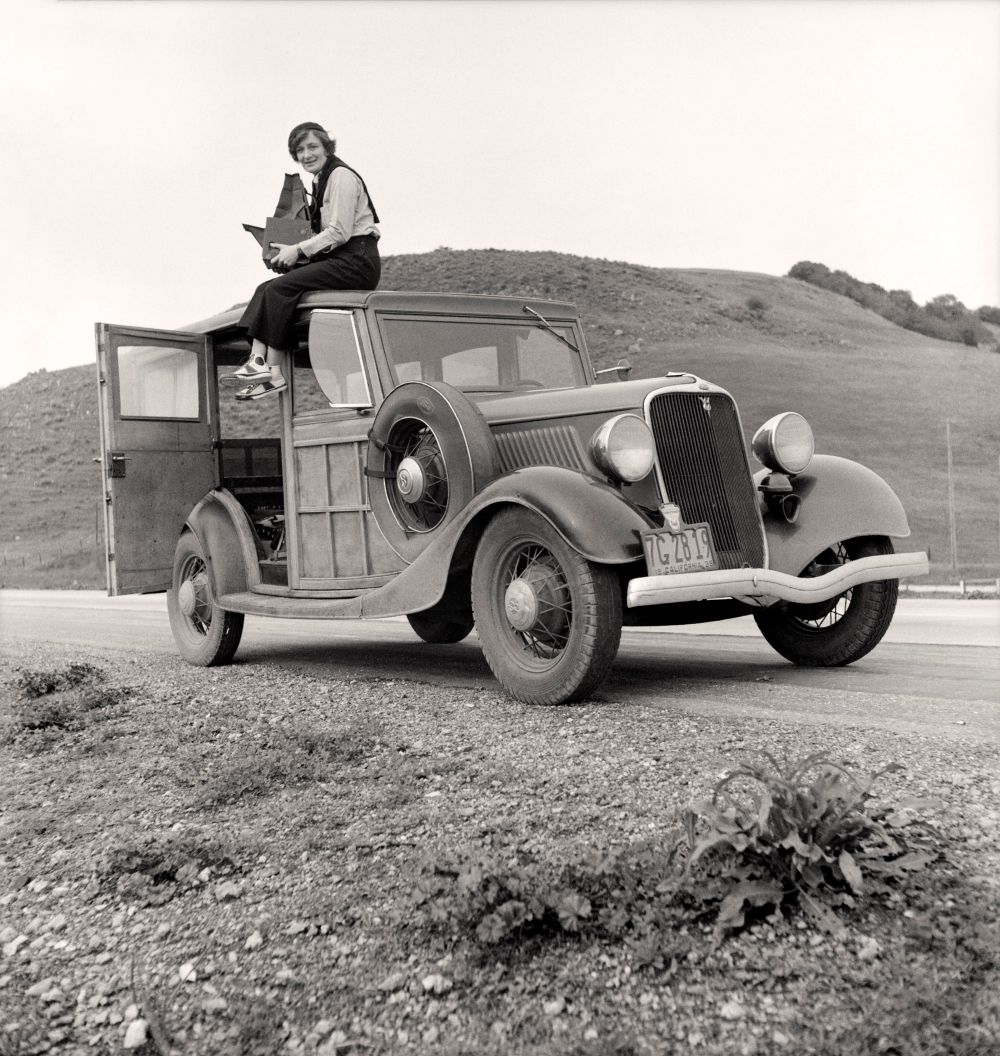
Rondal Partridge. Dorothea Lange, Resettlement Administration photographer. California, 1936
Dorothea Lange
SCAVI SCALIGERI INTERNATIONAL PHOTOGRAPHY CENTER
Cortile Mercato Vecchio, 8
verona
From July 30 to November 1, 2026