Palma de Mallorca,
The end of July will be the start in Palma de Mallorca from Paysage looked. La Llotja, the Miró Mallorca Foundation, is Baluard Museu and Casal Solleric will offer in the coming months (until November in the case of Casal Solleric and is Baluard, until next year in the Foundation and the Llotja de Palma) a wide exhibition project that will consist of four samples designed with the support of the Balear Successó Miró and the Pelaires gallery.
In both spaces we can contemplate representative works of almost all the artistic trajectory of Miró: they will be dated from 1916 to 1981, two years before his death in Palma. The gathered pieces will be a hundred, including paintings, sculptures and work on paper, together with documents and objects of this author, all exposed simultaneously. They come from the funds of Reina Sofía, the Miró Barcelona Foundation, the Macba, the Mallorcan museums and private collections, and the proposal has been curated by David Barro, director of Es Baluard Museu; Carmen Fernández, conservative of sculpture and facilities of the Reina Sofía Museum; Antònia Maria Perelló, director of the Miró Mallorca Foundation; and Fernando Gómez de la Cuesta, director of Casal Solleric.
The first great Balearic tribute in almost half a century
Paysage looked will involve a larger -scale reissue of the tribute that, in 1978, the city of Palma gave to the author of The Masía with an outstanding anthological exhibition that could then be seen in La Llotja and in the still called Palau Solleric; On this occasion, almost all the great cultural institutions of the Balearic capital have promoted this new tribute without the excuse of any anniversary, mainly from the intention of examining its journey from a very different aspects: the solemnity of their sculptures in the bronze of black patina, the relationship between their paintings and the objects and images that surrounded the artist, as well as the works of other creators friends who were part of their personal collection; The radicality and pioneer place of Miró in the history of the painting of the twentieth century and the links between the painting itself and the sculpture in its production.
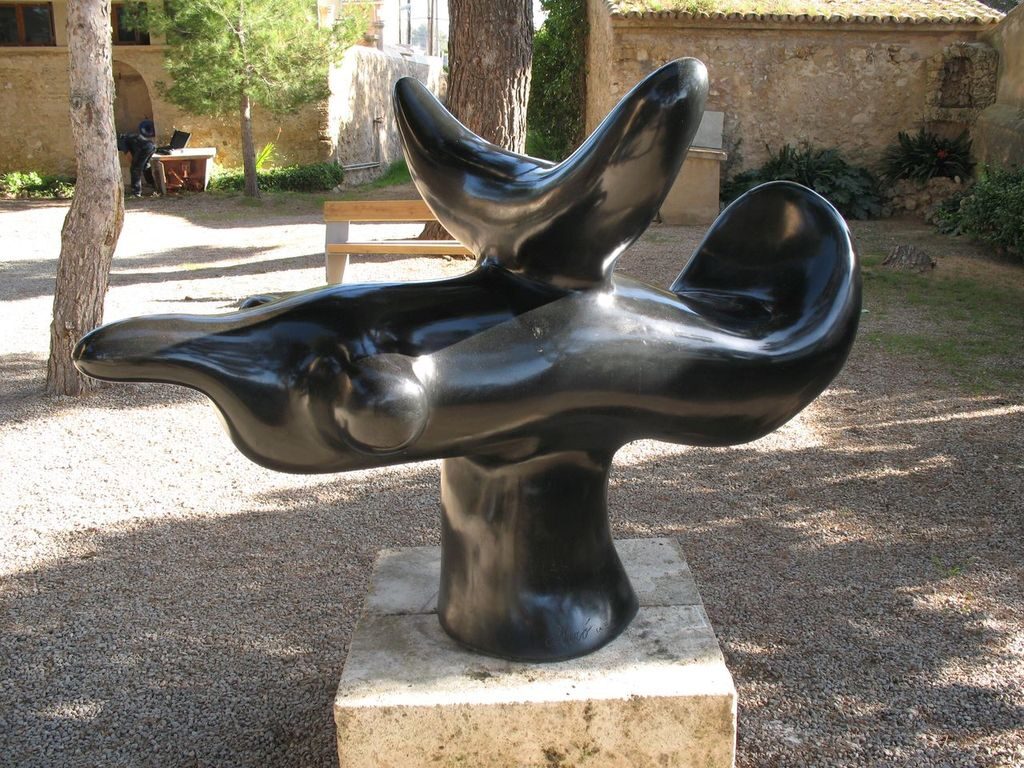
Thus, in the Gothic building of La Llotja we will see bronze pieces that could summarize the formal and symbolic inquiries of Miró in the three -dimensional field: works characterized by its black pats, its blunt volumes and its propensity to metamorphosis. OISAU LUNAIRE, OISEAU Soloire, Maternité either So They will embody the tension in their compositions between the ancestral and the modern, the natural and the fantastic, and underline the constant relationship of Barcelona with great figures of the sculpture that were contemporary to him, such as ARP, Giacometti or Picasso. In the Llotja these works will be intertwined with the landscape, emphasizing the cosmic, poetic and vital dimension of Miró’s plastic.
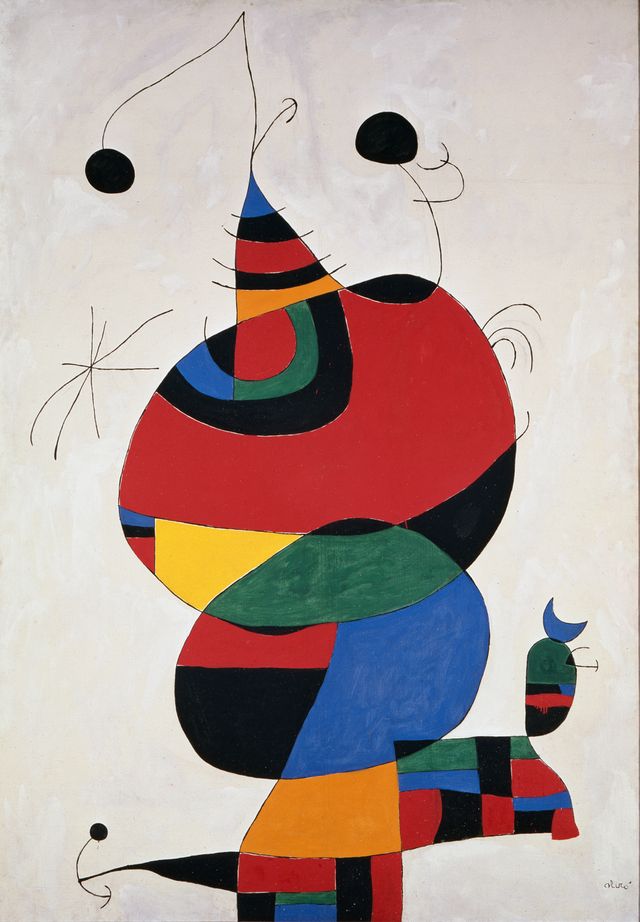
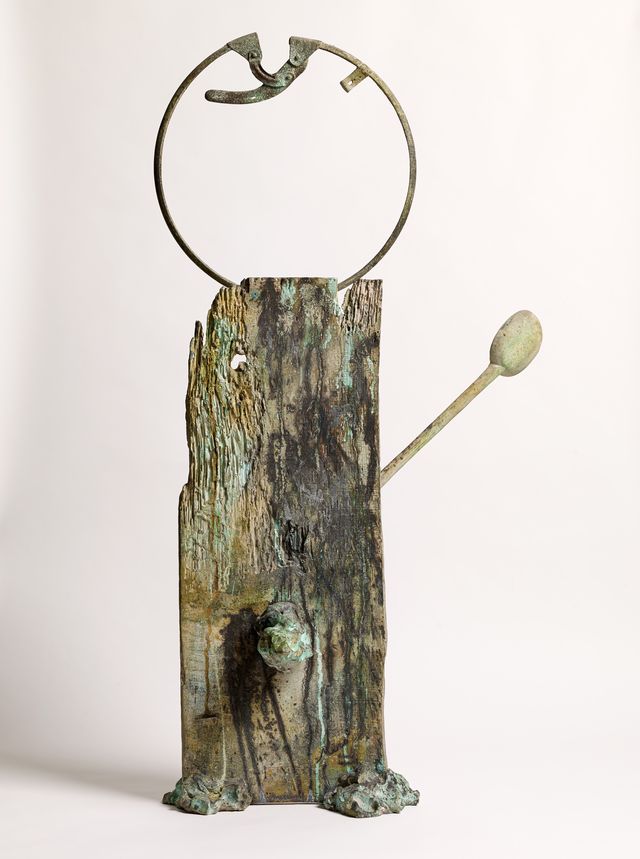
As for the Miró Mallorca Foundation, its exhibition will be titled “La Guspira Magic”. It has been conceived as an immersion in the inner landscape of Catalan through a tour, structured in six thematic areas – nature, vocabulary, cultures, arts, friends and places – that will pay attention to the personal and artistic relationships that fed their imaginary. Picasso, Calder, Klee, Giacometti, Braque or Léger were not only their referents, but also their interlocutors. This sample will combine plastic work, documentary material and personal objects.
It is Baluard Museu will host “Paint between Les Coses”, a rereading of contemporary painting from Joan Miró as a key teacher in the conceptual and material expansion of the environment. It will examine how, in the passage of the decades, it transcended the limits of canonical painting using a practice that combined gesture, sign and matter with a rigorous methodology, but open to experimentation.
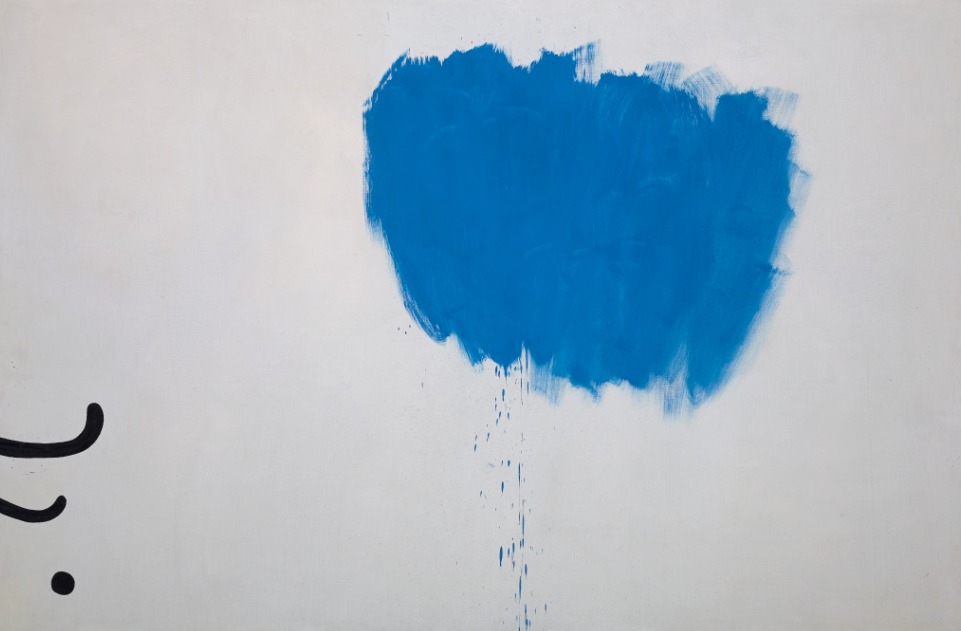
This sample will establish connections between its pictorial work, the sculptural and the performative and will also deepen its search for a painting that was more mental and, at the same time, touch and poetic, yearning for the conceptualization of its strokes, hide more than teach. We can affirm that Miró does not represent, but rather, decomposes, suggests and transforms.
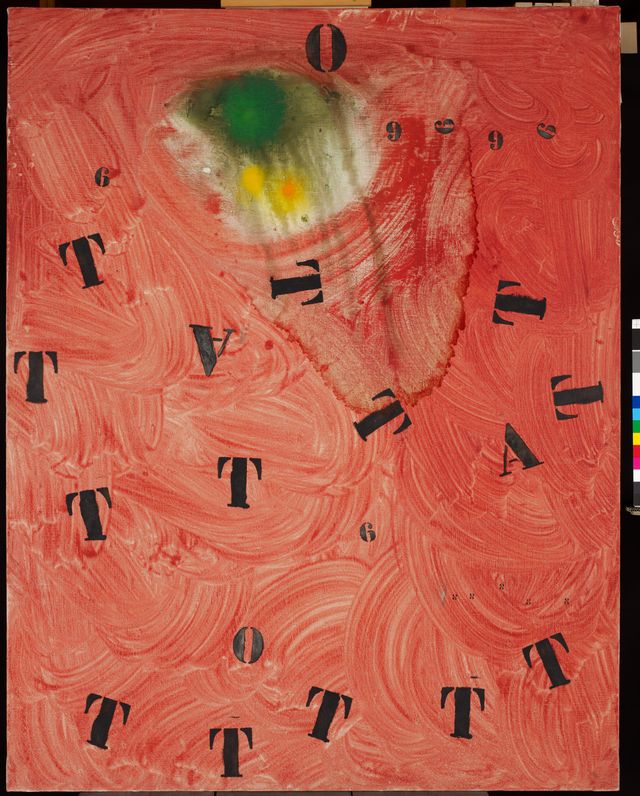
Finally, the exhibition in Casal Solleric, “Color and Seva Ombra”, will offer a non -linear tour of the plastic universe of this author based on the ties between his painting and his sculpture. Through bronze sculptures, paintings and work on paper, it will affect that he put his own language standing in which the aforementioned sign, matter and emptiness acquired a poetic and conceptual sense.
His sculptures in the exhibition will be dated mostly since the sixties: we will contemplate totemic characters and assemblies that will reveal their interest in the objects found, popular and primitive art; The paintings chosen, meanwhile, will prolong their thoughts in relation to the enigmatic, the ancestral and symbolic.