Madrid,
Christian Bretton-Meyer, Morten Steen Hebsgaard, Søren Petersen and Tommy Petersen met more than two decades ago, at the Royal Danish Academy of Fine Arts, and very soon decided not to work individually, but to form a collective between Berlin and Copenhagen.
They also chose not to stick to specific disciplines: their practices range between sculpture, performance, photography and forays into architecture, and they themselves define their work as performative installations and sculptures. They began deconstructing and reconstructing everyday objects, works by other artists and even traditional ways of exhibiting art, from the desire to question traditional methods and ways of displaying creation, but their paths have taken them along diverse paths without losing humor, a post-conceptual approach and the purpose of establishing subtle relationships between works, documentation and spaces, as they have often developed in situ interventions.
It has been common for them to dismantle replicas of ancient statues and to treat their material only from the point of view of its abstract potential, hiding their figurative motifs, even when embedding them in walls; that they completely destroyed figures of Venus or that they turned titans into cobblestones.
Normally they start from a painting or a place to undo them, or to challenge the viewer’s perception by destabilizing it, but on other occasions they have wanted to give the greatest possible expressiveness to their materials using chance, especially if we are talking about metals. Bronze has been essential in its production, and in its handling they have allowed the force of fire and heat to leave more ground than the metallurgical technique, which would have led that element to solidity and smoothness.
In Maisterravalbuena, his gallery in Madrid, we have already been able to contemplate his calls bronze paintingsexecuted with the sand casting technique, much rarer than that of lost wax: the cast bronze is poured onto a bed of mixed sand and clay, in which the desired shapes had previously been modeled. As it solidifies, the material opens cavities, splashes and generates oxidations of various tones that underline, once again, that time also creates in its own way.
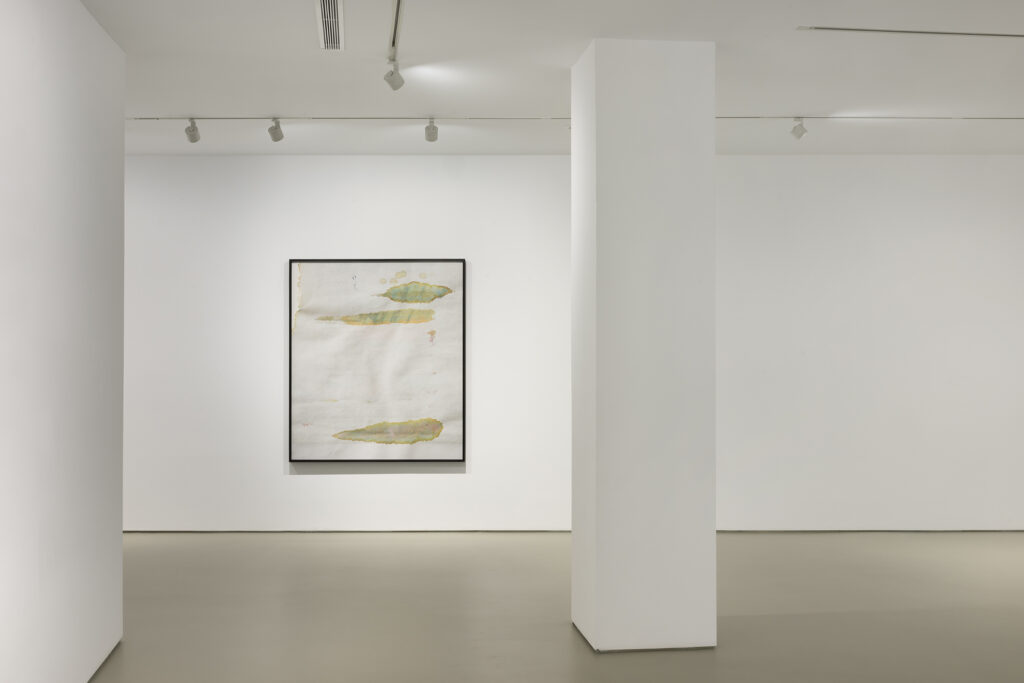
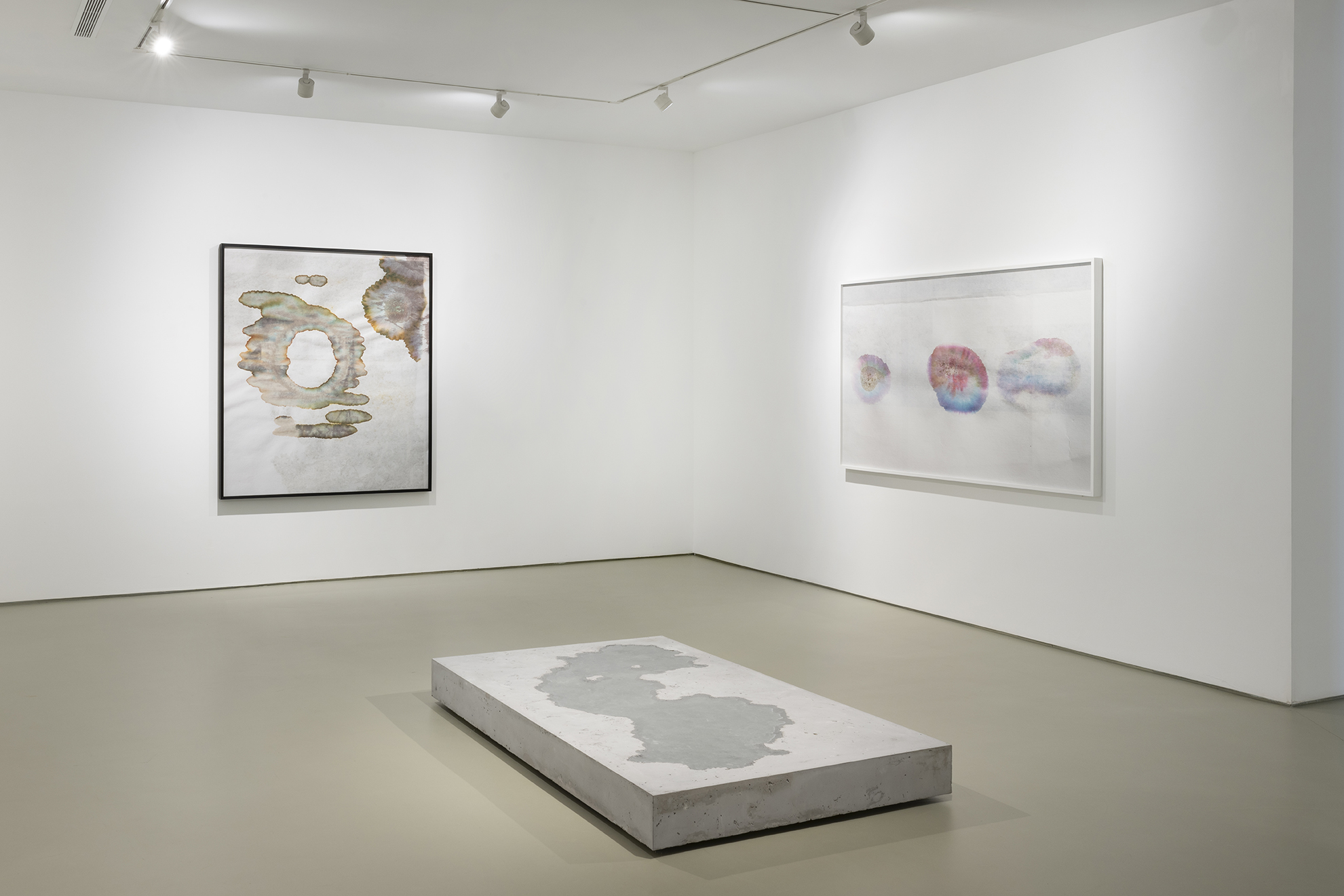
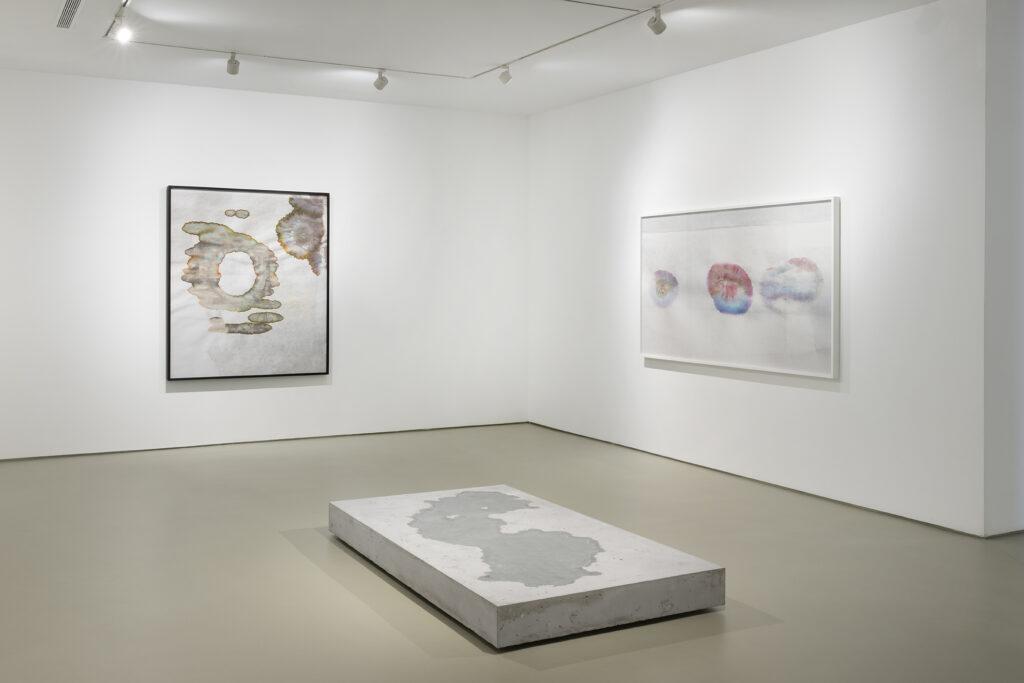
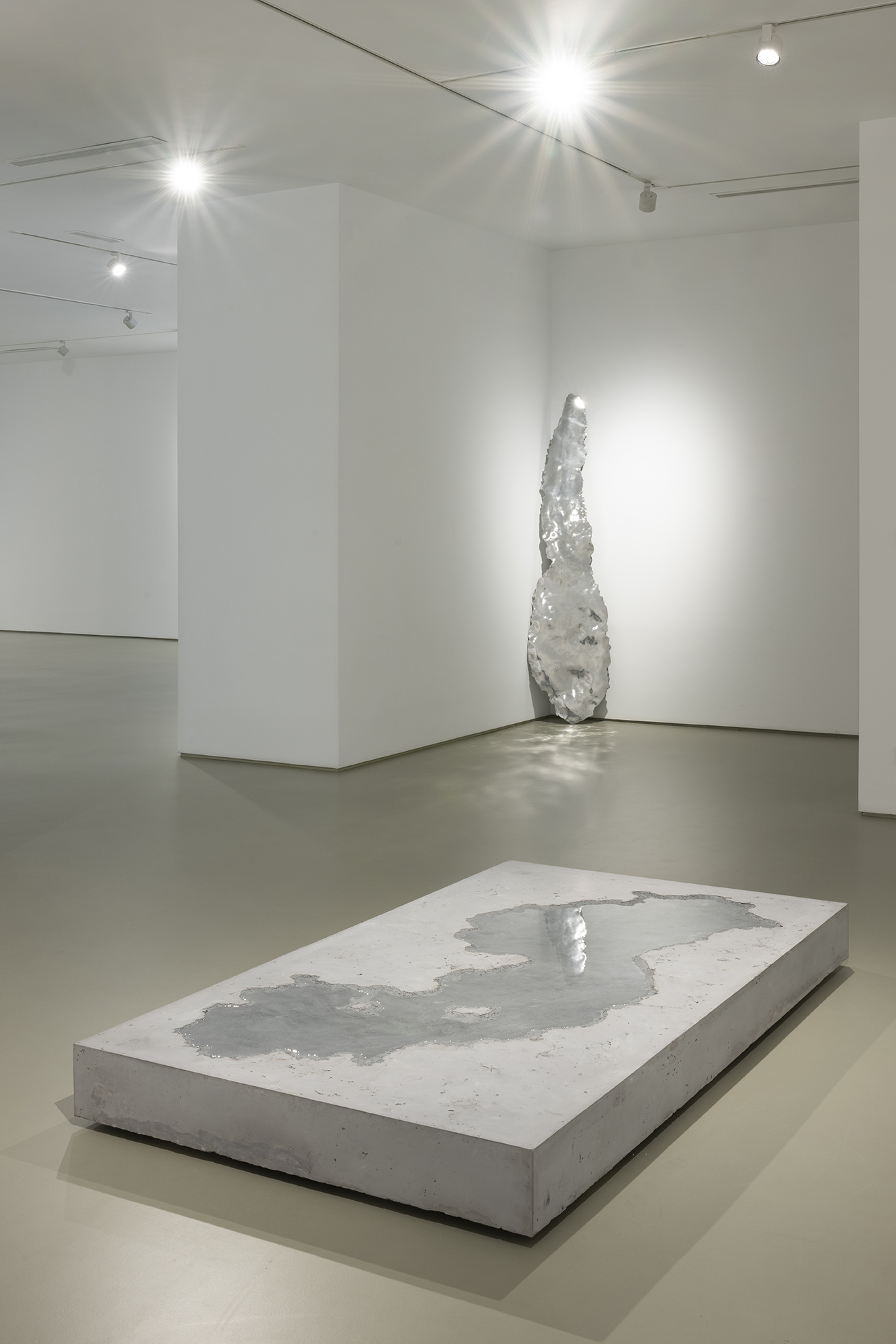
“Twenty minutes past two” is his last exhibition in that room, open until April 4. The artifacts that, in this case, have been taken as symbols of stability and certainty do not come from past art, but from the everyday environment: clocks, administrative documents understood as a neutral support for true information, or regular pavements. And once again, they have led them into doubt and quicksand: an area in which the ground still supports us, time is still counted and information is still written, but they can no longer be as reliable because their primary functions have been altered.
Absurdity can spill over onto these stabilities, in the form of unexpected failures or accidents that are given a character and seriousness. Or spontaneity: words can not only generate documents, but also instant watercolors.
The group makes strangeness, anomaly, a weapon loaded with possibilities in the face of a system designed not to fail; It proposes us to consider error as an intermediate state that deviates from the functionalism and productivity of the regulated environment and that, due to this difference, awakens the comic sensations of almost everything that is out of place.
In this exhibition, what could be clear escapes us and what, in principle, destined to disappear (the deviations and irregularities) endures. The strange becomes a possibility and not a marginal option.
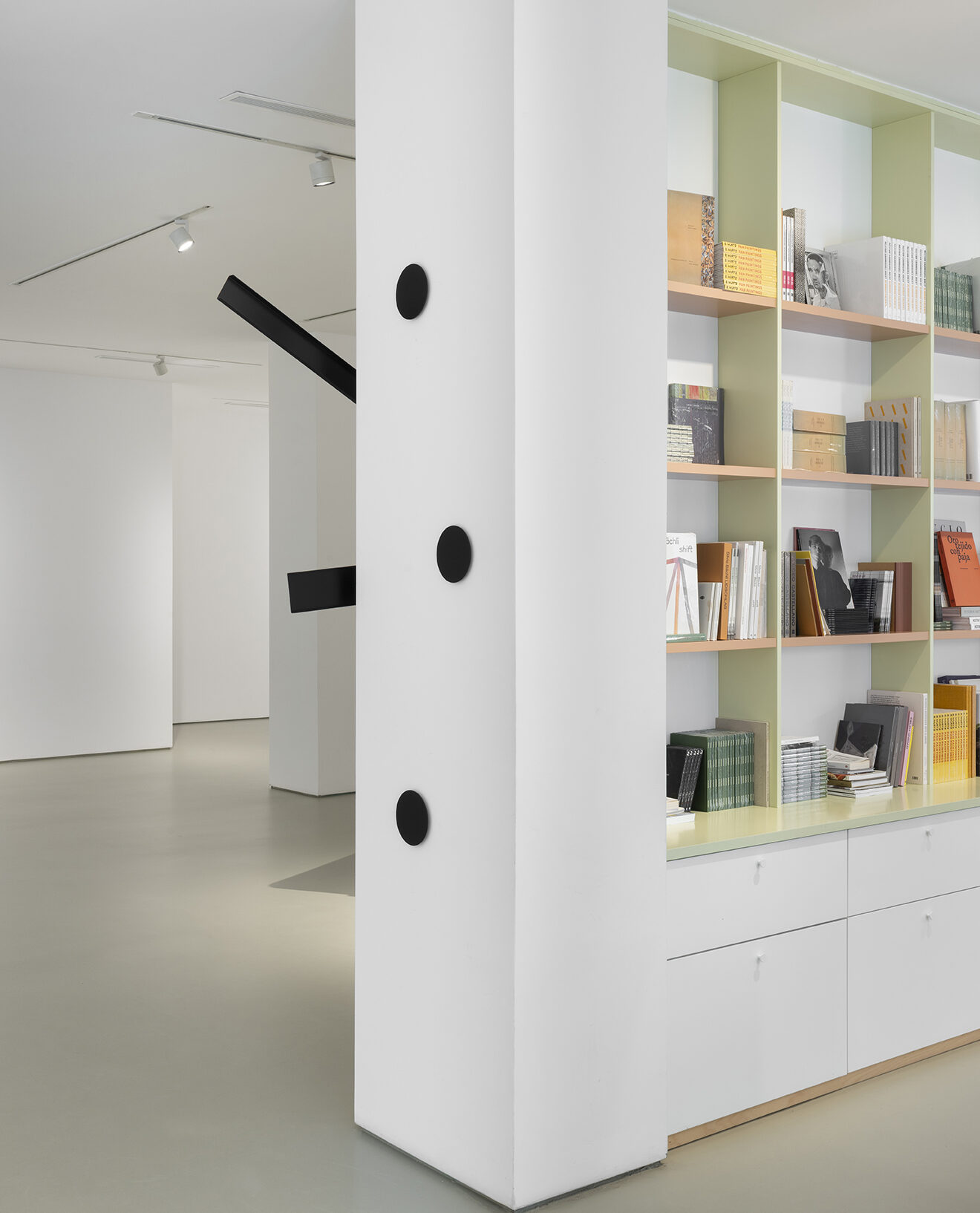
To Kassen. “Twenty minutes past two”
MAISTERRAVALBUENA
C/ Hospital, 8
Madrid
From February 19 to April 4, 2026