
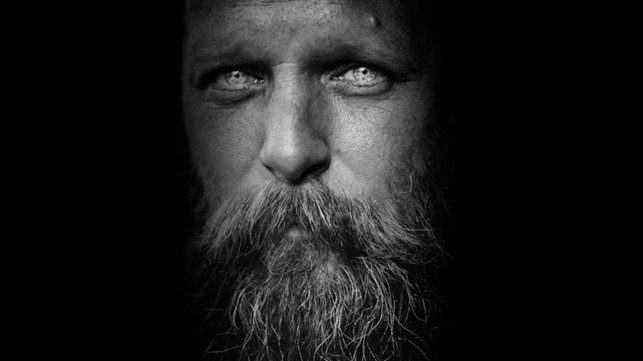
Tamás Bus is a contemporary Hungarian painter known for atmospheric, introspective figurative works that blend realism with emotional subtlety.
His paintings often depict solitary figures in quiet, suspended moments, using muted palettes and minimalist settings to create a psychological, almost cinematic mood.
Artistic Identity
- Nationality: Hungarian
- Field: Contemporary figurative painting
- Medium: Primarily oil on canvas
- Tone: Quiet, introspective, emotionally restrained
- Mood: Melancholic, contemplative, ambiguous
Tamás Bus’s paintings may look quiet on the surface, but the themes running through them are surprisingly rich. His work often feels like a psychological landscape—subtle, restrained, yet emotionally charged. Here’s a deeper look at the ideas that shape his artistic world.
Isolation and Interior Life
One of the strongest threads in his work is the sense of being alone with oneself. His figures often appear:
- physically isolated
- emotionally withdrawn
- caught in a moment of introspection
It’s not loneliness in a dramatic sense—more like the quiet, private space where thoughts echo.
Identity and Self-Reflection
Bus frequently paints people in ambiguous states of mind. Themes include:
- the tension between how we appear and how we feel
- the fragility of self-image
- the subtle drama of everyday existence
His subjects rarely “perform” for the viewer; instead, they seem absorbed in their own inner world.
Suspended Time
Many of his compositions feel like a moment paused mid‑breath. This creates:
- a cinematic stillness
- a sense that something just happened or is about to happen
- a narrative that the viewer must complete He’s a master of the in‑between moment.
Minimalism as Emotional Space
Bus often uses sparse environments—bare walls, empty rooms, undefined spaces. This minimalism isn’t aesthetic alone; it functions as:
- a psychological stage
- a way to strip away distractions
- a focus on the emotional weight of the figure The emptiness becomes part of the story.
Melancholy and Subtle Tension
There’s a quiet melancholy in his palette and atmosphere. Not despair—more like:
- introspective sadness
- unresolved feelings
- the heaviness of memory
He avoids melodrama, which makes the emotion feel more authentic.
Ambiguity and Open Narratives
Bus never tells you exactly what’s happening. Instead, he invites interpretation through:
- ambiguous gestures
- incomplete settings
- expressions that resist easy reading
This openness is part of his signature: the viewer becomes a co‑author.
Here’s a rich, thoughtful comparison of Tamás Bus with other major Hungarian painters. This will give you a sense of where he fits in the broader landscape of Hungarian art and what makes his voice distinct.
Tamás Bus in Context: A Comparison with Other Hungarian Painters
Tamás Bus belongs to a contemporary generation, but his emotional subtlety and psychological depth connect him to several earlier Hungarian traditions. Below is a structured comparison that highlights both similarities and contrasts.
Tamás Bus vs. Tivadar Csontváry Kosztka
Csontváry: visionary, symbolic, monumental
Bus: intimate, quiet, psychological
- Csontváry paints cosmic loneliness; Bus paints personal solitude.
- Csontváry’s colors are explosive; Bus uses muted, atmospheric tones.
- Csontváry’s figures are mythic; Bus’s are everyday people caught in introspection.
Connection: Both explore the inner world, but on completely different scales.
Tamás Bus vs. Béla Kondor
Kondor: existential, dramatic, graphic
Bus: restrained, soft, contemplative
- Kondor’s work is filled with tension, symbolism, and sharp contrasts.
- Bus avoids overt symbolism and prefers emotional ambiguity.
- Kondor’s figures confront the viewer; Bus’s figures often turn inward. Connection: Both deal with human vulnerability, but Bus does it with whisper‑level subtlety.
Tamás Bus vs. Vilmos Aba‑Novák
Aba‑Novák: bold, dynamic, monumental fresco style
Bus: minimalist, quiet, introspective
- Aba‑Novák’s compositions are crowded and energetic.
- Bus’s are sparse, almost meditative.
- Aba‑Novák celebrates public life; Bus explores private emotional space. Connection: Both are strong figurative painters, but with opposite emotional temperatures.
Tamás Bus vs. Lajos Gulácsy
Gulácsy: dreamlike, fantastical, escapist
Bus: grounded, realistic, psychological
- Gulácsy creates imaginary worlds; Bus stays rooted in real human experience.
- Gulácsy’s melancholy is romantic; Bus’s is contemporary and understated.
- Gulácsy’s figures belong to fantasy; Bus’s belong to modern solitude.
Connection: Both evoke quiet sadness, but through entirely different visual languages.
Tamás Bus vs. Contemporary Hungarian Realists
Examples: István Nyári, Tibor Csernus, László Fehér
- Csernus: hyperreal, dramatic lighting → Bus is softer, more atmospheric.
- Fehér: monochrome, conceptual → Bus is more emotional and narrative.
- Nyári: romantic realism → Bus is more psychological and ambiguous. Connection: Bus fits within the broader Hungarian realist tradition but pushes it toward emotional minimalism.
Where Tamás Bus Stands in Hungarian Art
If we map Hungarian painters on a spectrum:
| Style Dimension | Hungarian Example | Where Bus Fits |
| Monumental vs. Intimate | Aba-Novák → Bus | Strongly intimate |
| Symbolic vs. Realistic | Csontváry → Csernus | Realistic with emotional ambiguity |
| Dramatic vs. Subtle | Kondor → Bus | Extremely subtle |
| External world vs. Inner world | Aba-Novák → Gulácsy | Deeply inner world |
| Color intensity | Csontváry → Fehér | Muted, atmospheric |
Bus is part of a quiet, psychological, contemporary realism that feels distinctly modern yet deeply Hungarian in its emotional tone.


