Madrid,
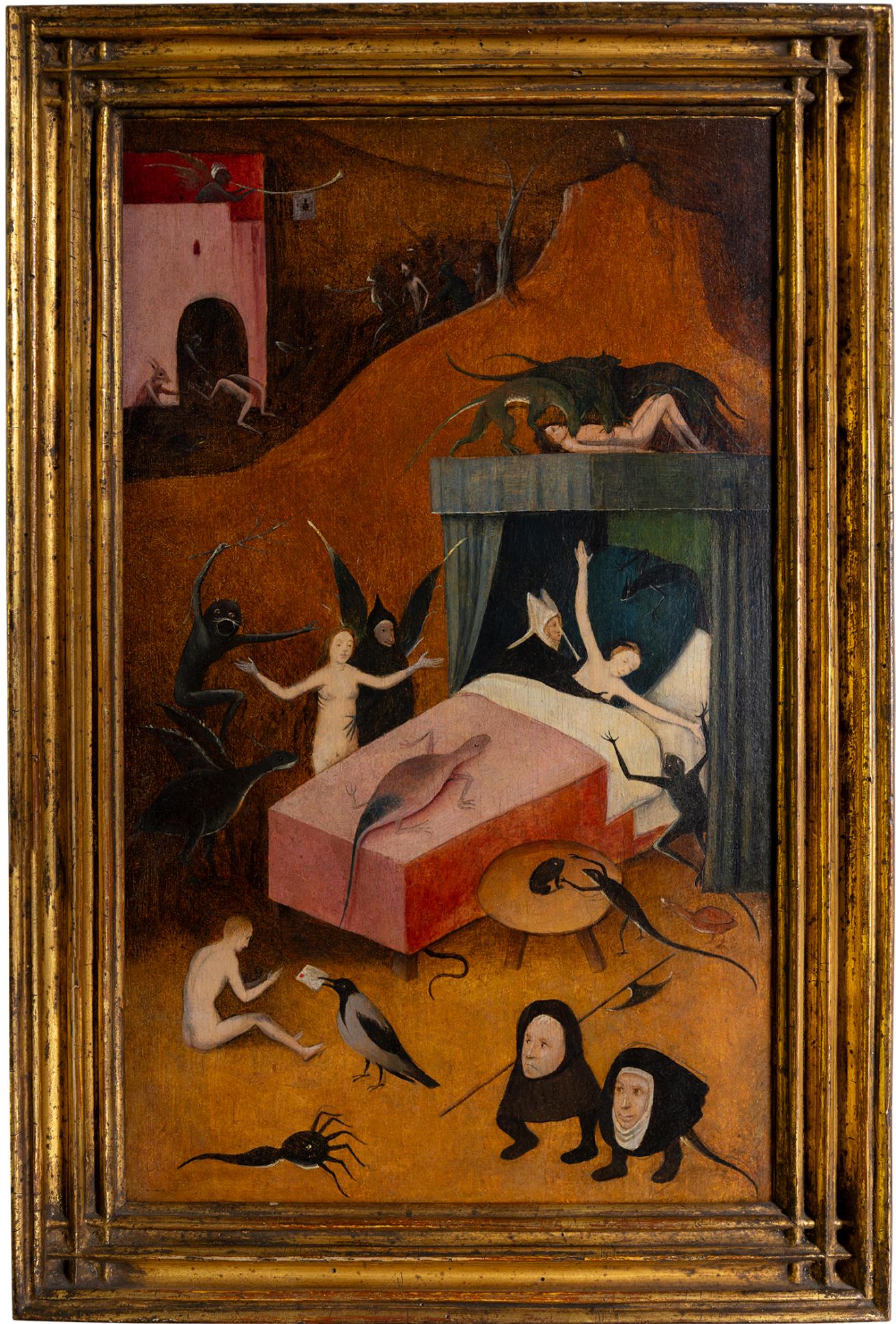
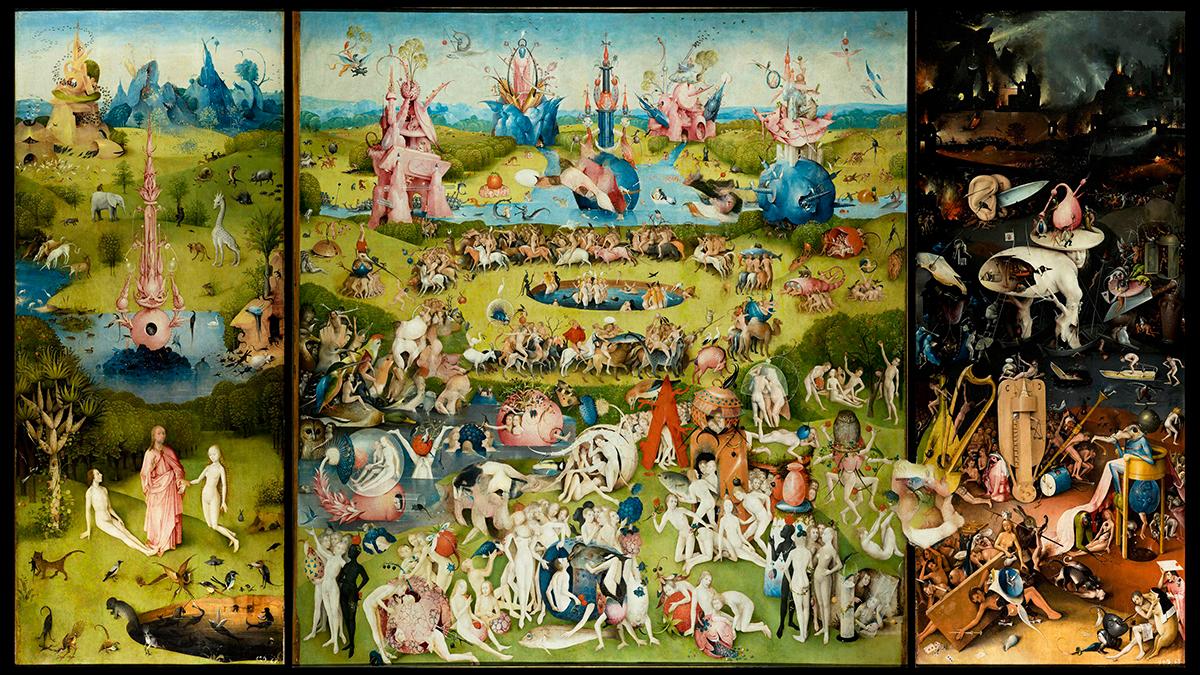
A decade ago, coinciding with the great retrospective that the Prado Museum dedicated to Hieronymus Hieronymus for its fifth centenary, the Juan March Foundation had contact with a collector who had two oil paintings on panel by a follower of the Flemish painter relating to The death of the reprobate (Hell) and The death of the righteous (Heaven). Both were part of a triptych, which is not preserved, whose central scene corresponded to the Last Judgment and, initially, they were attributed to Bosch himself, but later several studies suggested that they came from the hand of one of his disciples, more or less close in time to the master and very familiar, as is evident, with his iconography and his methods.
These works, turning their backs on each other, have constituted the starting point of the exhibition that has just opened at the March, something peculiar for its size – reduced, given that part of the foundation’s spaces are under construction – and also for its brevity – it can be visited for a month and a half, until April 12.
It has been organized together with the SOLO Collection, where the rest of the pieces shown come from and which, for a year now, has had two locations in Madrid: the usual one in front of the Puerta de Alcalá, where its collections, made up of nearly 1,300 compositions, are exhibited on a rotating basis, and SOLO CSV, on the Cuesta de San Vicente, which in addition to hosting exhibitions has been established as a platform for the exchange of ideas and projects with collections and galleries from around the world.
Sheltered in an original museographic approach in which the areas corresponding to heaven and hell are clearly distinguished – although the viewer can choose to intermix them in their journey -, we will see works by contemporary authors, even very young, who more or less explicitly refer to the Bushchian works, ambiguous and often variegated. Between them there is, of course, surrealism, which found one of its totems in Hieronymus Bosch.
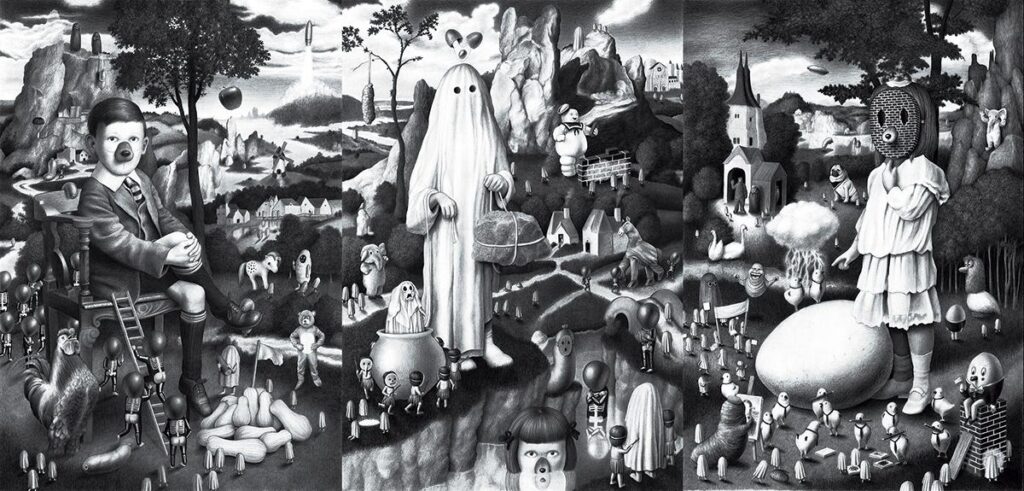
We will begin with hell and the pieces that surround the anticipatory punishments of hell by the painter’s follower. The French Amandine Urruty presents, in her Egg Triptych (2014), made only with pencil on paper, an apparent Nordic landscape, with Renaissance features, repopulated by children with animal traces, ghosts and small figures that are part of scenes connected to each other and that refer to popular culture. Based on old photography and achieving very successful textures, he deploys caricatures and fictions in a format that replicates, from a distance and with humor, the traditional compositional division between heaven, earth and hell.
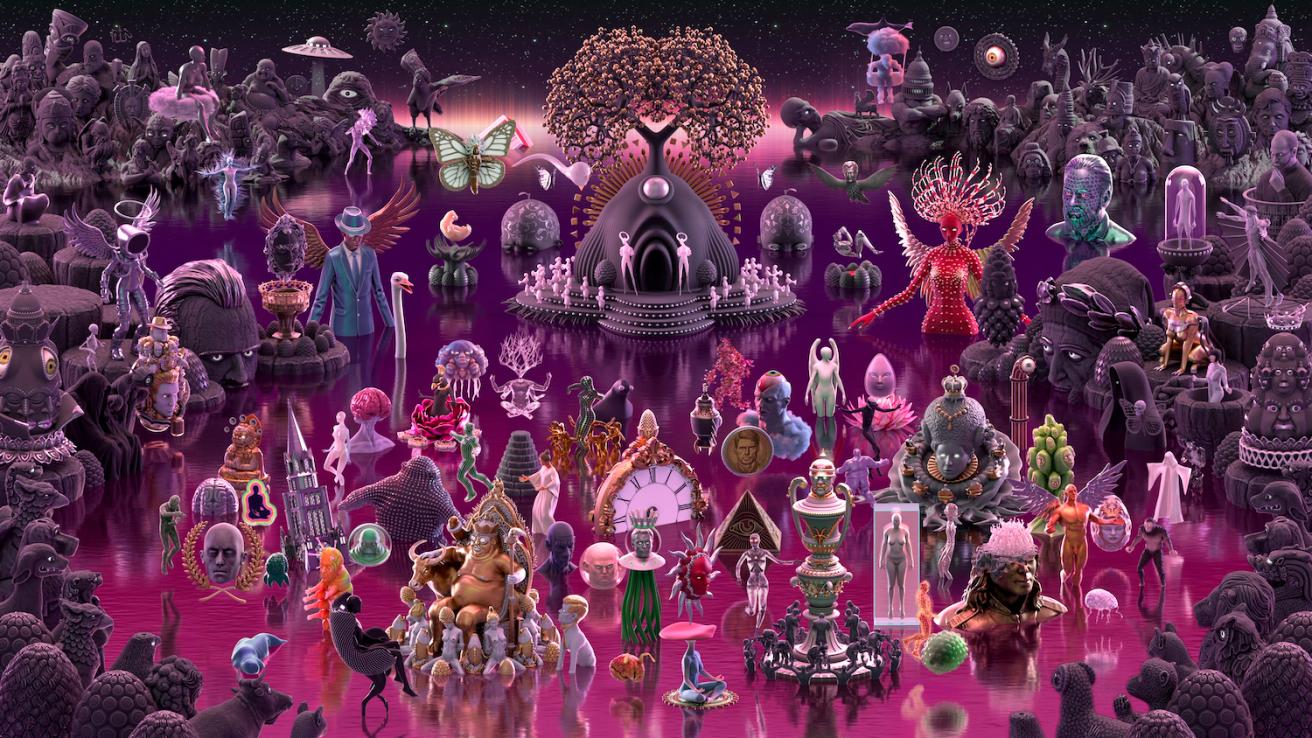
The SMACK trio, which has frequently looked at Hieronymus Bosch and Brueghel, is present in the exhibition with its 4K digital animation Afterlife (2024), where they imagine the fruits of an artificial extension of our life through scientific procedures and question currents such as transhumanism. They have surrounded the technology magnates with cyborgs, robots and other hybrid beings, observed by the half-sunken faces of Dante and Nietzsche.
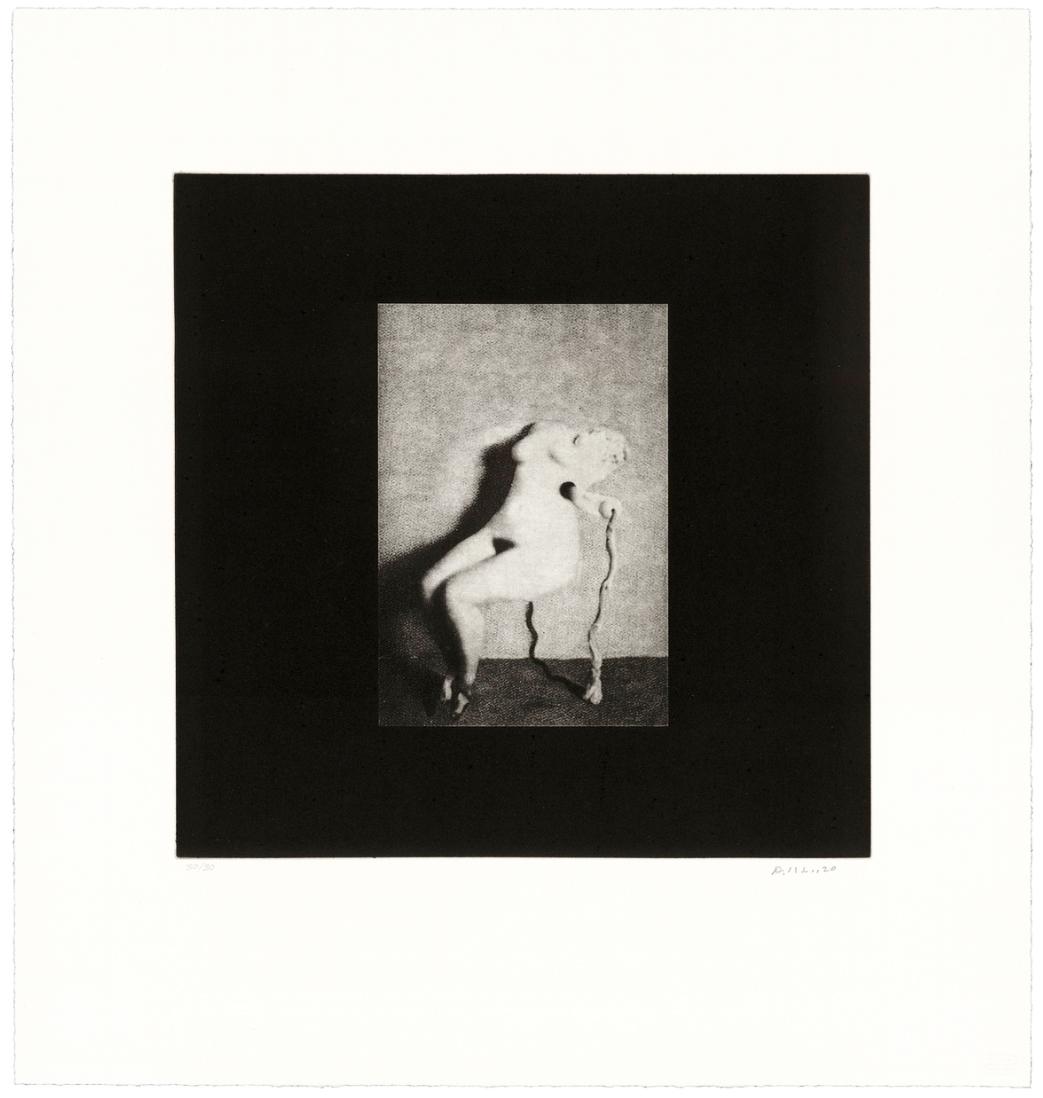
And at the March, a surprise also awaits us: the photogravure of a distorted nude by David Lynch, whose cinema cannot be understood without a look at the macabre and the mundane. The director of Mullholand Drivewho died last year, not coincidentally trained as a painter and also made photographs, drawings and sound sculptures. This fragmented body is thus inserted into a tradition of transformed physiques that would not be understood without those flamenco masters.
For its part, the scene of The death of the righteousmore placid but equally mysterious, is flanked by pieces such as Psychogeography Study 79by Californian Dustin Yellin. It is an anthropomorphic figure made from paper cuts kept in glass; It constitutes an allegory of the human being in our time, subjected to layers and layers of information (paper), just as Hieronymus Hieronymus’s compositions are saturated with content.
Mario Klingeman is, meanwhile, the author of The garden of ephemeral details (2020): an AI model developed by the artist modifies and restores, in real time, the image of The garden of delightstrapping those who contemplate these changes with a hypnotic effect.
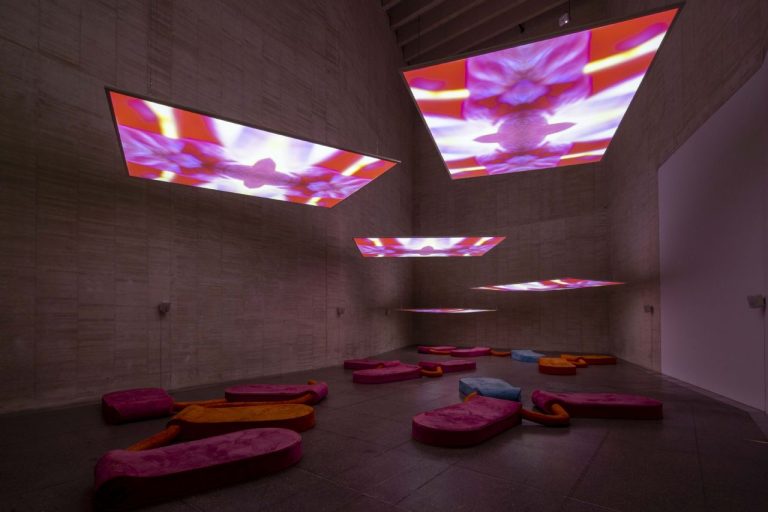
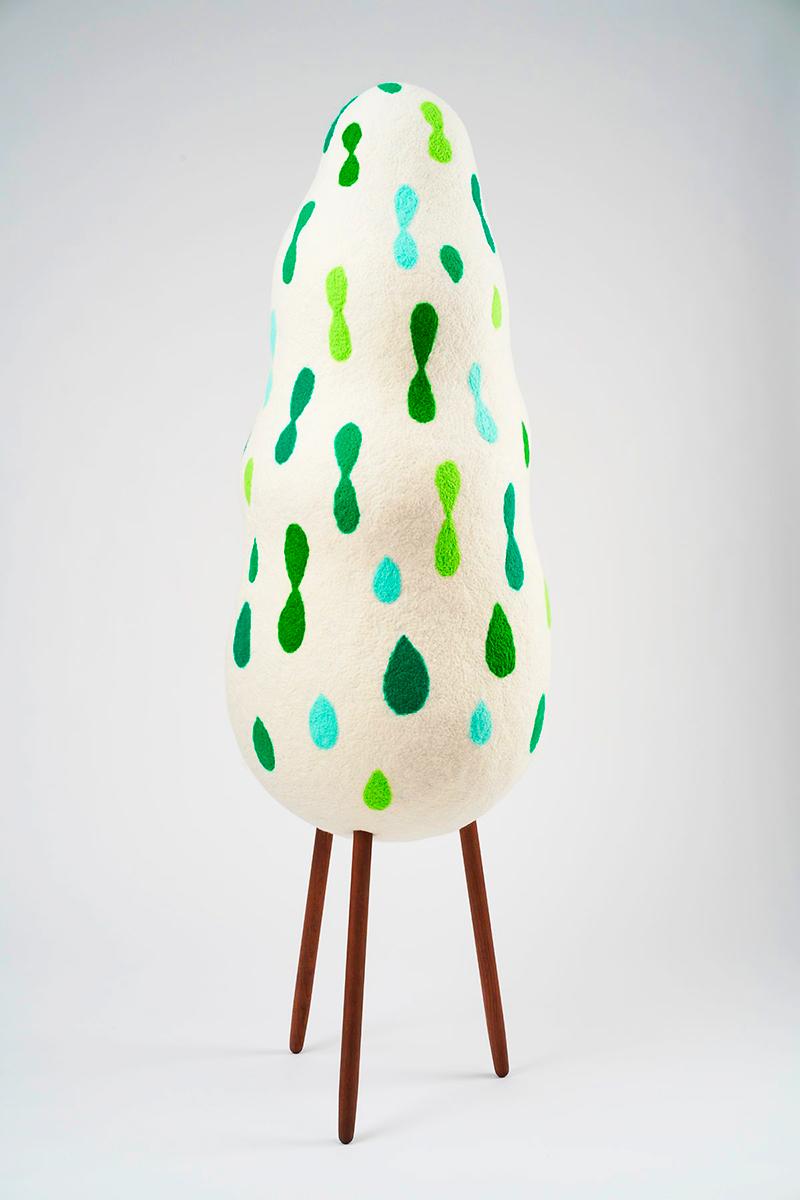
Animated Hinoki Treeby the Japanese Masako Miki, constitutes a possible hybrid tree made with foam and wood that could not be defined exactly; and that same ambiguity connects him here with Hieronymus Bosch. That usually represented stylized plants, exuberant in the case of his paradises, or petals and leaves of disproportionate size.
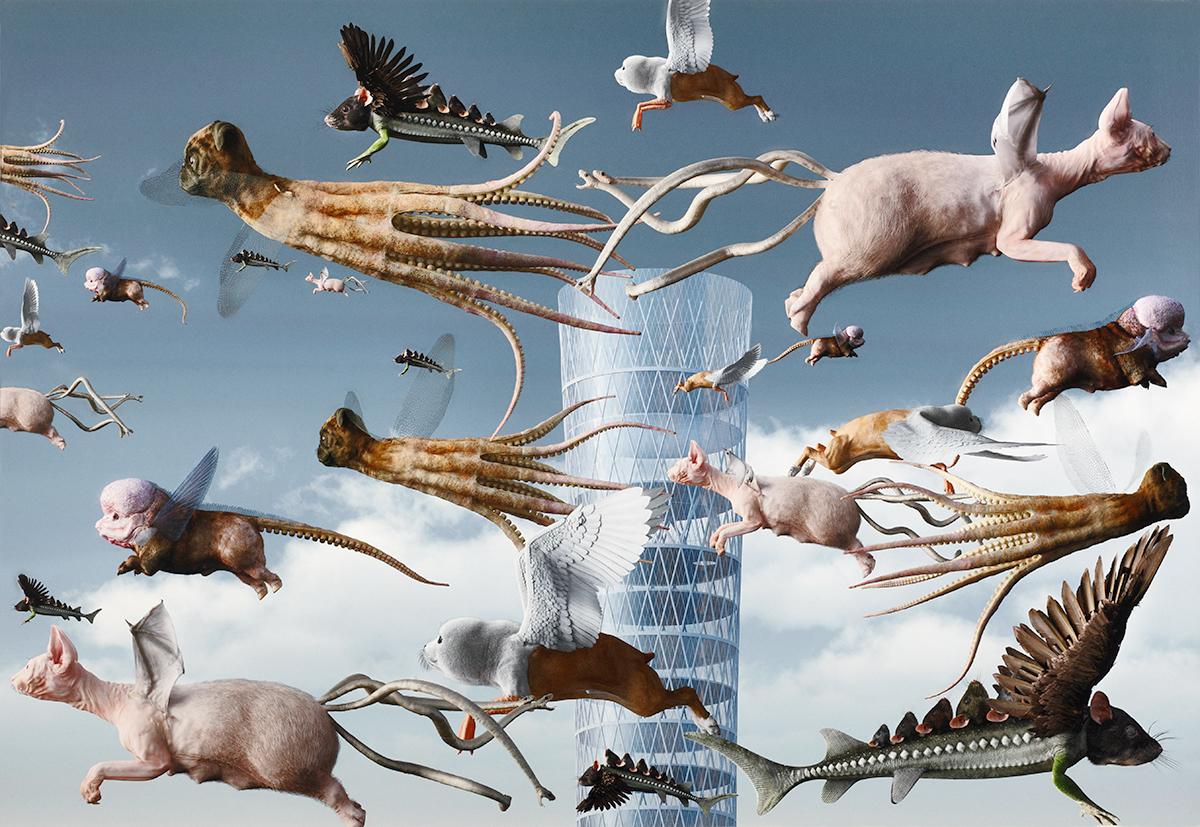
Finally, from the Russian collective AES + F we will see a frame in which hybrid animal beings (dogs-octopus, pigs-snake) fly towards destinations that we do not know. His source of inspiration were the so-called “upside down world” engravings, popular since the 16th century and the printing press but of earlier origin, in which, for example, it is the men who carry the donkeys or the pigs who disembowel the humans.
Five centuries separate Hieronymus Hieronymus from these authors, united by the grotesque and by their desire to look anywhere but at what is known.
“In the manner of Hieronymus Hieronymus”
JUAN MARCH FOUNDATION
C/ Castelló, 77
Madrid
From February 27 to April 12, 2026