London,
It is not possible to define her career in terms of commitments, but if Tracey Emin has maintained any commitment since her beginnings in the eighties, it has been the one who has linked her work to unapologetic self-expression: in her hands, the female body and everything around it have become a means of exploring passion, pain and healing.
The largest exhibition that has been offered to date – and Emin has had no minor exhibition streaks – can be visited at the Tate Modern in London until next summer and reviews those almost four decades of his career, from his early installations, such as the fundamental My bedto recent and sometimes unpublished paintings and bronze pieces.
Since this production is, from beginning to end, associated with the events of his biography and his own emotions, this anthology is titled “A Second Life” and has been organized in close collaboration with the British: it has a hundred paintings, videos, textiles, neons, sculptures and artifacts in which he shared, with more or less stark sincerity, experiences of love, trauma and personal growth.
The tour begins by presenting works that were part of this author’s first solo album: a compendium of her creations from the eighties and early nineties that was hosted by none other than the White Cube. We will be able to see photographs of paintings that he carried out during his training period – images because the canvases are not preserved, he decided to destroy them in a difficult period -, along with Tracey Emin CV (1995), narrative self-portrait of his life up to that year, and the moving video Why I never became a dancer (1995), the story, also by Emin herself, of traumatic events from her adolescence in Margate. When exhibited together, these proposals introduce the viewer to the intimate and direct nature, today we would say with hardly any filter, of their works.
In reality, Emin’s deep connection with that town of Margate, where he was born, has survived in his projects before and now. After abruptly abandoning it at just fifteen years old, he returned there intermittently throughout his adolescence and youth before moving to London in 1987 to study at the Royal College of Art.
After witnessing the death of her mother, precisely in Margate in 2016, and overcoming bladder cancer in 2020, Emin decided to settle there permanently. In this coastal city, frequented by tourists and English students, she established, in addition to her home, the Tracey Emin Art Residency, a free art school with its own studio. Many of the creations that we can see at the Tate are linked to this enclave and his childhood memories, which he constantly revisits and explores: they stand out Mad Tracey from Margate: Everybody’s been there (1997), which emphasizes the turbulent years she spent there, revealing her thoughts through phrases, letters and hand-embroidered drawings; either It’s not the way I want to die (2005), roller coaster made of wood and inspired by the amusement park Dreamland with which he intended to dissect his anxieties and his fragility.
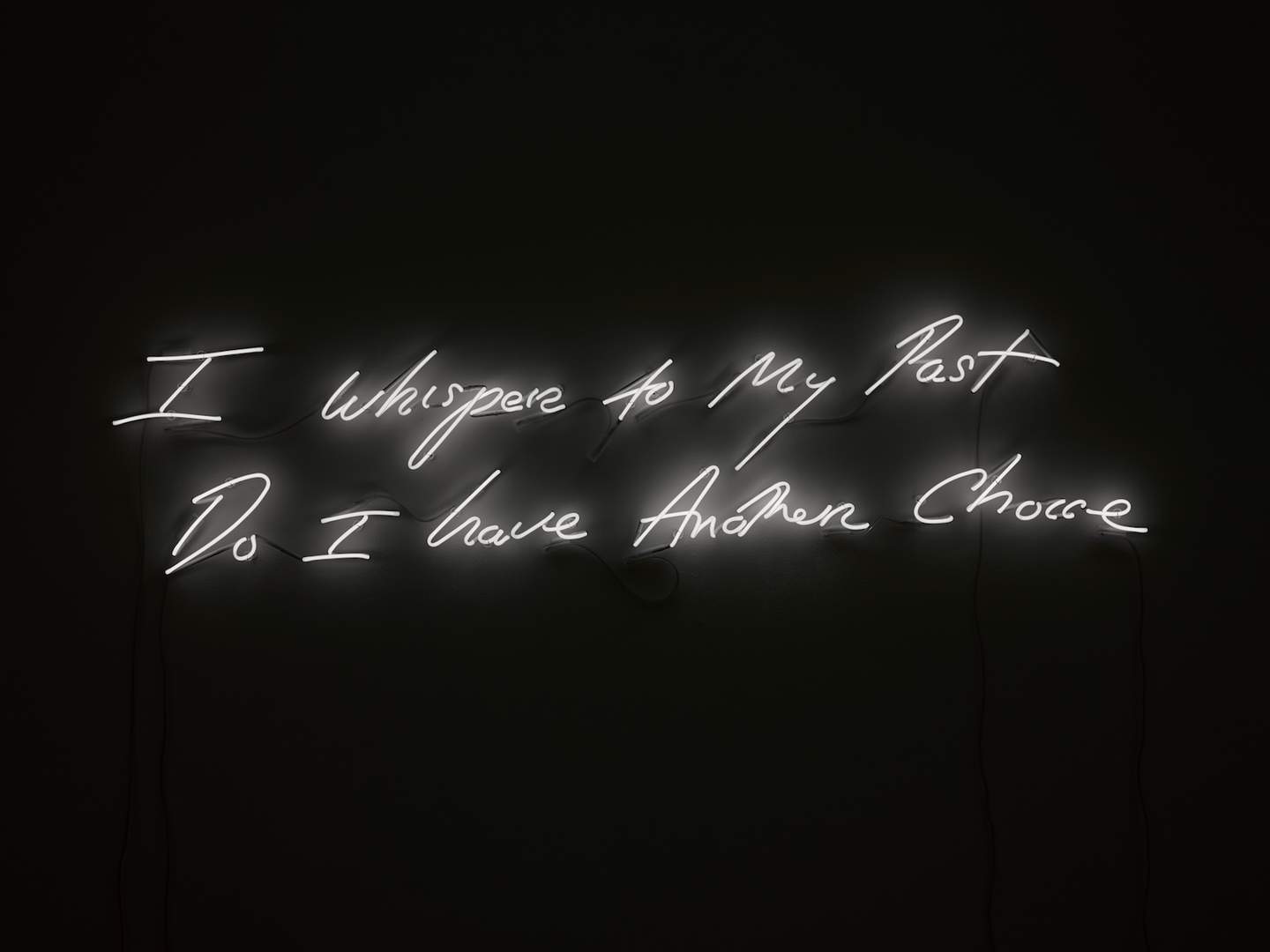
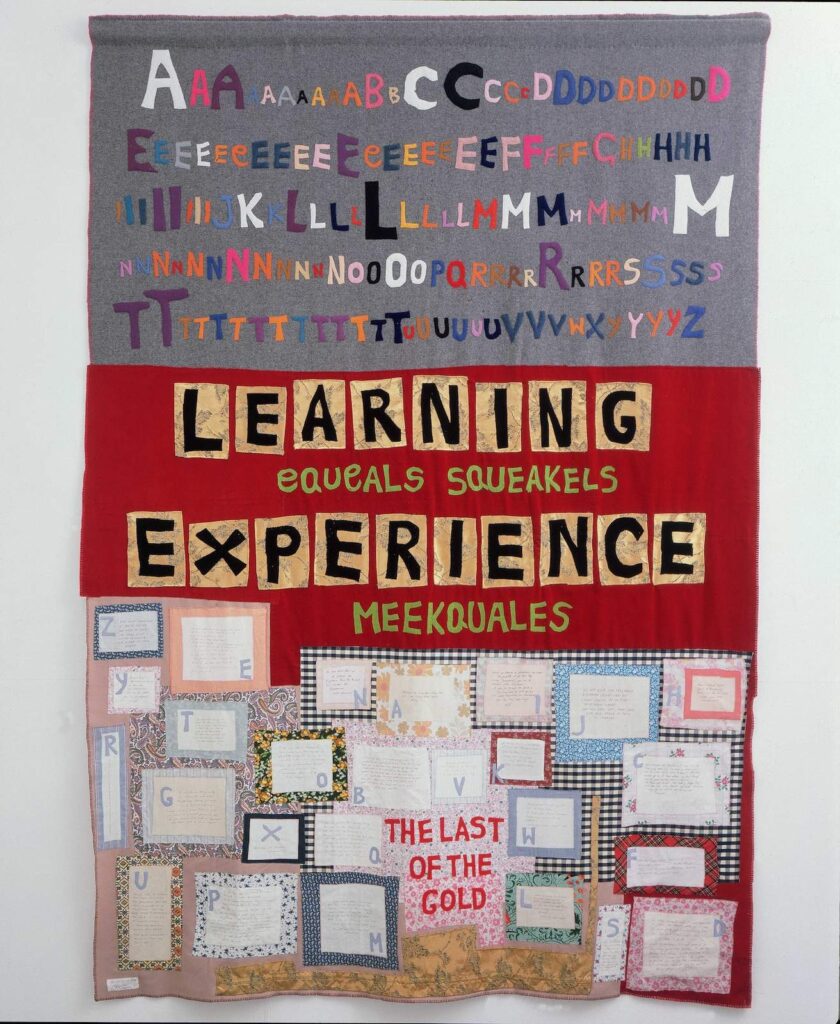
Revealing her pain has been for this artist a way to reduce or eliminate the stigma around them, knowing that the most common thing among the majority is that they are not addressed: the neon of 2007 I could have loved my innocence and the embroidered piece from 2009 Is this a joke refer to a sexual assault, while the video How it feels (1996) focuses on her challenging account of a failed abortion, detailing institutional neglect and the physical and psychological implications of rejecting motherhood, if any. He dealt with the same issue in the quilt. The last of the gold (2002), which is presented for the first time and incorporates advice for women facing a similar situation.
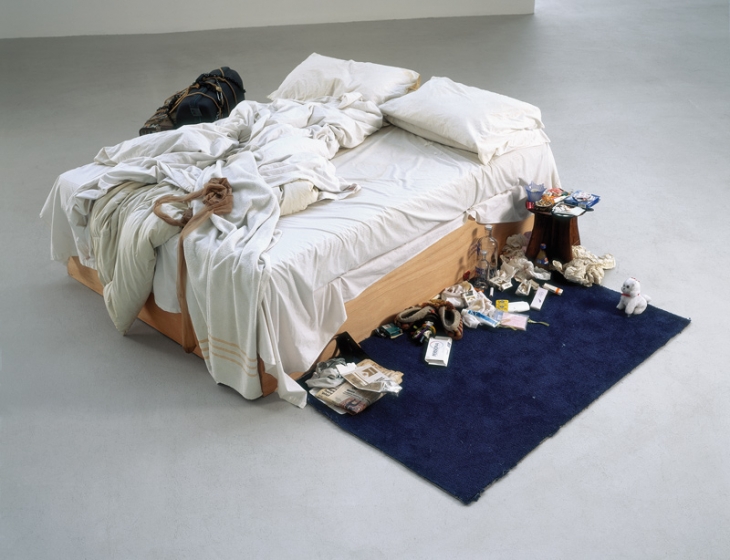
Two installations occupy the center of the exhibition: Exorcism of the last painting I ever made (1996), which documents the three weeks in which she locked herself in a gallery in Stockholm trying to reconcile with painting, which she had abandoned six years earlier after her experience of abortion; and the aforementioned My bednominated for the Turner Prize in 1999, which symbolized his recovery after a crisis caused by alcohol. These works would invite the visitor to move from what we can consider Emin’s first life – prior to this bed, that cancer and the surgery – to the second.
His experience of the disease is openly analyzed in this exhibition, emphasizing his disdain for any separation between the personal and the public. The recent bronze sculpture Ascension (2024), which explores Emin’s new relationship with her body after the removal of her tumor, is complemented by new photographs that show the stoma with which she now lives.
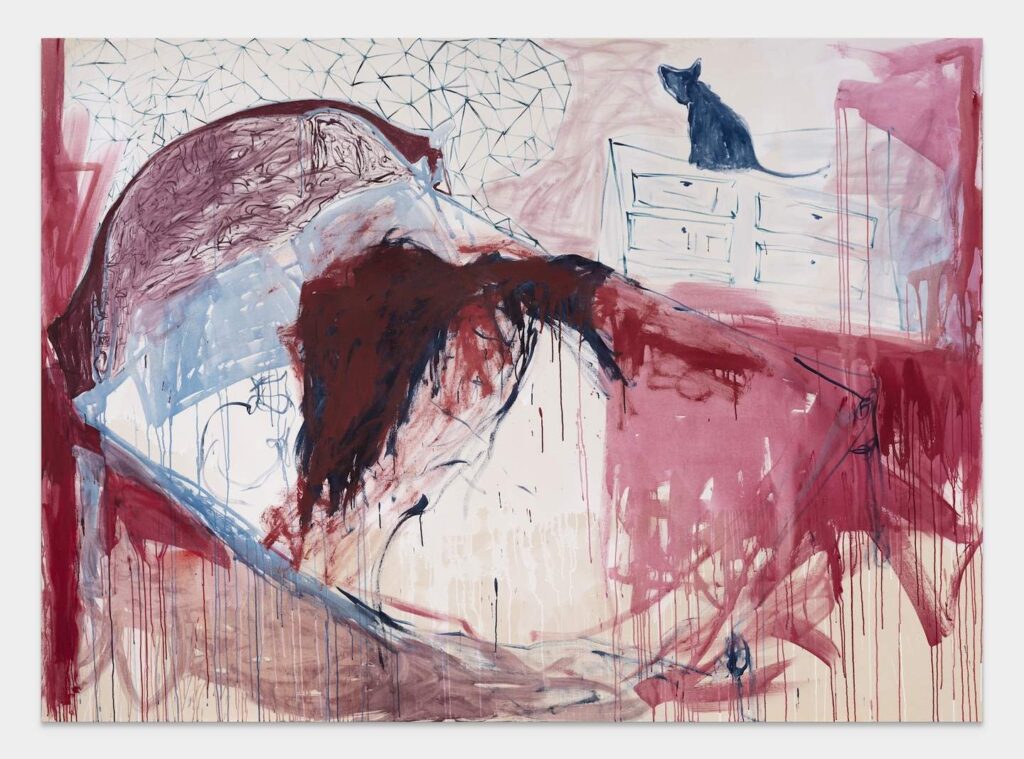
The retrospective culminates with the artist investigating the dimensions of that second chance through painting. Although the pain and anguish are still present, his ambitious large-format paintings offer a transcendent and spiritual quality, showing a firm determination to live in the present. Next to them we will see the sculpture death mask (2002), which manages to illustrate a life squeezed to the maximum.
Beyond the walls of the Tate, another monumental bronze sculpture, I followed you until the end (2023), dominates the outside area of the museum and anticipates the viscerality that awaits inside.
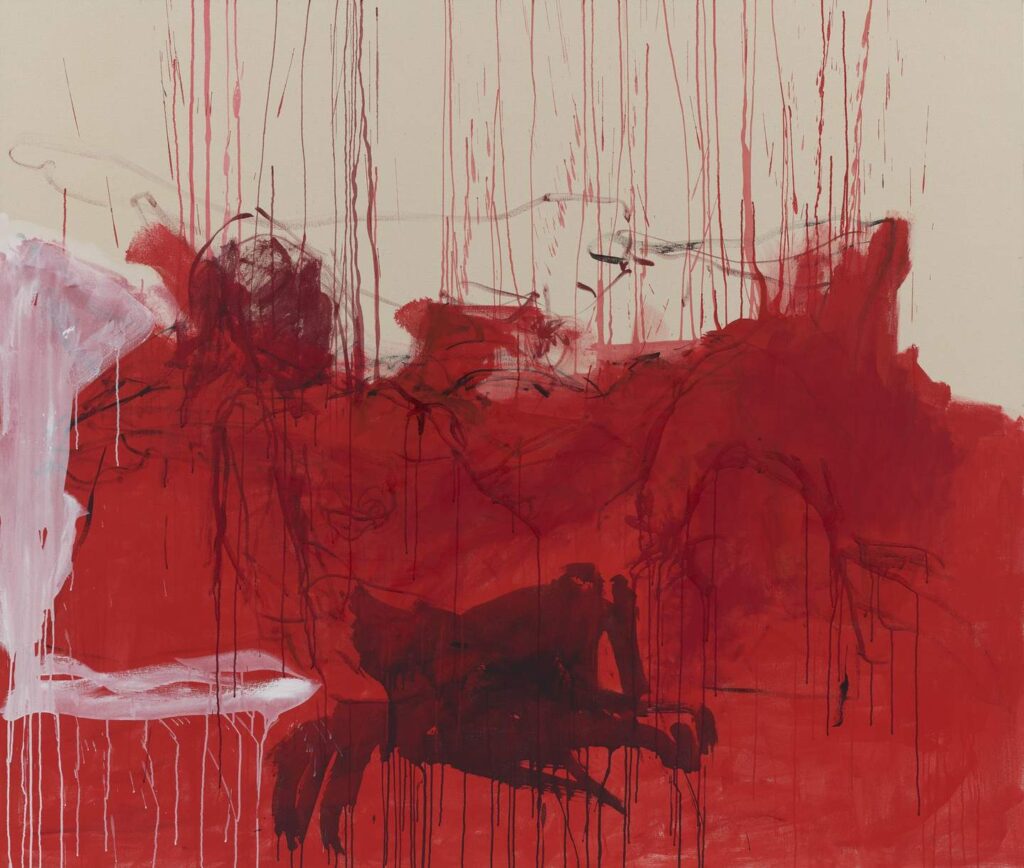
Tracey Emin. “Second life”
TATE MODERN
Bankside, SE1 9TG
London
From February 27 to August 31, 2026