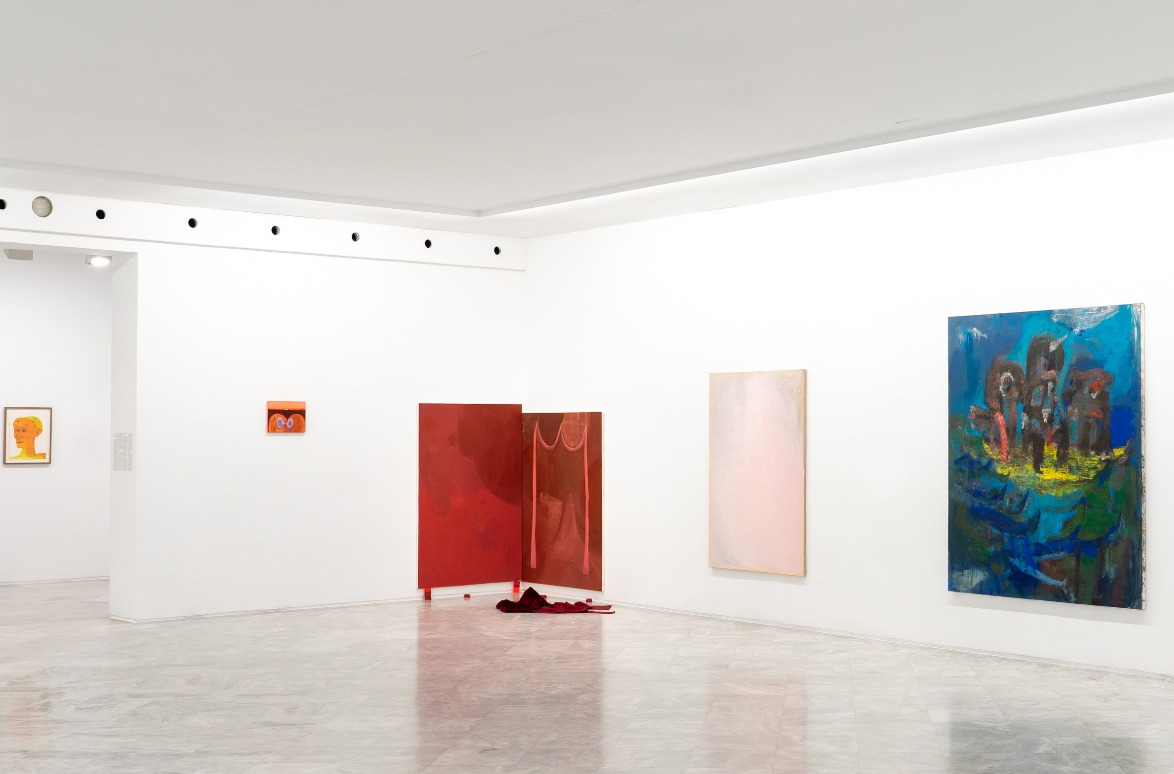
While the registration period remains open – until September 24 – for the sixth edition of Simply put. Andalusian artists of todaycall that the Andalusian Center of Contemporary Art. CAAC organizes to disseminate artistic projects by creators born or residing in that community, putting them in contact with critics, curators, gallery owners and institutional representatives. That same space hosts, until next February, “The Last Painting.” This exhibition, curated by Curro González and Alberto Figueroa, was created with the purpose of displaying for the public an overview of the recent work of authors currently developing their careers in the region.
In selecting their names, the curators explain that they have not sought to articulate a catalog adjusted to the support achieved by those chosen in the artistic system nor to limit themselves to those who practice, as the title of the exhibition points out, the pictorial discipline according to more or less narrow canons, but rather to account for the variety of means and perspectives from which, today, young creators approach this genre, from tradition to the expanded field. In the assembly, in this sense, the aim has been to point out and highlight the relationships between one piece and another, sheltering them under a common context framework without diluting individualities.
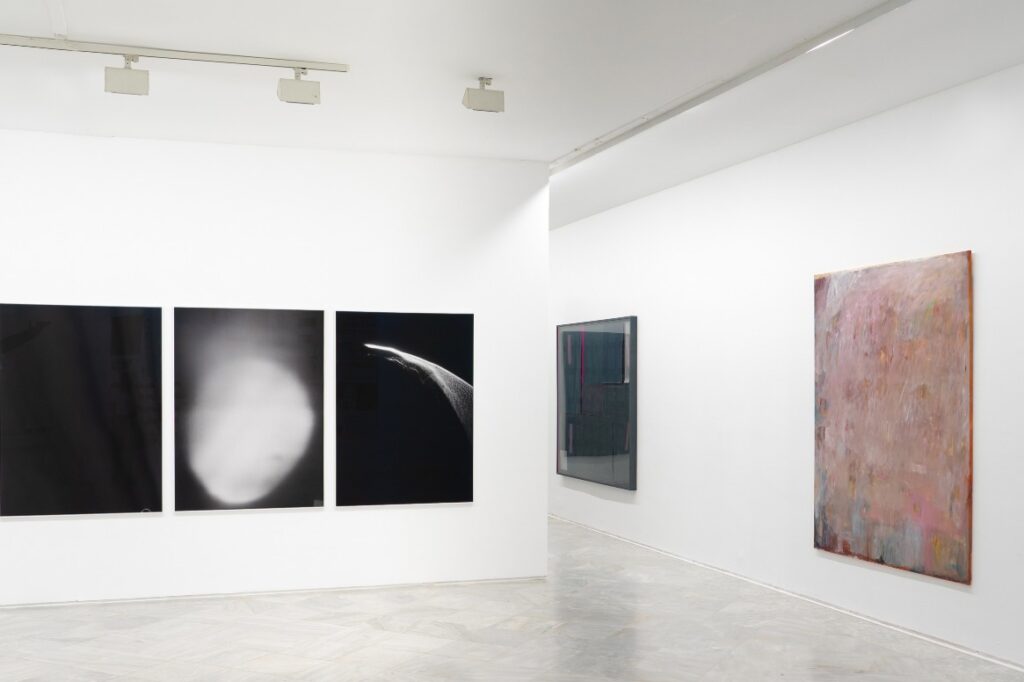
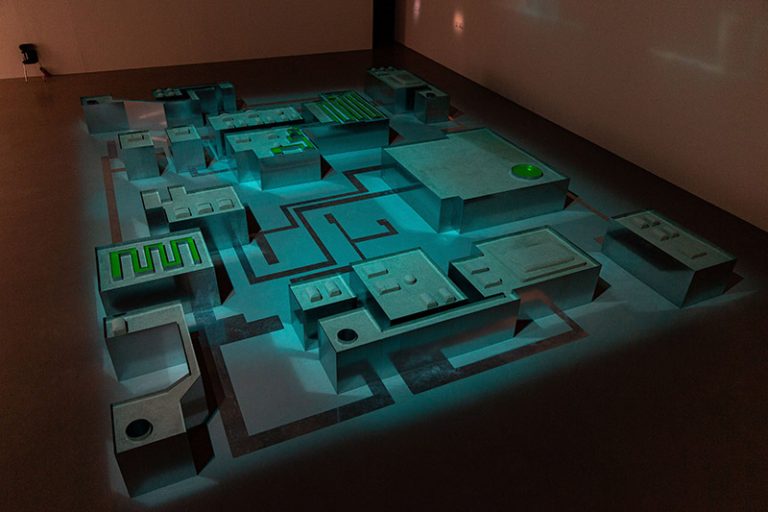
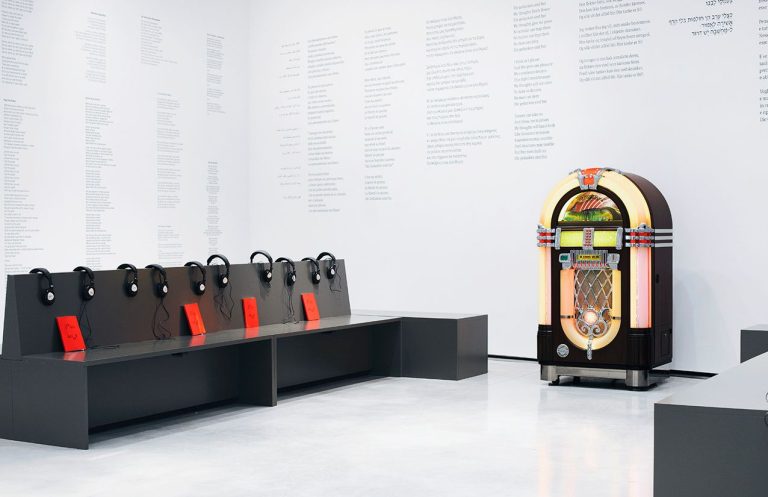
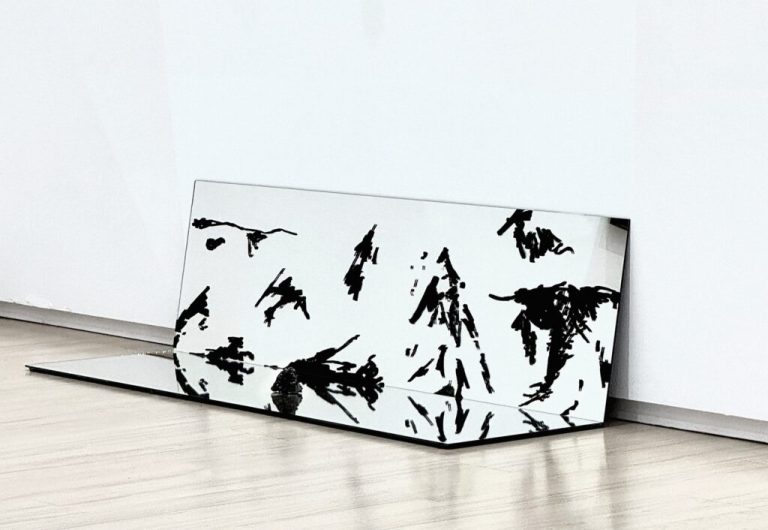
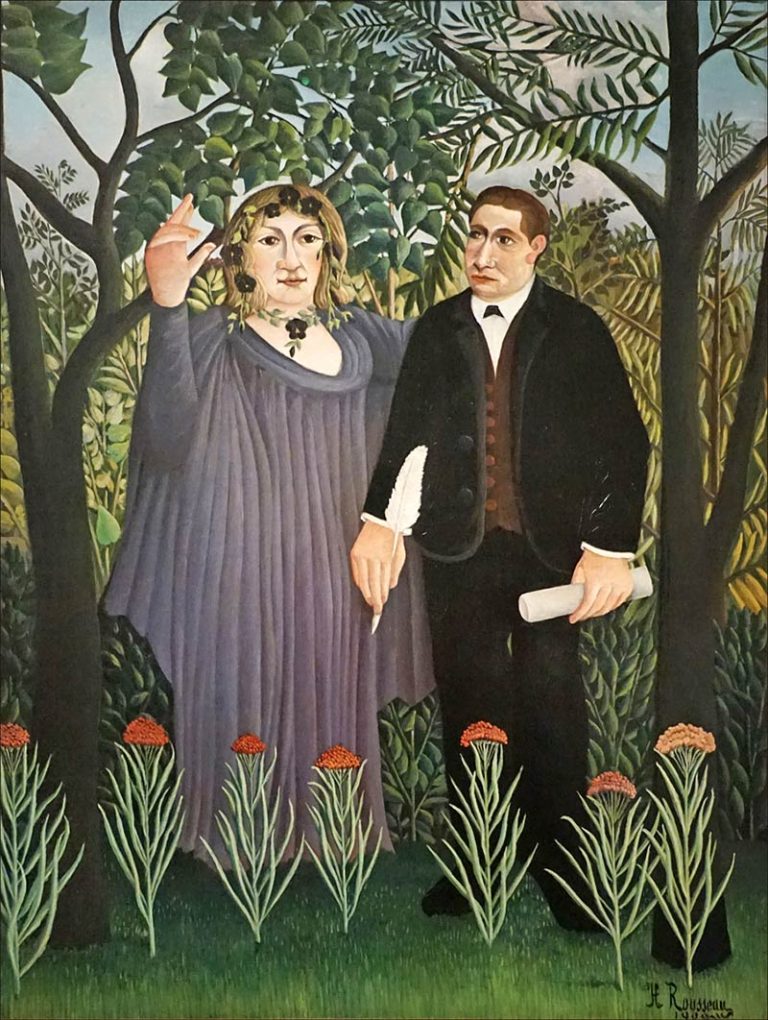
The last painting. Andalusian Center of Contemporary Art. CAAC, 2026
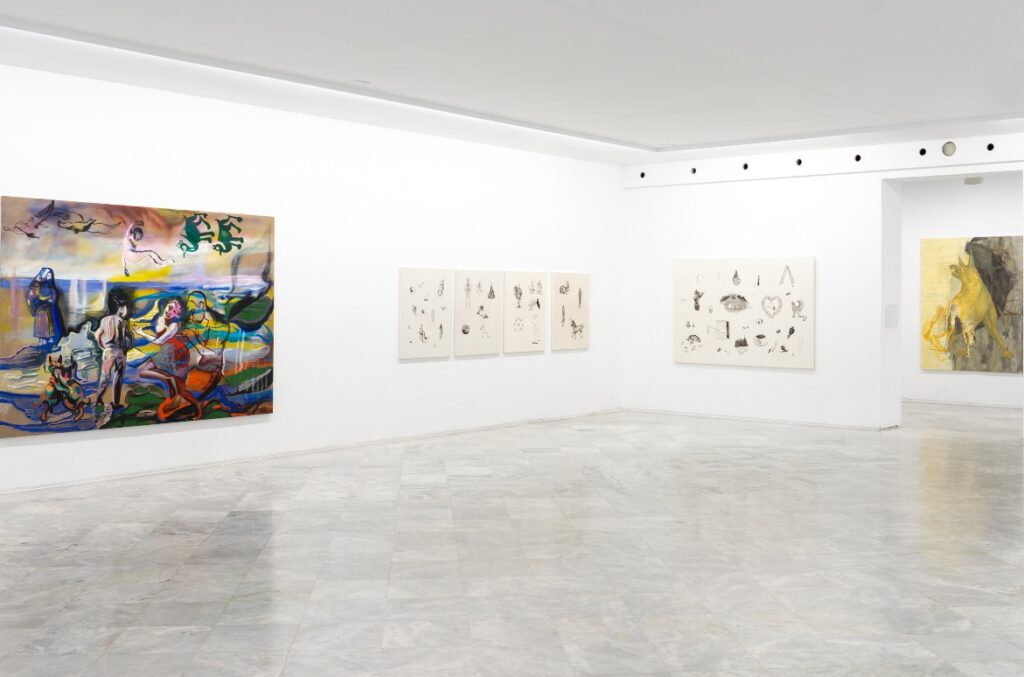
The last painting. Andalusian Center of Contemporary Art. CAAC, 2026
Born between the late seventies and early nineties, the painters now at the CAAC embody diverse trajectories, also heterogeneous approaches to painting and, equally, the room for this multiplicity of options in the exhibition offering of galleries and museums; Many of them will be familiar to those who visit them regularly and some will star in exhibitions at the next edition of Apertura Madrid Gallery Weekend, which will take place next week: these are Irene Anguita, Andrés Aparicio, María Rosa Aránega, Fran Baena, Marta Beltrán, Fátima Calderón, Carlos Cañadas, Alejandro Castillo, Pilar Consuegra, Agus Díaz Vázquez, Pepe Domínguez, Abel García, Sofía González, Susana Ibáñez, Julia Llerena, Manuel M. Romero, Gloria Martín, Martínez Bellido, Elena Núñez, Bernar SF, Julia Santa Olalla, Raquel Serrano, Lucía Tello, Jorge Thuillier, Cachito Vallés, José Luis Valverde and Laura Vinós.
But this proposal is not only nourished by young people: we will also contemplate works by much more veteran and active artists who, in the opinion of González and Figueroa, have not achieved due recognition, perhaps due to a recurring tendency towards Adamism, and whose work outlines paths along which the aforementioned have traveled, intergenerational dialogues; This is the case of José María Bermejo, Juan José Fuentes, Victoria Gil, Francisco Peinado and Juan Suárez. Born between the forties and sixties, their journeys do not allow us to speak of unique currents either: if Peinado fertilized an expressionist narrative figuration, Fuentes cultivated surrealist pop and Suárez a refined abstraction, while Gil and Bermejo work, respectively, from memory and dreams and from changes and repetition.
The creations of both are structured in a dozen sections based on thematic and formal keys: they address the work of the artist in times of automatons, the commitment to the environment and positions of rebellion, the relationships with the past – Hieronymus Bosch – and the rabid present – the Internet -, the capacity of color to transmit vitality and joy, illusionism and the conception of the world as a stage, the role of the imagination to understand reality, the importance of processes of transformation and change. in the future of painting, the possibility of conceiving it as a testimony of collective stories, the possible abysses of the surface and, finally, the limits of representation and description, glazes and the alteration of images.
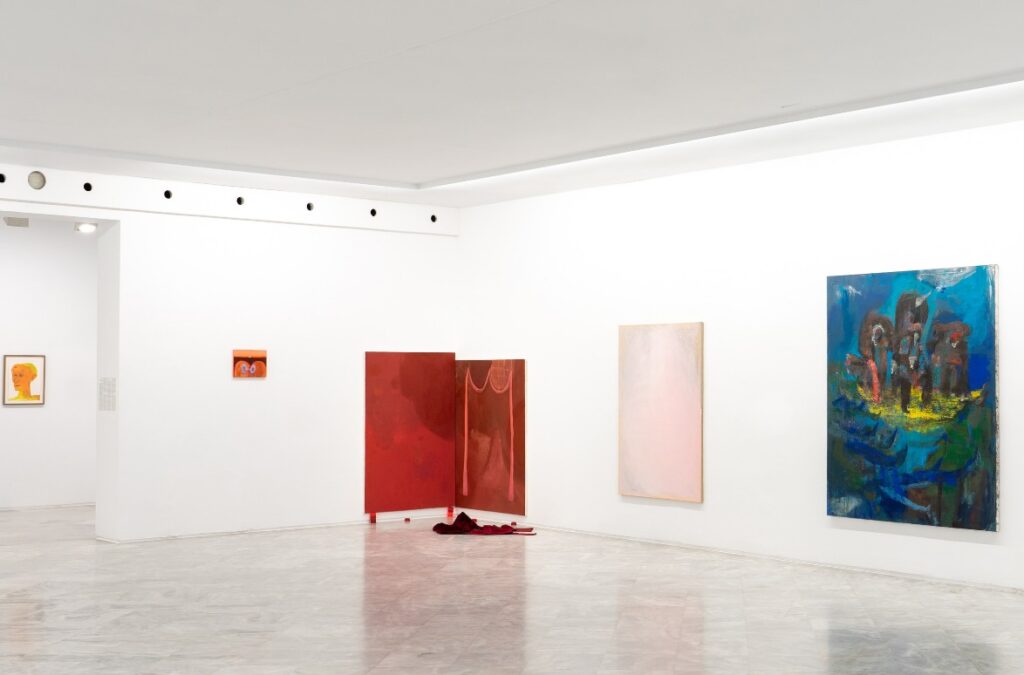
The last painting. Andalusian Center of Contemporary Art. CAAC, 2026
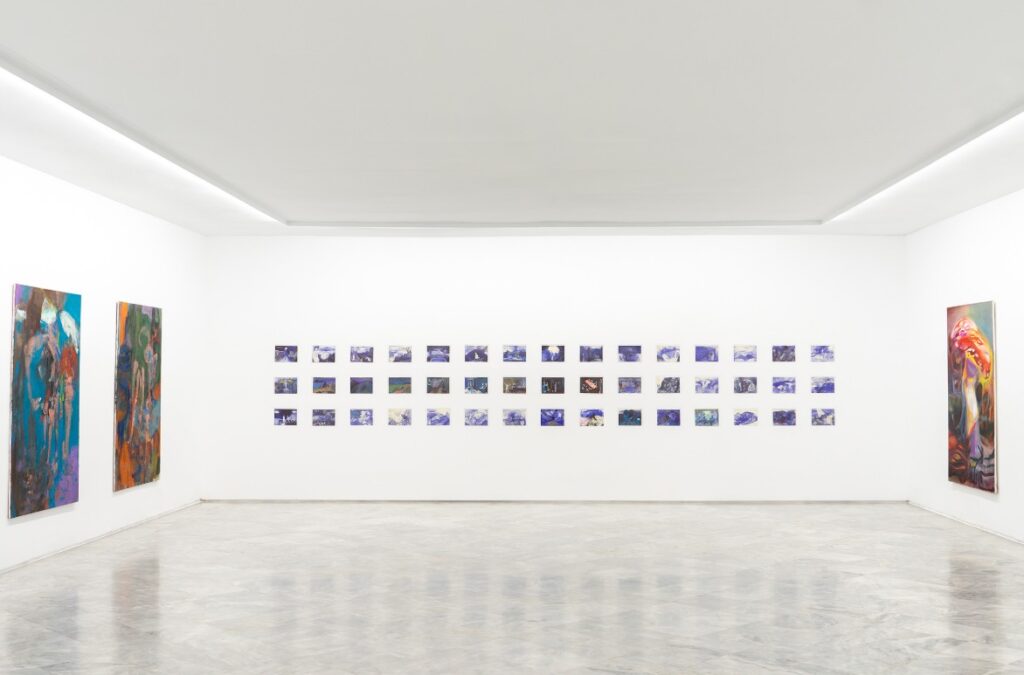
The last painting. Andalusian Center of Contemporary Art. CAAC, 2026
The purpose of this exhibition is not to defend the validity of painting, understanding that this was necessary – it continues to be the most cultivated genre – nor to mark distances between this technique and sculpture or installation, when it is more than usual for new artists to handle most of these languages, approximating them or not, but it does emphasize that said painting is an essential part of that archipelago of procedures and ways of doing; of this fragmented magma of creation methods in which past academic divisions lost their meaning.
The curators point out that they have sought to bring to the CAAC works that avoid easy concessions and the beaten path, which were born rather from the will to challenge without the need to use technology, and they endorse a quote from Chantal Maillard at this point: An artist is one who knows how to play on the limit, at the risk of losing himself, because this is the rule of the game; He is a tightrope walker who crosses the abyss on a tightrope knowing that the net, any net, if he uses it, is a trap.
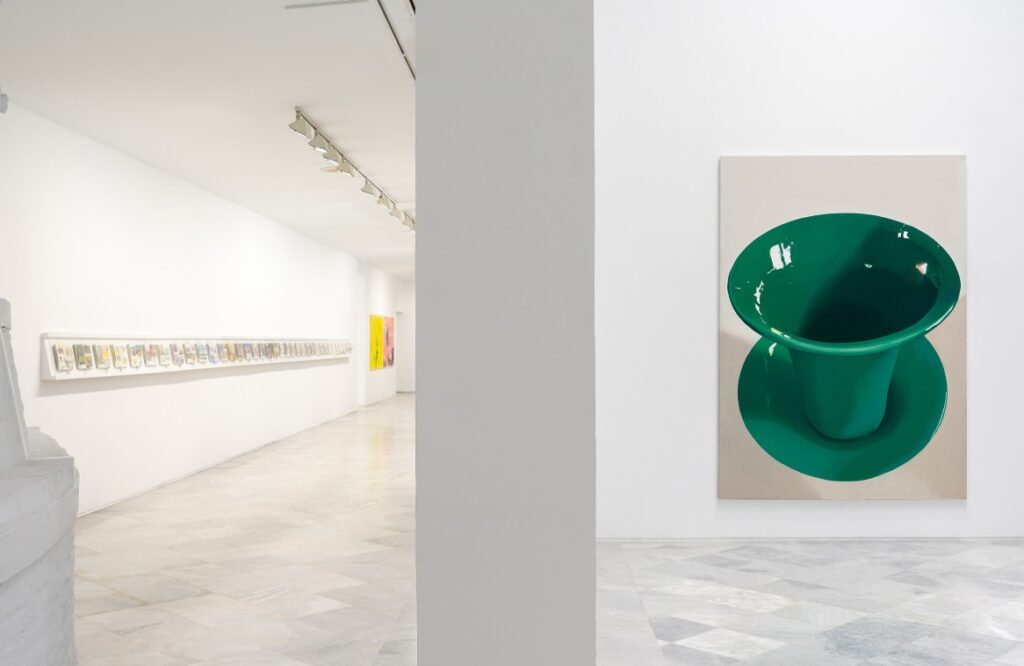
The last painting. Andalusian Center of Contemporary Art. CAAC, 2026
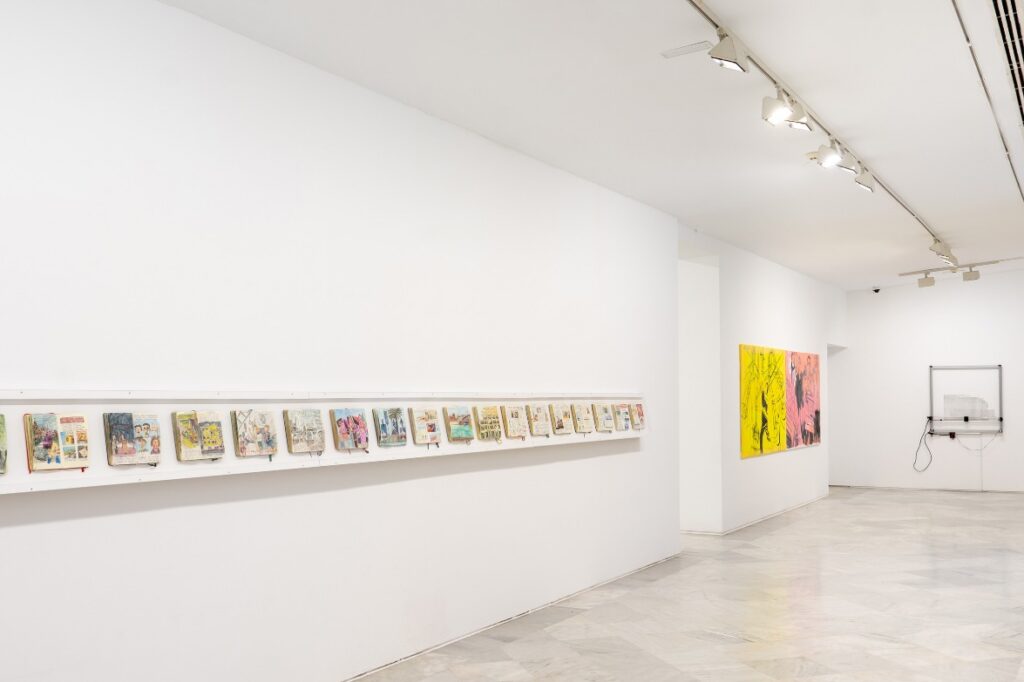
The last painting. Andalusian Center of Contemporary Art. CAAC, 2026
“The last painting”
ANDALUSIAN CENTER OF CONTEMPORARY ART. CAAC
C/ Américo Vespucio, 2
Seville
From June 19, 2026 to February 28, 2027