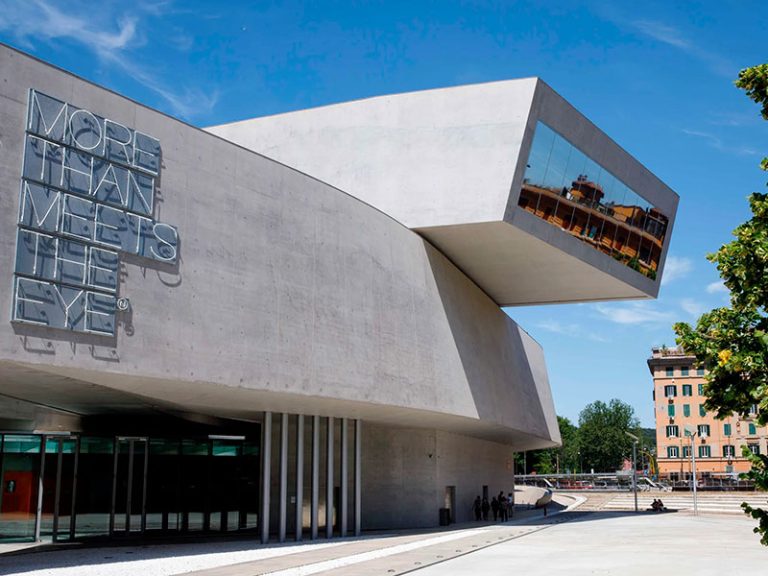
Huesca (Aragon, Spain). The tone rises between Aragon and Catalonia after the court decision of this summer ordering the restitution by Barcelona of frescoes to the Aragon. History dates back to the Spanish civil war, when romantic murals of the end of the 12th century of the chapter room of the Santa Maria monastery of Sigena were transferred, preserved and today exhibited at the National Museum of Art in Catalonia (MNAC) in Barcelona (see Ill.). The circumstances of this transfer are not fully established, but according to some Aragonese historians, the monastery was burnt down by Republican Catalan militiamen before the Catalan government at the time moved the frescoes. Then, in the 1970s, the monastery was gradually restored and the Aragon naturally asked for the return of the frescoes. Without success.
An “irreversible” risk
Continuing the MNAC in justice, the Aragon obtained a first favorable decision in 2016, confirmed on appeal in 2020 then in cassation on May 28, 2025. Following this long marathon before the courts, a judge of Huesca (Aragon) fixes a period of seven months for restitution. But in return, the Catalan museum affirms the technical impossibility of moving the works, invoking a risk “Irreversible” In case of detachment of the wall support and displacement. At the very least, he requests a much longer execution time to ensure this transfer and also wishes to be able to visit the monastery to verify the conditions for the re -exposure of the paintings. Actorships that annoy the Aragonese part.
This displacement of a work is reminiscent of the current controversy on the loan by France to England of the Bayeux tapestry: several experts underline the fragility of the tapestry and the risks that the displacement would weigh, here in both directions since the tapestry must (in principle!) Return to France.
The medieval frescoes have been detached from the wall while retaining a layer of mortar. They were then fixed on canvases mounted on rigid chassis and stowed on the walls of the museum. They are therefore in theory mobile and transportable, notwithstanding the risks on the pictorial layer and its adhesion to the mortar layer, for a land trip of 250 km between Barcelona and Villanueva de Sigena.
But unlike France where the debate relates essentially to the intransportable character of the tapestry, in Spain the conflict takes a political dimension between the two provinces. The inclinations of independence from Catalonia in 2017 left profound traces in Spanish society. A Aragonese collective calls on citizens from the region to come and demonstrate on Saturday September 27 in front of the Barcelona museum in order to demand the restitution of frescoes.