
If some visitors had found refuge in museums to escape the heatwave episodes of the summer of 2026, cultural institutions in England showed a reduction in their visitor numbers over the period. Of the 296 establishments surveyed by Arts Council England (ACE), the national public body responsible for promoting and financing culture in England, 67% say they have noticed a drop in their attendance.
Heat in buildings is one of the causes. More than half of the organizations surveyed were able to share accurate data on recorded temperatures, with nine reportedly reporting reaching over 41°C in their indoor spaces during heatwaves. Before the heatwaves, 28% of establishments had air conditioning. During heat events, 11% reported using a fixed installation as an adaptation measure, compared to 20% using temporary air conditioning.
Nearly a third say they have canceled scheduled events or activities due to high temperatures, and some have implemented periods of closure, partial for a quarter of those surveyed, and total for 10% of them. Others have chosen to reduce their opening hours or adapt them according to the cooler hours.
None of the museums and cultural organizations that took part in the survey said they were very well prepared to face future heatwaves, even though the summer of 2026 was the hottest on record in the United Kingdom. Although the mercury may have reached rare peaks this year, the effects of climate change have been noticeable for several years. And yet, only 13% of respondents said they had a heatwave adaptation plan before this summer.
If for the moment, the financial impact cannot be precisely assessed, almost two thirds of the establishments surveyed by the ACE believe that the heatwave directly affected their revenue. Although the heat may have seemed like a boon for museums equipped with air conditioning, where visitors could come and enjoy a moment of respite, less than 1% of respondents believe they were able to benefit financially from the situation.
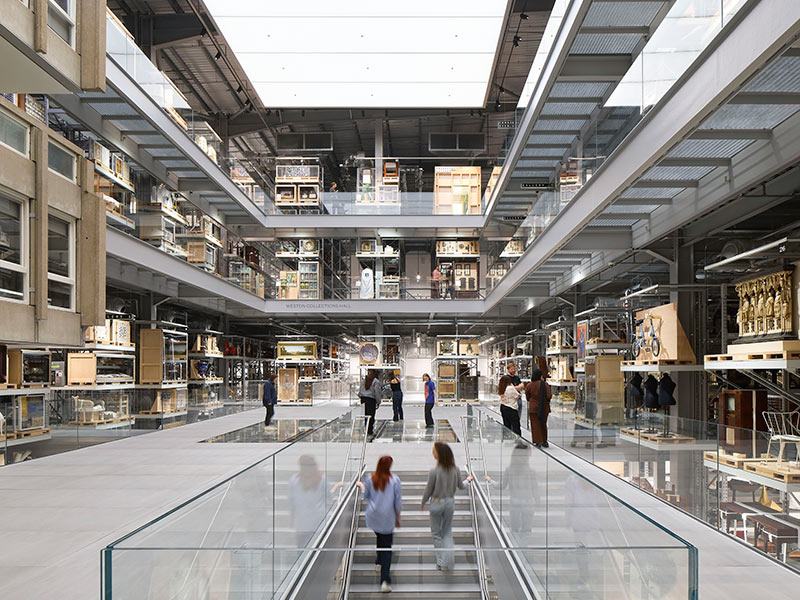
The heat also fueled social conflict. At the V&A East Storehouse, opening in London in 2025, unions denounced staff working conditions during the summer, including difficulties in accessing water during service and protective measures against high temperatures. The conflict, also linked to pay, led to strikes in September. V&A management, however, claims that the building is equipped with a cooling system and water fountains, and that it has reinforced breaks during heatwaves.