Madrid,
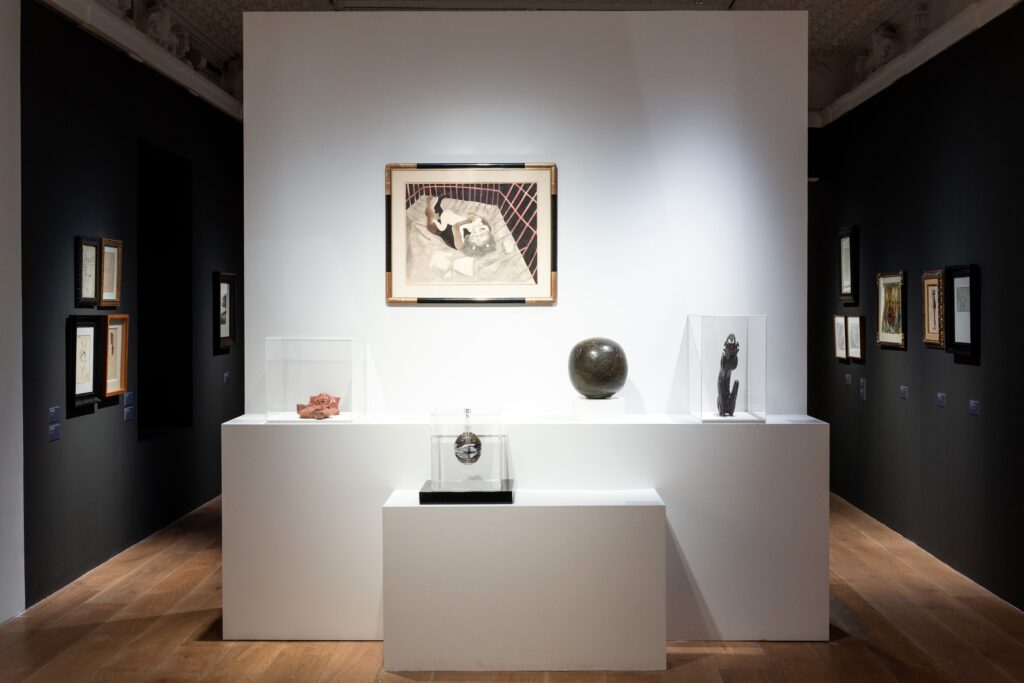
The Casa de México Foundation in Spain has been dedicating one of its exhibition lines to making known in our country the collection of Mexican private collections that, otherwise, could rarely be seen together on this side of the ocean. After exhibiting, among others, the Blaisten and Jumex collections, until next May this center will host the exhibition “Avant-garde rebellions of the 20th century. Works from the Vicky and Marcos Micha Levy collection”, a selection of one hundred works by contemporary Mexican artists and international authors who worked there.
Under the curatorship of Taiyana Pimentel Paradoa, director of the Museum of Contemporary Art of Monterrey. MARCO, we can delve into Alberto Aguilera in works that, in many cases, are exhibited for the first time in Europe and that articulate a possible reading of the construction of artistic contemporaneity in Mexico. The tour reflects the diversity of aesthetics and concerns of these creators, who deny any homogenization linked to geography, while at the same time claiming the weight of Latin American artists in the future of the avant-garde, even though they originated in Paris.
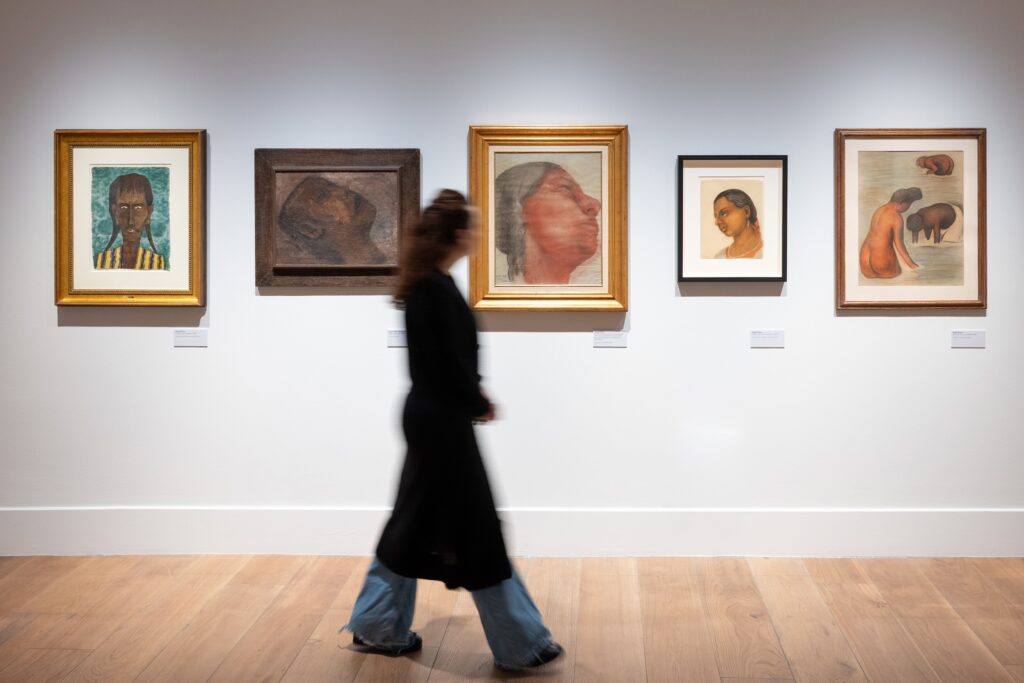
The exhibition begins, however, with a current of its own: with creations by Diego Rivera and Alfaro Siqueiros, a duo that is usually joined in these presentations by José Clemente Orozco, who on this occasion will come our way later. They are the great figures of Mexican muralism, the first genuine avant-garde trend in this country, initially promoted by José Vasconcelos to display, on extensive public walls and with a certain didactic will, nationalist images that were to represent the wickers of Mexican identity, emphasizing pre-Hispanic culture.
In this first section we will contemplate significant portraits of both (The couturier Henri de Chantillon) and, above all, compositions linked to these primitive communities and social protests, such as a study by Rivera for his mural The creationtheir Tehuantepec bathers, Loggers in the rain or the almost expressionist The drowned man’s wife. One of the most recent additions to Micha’s collection – his children continue to add to those funds – is his vision of the October Revolution commemorative parade, which he held in Moscow in 1955.
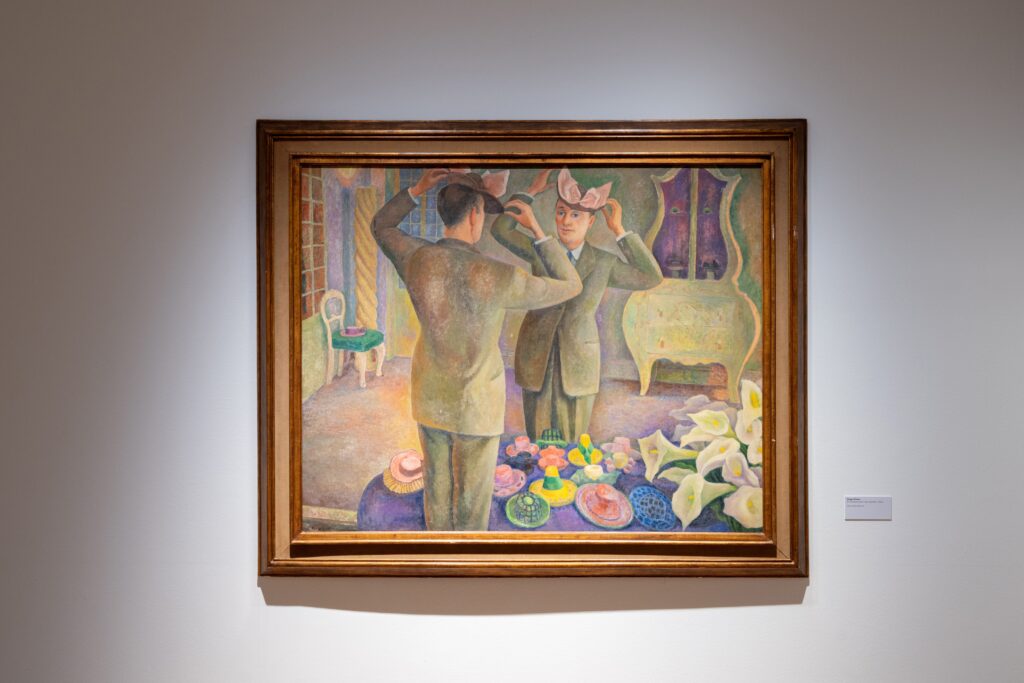
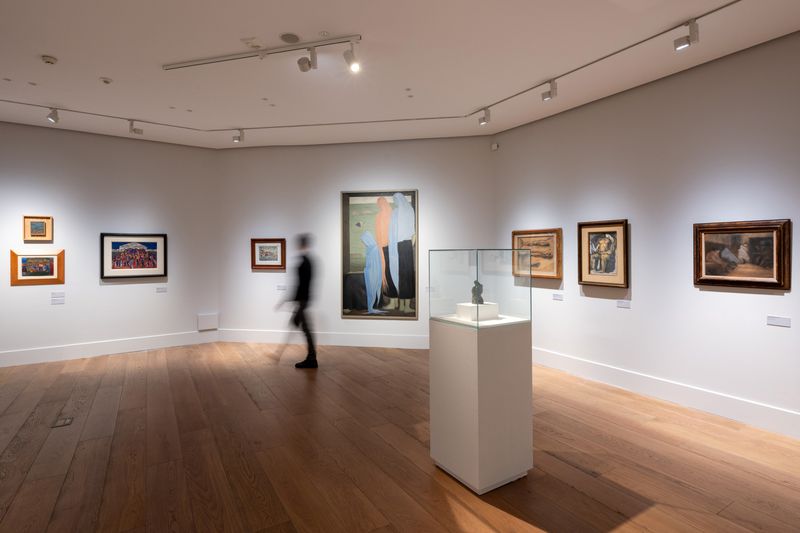
A second section of the exhibition links Orozco and the modernists, being the first master of muralism and of looking at the hidden figures in great narratives, but also of allegory and symbolism. The conflicts that were his contemporaries inspired the dynamism of many compositions, however, the frequent sketchy or poorly defined character of his figures, and his tendency towards murky images, bring him closer here to other creators who laid the foundations of visual modernity in Mexico, such as Roberto Montenegro, Saturnino Herrán, Carlos Mérida or Germán Cueto and Manuel Rodríguez Lozano.
Among the pieces of the latter, a small cubist figure by Germán Cueto and The tragedy of the desert by Rodríguez Lozano, who also share the same year (1940), a suggestive relationship of forms is established.
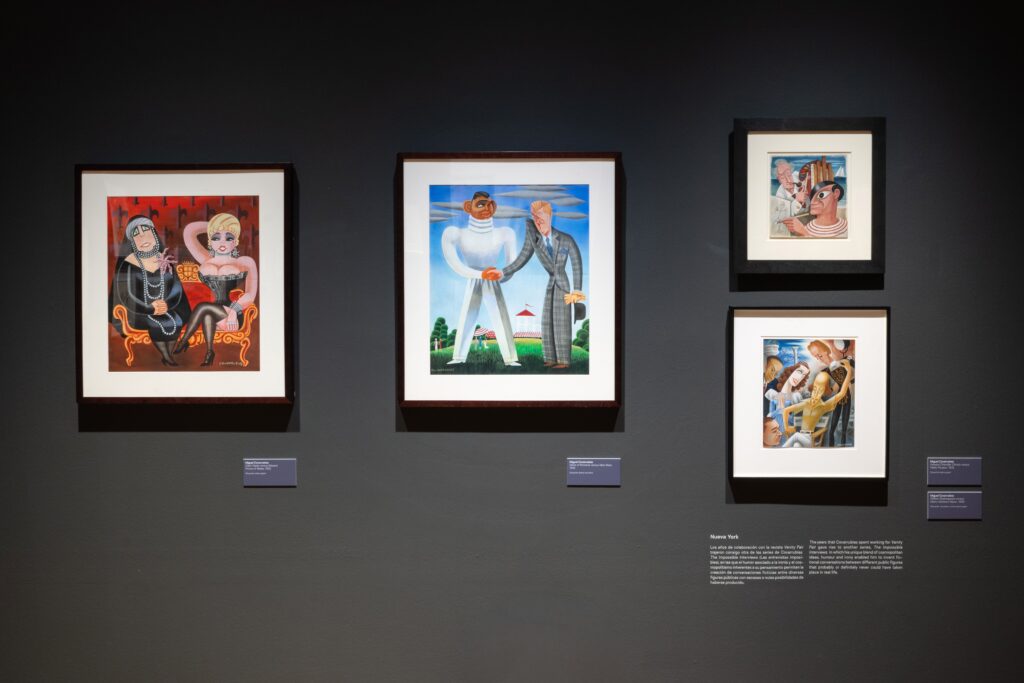
The center of the exhibition is occupied by a figure that is difficult to define because it is multifaceted: Miguel Covarrubias. He was an artist, writer, collector, caricaturist in New York and collaborator of Vanity Fairbut in Mexico he is known above all as an anthropologist and for his studies on the so-called native cultures, which were cut short when he died at the age of fifty-two.
At Casa de México we will discover illustrations for his international publications on that field of anthropology, a set of caricatures – among the most original, those dedicated to dictators -, the murals of his ethnographic maps for the Golden Gate Fair in San Francisco and his prints about the effervescence of Harlem in the twenties, the so-called Harlem Renaissance. Acute observer and possessor of fine irony, he even imagined improbable encounters between Picasso and Howard Chandler or Clark Gable and Prince Edward of England.
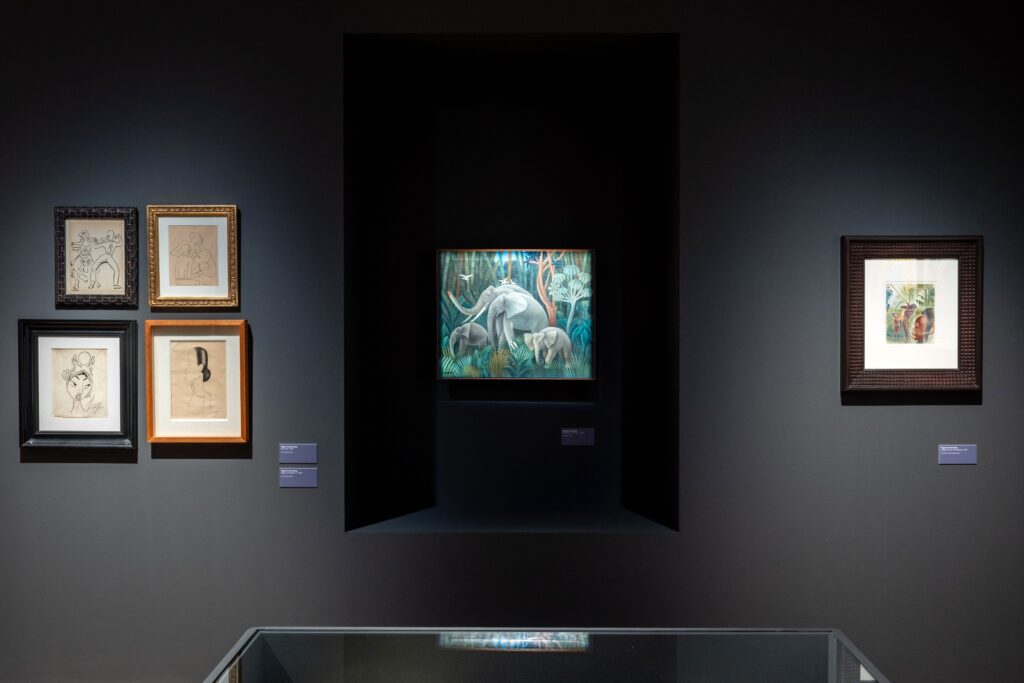
Rufino Tamayo and Francisco Toledo, for their part, belonged to different generations, but they had in common their Oaxacan origins and the expansion of their sources in Paris. The second was, in fact, the first’s pupil.
They also investigated the Mixtec and Zapotec cultures, but Tamayo worked above all from color and Toledo from his love for eroticism and sexuality, both in the human and animal realms.
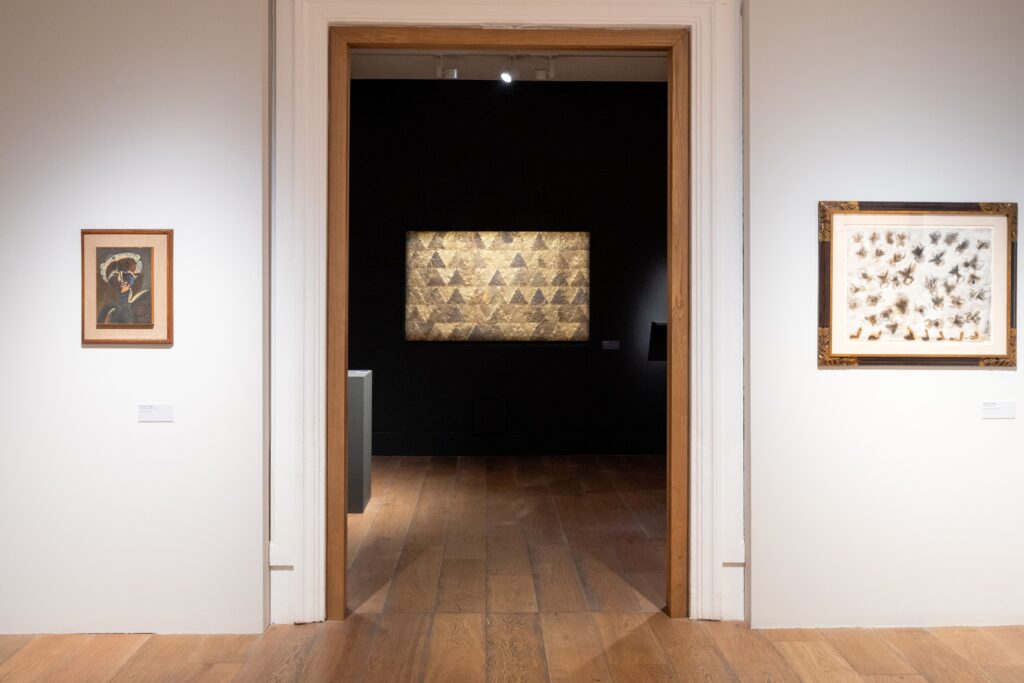
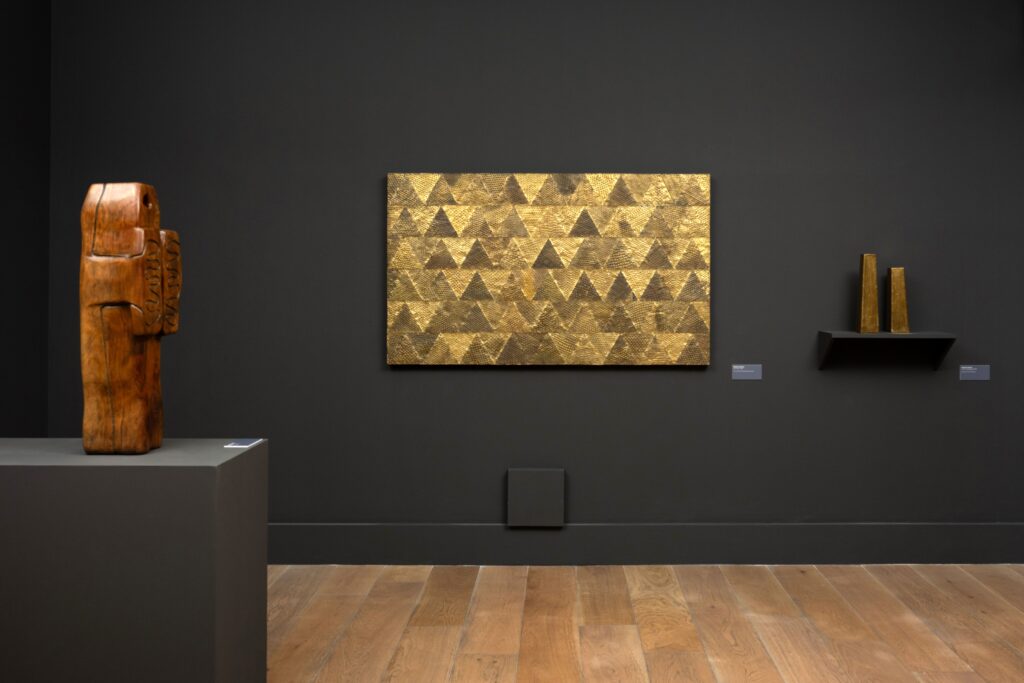
The (brilliant) epilogue to the exhibition is provided by Mathias Goeritz, a German artist who in Spain was one of the promoters of the Altamira School. He arrived in Mexico in 1949 to undertake both architectural and plastic projects, often in collaboration – with Barragán, Reyes Ferreira or abstract and geometric authors.
He worked from basic and refined structures that he called concrete and that, often, entailed spiritual or religious implications, is the case of his Moses in wood or Messages like gold sheets.
“Avant-garde rebellions of the 20th century. Works from the Vicky & Marcos Micha Levy collection”
CASA DE MEXICO FOUNDATION IN SPAIN
C/ Alberto Aguilera, 20
Madrid
From March 4 to May 31, 2026