Almost forty years old – it started in 1989 -, the Sala Robayera de Miengo (Cantabria) has faced since those beginnings, first in the exhibition hall of the Town Hall of that town and later in the Old Schools of Cudón, the challenge of offering its visitors a demanding program dedicated to contemporary art from a rural enclave, far from the cultural circuits. This peripheral situation has implied a challenge for this space, but not a limitation: its organizers have conceived this location as a singularity that would allow them to commit to the decentralization of artistic proposals and the approach to centers like this one of exhibitions of a character that are not necessarily local or ethnographic, unlike other complexes of this type.
Decades before the cultural projection beyond the big cities favored the emergence of other centers, this room undertook a continuous line of exhibitions that, in effect, made it one of the first stable initiatives offered to recent creation in rural areas in our country and, in these almost four decades, it has hosted the production of some of the most relevant artists on the Spanish scene, consolidating itself as a reference, in this sense, beyond Cantabria. Its collection, nourished by donations from these authors, is close to one hundred and a half pieces, including paintings, sculptures, engravings, photographs and installations, some of them corresponding to winners of the National Fine Arts Awards. Due to their diversity of techniques and styles, they offer a rich reading of the latest art and also give an account of the network of affinities that has been woven around Robayera: of encounters, gestures and commitments.
Its promoter was precisely a painter, Juan Manuel Puente from Torrelavega, who founded the room and directed it from its inception until 2015. He has recently been honored, after his death in 2025, by the Miengo City Council, an institution that, in turn, has just expanded this exhibition space, which is embarking on a new stage doubling its surface and improving its lighting, conservation and exhibition possibilities.
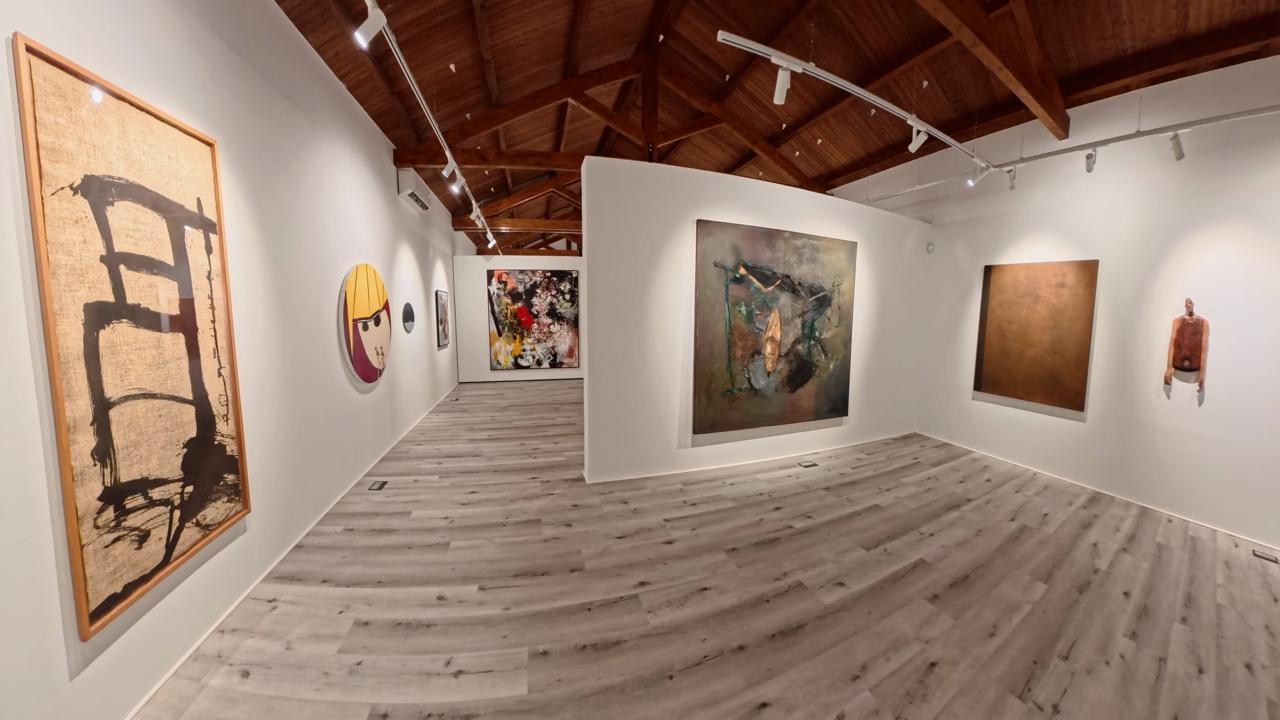
Shared memory: Travel notebook. Robayera Room. Photography: Nacho Cubero
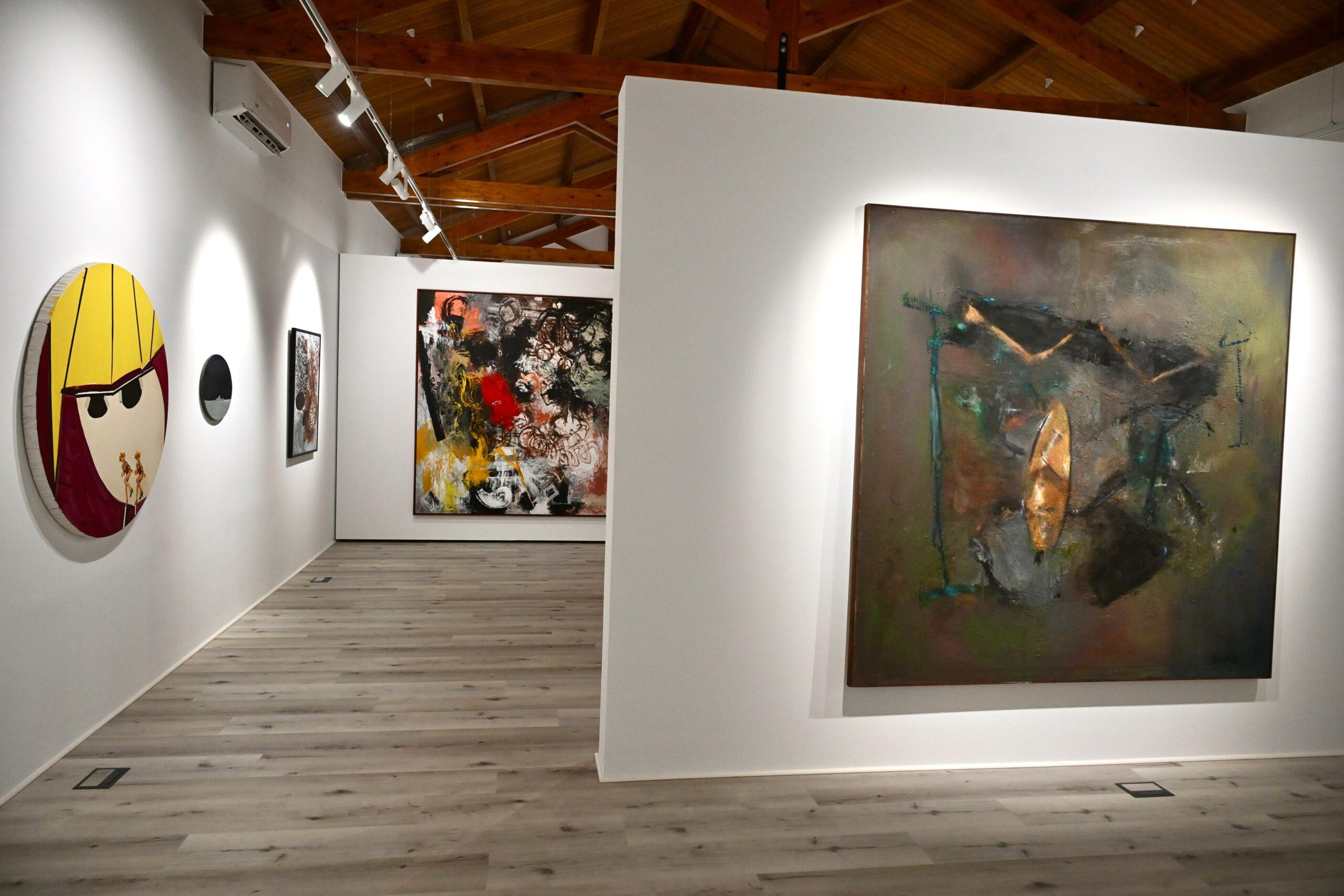
Shared memory: Travel notebook. Robayera Room. Photography: Nacho Cubero
There, until next August 2, we can visit the exhibition “Shared memory: Travel notebook”, in which a selection of works from the Robayera Collection is exhibited alongside works from the Los Bragales Collection, treasured by Jaime Sordo, who began acquiring art in the seventies but gave his name to his collections in the eighties, so, in a way, both collections, linked to this region, share a chronology. It is the first exhibition focused on its own pieces that the Sala Robayera offers to the public and inaugurates a path of work for the center that will coexist with its usual presentations of the production of contemporary creators, according to the model promoted by Puente: this new path will allow the value of a gradually richer set of compositions to be vindicated and not born from acquisition, but from the gift of its own creators, who at the same time define the history of this place with their donations.
Jaime Sordo himself, together with Laura Cobo, would curate “Shared Memory”, which is structured according to strict criteria: pieces by authors who are present in both collections are put together in order to provoke novel readings around their trajectories, their work contexts or their affinities; We will see that we are talking about very relevant figures of Spanish art of the last century: Eduardo Chillida, Antoni Tàpies, Victoria Civera, Xavier Grau, Antonio Mesones, Ricardo Cavada, Albert Ràfols-Casamada, Rafael Canogar, José Cobo, Miguel Ángel Campano, Jordi Teixidor, Juan Uslé, Pilar Cossío, Eloy Velázquez and the founder of the Robayera, Juan Manuel Puente.
The one in this room is a public collection and Los Bragales is private; They have been built, therefore, from different wills, but they share a sensitivity towards the creation of their time (abstract and figurative, plural in their languages) and the desire to make it accessible to a broad and not necessarily urban public. We are all part of this cartography.
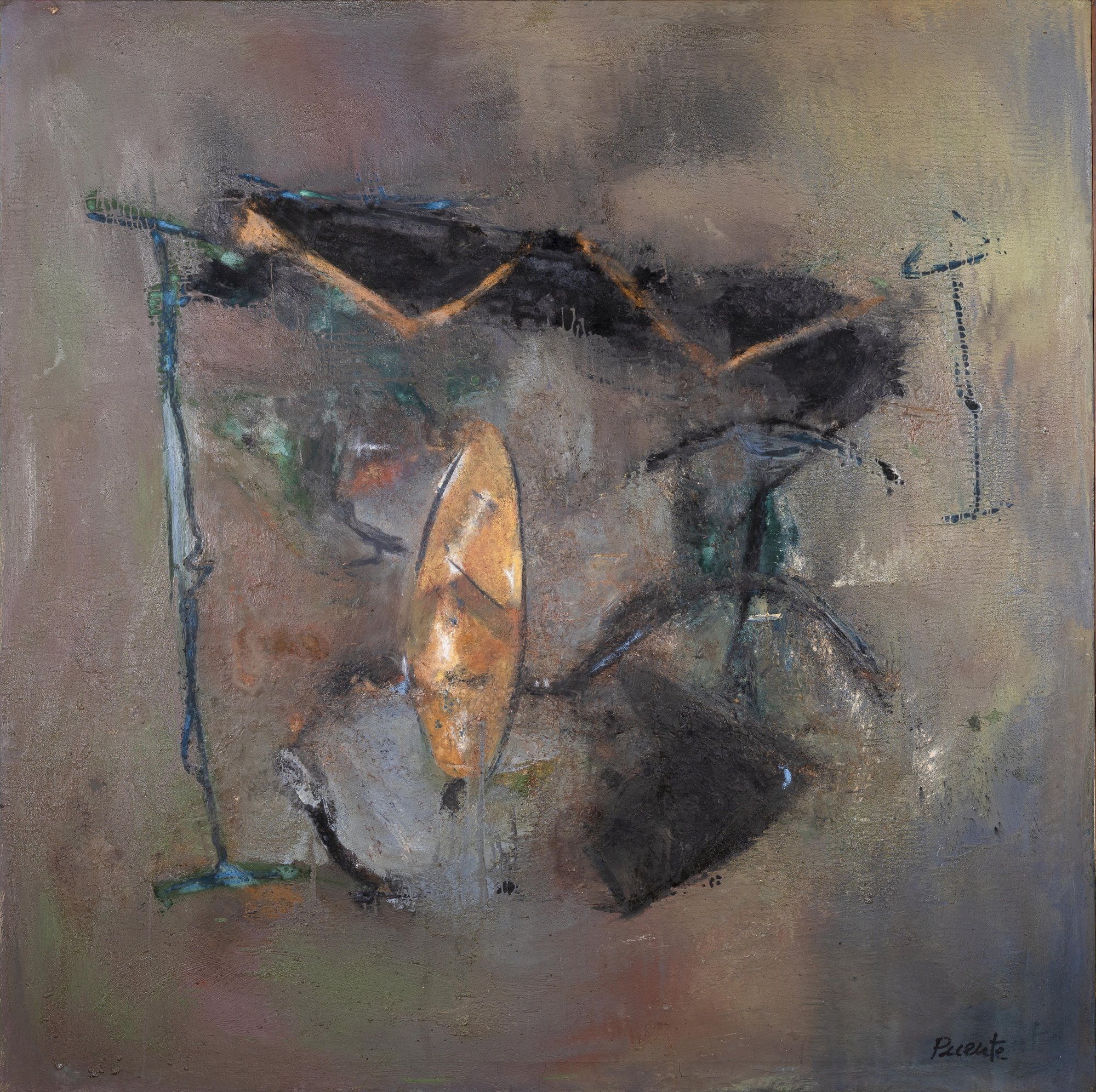
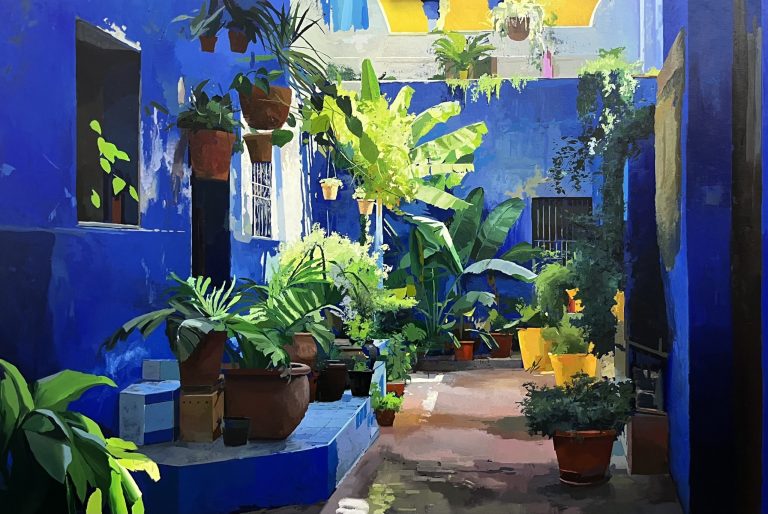
Juan Manuel Puente. Untitled, 1988. Robayera Collection
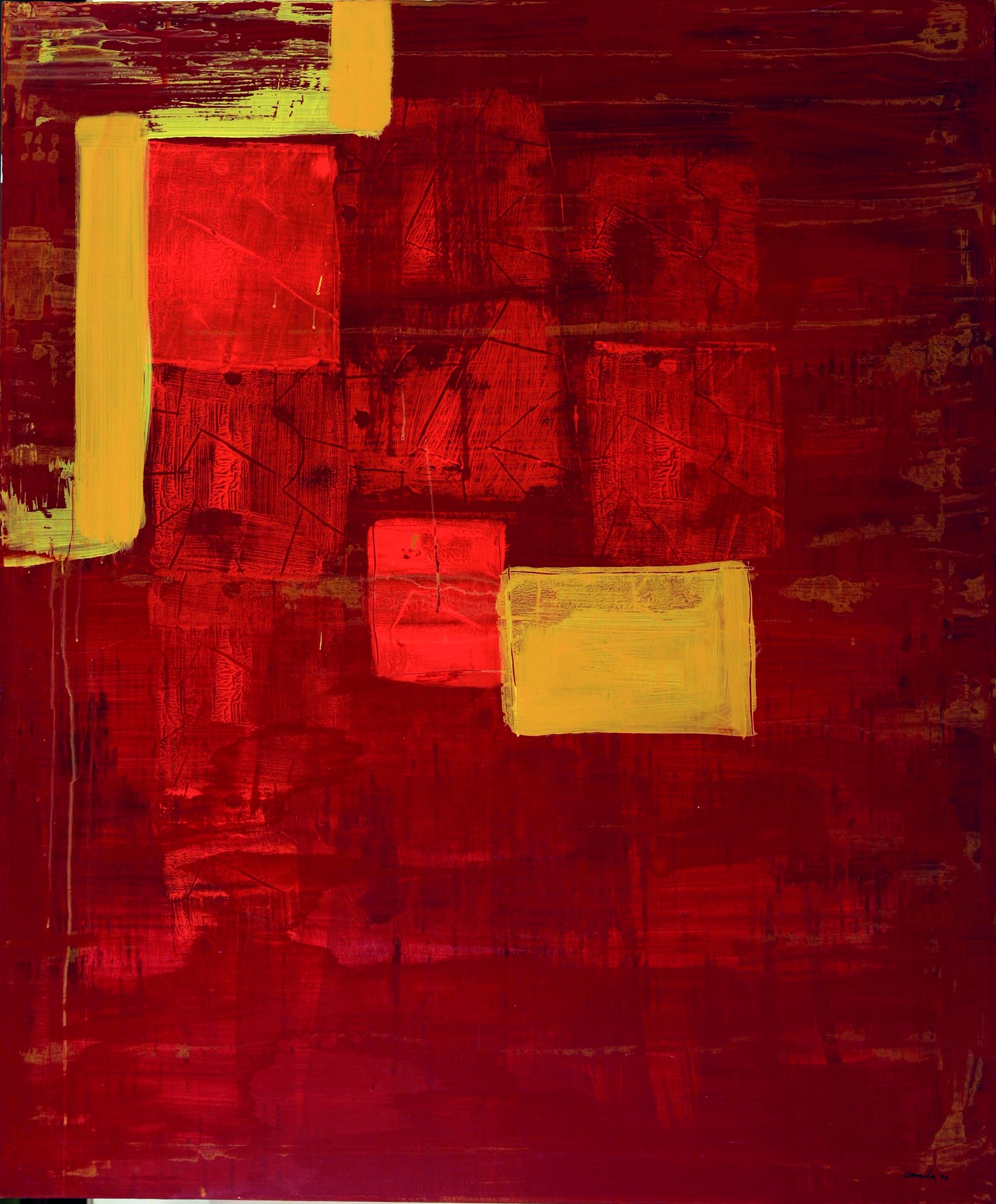
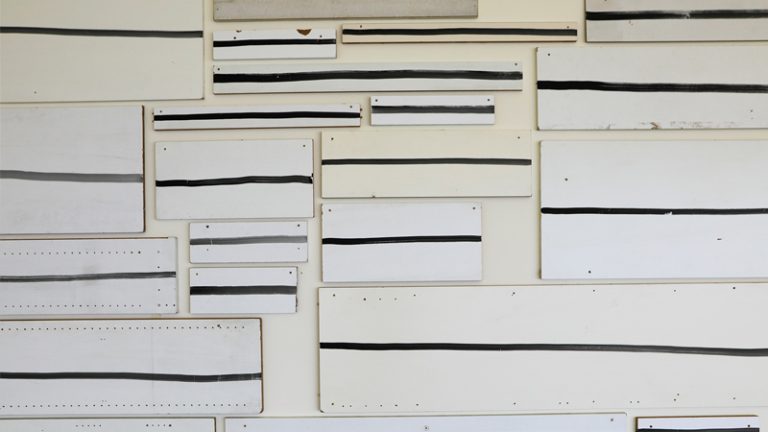
Ricardo Cavada. Untitled, 6. Los Bragales Collection
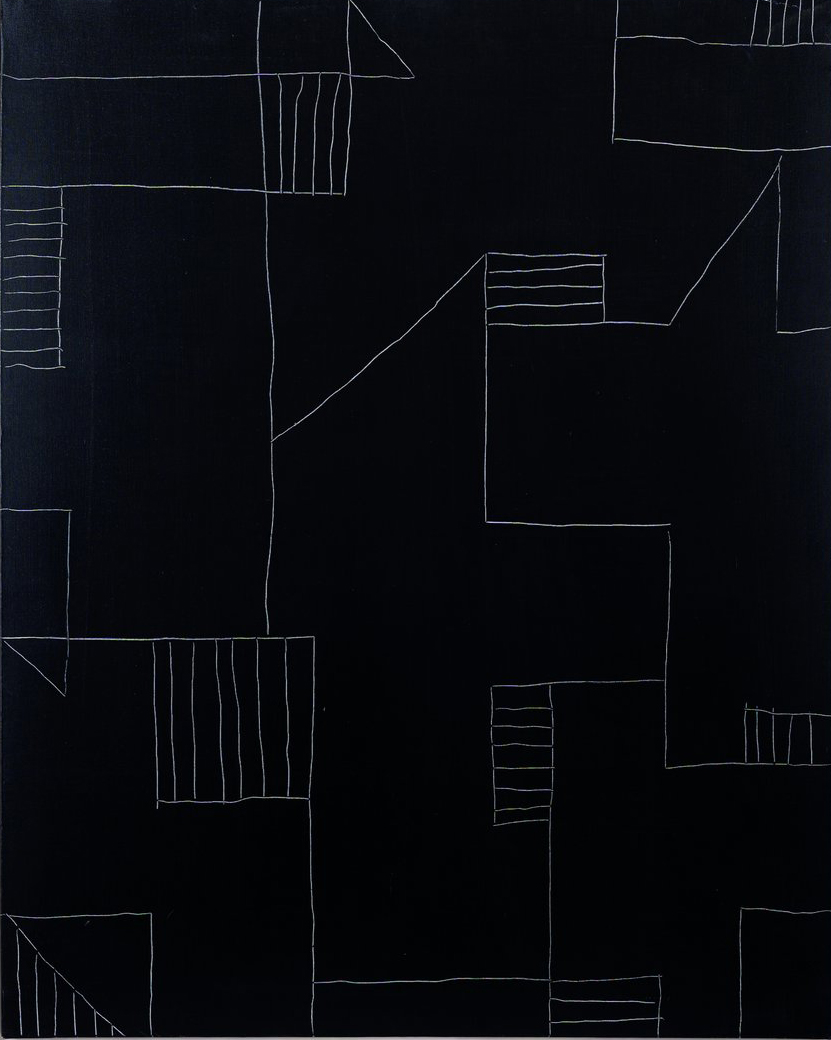
Ricardo Cavada. Untitled, 2000. Robayera Collection
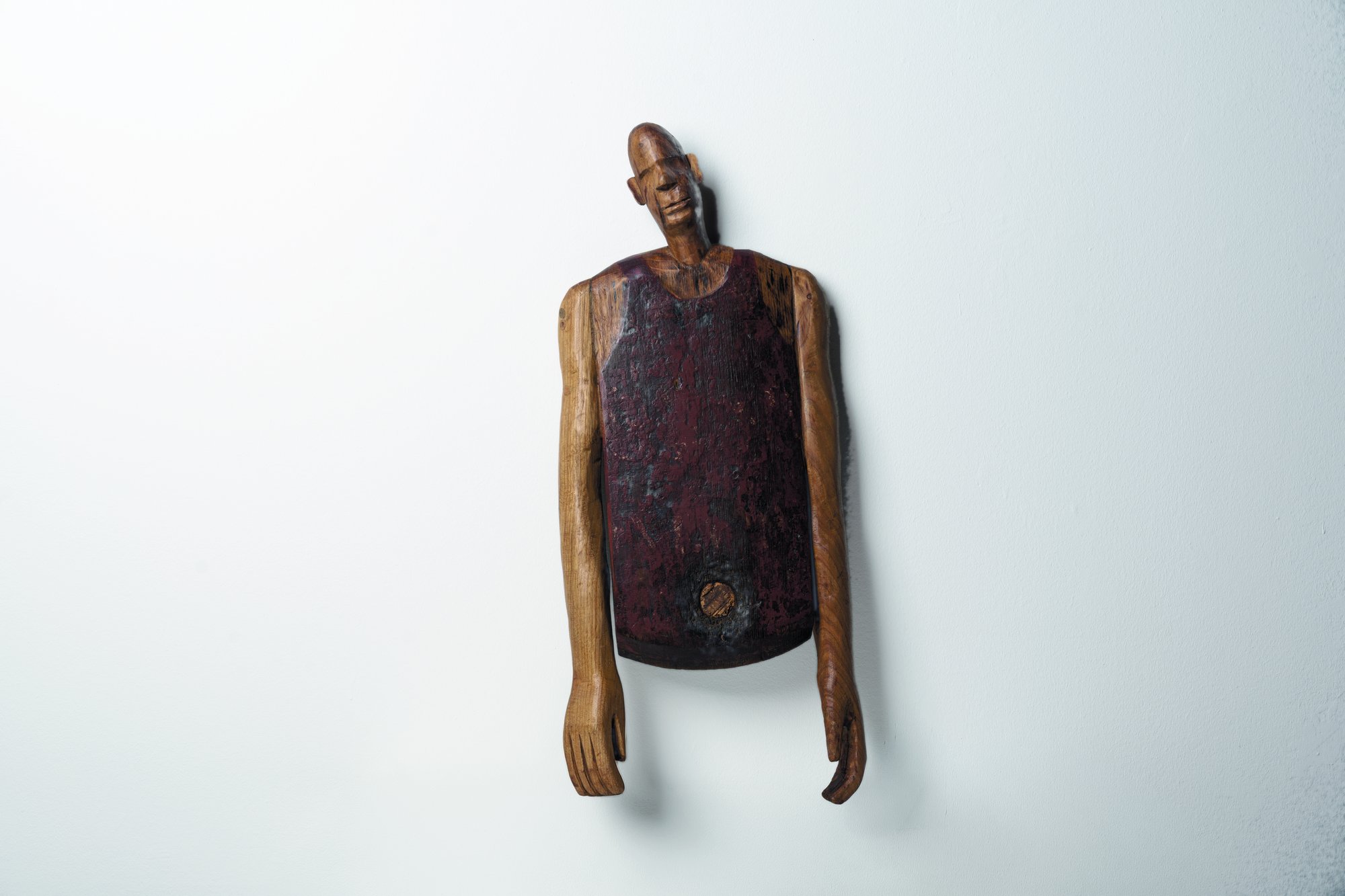
Eloy Velázquez. Singles2012. Robayera Collection
«Shared memory: Travel notebook»
ROBAYERA ROOM
Old Schools
El Castro neighborhood
39318, Cudón
Cantabria