
They never met and their personalities, if we pay attention to most of the testimonies, had almost nothing in common, but they did share a time and some vocations, such as the desire to represent emotion, the look at the ancestors and the open assimilation of the techniques and themes of the avant-garde with which they came to identify most.
Tomorrow, at the Picasso Museum in Malaga, the exhibition “MUNCH-PICASSO” opens its doors to the public, which has been organized in collaboration with the Norwegian artist’s museum in Oslo and the Almine and Bernard Ruiz-Picasso Foundation and curated by Paloma Alarcó. Through a hundred pieces, between paintings, engravings and drawings, it proposes a kind of imaginary dialogue in which the viewer is not expected to establish somewhat forced or anecdotal relationships, but rather to appreciate how, through evidently disparate paths, one author and another knew how to find visionary qualities in nature, incorporate far-reaching innovations in their creative process – especially in their prints – and resort to the tremendously modern recycling of images when constructing their respective languages. More than similarities between them, therefore, we will have to talk about affinities.
In the distance between the luminous Mediterranean and the gloom of the Nordic country, in the divergence of their sensibilities – of a Picasso constantly projected on the canvas and in the world around him, and a Munch with an introspective essence -, this exhibition highlights that both were attracted by the unfathomable mystery and complexity of his representation and were not afraid to articulate unprecedented codes to be able to transmit it. In the brushes of one and the other and in the passage of decades, the human body would no longer be what it was, and not only because of an aesthetic revolution: its fragmentation, deformation and distortion respond to the desire to express existential realities that are never simple in the contemporary individual, stalked by loneliness, desire or loss and often lacking handholds and crutches.
If Munch resorted to an intense palette, vibrant lines and symbolism to express this helplessness, which he knew very well, Picasso’s path would already be that of open rupture: he multiplied, as is known, the points of view; He decomposed forms and turned his paintings into a playing or battle field in which reality was not fixed, but potentially changing. In any case, for both, harmony was no longer a necessary starting point or an aspiration: its fabrics had to accommodate conflict, internal and external (individual and collective) or both merged.
Another common note between the two was their impulse not to stagnate: Munch’s plastic investigations were constant and he always remained attentive to the advances of his contemporaries; Picasso never stopped adding procedures, formats and, especially, perspectives. In his case, more than in that of the Norwegian, reinvention was not an objective, but a method.
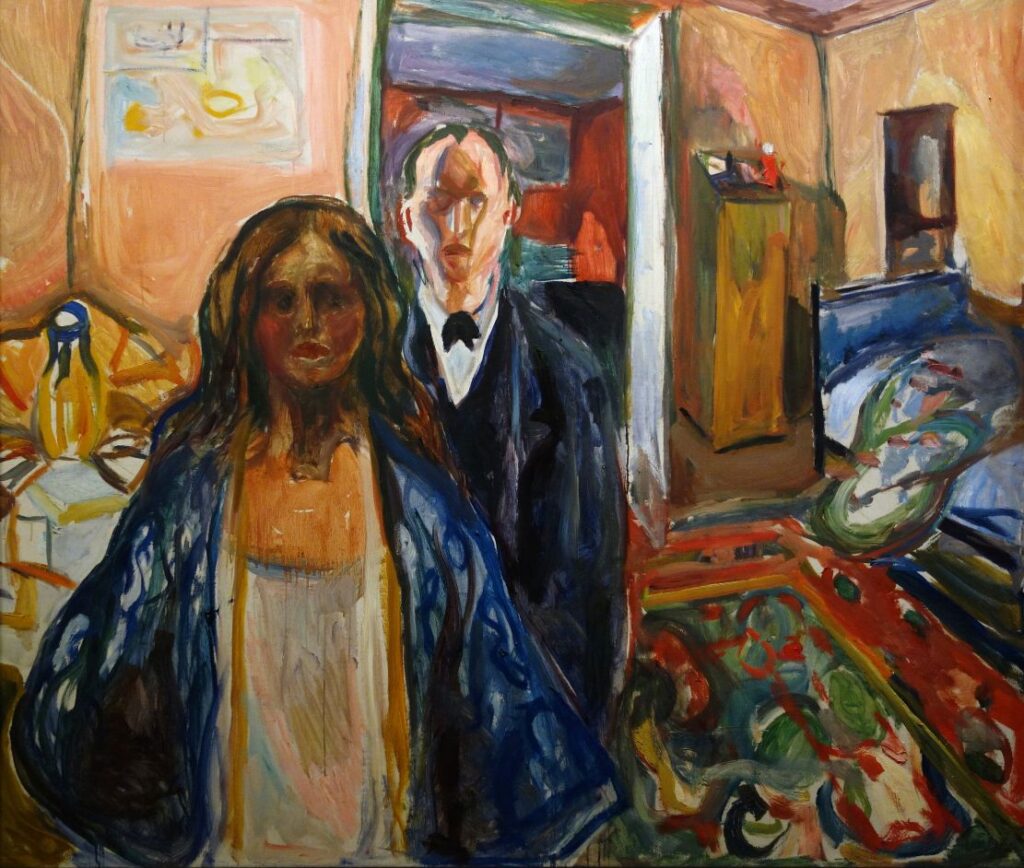
Munch. The artist and his model1919–1921. Munchmuseet, Oslo © DeAgostini Picture Library/Scala, Florence
Although, as we have said, they did not personally coincide in life, we know that they obviously knew about each other. In 1912, the Sonderbund in Cologne dedicated an exhibition to groundbreaking figures of that time: Munch’s compositions shared walls with those of Paul Cézanne, Paul Gauguin, Vincent van Gogh and Picasso himself, represented at that time based on early pieces and his first cubist works. The author of The scream visited that exhibition, but Picasso did not, and for the curator it is possible that his discovery of those centerless works had an impact, albeit ambiguous.
As for the Spanish, we know that he heard about Munch in the last years of the 19th century and through the modernists Ramon Casas, Santiago Rusiñol and Miguel Utrillo, the latter a correspondent for The Vanguard in Paris since 1889. Some time later, already settled in the French capital, it is very possible that he saw his paintings first-hand on different occasions.
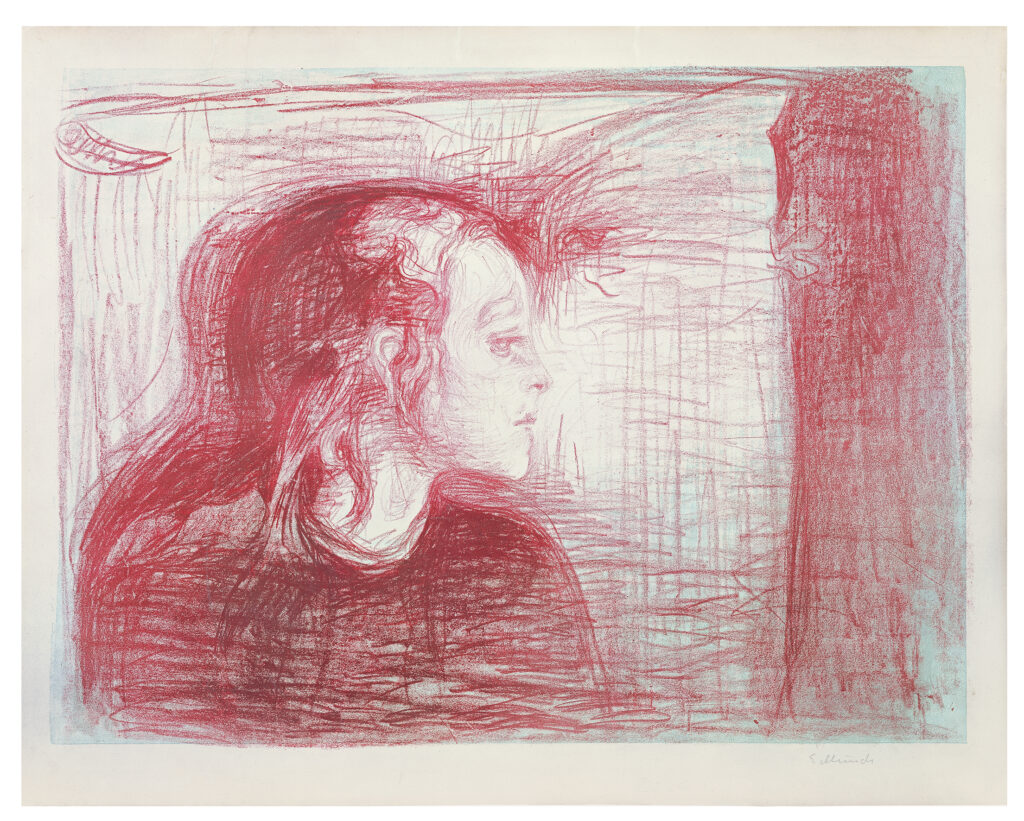
Edvard Munch. The sick girl1896. © Thyssen-Bornemisza Collections
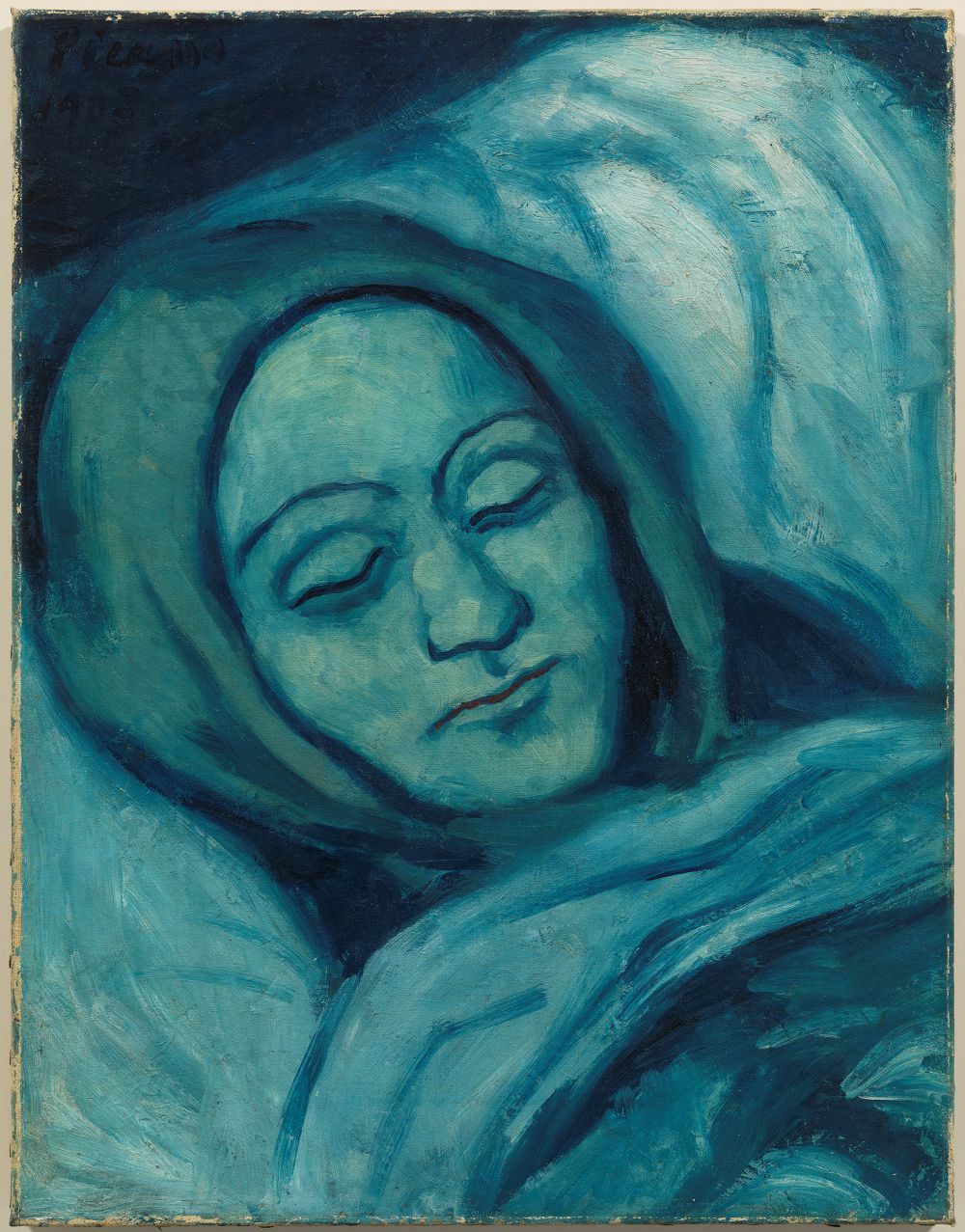
Picasso. The dead woman1903. Museu Picasso, Barcelona © Photography: FotoGasull © Suceso Pablo Picasso, VEGAP, Madrid, 2026
The journey is thematically articulated based on human issues that no one failed to address, such as love, death, loneliness, anguish, sex or modern life. It begins on the second floor of the center, where we will first encounter self-portraits in which Munch and Picasso outlined the construction of their particular artistic identity. Next, and partly based on their respective biographies, the impact of the illness and family losses on their vital and creative trajectories will take place; the cafes, cabarets and bohemian environments that fueled his inspiration at night; fragile or fatal women who refer to the challenge of the representation of the enigma woman; or love, linked both to vitalist passion and to pain and death.
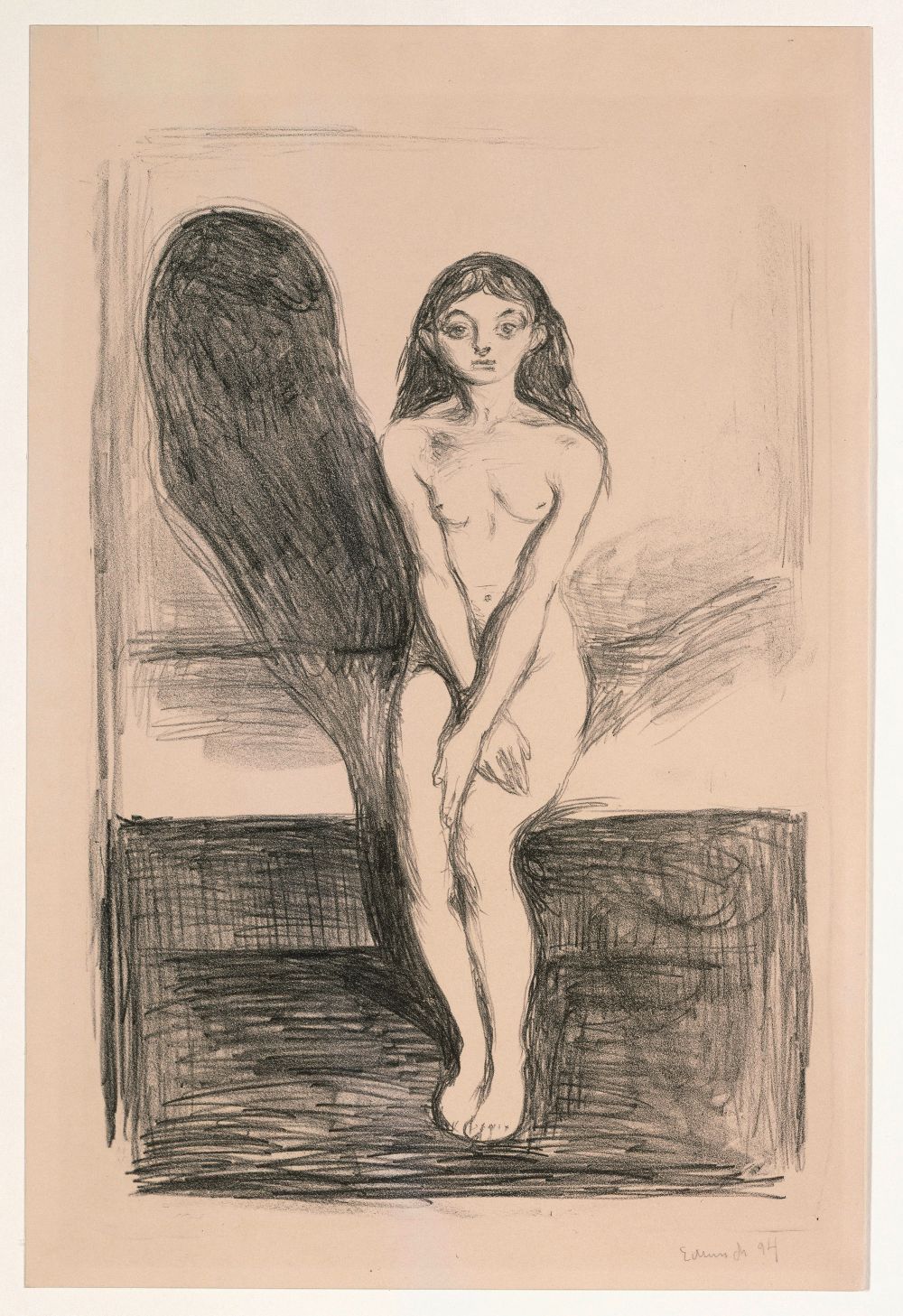
Edvard Munch. Puberty (The young model)1894. Staatliche Museen zu Berlin, Kupferstichkabinett, Berlin
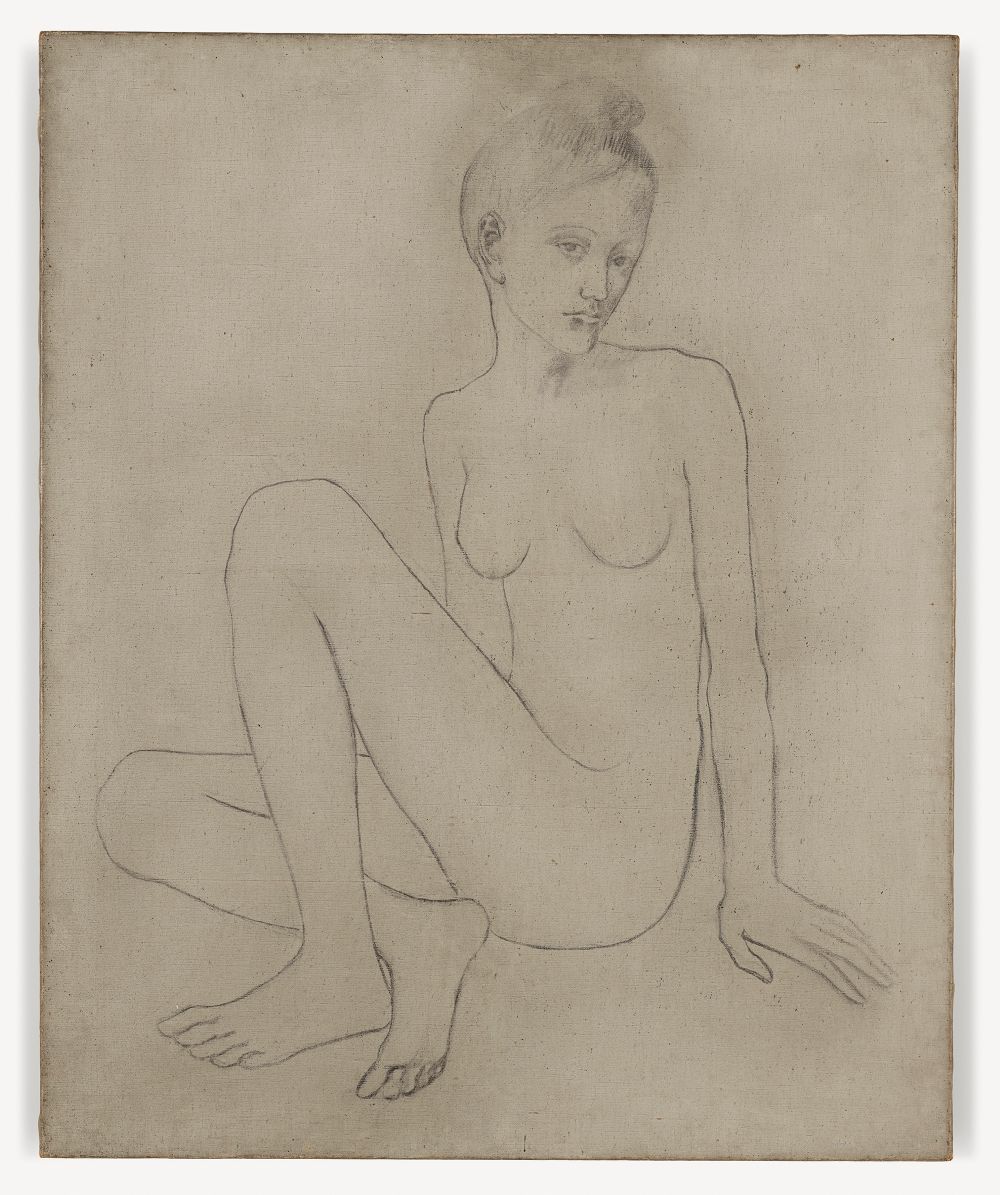
Picasso. Nude with crossed legsParis 1905. Musée national Picasso-Paris. Dación Jacqueline Picasso, 1990. On deposit at the Museum of Modern and Contemporary Art of Saint-Étienne Métropole. © Pablo Picasso Estate, VEGAP, Madrid, 2026
On the ground floor, for its part, nudes await us in which Picasso and Munch clearly transformed the representation of the human body, moving away from classical canons; and scenes of a joie de vivre exemplified in a male figure, in communion with nature, which the two came to understand as an emblem of freedom and the celebration of existence.
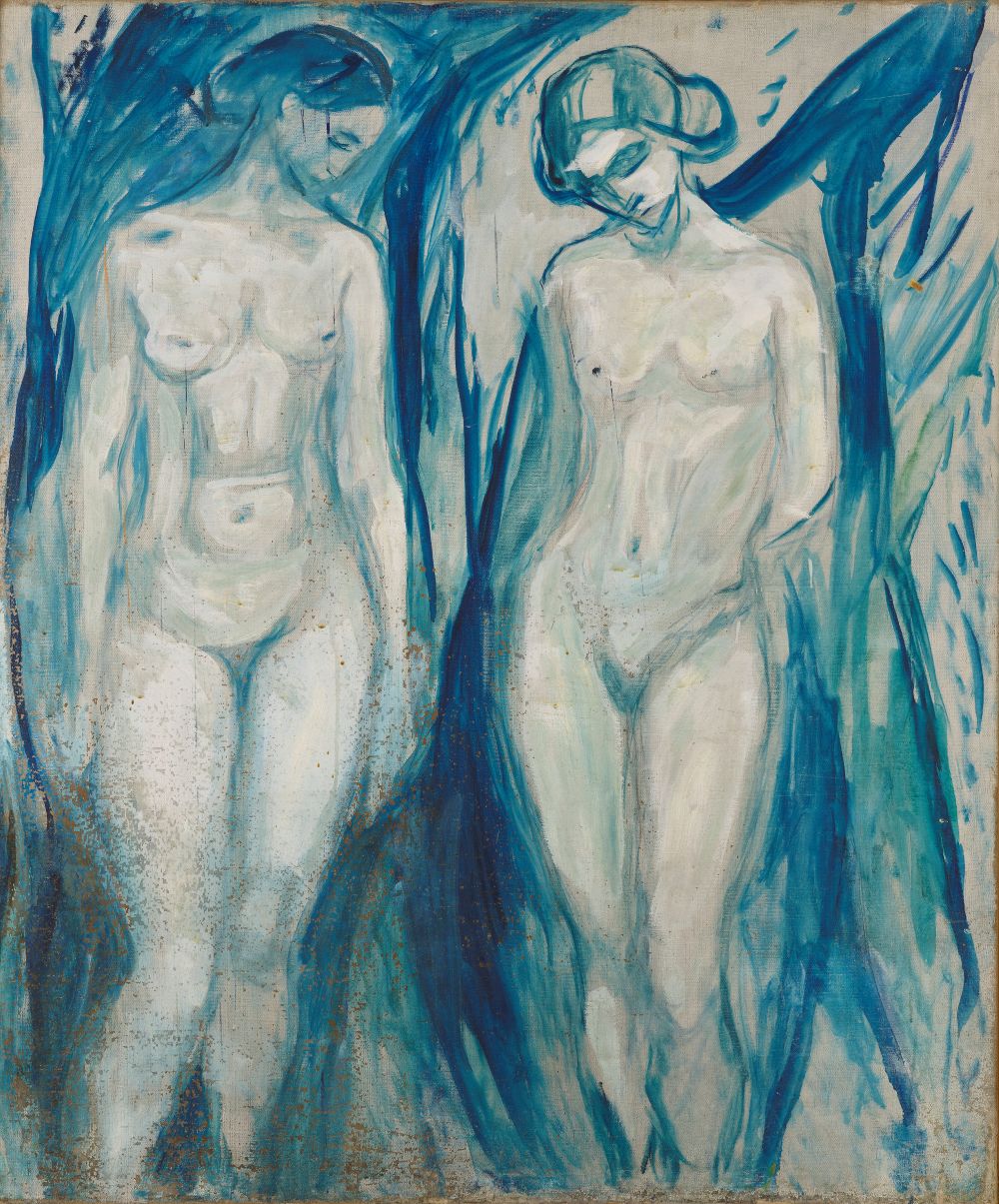
Edvard Munch. two thanks1927-1929. Munchmuseet, Oslo
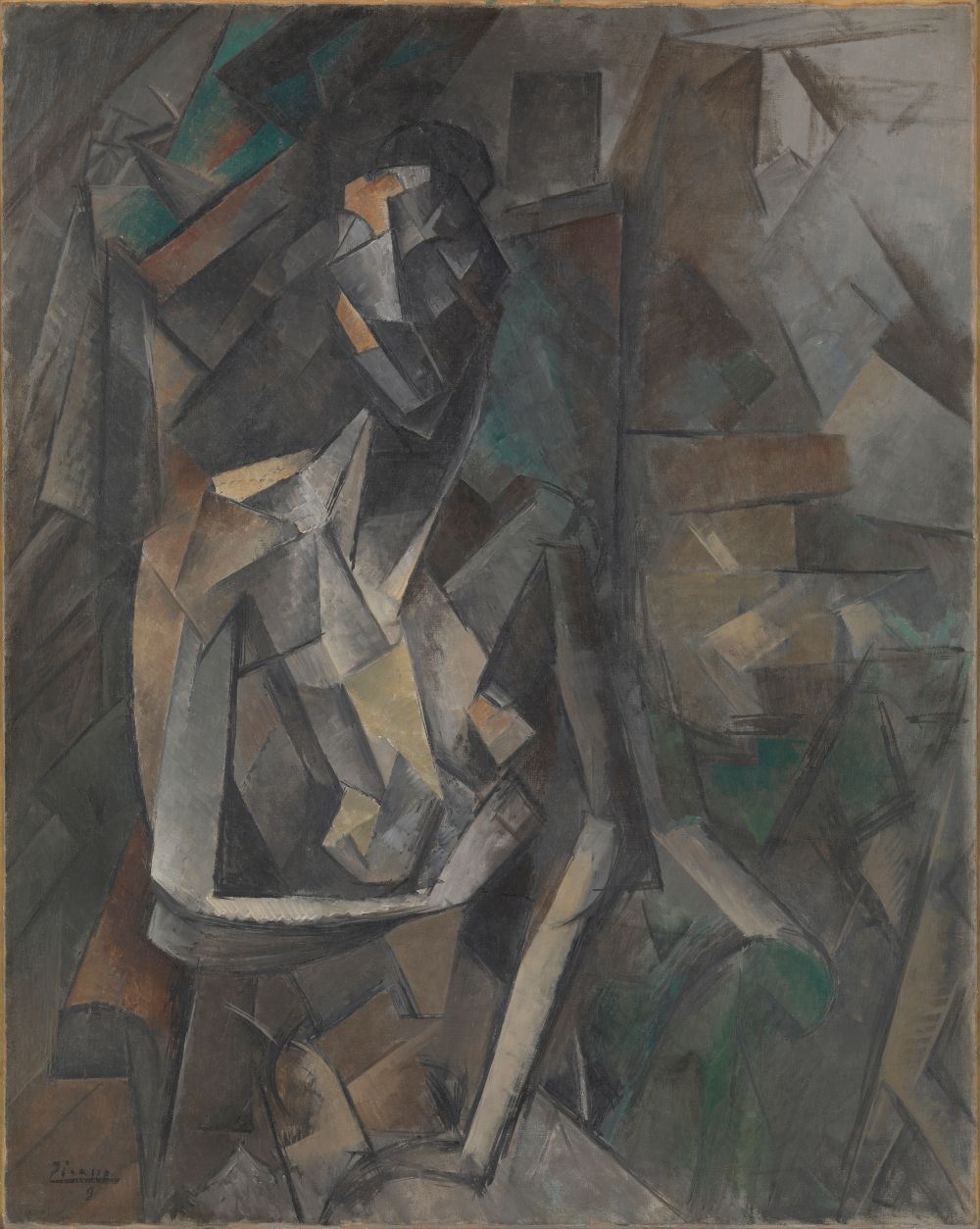
Picasso. sitting nude. Paris, winter 1909-1910. © Tate Images © Succession Pablo Picasso, VEGAP, Madrid, 2026
«MUNCH-PICASSO»
PICASSO MUSEUM MALAGA
Buenavista Palace
C/ San Agustín, 8
Malaga
From October 30, 2026 to February 28, 2027


