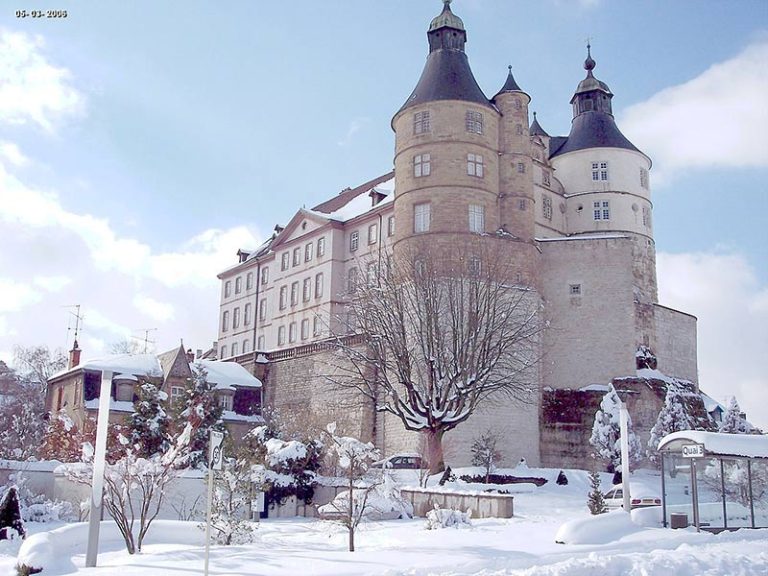
Announced in the fall of 2025 by the Minister of Culture, Rachida Dati, the increase in prices for visitors from outside the European Union in several major heritage sites – including the Louvre, the Château de Versailles and the Château de Chambord – was implemented at the start of 2026. This measure caused a lively debate in France and around the world. Is this an exception?
At the end of a census carried out by The Arts Journal with around forty museums around the world, if differentiated pricing appears to be the norm in emerging countries (Asia, Africa, Middle East, Latin America) it remains very marginal in Western countries (Europe, North America, certain developed countries in East Asia). Major national museums charge the same standard price to all adult visitors, regardless of their origin. The higher purchasing power in Western countries also makes differentiation less necessary with regard to tourists.
In Western countries, the single tariff remains the norm
France appears alone among Western countries in the implementation of differentiated pricing. Some sites and museums in Europe practice this but they are rare. In Venice, access to municipal museums is free for people born or residing in the city. The museums of Saint Mark’s Square thus open their doors free of charge to Venetians while tourists pay the full price (€35).
The United Kingdom remains faithful to a tradition of openness. The major national museums – the British Museum, National Gallery and other major institutions – have been free to all for decades, regardless of geography, except for temporary exhibitions. In Spain and Germany, large institutions also maintain a single rate. The Prado in Madrid or the Alte Nationalgalerie in Berlin do not vary according to the nationality of the visitors. Same logic in the Netherlands and Belgium: neither the Rijksmuseum in Amsterdam nor the Magritte Museum in Brussels differentiate their prices according to the origin of the public.
Across the Atlantic, the situation differs somewhat, but the principle of a single tariff remains. American museums have long relied on a uniform price, supplemented by donations. In New York, several large institutions have developed a hybrid system. At the Metropolitan Museum of Art, residents of New York State – as well as those of New Jersey and Connecticut – benefit from a free admission fee, based on a suggested donation, which in fact has become almost imposed. Foreign visitors pay the fixed rate of 30 dollars (around €25). The American Museum of Natural History applies a comparable model: free contribution for New York residents, full price ticket at 37 dollars (€31) for others. At the Los Angeles County Museum of Art, a resident of the county pays 21 dollars (€18) compared to 30 (€25) for a foreign visitor. After 3 p.m., Monday to Friday, the museum offers free admission to local residents only.
In Oceania, Australia and New Zealand do not distinguish between local and foreign visitors in their public museums. In Canberra, Sydney or Wellington, major national institutions are free or have the same prices for everyone.
Emerging countries have made differentiated pricing a common practice
The situation is very different in museums and sites in emerging countries where tourists can pay up to more than 20 times their entrance ticket compared to a local resident.
In Latin America, differentiated pricing is not an exception. In Mexico, for example, the Museo Nacional de Antropología de Mexico charges 105 pesos (around €5) from nationals and residents, compared to 210 pesos (€10) from foreign visitors. The Templo Mayor applies the same differential. In Cuba, the National Museum of Fine Arts in Havana charges 15 Cuban pesos (€0.15) from Cuban citizens, compared to 125 CUP (€4) from foreigners.
In the Andes, Peru practices the same policy. The ticket for the Museo de Arte de Lima is 15 soles (€4) for Peruvians compared to 40 soles (€10) for foreigners. In Cusco, the regional tourist ticket costs 70 soles (€23) for nationals and 130 soles (€32) for foreigners. Colombia applies a more moderate differentiation. The Museo Nacional de Colombia charges 6,000 pesos (€1) from Colombians and 15,000 pesos (€3.50) from foreigners. The famous Museo del Oro charges 10,000 pesos (€2) to locals and 20,000 (€4.50) to international visitors.
In Africa too, double pricing has become commonplace. The Egyptian Museum in Cairo costs 30 Egyptian pounds (€0.50) for locals compared to 500 EGP (€9) for foreigners. The Grand Egyptian Museum of Giza amplifies this differential: 200 EGP (€4) for nationals and 1,450 EGP (€26) for tourists. Same logic in Kenya, where the Nairobi National Museum charges 200 Kenyan shillings (€1.30) to citizens and 1,200 KES (€8) to non-residents. In Senegal, the Théodore Monod Museum asks 2,000 FCFA (€3) from nationals compared to 5,000 FCFA (€8) from foreigners.
In South Asia, India is a textbook case. At the Taj Mahal, a world symbol of heritage, an Indian pays 50 rupees (€0.50) when a foreigner pays 1,100 rupees (€10). In Kolkata, the Tagore House Museum charges 20 rupees (€0.20) to nationals and 150 (€1.50) to foreign visitors. Thailand follows a comparable logic. A July 2023 reform imposes higher prices for foreigners on public sites: the National Museum in Bangkok costs 30 bahts (€1) for Thais and 240 bahts (€6) for foreigners. In Taiwan, the National Palace Museum charges 150 Taiwan dollars (€4) for locals and 350 TWD (€9) for international visitors.
In the Middle East, differentiation follows the same logic. In Amman, the Jordan National Gallery of Fine Arts charges 1 Jordanian dinar (€1) from Jordanians and 7 JOD (€8) from foreigners. In Petra, Jordanians only pay 1 JOD (1 €), while foreign visitors pay 10 JOD (12 €) in the classic formulas. In Abu Dhabi, the Louvre is free for Emirati citizens, but entry costs 70 dirhams (€16) for international visitors.
The price differentiation is even more visible on heritage sites and in natural parks. It responds here to two major challenges: financing the conservation of fragile sites and managing tourist flows. At Machu Picchu, Peruvians pay around 105 soles (€26), while foreigners pay 200 soles (€50). At Iguaçu Falls, Argentines and Brazilians pay 15,000 Argentine pesos (€9) while foreign visitors pay 45,000 ARS (€26).
In southern Africa, Kruger Park charges 134 rand (€7) from South African citizens and residents, compared to 602 rand (€32) from international visitors. In Zimbabwe, the ruins of Khami cost the equivalent of €0.04 for locals and 10 dollars (€8.50) for foreigners. In Southeast Asia, the logic is assumed. At Angkor, Cambodians enter for free while foreigners pay $37 (€31) for a day pass. In Laos, Vat Phou costs around €0.18 for Laotians and €1 for foreigners. In Nepal, entry to Patan Durbar Square is free for locals but costs 1,000 rupees (€6) for tourists.
Will the Louvre, Versailles and Chambord encourage major Western museums to apply differentiated pricing or will France remain in the category of emerging countries?
Museums charging different prices between locals and tourists
France introduced in 2026 different pricing for certain national museums between European citizens and others. According to a census by the Journal des Arts carried out in February 2026, it appears that although few Western countries do the same, many museums and sites in emerging countries charge more for foreign tourists.
| MUSEUMS / SITES | CITY | LOCAL ADULT RATE | ADULT FOREIGN RATE | LINK |
| AFRICA | ||||
| EGYPT | ||||
| Egyptian Museum in Cairo | Cairo | 30 EGP (€0.50) | 500 EGP (€9) | See prices |
| Great Egyptian Museum | Giza | 200 EGP (4 €) | 1450 EGP (26 €) | See prices |
| Luxor Temple | Luxor | 40 EGP (€0.50) | 500 EGP (€9) | See prices |
| KENYA | ||||
| Fort Jesus Museum | Mombasa | Kenyan citizens: 200 KES (1 €) | Non-residents: 1200 KES (8 €) | See prices |
| Nairobi National Museum | Nairobi | Kenyan citizens: 200 KES (€1.30) | Non-residents: 1200 KES (8 €) | See prices |
| MOROCCO | ||||
| Yves Saint Laurent Museum | Marrakesh | 75 MAD (7 €) | 170 MAD (16 €) | See prices |
| Mohammed VI Museum | Rabat | 30 MAD (3 €) | 60 MAD (6 €) | See prices |
| UGANDA | ||||
| Uganda National Museum | Kampala | Ugandan: 5000 UGX (1 €) | International: 20,000 UGX (5 €) | See prices |
| SENEGAL | ||||
| Théodore Monod Museum | Dakar | 2000 FCFA (3 €) | 5000 FCFA (8 €) | See prices |
| Slave house | Gorée | 500 FCFA (€0.80) | 1500 FCFA (2 €) | See prices |
| TUNISIA | ||||
| Bardo National Museum | Tunis | 8 TND (2 €) | 13 TND (4 €) | See prices |
| ZIMBABWE | ||||
| Khami Ruins | Khami | 20 ZWL (€0.04) | 10 USD (8.50 €) | See prices |
| NORTH AMERICA | ||||
| UNITED STATES | ||||
| Los Angeles County Museum of Art | Los Angeles | County residents: $21 (€19) | 30 USD (25 €) | See prices |
| The Metropolitan Museum of Art | new York | NY/NJ/CT residents: free donation | 30 USD (25 €) | See prices |
| American Museum of Art | new York | NY residents: free donation | 37 USD (31 €) | See prices |
| SOUTH AMERICA | ||||
| COLOMBIA | ||||
| National Museum of Colombia | Bogota | 6000 COP (1 €) | 15,000 COP (€3.50) | See prices |
| Gold Museum | Bogota | 10,000 COP (€2) | 20,000 COP (€4.50) | See prices |
| CUBA | ||||
| National Museum of Fine Arts | Havana | 15 CUP (€0.15) | 125 CUP (€4) | See prices |
| MEXICO | ||||
| Templo Mayor | Mexico City | 105 MXN (€5) | 210 MXN (10 €) | See prices |
| National Museum of Antropology | Mexico City | Nationals & foreign residents: 105 MXN (€5) | Other visitors: 210 MXN (€10) | See prices |
| PERU | ||||
| Cusco Excursion | Cusco | 25 USD (21 €) | 45 USA (€38) | See prices |
| Museum of Art of Lima | Lima | 15 PEN (€4) | 40 PEN (10 €) | See prices |
| Machu Picchu | Machu Picchu | 105 PEN (26 €) | 200 PEN (€50) | See prices |
| ASIA | ||||
| CAMBODIA | ||||
| Angkor Wat archaeological site |
Angkor Wat |
Free |
37 USD (31 €) | See prices |
| INDIA | ||||
| Taj Mahal | Agra | 50 INR (0.50 €) | 1100 INR (10 €) | See prices |
| Jorasanko Thakur Bari | Kolkata | 20 INR (0.20 €) | 150 INR (1.50 €) | See prices |
| JAPAN | ||||
| Himeji Castle | Himeji | 1000 JPY (€5.50) | 2500 JPY (€14) | See prices |
| LAOS | ||||
| Vat Phou | Muang Champassak | 20,000 LAK (€0.18) | 50,000 LAK (€1) | See prices |
| NEPAL | ||||
| Patan Durbar Square | Patan | 0 NPR | 1000 NPR (6 €) | See prices |
| PAKISTAN | ||||
| Pakistan Monument Museum | Karachi | 100 PKR (€0.30) | 1000 PKR (€3) | See prices |
| TAIWAN | ||||
| National Palace Museum Taipei | Taipei | 150 TWD (€4) | 350 TWD (€9) | See prices |
| THAILAND | ||||
| Bangkok National Museum | Bangkok | 30 THB (€1) | 240 THB (€6) | See prices |
| EUROPE | ||||
| FRANCE | ||||
| Chambord Castle | Chambord | EEA residents: €21 | Outside EEA: €31 | See prices |
| Louvre Museum | Paris | EEA residents: €22 | Outside EEA: €32 | See prices |
| Palace of Versailles | Versailles | EEE: €32 | Outside EEA: €35 | See prices |
| ITALY | ||||
| Trevi Fountain | Rome | €0 | €2 | See prices |
| Museums of St. Mark’s Square | Venice | €0 | €35 | See prices |
| MIDDLE EAST | ||||
| UNITED ARAB EMIRATES | ||||
| Louvre Abu Dhabi | Abu Dhabi | Free | 70 AED (16 €) | See prices |
| JORDAN | ||||
| Jordan National Gallery of Fine Arts | Amman | 1 JOD (1 €) | 7 JOD (8 €) | See prices |
| Petra Archaeological Park | Petra | 1 JOD (1 €) | 10 JOD (12 €) | See prices |