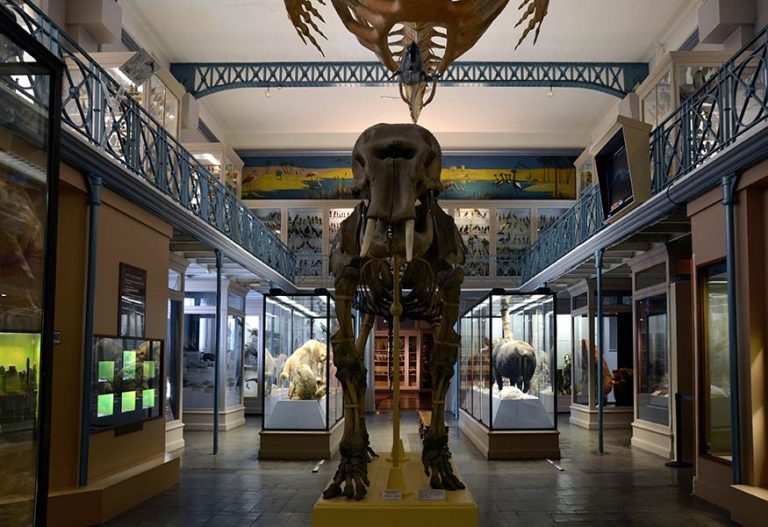
Manuel Segade, director of the Reina Sofía Museum, today presented a preview of the exhibitions that we will see in its rooms in the new year; exhibitions marked, as he explained, by the desire to underline the importance of the body and performative action in contemporary art, by the desire to grant active participation to visitors and to promote exercises to expand the canon of art history, through the inclusion in its program of authors and geographies hitherto relegated.
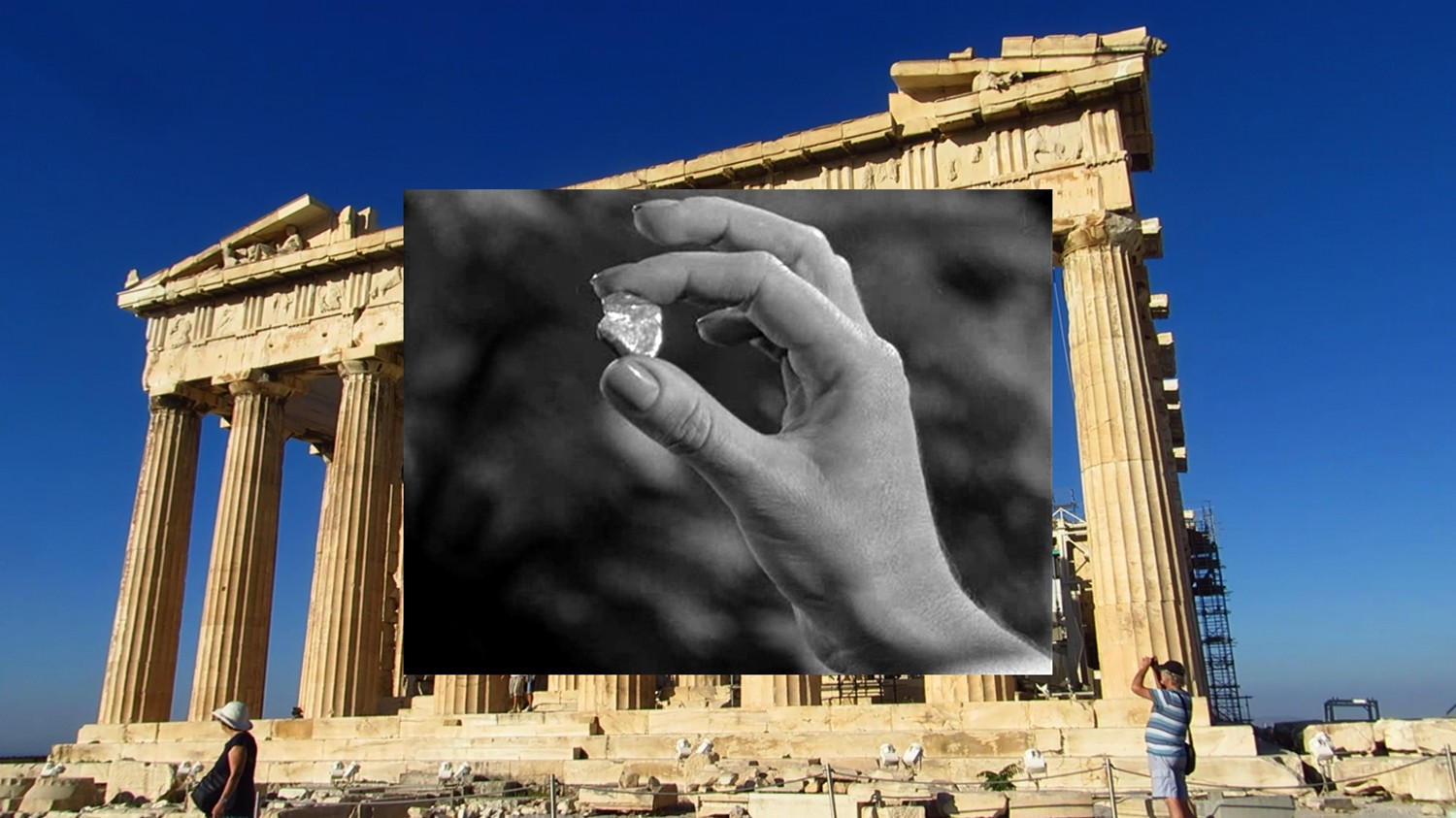
The season will open on September 23, the Canarian Eli Cortiñas, in Space 1 of the MNCARS, intended for exhibition cinema. “The machine dreams of smoke” is part of the center’s invitation to revisit a work that it produced ten years ago and that the Reina Sofía has acquired: The most given of the given. Through meticulous archival work based on found footage, the artist highlights how American adventure cinema – such as the successful film series Tarzan– has determined the popular imagination about African peoples from an otherness linked to a colonial perspective. Added to this video piece, in this project, is a newly produced installation related to the museum apparatus and the current technological devices for the production and dissemination of images.
Using artificial intelligence and image files licensed for commercial purposes, Cortiñas has devised a scenography that denounces the false neutrality of exhibition venues.
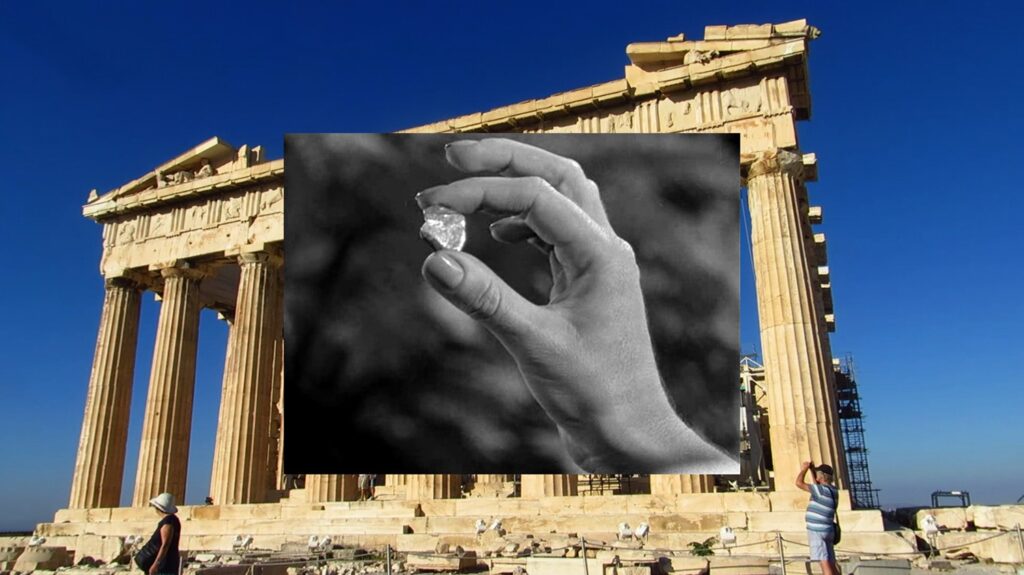
Eli Cortiñas. The most given2016. © Eli Cortiñas, VEGAP, Madrid, 2026
Already on November 11, the Colombian Miguel Ángel Rojas will arrive at the Reina Sofía, whose creation, for half a century, has addressed social issues relevant to his country, from drug trafficking and violence to education, migration, decolonization or the exploitation of natural resources, in addition to his own homosexuality.
In Madrid he will display “La noche”, a proposal in which the darkness refers to the darkness of the projection rooms and the black of the coals with which the artist designs apparent cartographies of eroded territories to denounce the disturbance of the Amazonian landscape due to extractivism, from a perspective halfway between tragedy and an alternative perspective.
We will be able to contemplate a selection of the main works of his career, in which he highlights the contrast between the rescue of popular and native values with the evils caused by Colombian drug trafficking and establishes a relationship of intimacy and closeness with his subjects. Rojas has declared that The human body is the seat, the sensitive place, the place of pleasure, of pain, of desires, of phobias, of conscience, of the mind.
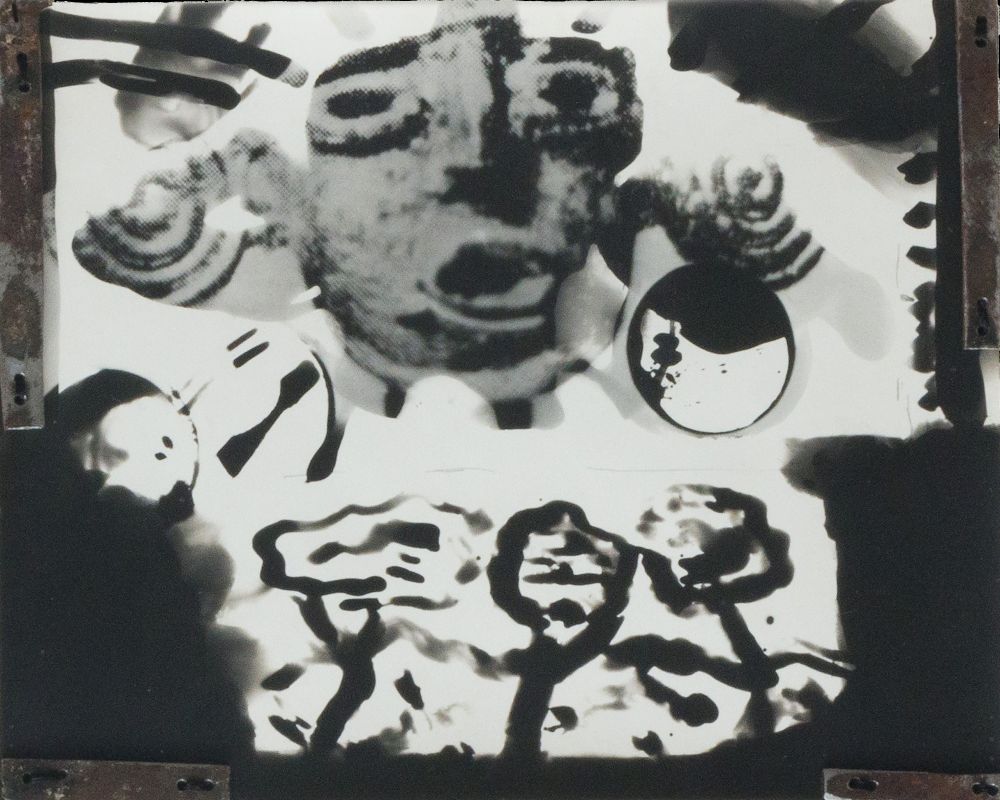
Miguel Ángel Rojas. CHIBCHA LADY1986. Courtesy La Cometa Gallery
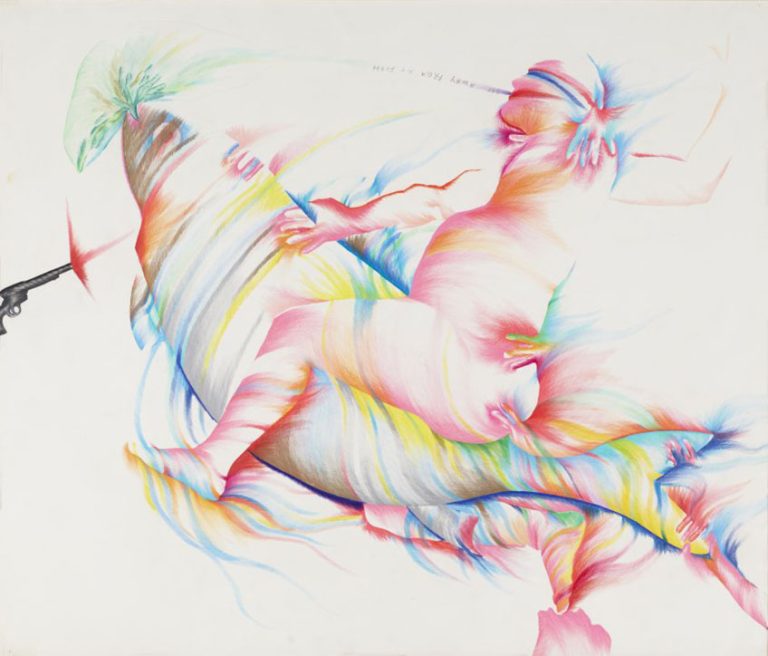
A week later, the Argentine Marta Minujín, winner of the Velázquez Prize a decade ago and author of happenings and installations that usually involve the viewer, will arrive at the Reina Sofía Museum. will present The Menesundaone of his fundamental immersive pieces, originated in 1965, in which the audience had to abandon their contemplative attitude to immerse themselves in a multisensory experience.
Its version in Madrid will be based on studies from the Buenos Aires Modern Museum and will be accompanied by photographs, drawings and various archival materials.
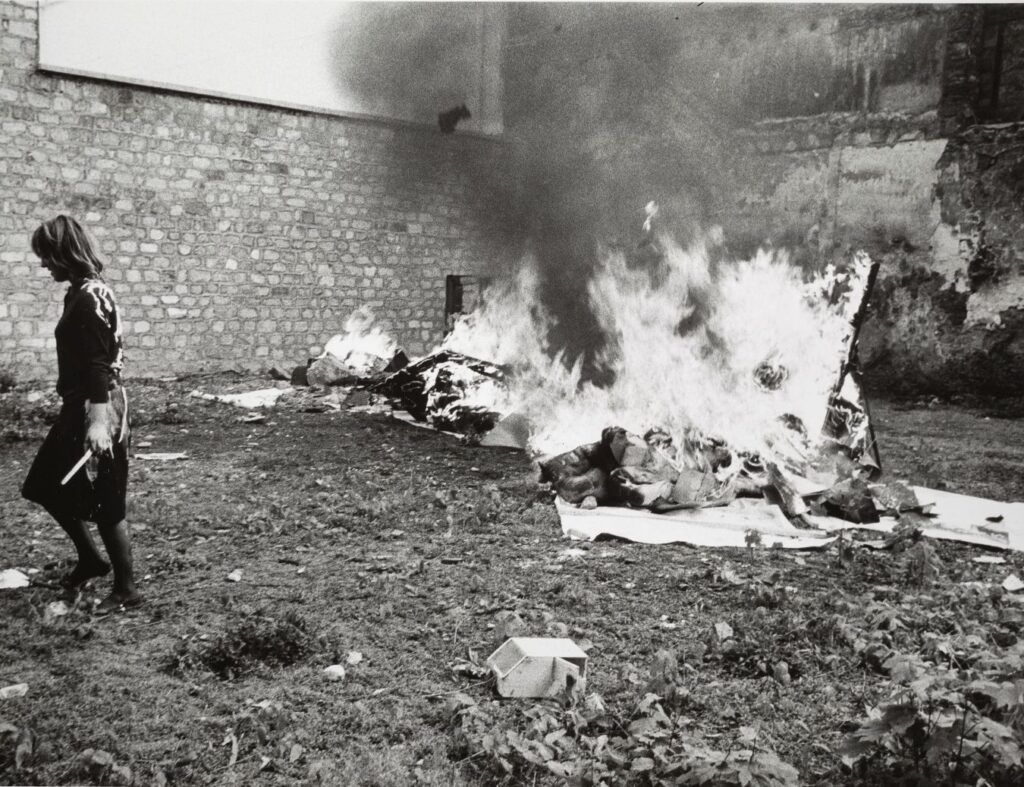
Marta Minujín. The destruction1963. Getty Research Institute, Los Angeles. Gift from the Roy Lichtenstein Foundation in memory of Harry Shunk and Janos Kender. Photography: Shunk-Kender ©J. Paul Getty Trust
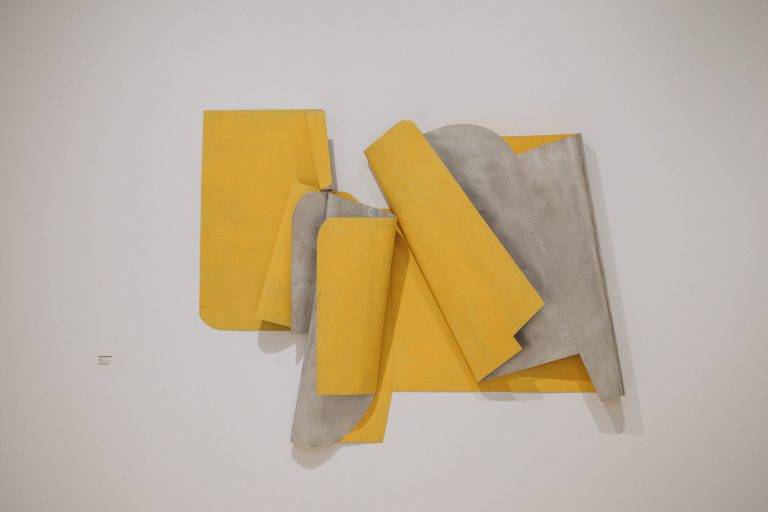
In 2027, the first MNCARS exhibition will be for Anne Truitt, a pioneer of minimalism who explored the limits of perception through line and color, configuring her work from the interaction between the logos of geometric shapes and the magnetic fluctuation of tones. This will be his first European retrospective and comes after his time at the Kunstsammlung Nordrhein-Westfalen in Düsseldorf and the Musée Grenoble.
Another Argentine artist will star in the exhibition starting in March, in collaboration with MALBA: Fernanda Laguna, with “My heart is a magnet.” This author seeks beauty in everyday life and the dissolution of the boundaries between life and creation. We will see his paintings, drawings, collages, embroidery, sculptures, installations and videos, along with notebooks, poetry and novel books and personal photographic material.
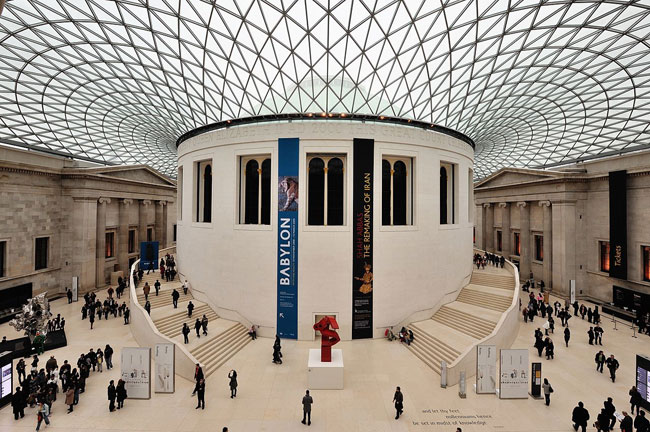
And in the aforementioned opening to neglected geographies, in April the Iranian Monir Shahroudy Farmanfarmaian, who died in 2019 and a master in the conjunction of the abstraction of the New York avant-garde and the patterns, colors and repetitions of Persian art, will visit the MNCARS. Another anthology has been organized about it, co-organized with the Moderna Museet in Stockholm and the Kunstmuseum in The Hague, which will focus on its connection with Sufi philosophical principles.
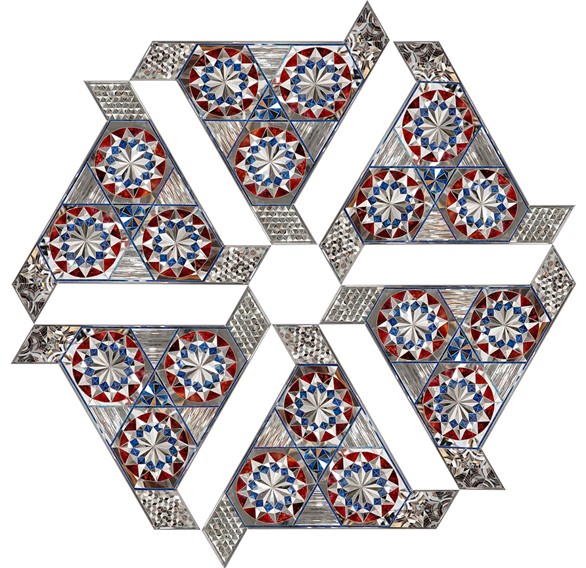
Monir Shahroudy Farmanfarmaian. Group 9 (Convertible Series)2010. Family of Monir Shahroudy Farmanfarmaian
On the same dates, a tour of La Ribot’s creative practice since the nineties will be outlined at the Velázquez Palace. Her distinguished Pieces are brought together, which propose a playing field in museums where the body of the artist and that of the visitors come together.
The exhibition is completed with a nine-hour metaperformance in which these works are activated as a living, continuous and mutable body.
Another retrospective will be presented at the Reina Sofía the same month: that of the South African Marlene Dumas. His paintings, linked to pleasure, violence, mourning or desire, stand out for their psychological intensity and their study of issues linked to identity, emotion and representation. We will be able to see his paintings, drawings and collages dating back to the seventies.
Finally, and on July 8, we will see again at the Velázquez Palace the artist of Filipino origin Pacita Abad, who was forced to leave her country after participating in a student demonstration against the dictatorship of Ferdinand Marcos and gradually settled in the United States, Latin America, Asia and Africa.
Wherever he lived, he denounced injustices in large-format compositions, including paintings to which he applied the textile technique of trapunto: a method of creating quilted and sewn patterns that has its origins in 14th-century Italy.
In the organization of this latest exhibition, the Reina Sofía collaborates with the MUDAM of Luxembourg and the EMMA of Finland.
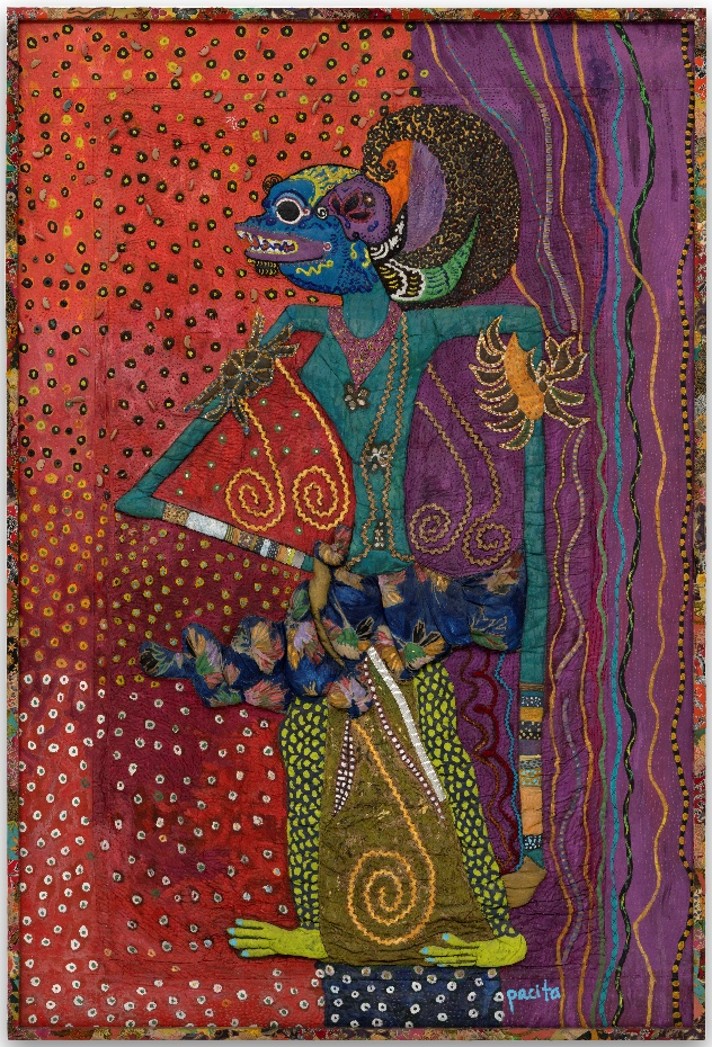
Pacita Abad. Subali1983. Pacita Art Abad Estate Singapore