The career of the German Anne Loch (1946-2014) began in the 1980s in the artistic environment of Cologne, alongside figures such as Rosemarie Trockel, Jenny Holzer and Cindy Sherman, but some time later she decided to radically distance herself from that sphere and live in seclusion in Switzerland. Isolation did not interrupt, however, her creative performance, because Loch is the author of some 1,400 paintings, largely unknown to the general public.
Starting next July 18, the Zentrum Paul Klee in Bern will dedicate its second major individual exhibition to this unique artist in the country where she made her home, after the one held at the Chur Art Museum in 2017. It will include around eighty works, some of monumental format: a yellow flower on a blue background, almost two meters high; a flock of sheep stretching more than twelve feet; a moth on a canvas almost one meter long; the inside of a peony or the head of a crow, enlarged to more than two… He gave animal or plant motifs imposing dimensions. And not only is the size of his individual creations enormous, but also, fundamentally, the scope of his work as a whole: he produced, in just forty years of his career, in addition to those 1,400 paintings, numerous works on paper and photographs. This extensive corpus is preserved, precisely, in Bern.
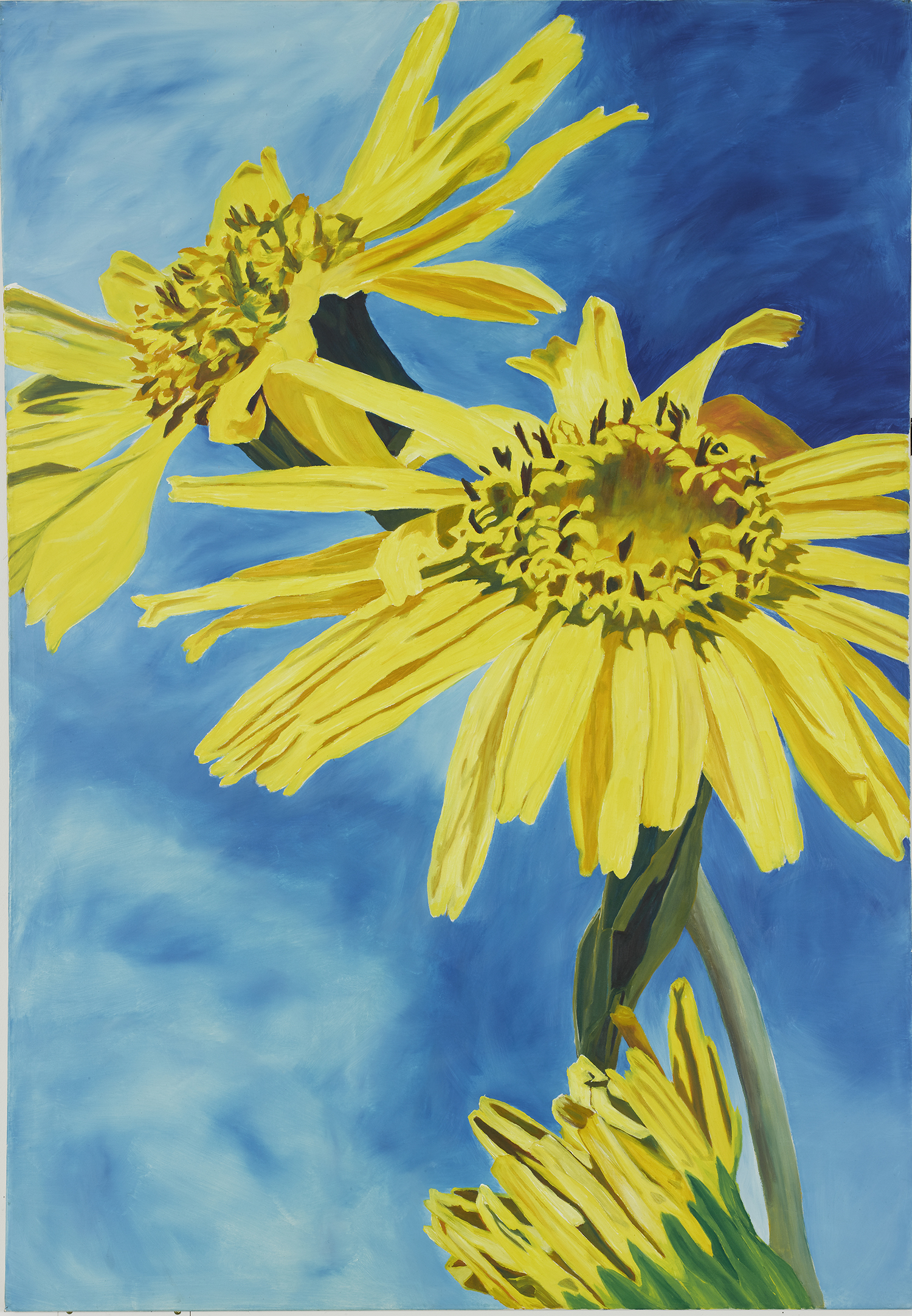
Anne Loch. AL 2061987. Private collection. Photography: Dominique Uldry, Bern
From the cultural scene of Cologne to the Swiss mountains, the start of Loch’s career was very promising. In those early days, she was represented, along with the aforementioned Trockel, Holzer and Sherman, by the prestigious Monika Sprüth gallery, which gave her numerous exhibitions. With his natures and landscapes, he assumed a highly independent position in the context of the resurgence of figurative painting in Germany, and distinguished himself from the gestural and neo-expressionist tendencies of those close to him.
When a successful career seemed assured, in 1988 Loch made a radical turn and retired to Thusis, in the Swiss canton of Graubünden. It was not only a geographical distance, but also a social one: he interrupted his contact with Cologne, and even in Switzerland he maintained regular relations with very few people. However, as we said, he did not stop working: he continued painting tirelessly in private and put together an extensive production in all types of formats, including texts and videos. In this new period he only showed his works occasionally, for example, at the Erika and Otto Friedrich Gallery in the Swiss capital.
With a few exceptions, Loch exclusively painted landscapes, flowers and animals, themes, apparently, among the most conventional and hackneyed in the history of art. He practically excluded human beings from his compositions, in addition to any claim to be rooted in the social present or reference to contemporary world events. She herself wrote in her diary: It comforts me to know that I do not paint an inventory, I do not paint social criticism, I do not paint utopias, nor a critique of society, nor a sociological study… I simply paint lines and their relationship with each other.
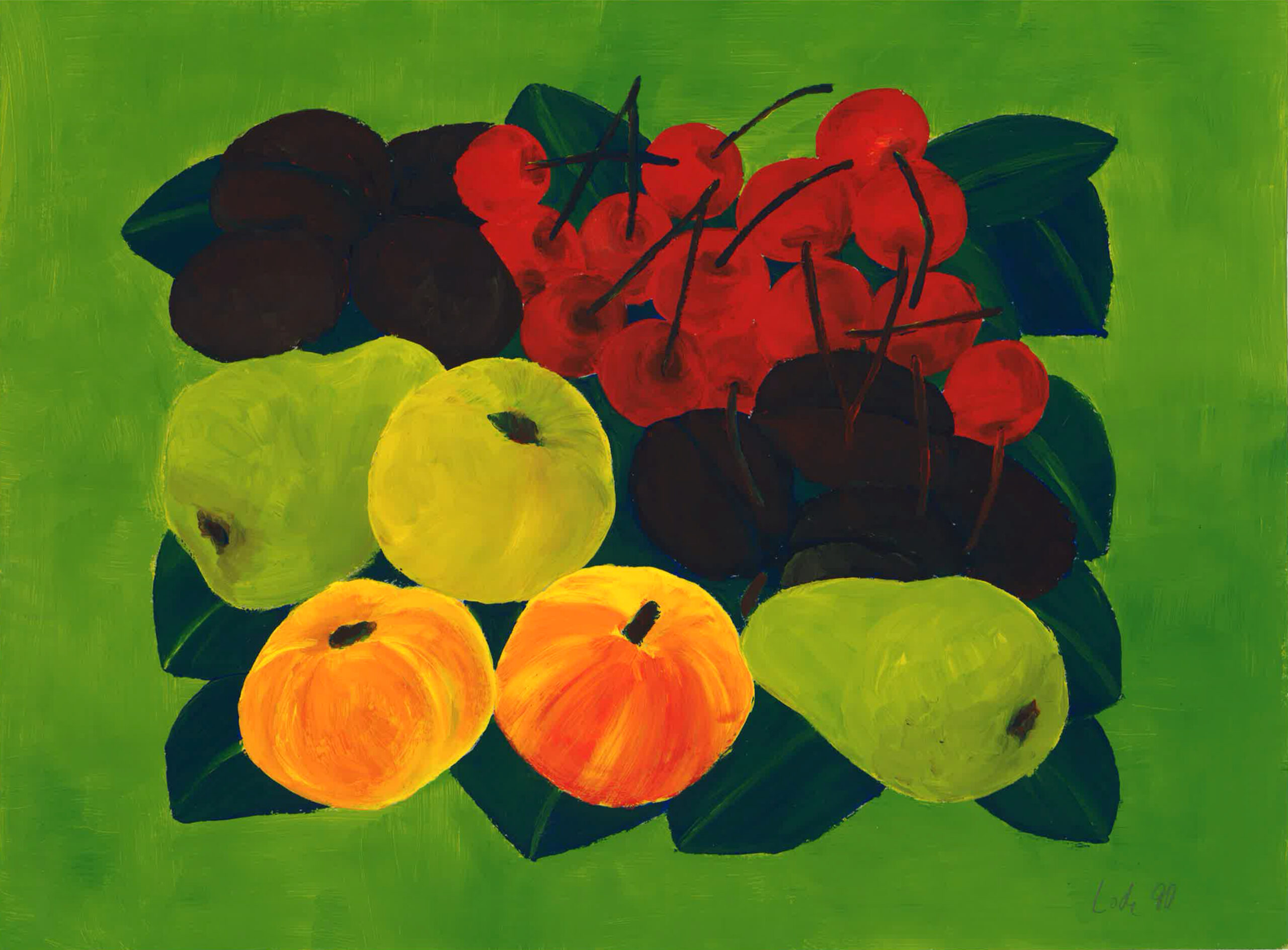
Anne Loch. AL 3561990. Private collection. Photography: Dominique Uldry, Bern
Although his images may approach kitsch at first glance, his legacy is serious and devoid of irony. Through the monumental expansion of its motifs, they lose their link with reality: they do not emanate spontaneity, but rather the most precise planning and construction. Thanks to the German’s extensive photographic archive, it is possible to trace that her works were preceded by preparatory snapshots and that she had already made all the compositional decisions before applying the first brush stroke to the canvas. There is nothing banality about them, despite the everyday nature of their affairs: their fabrics seem unreal—in fact, strange—and their cold artificiality generates a feeling of distance. Seen, precisely, from afar, the colors seem saturated and what is recreated is clearly recognizable, but the closer one gets, the more the representation dissolves and the viewer is immersed in the plot, which in some points shines through the thin layer of paint.
We might be tempted to look for hidden meanings and stories in these monumental motifs, but Loch’s artistic stance is not so much manifested in what he paints as in the way he does it. We return to his confessions: I have no internal stories to tell, nothing wants to come out of me, take shape. This impulse comes to me from my reasons. Just like I need, say, a man’s gaze to feel like kissing him. If it happens, it’s something else: it becomes natural, like painting. In painting there is no longer a reason.
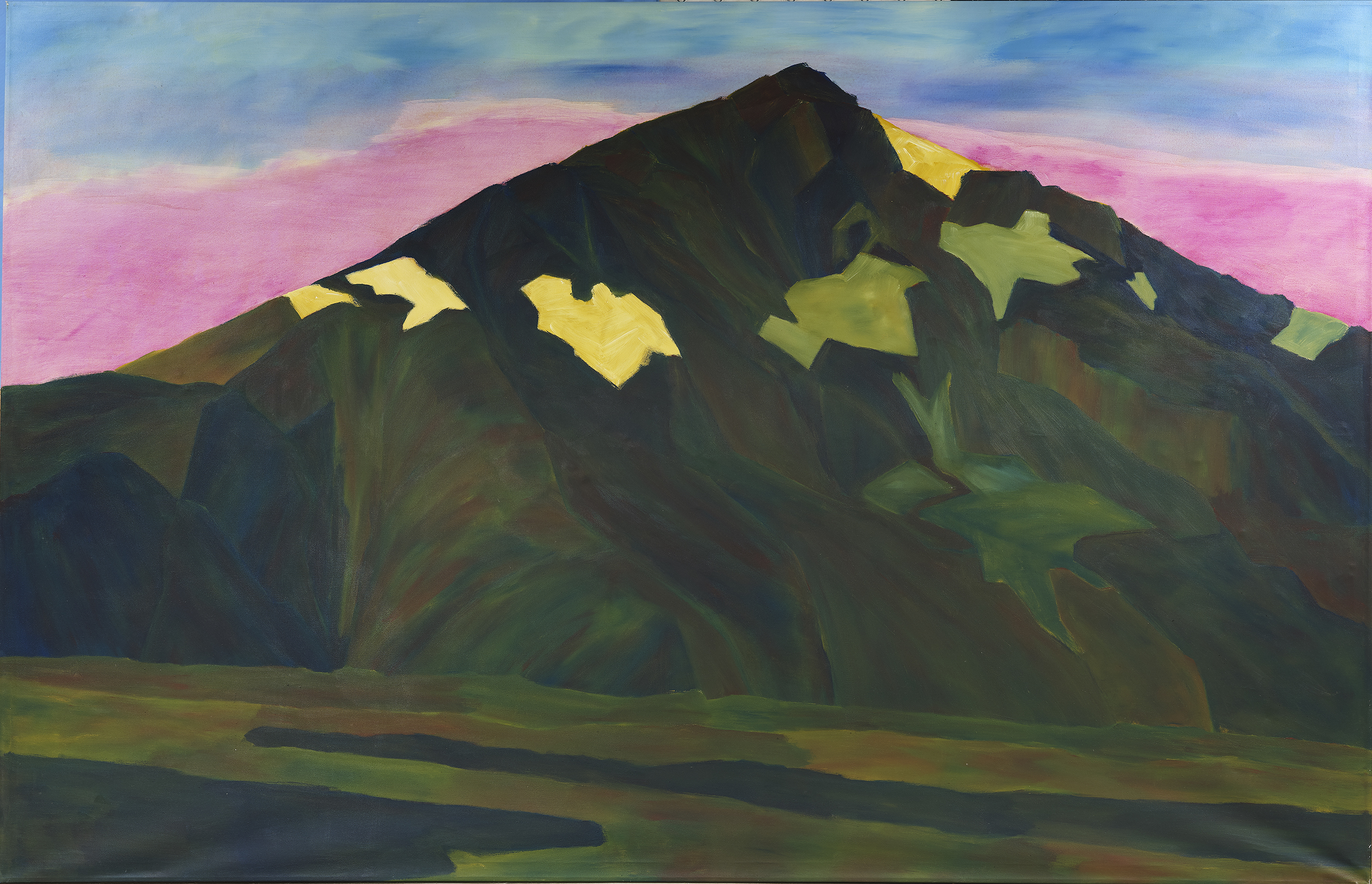
Anne Loch. AL 2131987. Bequest of Anne Loch. Photography: Dominique Uldry, Bern
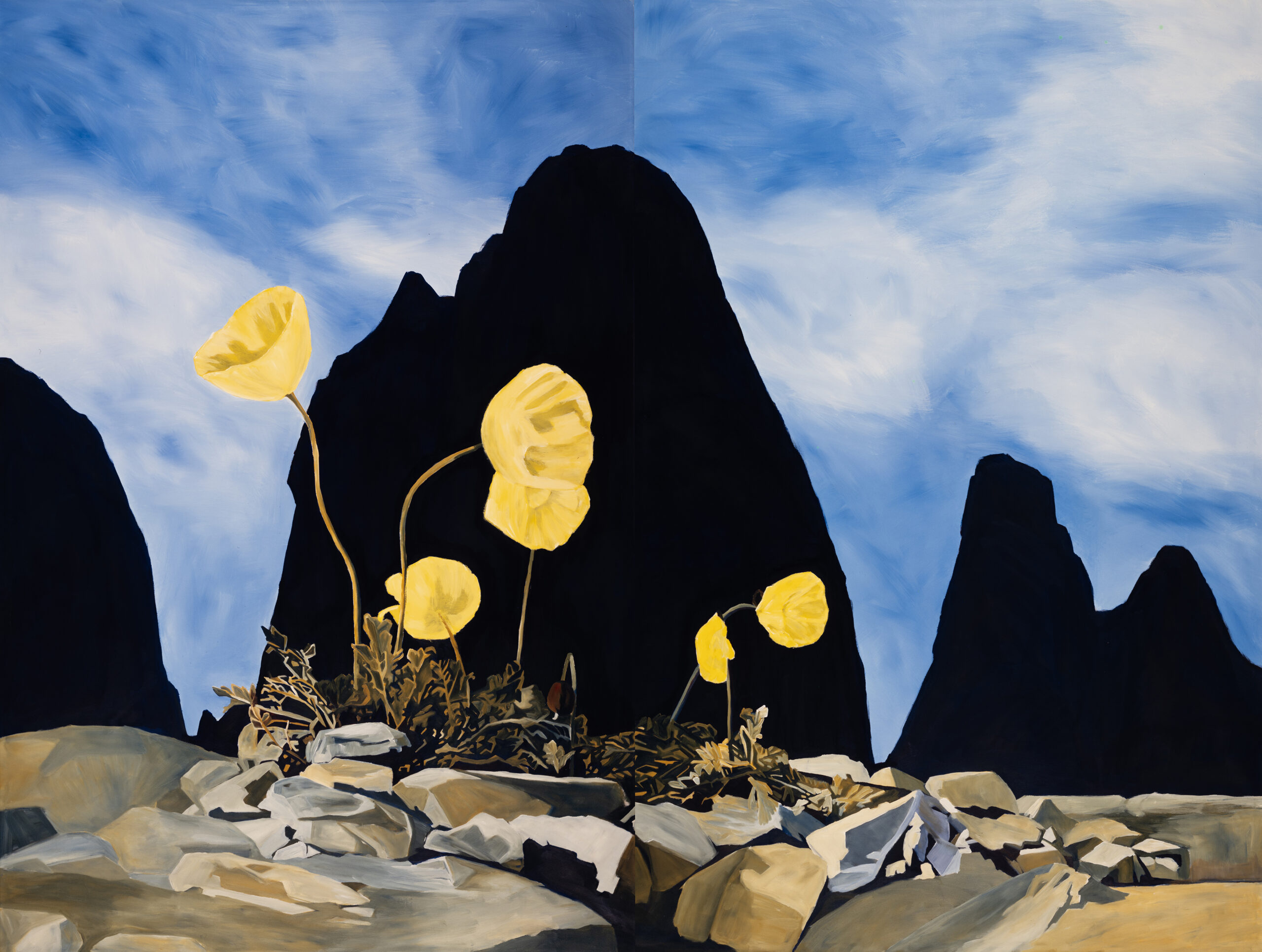
Anne Loch. AL 2351987. Legacy of Anne Loch. Photography: Dominique Uldry, Bern
Since the objects and beings he paints lose any connection with their real counterpart, his compositions cannot be classified as abstract or figurative, as a testimony of what is real or what is dreamed. He conceived the pictorial discipline as an autonomous way of seeing and experiencing, rather than as a mere representation, reliable or not, of the world. Hence, the current interest in Loch’s work lies, to a large extent, in the fact that it does not provide answers, but is born to raise questions: about the status of the image, the reliability of the vision and the deliberate avoidance of offering meanings.
Among the few people with whom he maintained contact after settling in Switzerland were André Born and Peter Spahr. It was they who, after her cancer diagnosis, cared for her until her death and to whom she bequeathed her creations, which is why the artist’s collection is today in Bern.
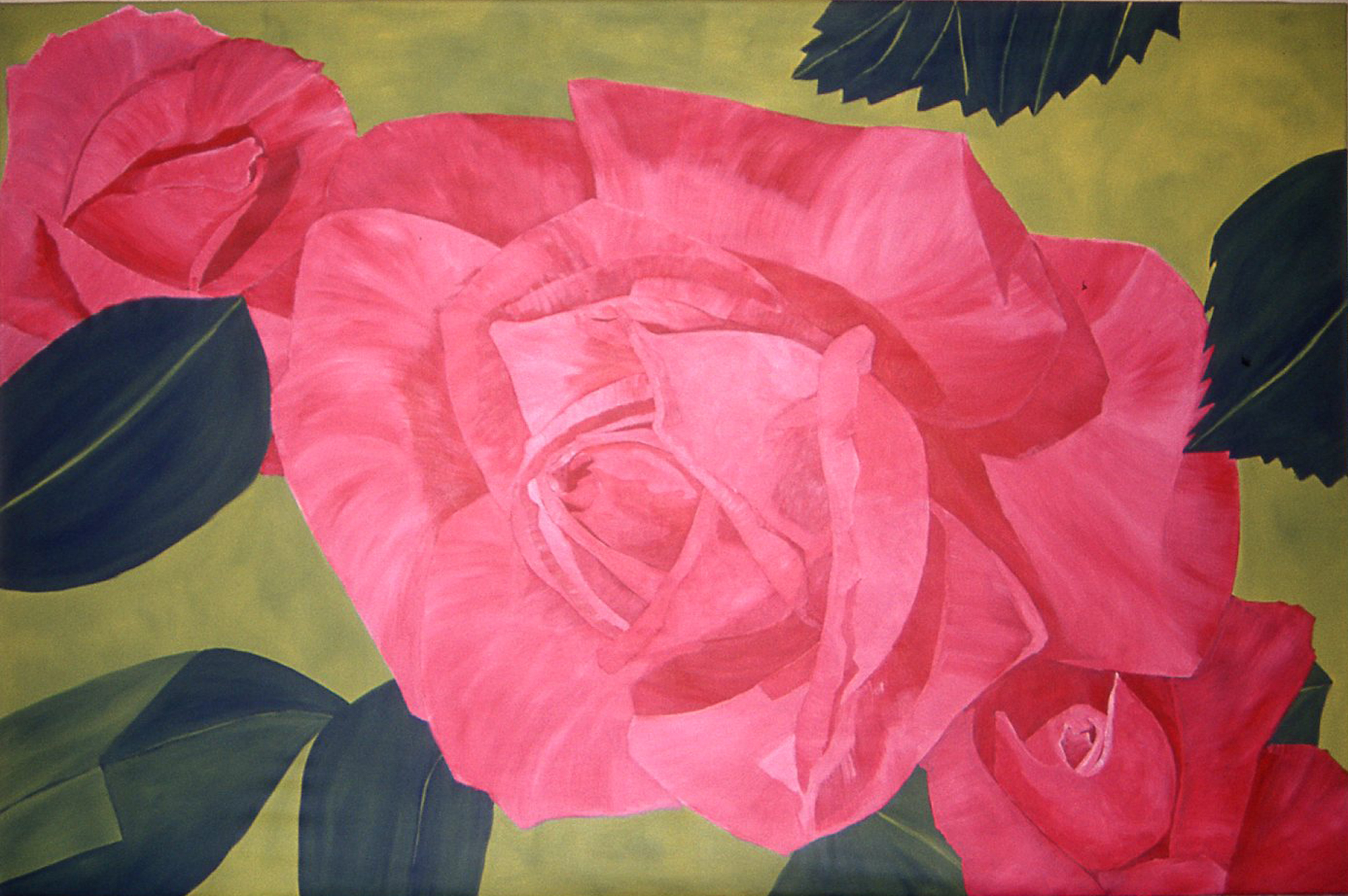
Anne Loch. AL 2791989. BKW Energie AG Bern. Photography: Dominique Uldry, Bern
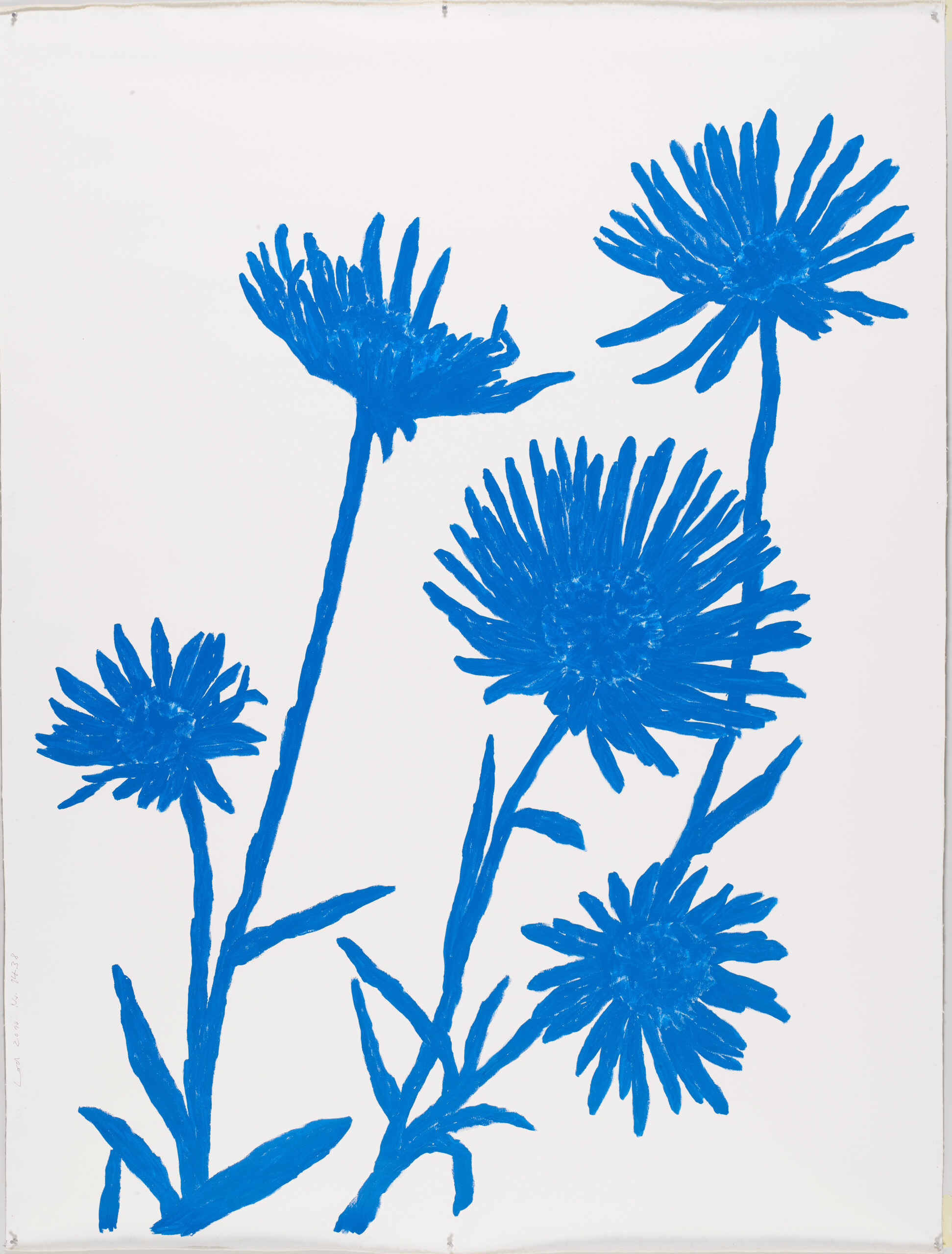
Anne Loch. AL 14382010. Legacy of Anne Loch. Photography: Dominique Uldry, Bern
«Anne Loch. Malerei: Na und?»
ZENTRUM PAUL KLEE
Monument im Fruchtland, 3
Bern
From July 18 to September 20, 2026