The first extensive exhibition that studies pictorialism as a photographic movement with global reach has just opened its doors at the Tate Modern in London. Under the title “Light and Magic”, it will review how, four decades after the emergence of photography, starting in 1880, pictorialism transformed the discipline – until then, a documentary tool – in order to achieve its recognition as a fully artistic activity, not only in the known contexts of Europe and North America, but also expanding the geographical and chronological understanding of this movement to South America, Asia and Australia and also until the sixties of the last century, in the face of the established consideration that diluted in the twenties.
Transcending, therefore, the usual approaches, and being structured in four thematic chapters, this exhibition has two hundred vintage prints by eighty authors, from established figures (Ilse Bing, Langdon Coburn, Max Dupain, Adolph de Meyer, Aleksandr Rodchenko, Alfred Stieglitz, Paul Strand, Josef Sudek or Weston) to a large number of photographers who will be a discovery for the public in Great Britain (we can highlight the Chinese Long Chin-san and Luo Bonian, or the artist of Indian origin Shapoor N. Bhedwar). The purpose of this project is, therefore, to invite us to contemplate pictorialism as a more plural movement in styles, motifs and techniques than what we usually observe, in relation to these disparate contexts, and also to influence the expressive potential of the camera from a very early period, then under the obvious influence of painting.
The pictorialist photographers of the last decades of the 19th century strove to create images as imaginative, expressive and technically elaborate as any canvas or drawing: they experimented in the darkroom and in the studio, in the city and in their own homes, in works in which beauty and the generation of subjective atmospheres were not accidents, but objectives. The exhibition features the delicate portrait The Awakening (1903), by the British Emma Barton, and with imaginative landscapes that picked up that tradition half a century later, such as Pavilion Fairylandby Long Chin-san, which draws on the visual language of traditional Chinese ink painting.
Luo Bonian. Drawing water from a well1932. Tate
The second section of the tour examines the methods of creating these photographic prints. The pictorialists adopted sophisticated printing techniques and a wide variety of papers as supports to turn each image into a particular aesthetic object. Through pairs of works, the repercussions of the choice of one or another developing and printing processes on the final result are illustrated here, from platinum printing to bromoleum, carbon (carbro), the Fresson process, photogravures… We must remember A Norfolk Boat-Yard (1886), by Peter Henry Emerson, controversial at the time for its combination of several negatives.
In addition, a working darkroom will allow visitors to learn up close, on selected days, the complex processes used to develop and print, and we are also invited to participate in the rise of studio photography, in which photographers used elaborate sets, costumes and theatrical staging to articulate carefully constructed and very difficult to reproduce images. We are shown in London portraits of leading British figures – including works by Bertram Park, Yvonne Gregory and Cavendish Morton – as well as color prints using the Vivex process, belonging to the series Goddessesby Yevonde, a pioneer in the use of the palette. Both pieces illustrate the spirit of experimentation and innovation that endured in this movement, which today we associate, however, with classicist tendencies.
A significant portion of the exhibition examines the links between Pictorialism and the societies, photography clubs and salons that shaped the international development of the movement. These cosmopolitan networks brought together photographers to exhibit and publish their works, encouraging the exchange of ideas, techniques and creative influences beyond borders, which were not so easily circumvented at the time. Special attention is paid to the Royal Photographic Society of London and the stories – recently rescued – from various international photography clubs, such as the Guangshe in Shanghai, The New Line Group in South Korea or the Photographic Society of Singapore. Hard-to-find books, magazines and periodicals published by some of these groups have arrived at the Tate Modern: they reveal the vibrant print culture in which, around the turn of the century, photographic ideas circulated and took shape on a global scale. There is no shortage of copies of Camera Workthe monthly magazine Shashinkai (from the 1920s) and USSR in Construction (from the 1930s), among other publications.
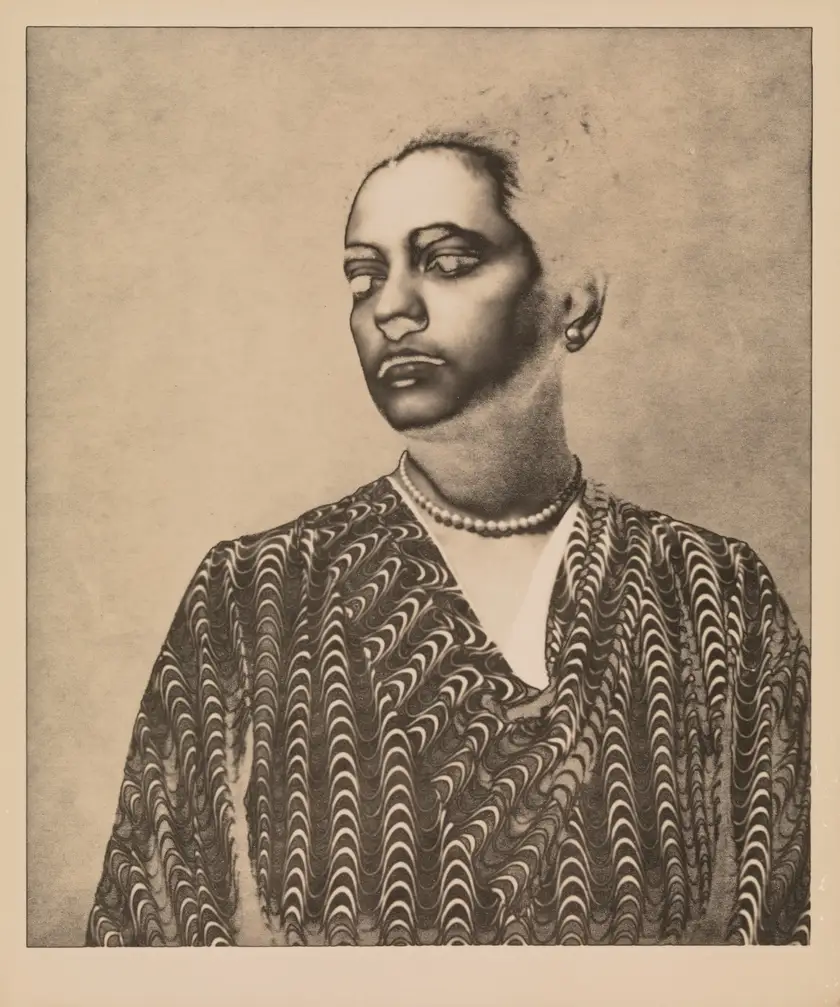
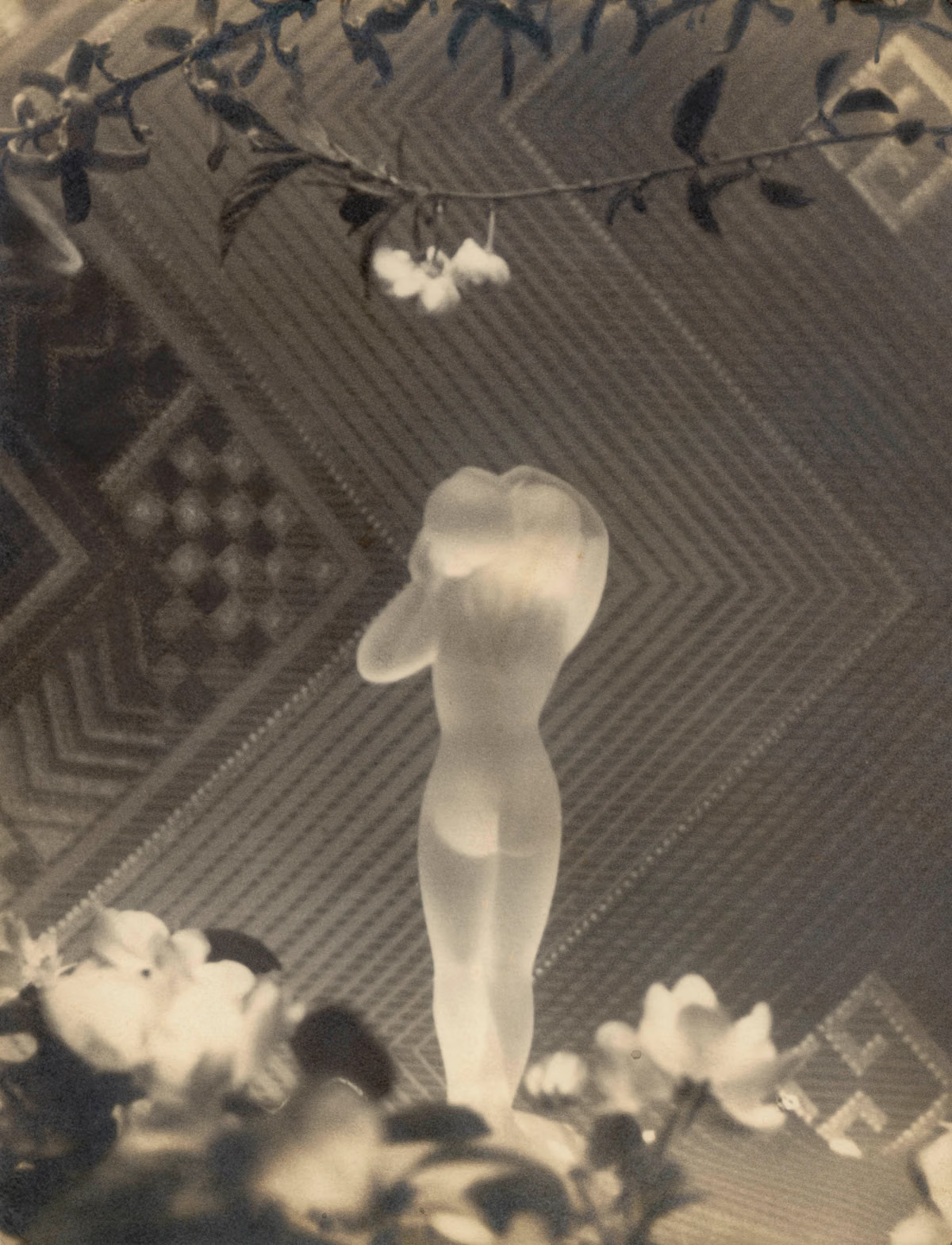
Lionel Wendt. Untitled, circa 1933-1938. tate
The final section of the exhibition reconsiders the links between pictorialism and modernity, starting from compositions by the Sri Lankan author Lionel Wendt—including his solarized portraits from the 1930s—or those by the Japanese Shigeru Onishi, whose experimental pieces from the 1950s demonstrate the constant dialogue of that movement with later visual languages. Likewise, the evolution of the practices of three of the main American modernist photographers – the aforementioned Steichen, Strand and Weston – is explored, whose careers served as a bridge between both movements; we will see Cousin Carnera (ca. 1922), by Steichen, or Miss Thomson, New Mexico (ca. 1922), by Strand.
This exhibition reveals that the human face was one of the camera’s favorite subjects, also for these authors, and that they took on the challenge of transforming this genre into something more: into a testimony that revealed the personality of the model and told a story. Also that dancers and photographers formed a perfect combination: modern dance sought to liberate the body and claim its place among the arts, while pictorialist photographers provided the images through which new forms of movement—and of observing body movement itself—were disseminated and understood. We should not miss the scenes of Soichi Sunami, linked to the Seattle Camera Club and collaborator of Martha Graham.
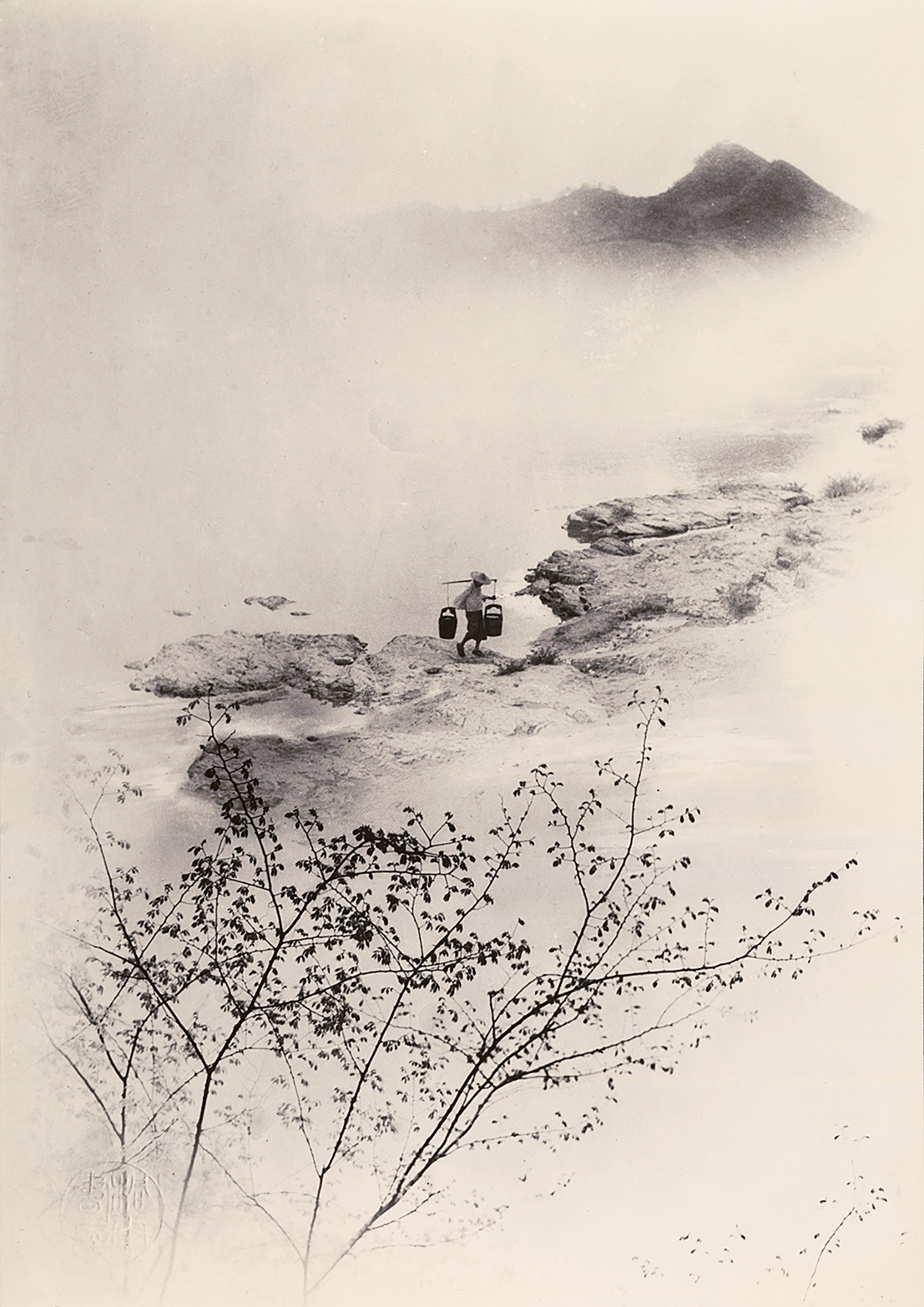
Lang Jingshan. Riverside Spring1942. Victoria and Albert Museum
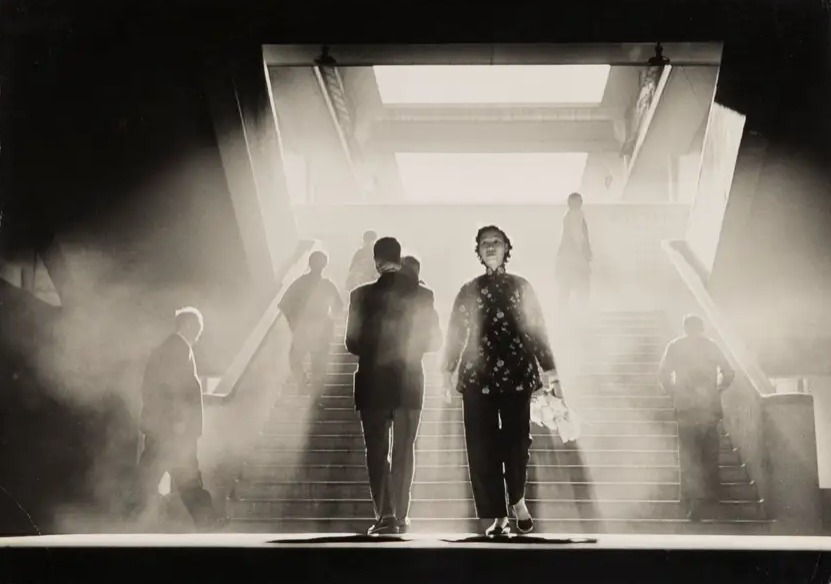
Ho Fan. Smoky World, 1959. M+, Hong Kong © Estate of Ho Fan
«Light and Magic: The Birth of Art Photography»
TATE MODERN
Bankside, SE1 9TG
London
From October 14, 2026 to February 21, 2027