Rome. With the end of the summer season, the Italian Ministry of Tourism draws an initial assessment. It is not yet final, but the first figures collected give rise to a traditional exercise in glorifying the country of La Dolce Vita in this sector essential to its economy. An exercise all the more obligatory as Giorgia Meloni is up for re-election next year as President of the Council. The Ministry of Tourism thus prides itself on the title of “European queen” in the sector for the peninsula, which would be ahead of Spain, France and Greece, its major competitors. He boasts a “summer of all records”.
Italy has certainly stocked up on the major online reservation platforms (OTA). With an accommodation occupancy rate of 58.9% over the season (and 58.5% in August), it displays an online reservation rate higher than those of Spain (52.2%) and France (42.8%). In July, La Botte recorded around 1 million additional arrivals and 4 million additional overnight stays compared to July 2025, i.e. + 4.5% for arrivals and + 4.4% for overnight stays. A great performance which, however, does not mean that it welcomes more tourists in total than France or Spain. These figures simply show that, proportionally, its online accommodations have been preferred and its tourism activity continues to grow.
The rhetoric of the Italian Ministry of Tourism is essentially based on figures from Eurostat (the Statistical Office of the European Union) for the second quarter of 2026, Italy having actually recorded more tourist nights than Spain with 148 million compared to 142 million. The Iberian Peninsula, however, remains in the lead in the first half of 2026 with 222.8 million overnight stays compared to 219.5 million for its Italian rival. France climbs onto the third step of the podium with 193 million overnight stays. The figures allowing us to compare the tourist activity of the three countries during the summer of 2026 (from June to August) still remain unknown. Eurostat has so far only provided harmonized data for the 2nd quarter. The complete report for the 3rd quarter, including campsites and the heart of the summer period, will not be released in France by INSEE until November 19.
A new tourist geography
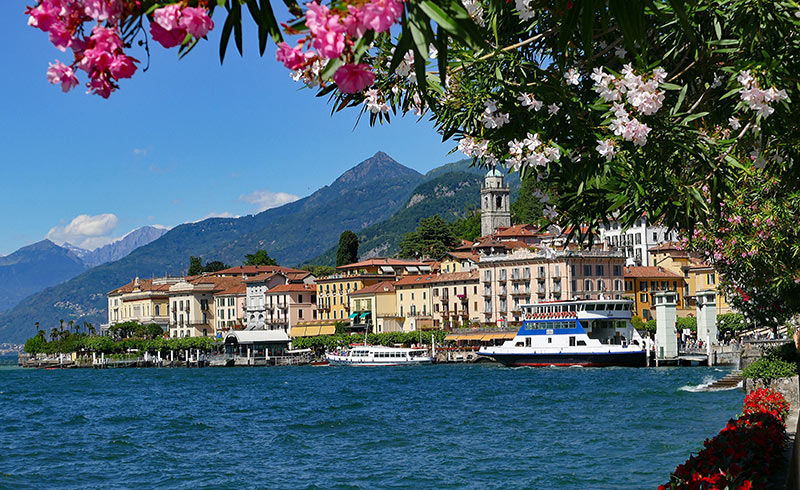
But it is not so much changes in figures or places in tourist attendance rankings that will characterize the summer of 2026. Prolonged and repeated heatwave episodes profoundly change the behavior of vacationers. Historically popular in July and August, the southern regions and the historic centers of art cities are bearing the brunt of the effects of suffocating temperatures. Although Sardinia or Sicily still remain popular destinations, the mountains record the highest occupancy rate for tourist accommodation (78.4%), followed by seaside resorts (74.3%) and lakes (71.9%). We are witnessing a real redistribution of the tourist map. The Italian Alps, the Dolomites, as well as the green regions of the North such as Trentino-Alto Adige or the Aosta Valley are recording a spectacular increase in reservations. Likewise, the large lakes of the North (Lake Garda, Lake Maggiore, Lake Como) are enjoying great popularity. To maintain their attractiveness, the southern regions are gradually reorienting their promotion towards the mid-seasons, encouraging visitors to favor spring or autumn.
Rising temperatures are also pushing tourist sites to rethink their offerings. In major cities of art like Rome or Florence, more and more visits are now organized early in the morning or late in the evening. Nighttime visits to emblematic sites such as the Colosseum, Castel Sant’Angelo or the Pantheon in Rome but also the archaeological park of Pompeii have an attendance rate close to 100%. During the nighttime openings of the Valley of the Temples of Agrigento, in Sicily, evening attendance represents up to 30% to 40% of the total daily admissions on hot days.