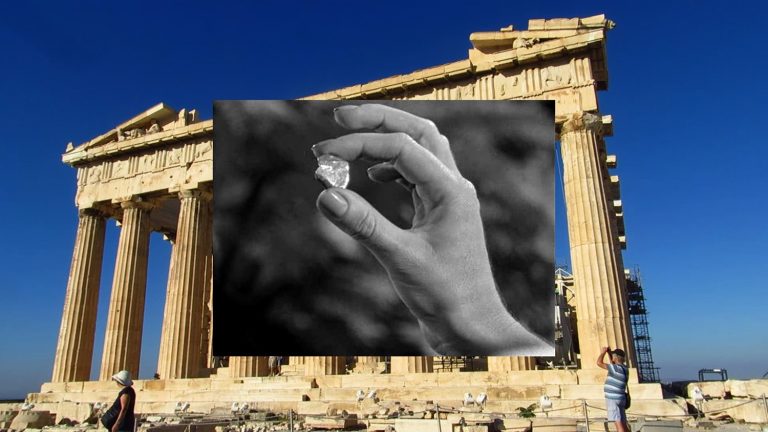
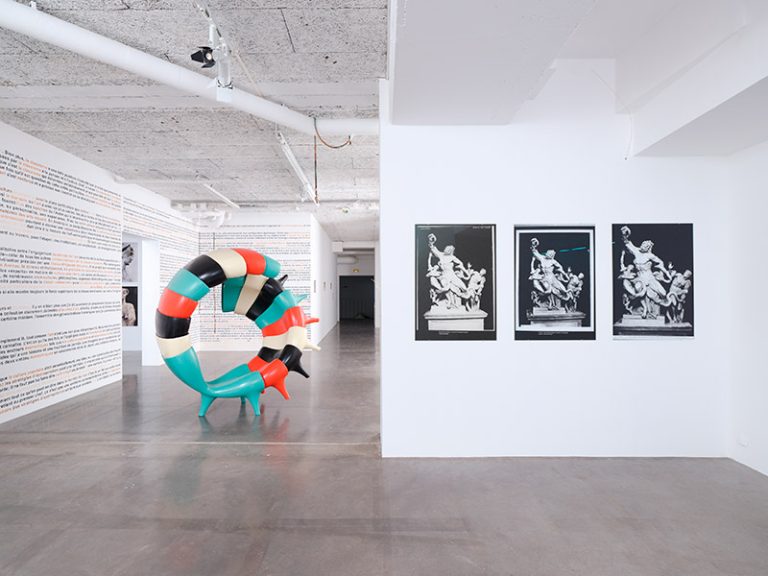
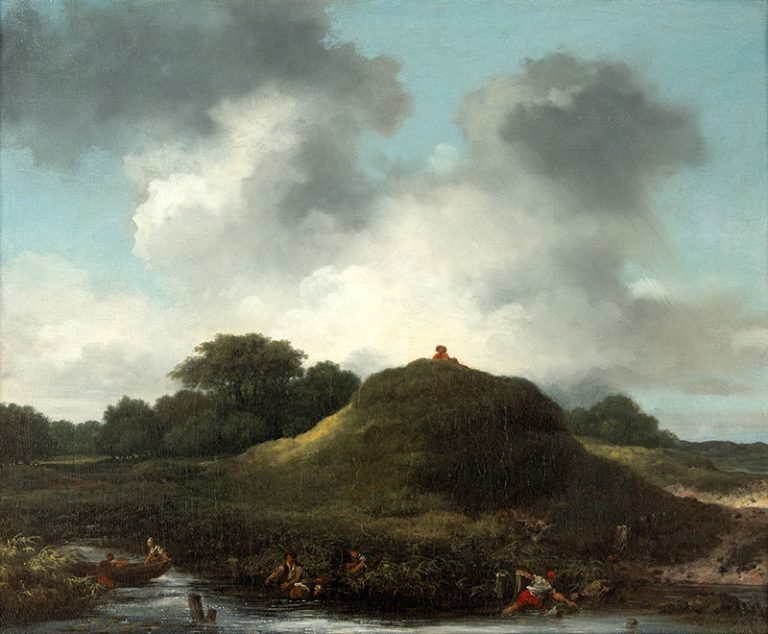
Next year it will be ten years since the Greek Jannis Kounellis died in Rome, who precisely took his first creative steps, as a painter, in the Italian capital. At first he represented letters and graphics on unusual materials and, later, he wanted to go beyond the painting as a support and incorporate found elements, including living beings or organic substances, while replacing the fabric with metal plates that will become the main surface of his compositions. From his earliest stage, in the middle of the 20th century, this author from Piraeus sought to put opposing materials and textures in tension, and that same path, since the sixties, would lead him to create sculptures, installations and performances with a theatrical echo in which the fragmentary and ephemeral could have a place; It was then that he became one of the essential names of the povera current. His participation in the exhibition “When Attitudes Become Form”, curated by Harald Szeemann at Kunsthalle Bern in 1969, and in several editions of Documenta and the Venice Biennale, contributed to this projection.
Under the curator of David Barro and after passing through Es Baluard Museu, the CGAC of Santiago de Compostela offers the exhibition “Labyrinth without walls”, which invites us to understand his production as an intricate journey through time conceived by someone who was, at the same time, an ancient man and a modern painter; an artist with an archaeological vision who offered, with rather everyday wickers, a critical rereading of the past conveyed with a personal and radically contemporary language.
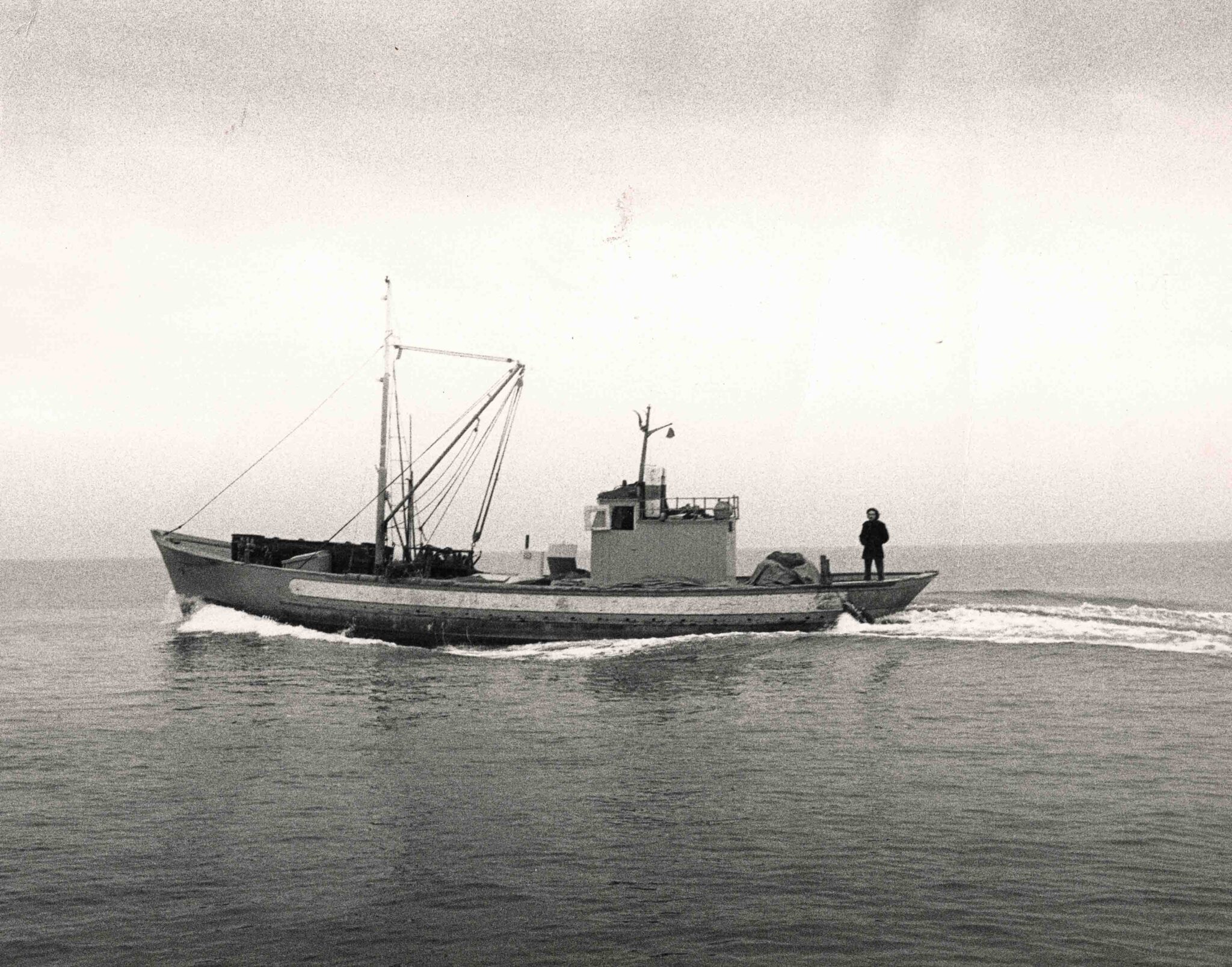
Jannis Kounellis. Labyrinth without walls. CGAC, 2026
The exhibition is populated with objects that refer to travel, migration and maritime means of transport, which were fundamental for the development of globalization, but which have practically fallen into disuse: it is possible to read in Kounellis the melancholy for the loss in the industrial era of what these movements had that was poetic, of emotional transit beyond the physical.
The main installation of this project will be composed of nine Venetian sails that will form a kind of fan and that allude to the memory of past navigations: due to their dating – from the 17th century to more recent times – they are a symbol of the cultural heritage of Venice and the ancient power of the Serenissima around the Mediterranean, but they also harbor a nostalgia not exempt from revisionism regarding the transformation of marine trade towards a gradually smaller footprint of the individual in this activity. These sails, which were presented for the first time at the Venice Biennale in 1993, are paintings that remind us how in ancient times sailing ships were decorated with marks that identified them and their crew, often with shapes to which spiritual protection was attributed; in the exhibition they therefore suggest a lament and a tribute, the reminder that every story is important.
The CGAC will also receive another series of works with candles that Kounellis made later, well into the 21st century, reusing old white Mallorcan cotton examples and other Italian ones in bright tones that he twisted with baroque airs. Tensed and folded on steel frames, these sails, which we will see folded and with evidence of their use, keep the memory of their previous life at sea: thus using materials loaded with meaning as soon as we investigate, the one from Piraeus wanted to emphasize the importance of the human imprint on the objects, but also a reflection on the allegorical and intimate possibilities of the pictorial medium.
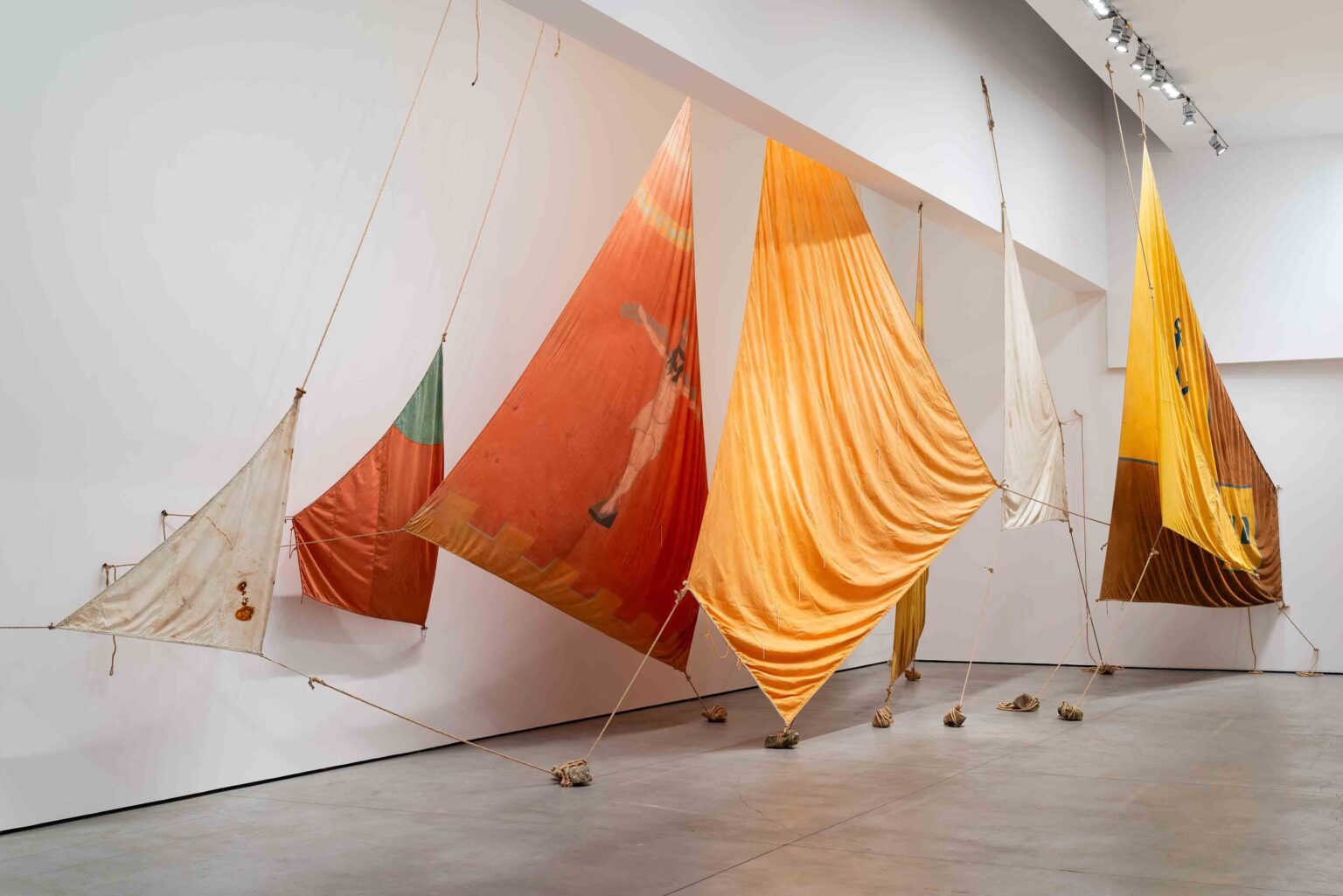
Jannis Kounellis. Labyrinth without walls. Es Baluard Museu, 2026. Photography: David Bonet
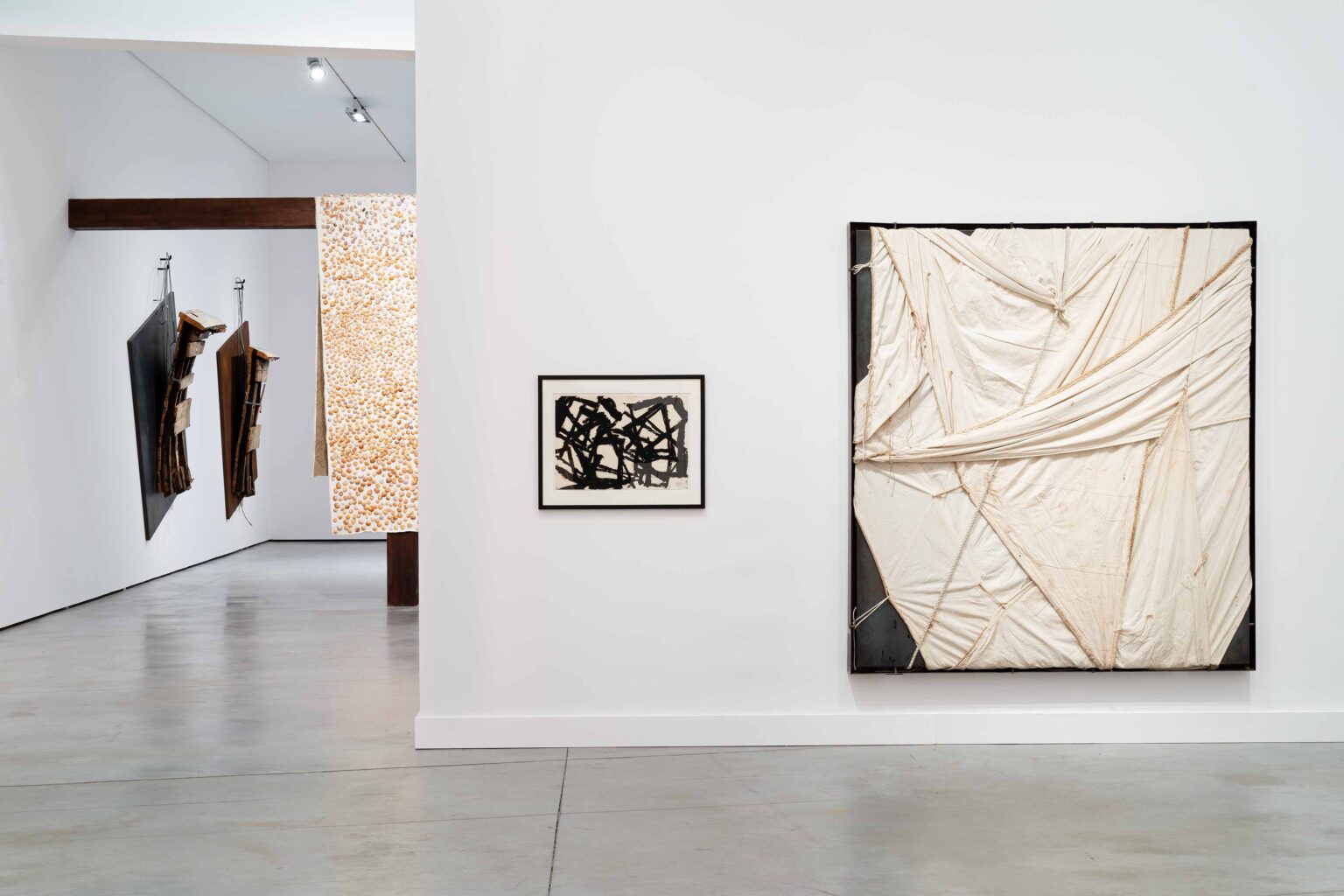
Jannis Kounellis. Labyrinth without walls. Es Baluard Museu, 2026. Photography: David Bonet
That was also his intention in the series. Albatross (2001), a set of works composed of broken sections of a wooden ship that we will see hanging suspended in front of inclined steel plates, suggesting the wear and memory of naval instruments. They are displayed next to an enormous fragment of the side of the same boat, to which the eyes are directed by a vertical forcefulness that points to the weight of the past and a drama that must be deciphered: Kounellis’ supports always shelter messages, the density of history in relation to what it means to be human. Indeed, the remains of a sinking here make up more of a monument than a tragedy.
Remembering his childhood in Piraeus, so linked to myth and classical heritage, the artist explained that there is no neutral tradition and that every trip potentially announces a labyrinth of experience. A new imitation of the centuries. The commissioner states that in his legacy there is always a demand for something about to be shipwrecked: It is not difficult to think when visiting this exhibition about the epic of maritime transport, the social problems of ports, pain or their burden of adventure, themes that also concerned Kounellis in his writings. They are works produced with few elements, always with materials from the world that function as windows or doors that allow us to intuit and frame landscapes that only visionaries can explore. Each material is an idea and the labyrinth is thus a time capsule, a double commitment by the artist to refloat the most subterranean world of matter.
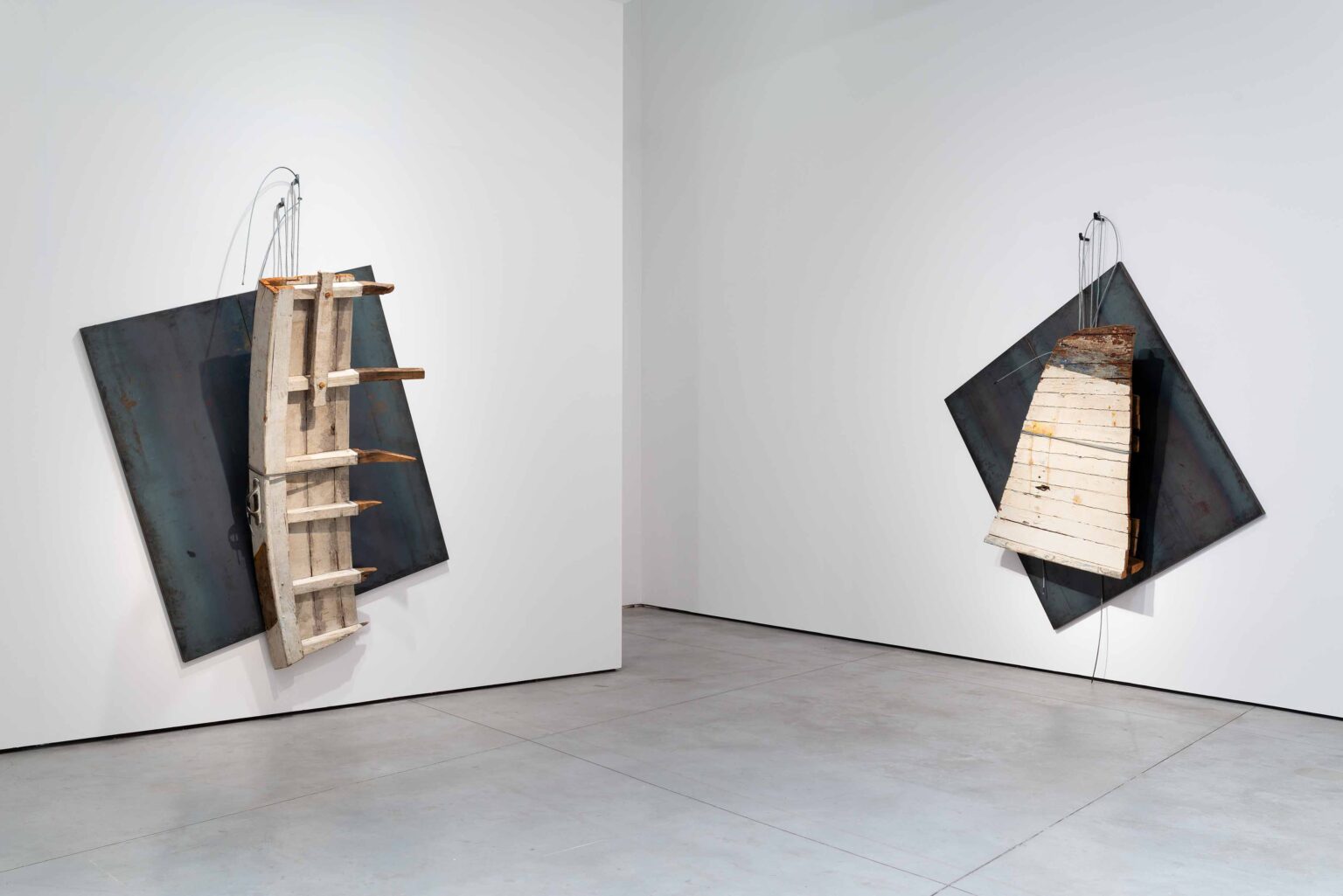
Jannis Kounellis. Labyrinth without walls. Es Baluard Museu, 2026. Photography: David Bonet
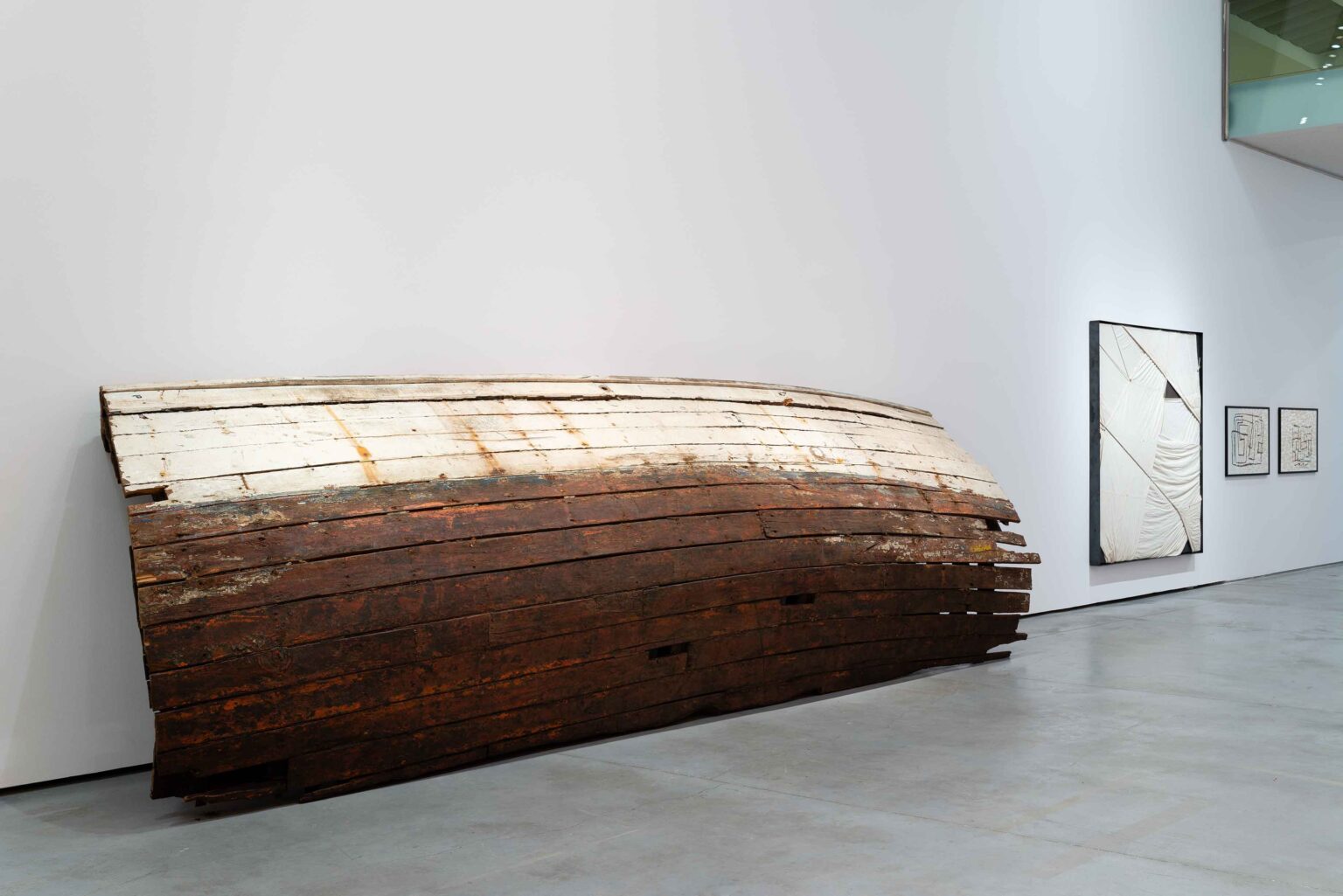
Jannis Kounellis. Labyrinth without walls. Es Baluard Museu, 2026. Photography: David Bonet
«Jannis Kounellis. “Labyrinth without walls”
GALLEGO CENTER OF CONTEMPORARY ART. CGAC
Rúa Valle Inclán, 2
Santiago de Compostela
From September 25, 2026 to January 24, 2027