There are less than two months left until the Museo Picasso Málaga opens, on October 30, what will be its great autumn exhibition: “Munch-Picasso”. Organized together with the Munchmuseet Oslo and the Almine and Bernard Ruiz-Picasso Foundation (FABA), and curated by Paloma Alarcó, it will be the first to propose a dialogue between the productions of both, contemporaries in most of their careers – just under two decades separate their births.
Based on a hundred compositions, including paintings, drawings and engravings, the affinities that can be found in their respective journeys will be analyzed and how both contributed to the avant-garde transformation of artistic language, making their particular emotional experiences one of their main creative engines.
Without seeking to put on the table a relationship of direct influence that is difficult to establish, this exhibition will be a journey through the shared themes and concerns that structured the work of the Norwegian and the Spaniard: love and desire, illness, life and death, loneliness or existential anguish in times of turbulence. The female figure played an essential role in the symbolic universe of both: admired and desired, they are also revealed in their works as complex and ambiguous presences, in relation to the emotional and psychological tensions that determined the imagination of both artists and their very existences.
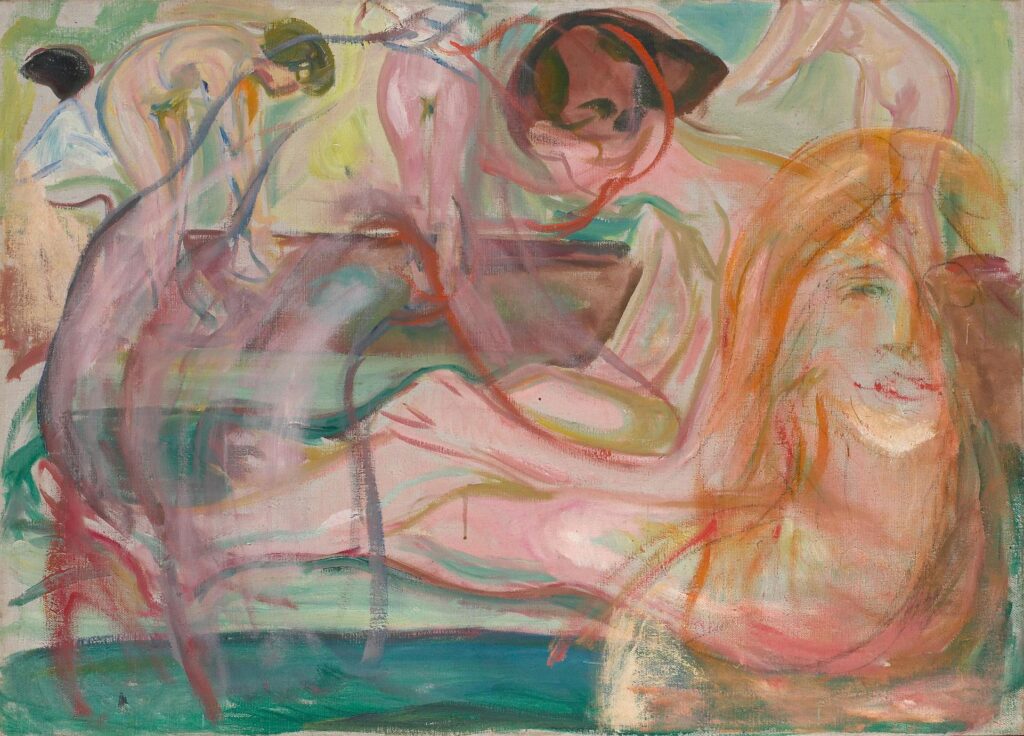
Edvard Munch. Women in the bathroom1917. Munchmuseet, Oslo © Munchmuseet / Photography: Ove Kvavik
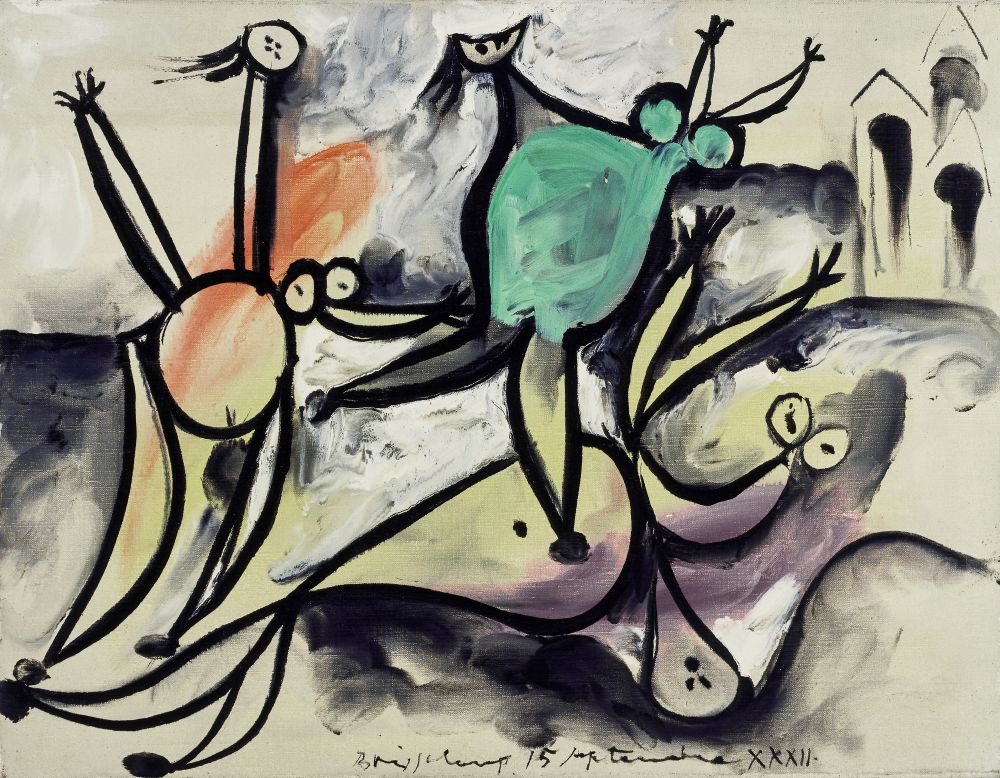
Picasso. Three women playing on the seashore1932. Almine and Bernard Ruiz-Picasso Foundation, Madrid © FABA Photo: Eric Baudouin © Pablo Picasso Succession, VEGAP, Madrid, 2025
Another of the meeting spaces between Munch and Picasso will be located in modern life and its scenes of sociability: the well-known cafes, cabarets and bohemian environments that constituted, for both Munch and Picasso, places of experimentation and observation from which to consolidate a new vision of the contemporary, eminently urban individual. Likewise, in the sections dedicated to the naked body, the dialogue between the work of Munch and Picasso will allow the public to reevaluate the scope of a radical creation that, in both cases, clearly contributed to redefining modern art and our way of understanding the world.
The curator, Paloma Alarcó, chief curator of modern painting at the Thyssen-Bornemisza National Museum until last May and member of the programming committee, the Executive Council and the Board of Trustees of the Picasso Museum Málaga, has advanced that The plot of the exhibition speech will narrate an imaginary meeting between both artists and will explore impossible dialogues between two disparate personalities who never met. They belonged to different generations and countries, they had divergent artistic strategies and sensibilities and also opposite ways of experiencing painting, but they shared a similar obsession with the deep mysteries of life, as well as common interests throughout their fruitful careers.
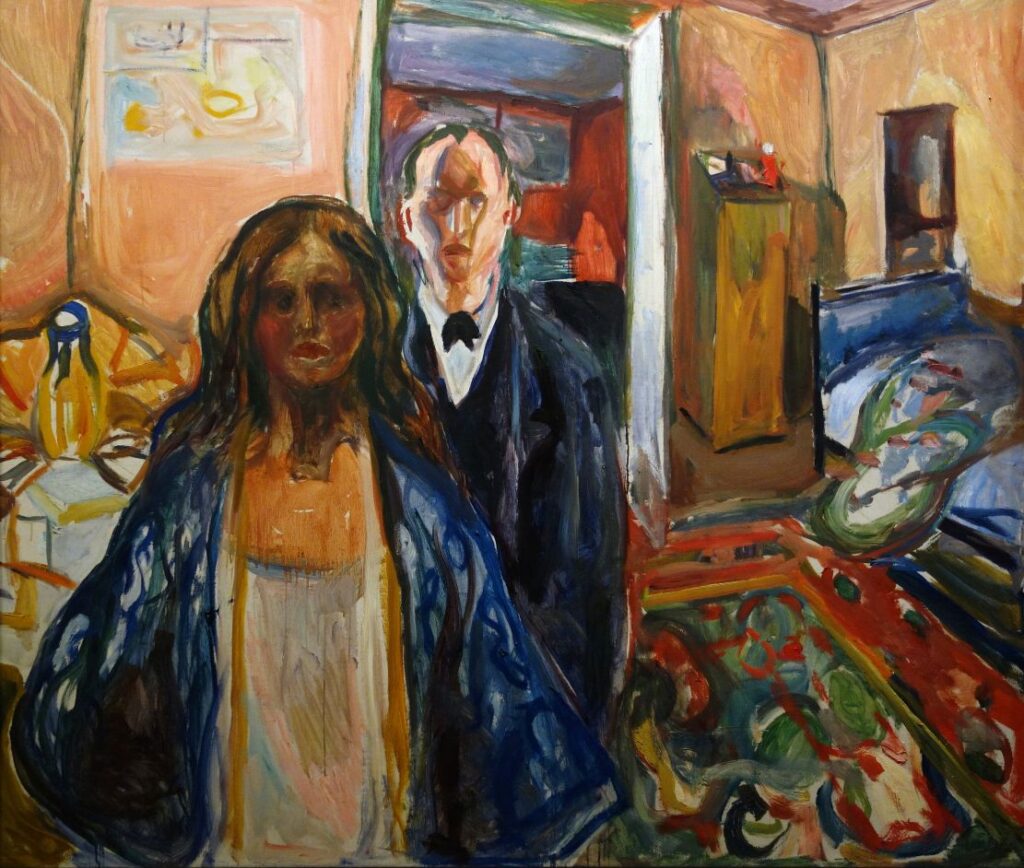
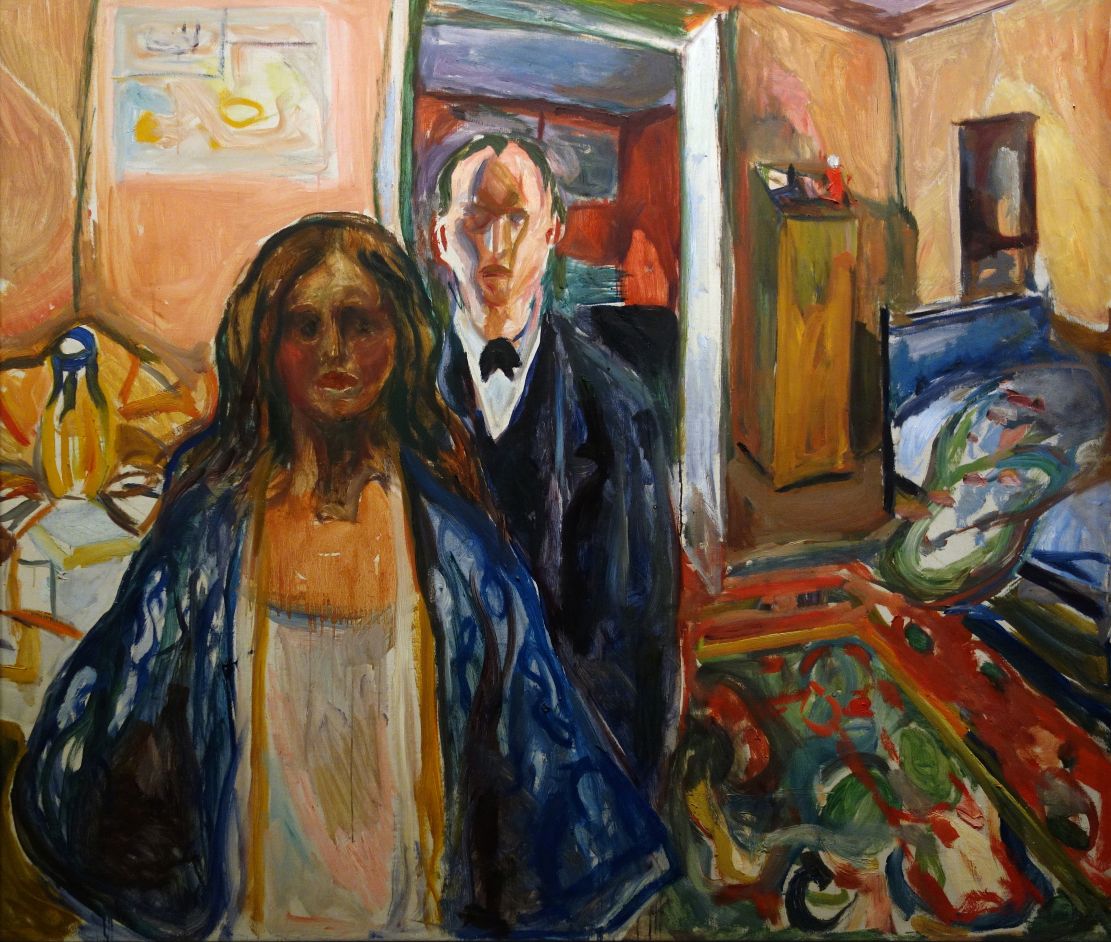
Munch. The artist and his model1919–1921. Munchmuseet, Oslo © DeAgostini Picture Library/Scala, Florence